








Introduction:Kenyan coffee is renowned for its bright acidity and intense fruity flavors. Its unique grading system and K72 washed processing method result in a flavor profile distinctly different from that of neighboring Ethiopia. This article delves into the distribution of Kenyan coffee growing regions, the AA to T grading standards, the dual trading model of auctions and direct trade, and provides a detailed breakdown of the key differences in the 72-hour fermented washed process. Finally, it offers practical pour over parameters and cupping flavor notes to help you master the essence of this African specialty bean.
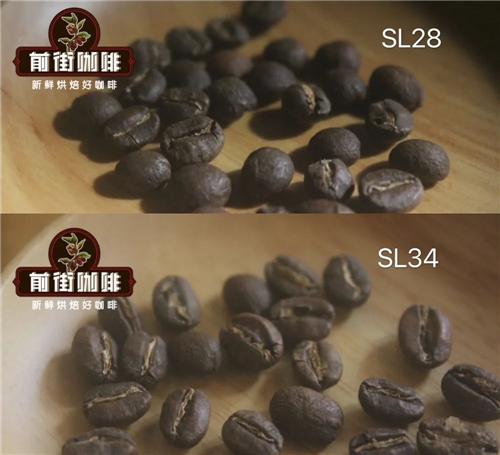
Although Kenyan coffee, like Ethiopian coffee, represents Africa’s premium offerings, their flavor profiles are vastly different. The former is known for itshigh-brightness acidityandjuice-like mouthfeel, thanks to its rigorous grading system and unique post-harvest processing techniques. From the SL28 and SL34 varieties introduced during the British colonial period, to the variety selection by the Scott Agricultural Laboratories (Scott Labs), to the current grading system based on bean size and cupping scores, the development trajectory of Kenyan coffee is clear and traceable.
Kenyan coffee is primarily graded according to bean size and cup quality, ranging from highest to lowest as AA (or AA+), AB, PB, C, E, TT, and T. Among these,AA grade (17–18 mesh)andAB grade (15–16 mesh)make up the majority of production, whileAA+ (Superior Grade)is a cupping-based quality designation labeled by exporters themselves, indicating exceptionally outstanding flavor performance. It’s worth noting thatPB (Peaberry)andE (Elephant Bean)are special shape classifications that are not directly related to flavor. In actual trade, AA+ and TOP grades usually represent higher quality, but consumers need not be overly fixated on labels—as long as it meets AA grade, it is already considered premium.
The unique flavor of Kenyan coffee hinges on itsK72 washed process. Unlike the conventional 24–36 hour fermentation, Kenya employs a 72-hour fermentation process combined with strict water quality control and multiple washing steps, ultimately reducing the moisture content of the beans to 12%. This method enhances the coffee’sbright acidityandcomplexity, while minimizing unwanted impurities, resulting in its signature 'tomato and black plum' tonality.
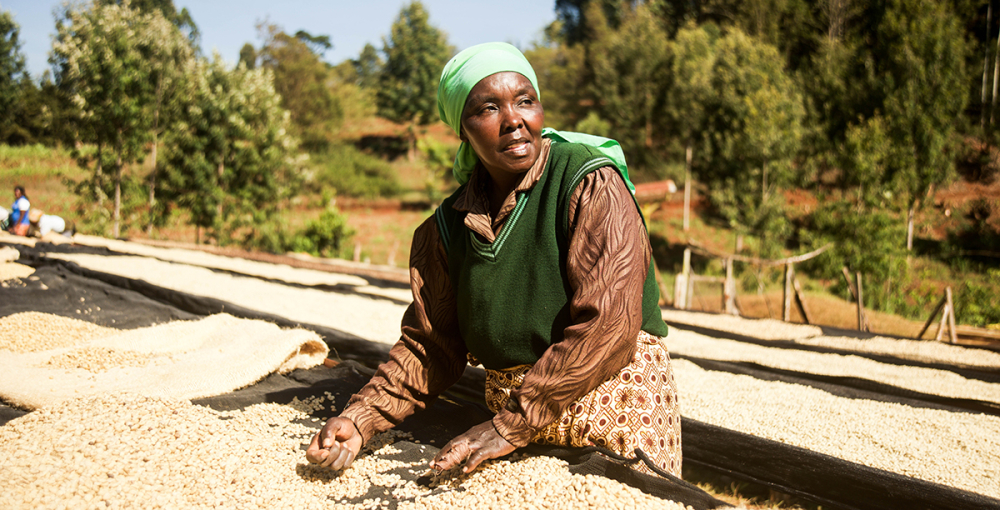
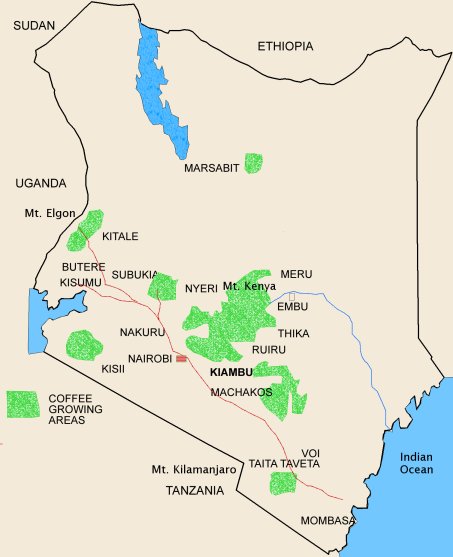
Kenyan coffee cultivation is concentrated in the central and western highlands, among whichNyeri,Kirinyaga, andMurangaare the three core producing regions. Nyeri is located at the foot of Mount Kenya, with red soil rich in minerals and an altitude of 1200–2300 meters. Its main harvest season is October to December, primarily featuring the SL28 and SL34 varieties, with small cooperatives being the main production model.KirinyagaAdjacent to the northern slopes of Mount Kenya, at an altitude of 1300–1900 meters, its name originates from the Kikuyu language meaning “white mountains.” The region operates through a cooperative-led centralized processing model, yielding coffee with strong and layered flavors.Murangahas over one hundred thousand coffee farmers and also benefits from volcanic soils. Its variety mix is similar to Nyeri’s, but the flavor profile leans more toward mild fruity notes.
Kenya’s coffee trade follows adual-track system: approximately 85% is traded through the Nairobi Coffee Exchange via auction, using a proxy bidding model held every Tuesday; the remaining 15% is sold through direct trade (Second Window), where producers and buyers negotiate prices directly. The auction system, operating since 1937, ensures that quality is tied to price through rigorous grading and cupping standards, while direct trade offers higher profit margins for premium-quality coffee.
Kenya’s coffee industry is composed of large farms (25%) and farmer cooperatives (75%). The latter integrate over 700,000 smallholder farmers and improve efficiency and quality control through shared wet mills. This model not only reduces production costs but also enhances the stability of regional flavor profiles, sharing similarities with Ethiopia’s smallholder cooperative systems.
Taking the real-world example ofKenya Small Tomato Coffee Beans, this lot is produced in Thika, at an altitude of 1550–1750 meters, classified as AA TOP grade, and processed with SL28 and SL34 varieties using the K72 washed method. The roaster opted for a light roast to highlight acidity. For pour over, it is recommended to use a V60 filter, with a water temperature of 90°C, a brew ratio of 1:15, and a grind size of about 80% passing through a #20 sieve. The extraction involves a 30-second bloom with 30 grams of water, followed by pulsed pouring to reach 225 grams total, taking approximately 2 minutes. This reveals a complex flavor profile oftomato flower notes, cherry tomato black plum acidity, and berry aftertaste.
In summary, the charm of Kenyan coffee lies in itsscientific quality management,unique geographical environment, andrefined post-processing techniques. Whether you’re a newcomer exploring African beans or an advanced enthusiast seeking depth of flavor, understanding its grading logic and regional characteristics will help you select the specialty coffee that best suits your taste.
The above content is compiled by CoffeeHunters, a coffee news website.


