








Introduction:Coffee varieties are diverse, ranging from classic Typica and Bourbon to highly acclaimed Geisha. Each coffee variety has unique flavors and ideal brewing methods. This article delves into the origins, characteristics, and cupping profiles of major global coffee varieties, while also providing practical pour over recommendations. Whether you’re a beginner or an advanced enthusiast, you’ll find inspiration for tasting and brewing.
There are thousands of coffee varieties worldwide, but those widely cultivated and commercially valuable mainly fall into two major groups: Arabica and Robusta. These varieties each have distinct flavor profiles, environmental adaptability, and processing traits. Understanding them is the first step in exploring the world of coffee.
In reality, there are over 6,000 coffee varieties, belonging to approximately 500 species. However, the ones commonly encountered in the mainstream market are primarily Arabica, Robusta, and the less common Liberica and Excelsa. Among these four, Arabica and Robusta dominate, accounting for over 99% of global coffee production, with Arabica making up about 85%.
Arabica coffee is renowned for its elegant aroma, complex acidity, and layered flavors, making it ideal for specialty coffee or single-origin pour over. In contrast, Robusta features a bold, intense flavor with noticeable bitterness and higher caffeine content, often used as a base in instant coffee or espresso blends. Although considered lower-grade, its strong taste also has a dedicated following.
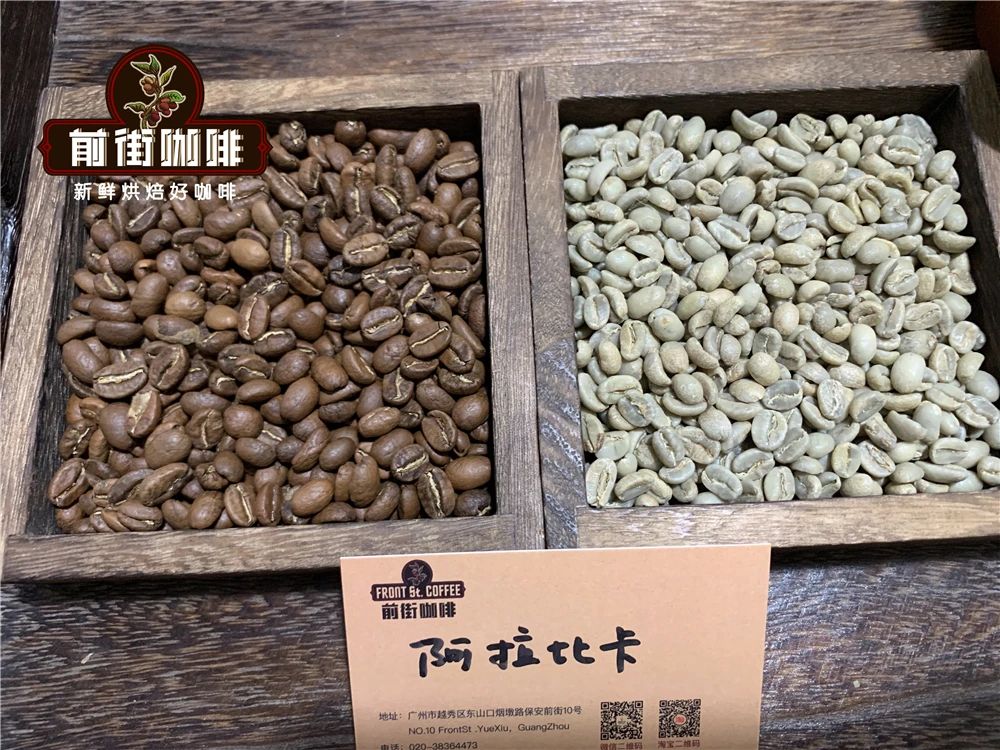
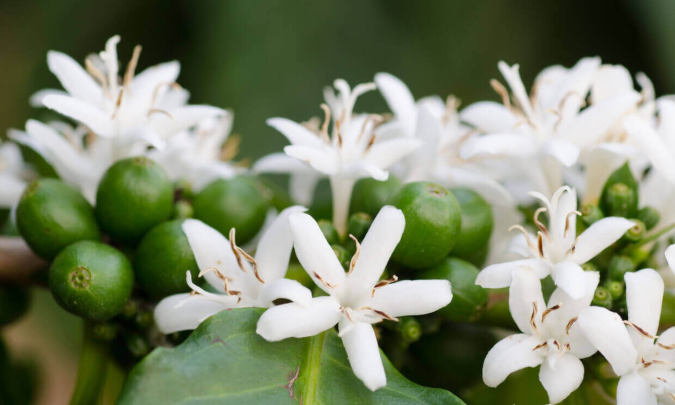
Arabica plants are relatively delicate, suited for high-altitude cultivation, and have lower resistance to pests and diseases. However, the beans they produce usually offer more delicate flavors. Robusta, on the other hand, is hardy, capable of growing in low-altitude and high-temperature environments, with high yields and strong disease resistance, though its flavors are often more one-dimensional, often featuring pronounced woody or earthy notes.
Liberica originated in Liberia. Its coffee beans have a unique shape—long, oval, and slightly pointed—and it adapts to subtropical climates. However, it has low yields and unremarkable flavor characteristics, mainly used for variety research and development. Excelsa was discovered in 1904 in the Chari River basin of Africa. It has high drought resistance, high per-plant yield, and intense aroma, though it has limited market circulation.
When discussing classic varieties, Typica is one of the most original and representative branches of Arabica. It originated on the island of Martinique and later spread to Central America, Jamaica, Hawaii, Indonesia, and East Timor. Typica plants are tall, with long, flat beans. Its flavors are known for sweetness and clear acidity, making it a foundational variety in famous regions such as Blue Mountain and Sumatra Mandheling.
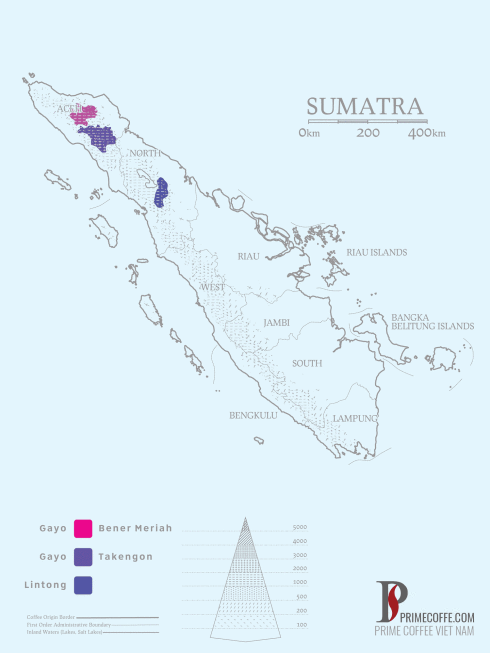
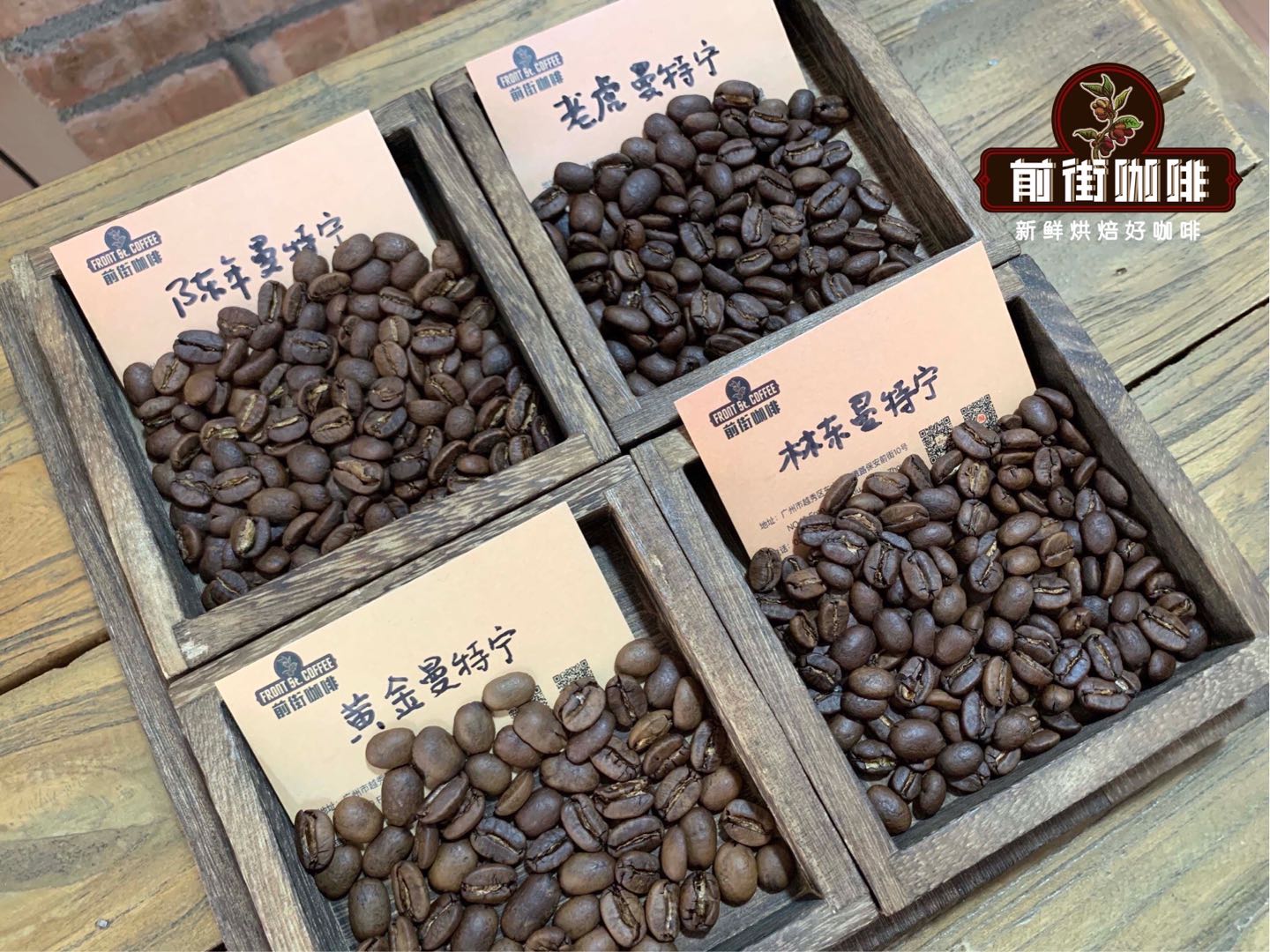
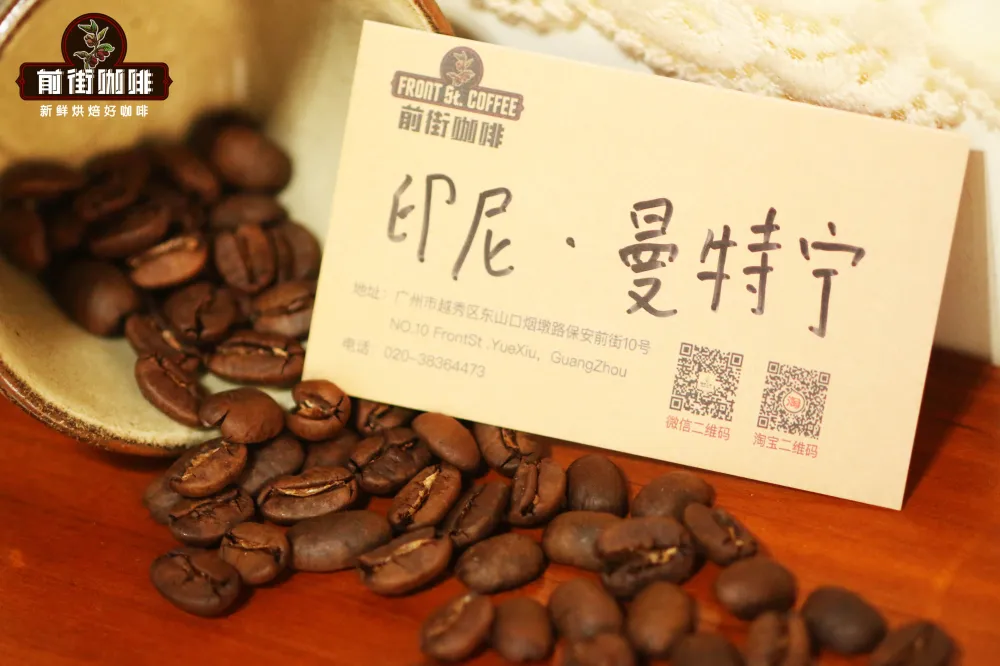
Sumatra Mandheling is a well-known variety of Typica, produced on the Indonesian island of Sumatra, particularly renowned in the regions of Lintong, Lake Toba, and Lake Tawar. Mandheling is known for its rich, full-bodied, low-acid, high-body profile, with unique herbal and earthy notes. Though its appearance is often not very appealing, its depth of flavor is widely praised. Common Mandheling offerings include Lintong Mandheling, Golden Mandheling, Tiger Mandheling, and Aged Mandheling.
Golden Mandheling is carefully selected, using only hand-picked beans that undergo multiple defect sorts, resulting in a smoother, sweeter flavor with clearly layered bitterness. It is recommended to use a KONO filter, with water temperature around 85–88°C, a 1:15 coffee-to-water ratio, medium grind, and a step extraction method to bring out its body and caramel sweetness.
Tiger Mandheling emphasizes low defect rates and high uniformity, with flavors mainly of cream, dark chocolate, and nuts. It has a balanced and clean taste. Aged Mandheling, meanwhile, undergoes long-term storage that transforms its acidity into a sugary sensation, resulting in a rounder, fuller flavor. It’s an excellent choice for both single origin and espresso. Most of these Mandheling offerings are processed using the wet-hulled method, giving them a full-bodied character with earthy traits.
Other well-known varieties of Typica include Blue Mountain coffee, produced in the Blue Mountains of Jamaica. It is one of the most expensive and prestigious coffees in the world. Genuine Blue Mountain coffee must be grown at altitudes above 666 meters. Its flavor is balanced, with notable sweetness, well-harmonized acidity and bitterness, and a long aftertaste. For brewing, it is recommended to use a KONO filter, with water at 87–88°C, a 1:15 ratio, and step extraction to showcase its delicate balance.
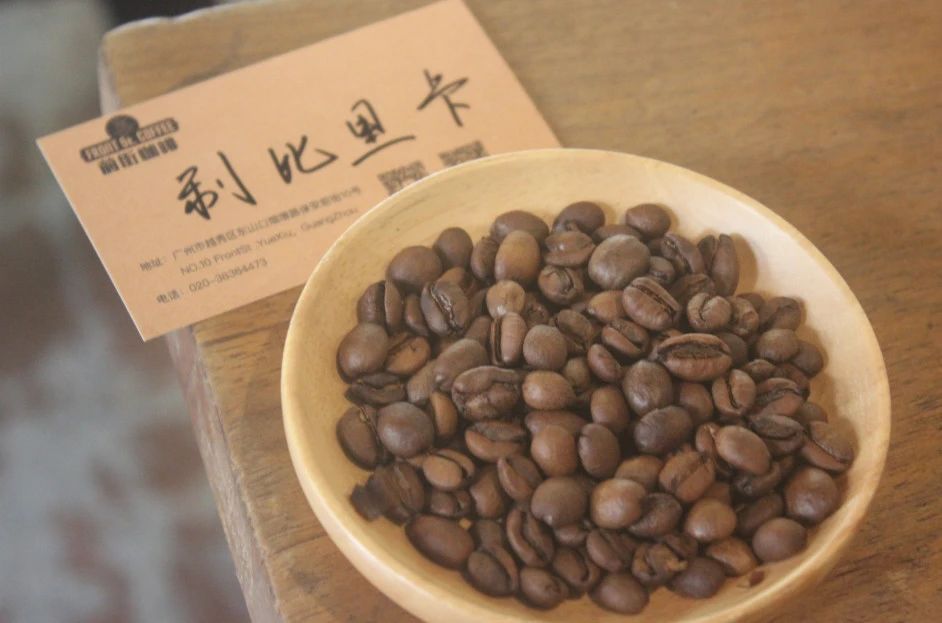
Another famous variety is Hawaiian Kona, produced in the Kona region of Hawaii’s Big Island. It offers soft citrus acidity, a full-bodied mouthfeel, and a clean flavor profile, making it one of the “most delicious coffee beans” in many people’s minds. Brewing parameters are similar to those for Blue Mountain, bringing out its berry, nut, and creamy aromas.
Maragogype (Elephant Bean) is a mutation of Typica, known for its large bean size, fresh flavors, and pleasant sweet and sour notes. However, it only fully expresses its potential in high-altitude environments. Pacamara is a hybrid of Pacas and Maragogype, recognized by its distinctly large bean shape, bright sweet and sour flavors, and often carries lingering notes of plum, lemon, and brown sugar. It suits those who enjoy fruity and layered profiles.
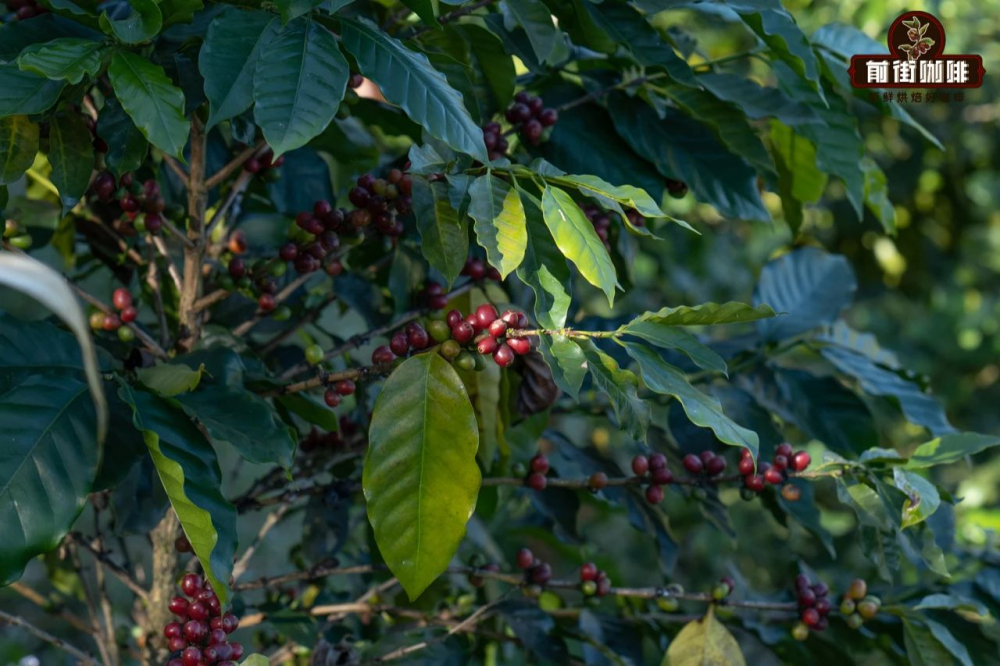
Bourbon is another important variety originating from Ethiopia, first discovered on the island of Réunion (formerly known as Bourbon Island). Compared to Typica, Bourbon typically has rounder beans, lower caffeine content, but weaker disease resistance. Red Bourbon and Yellow Bourbon are the most common variants. Yellow Bourbon is known for its bright sweetness, nutty tones, and low acidity. It is well-suited to high-altitude natural sun-dried processing, often featuring chocolate and tropical fruit aromas.
Pink Bourbon is a rare pink coffee cherry variety, with flavors that offer a unique sweet orange and juice-like sensation. Slender Bourbon is noted for its extremely low caffeine content and delicate acidic aroma, but it has scarce production and is mostly used for laboratory research.
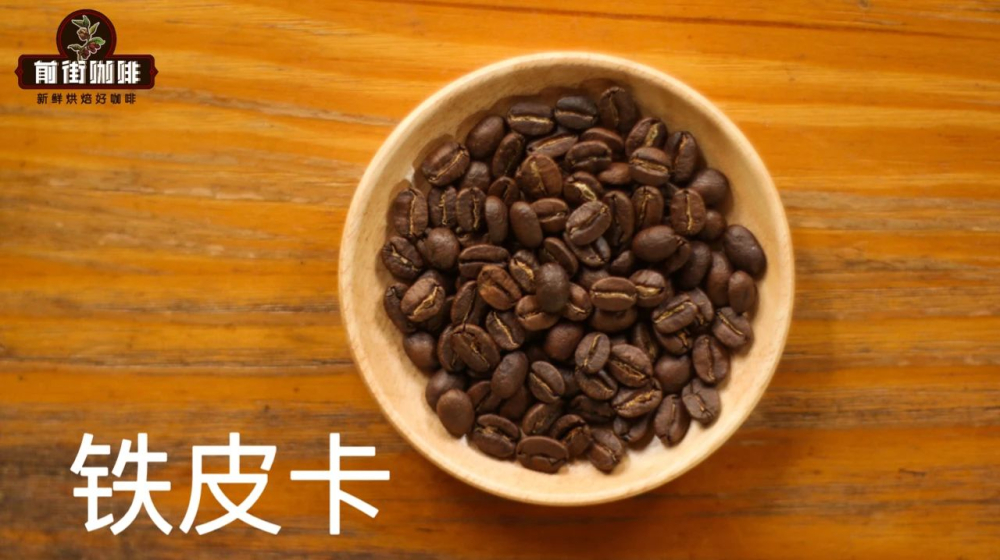
Additionally, Bourbon has several well-known genetic mutations, such as SL28 and SL34. These two varieties are the soul of Kenyan coffee, exhibiting intense acidity, dark plum, and berry flavors. Paired with Kenya’s unique 72-hour washed process, they create a distinctive flavor profile.
Bourbon-derived varieties such as Caturra, Catuai, Pacas, and Villalobos also each demonstrate different adaptability and flavor expressions. From high-altitude citrus acidity to stable yields at mid-to-low altitudes, these varieties perform excellently in producing regions such as Brazil, El Salvador, Costa Rica, and Guatemala.
Finally, Geisha has become a star variety in the specialty coffee scene in recent years. With its elegant floral notes, tea-like qualities, and tropical fruit profiles, it has captivated global competitions and consumers. It is ideal for pour over using high water temperature and fine grind to bring out its delicate and captivating aromatic layers.
The above content is compiled by CoffeeHunters, a coffee news website.


