








Introduction:The fully red cherry natural-processed coffee from Konga Cooperative in Yirgacheffe is renowned for its bright citrus notes and berry aromas, yet many people tend to extract overly bitter and astringent flavors when brewing it using pour over methods. This article delves into the geographic background of the region, the operational model of the cooperative, and the characteristics of its natural processing, helping you understand the unique flavor profile of Konga beans. It also provides practical pour over parameters, including grind size, water temperature control, and pulse pouring techniques, to guide you in brewing a balanced, sweet-and-acidic specialty coffee with a smooth mouthfeel.
Yirgacheffe is a famous coffee-growing region in southern Ethiopia, known for producing beans with distinctive floral notes and citrus acidity. Among them, the fully red cherry natural batches from Konga Cooperative are considered premium offerings by many coffee enthusiasts. Such coffees typically showcase distinct citrus acidity, rich berry juiciness, and a velvety mouthfeel akin to cream. However, many people encounter issues with over-extracted bitterness when attempting pour over brewing, often due to grind size, water temperature, and extraction time settings.
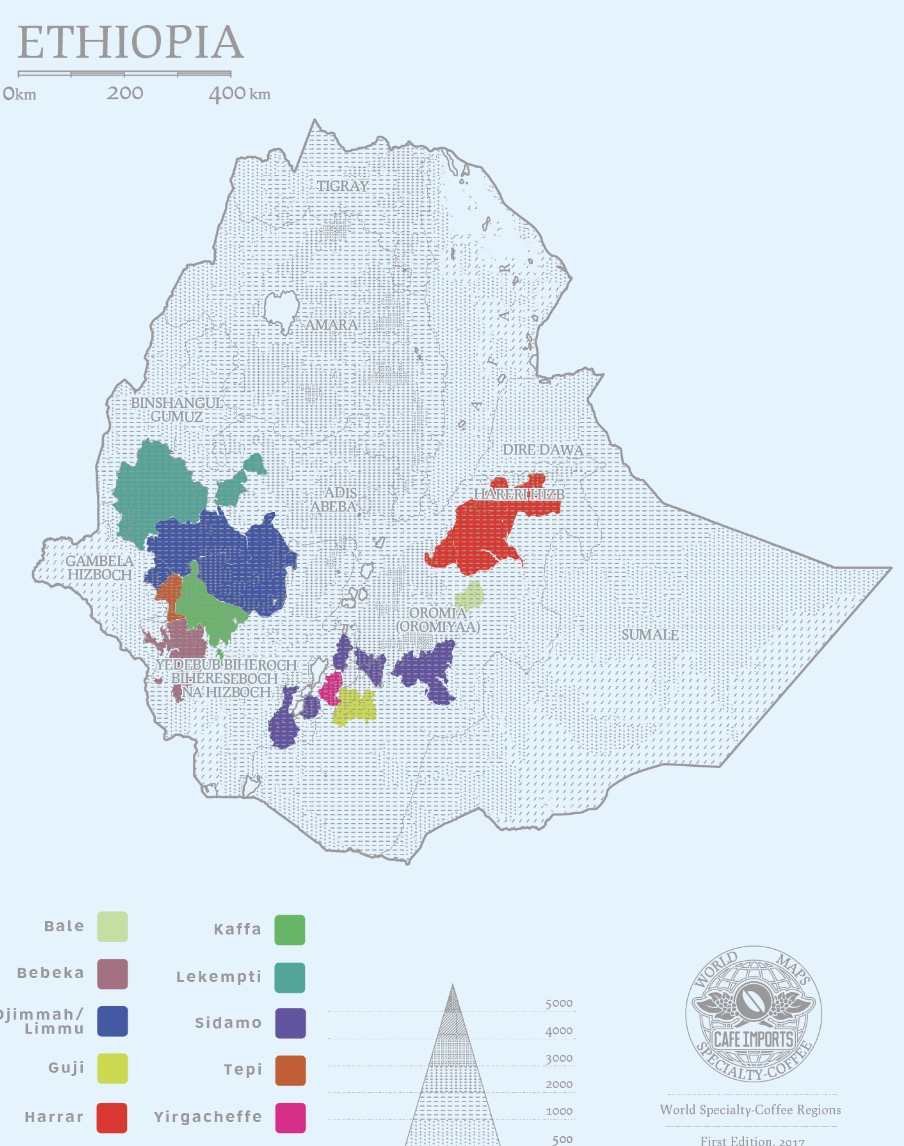
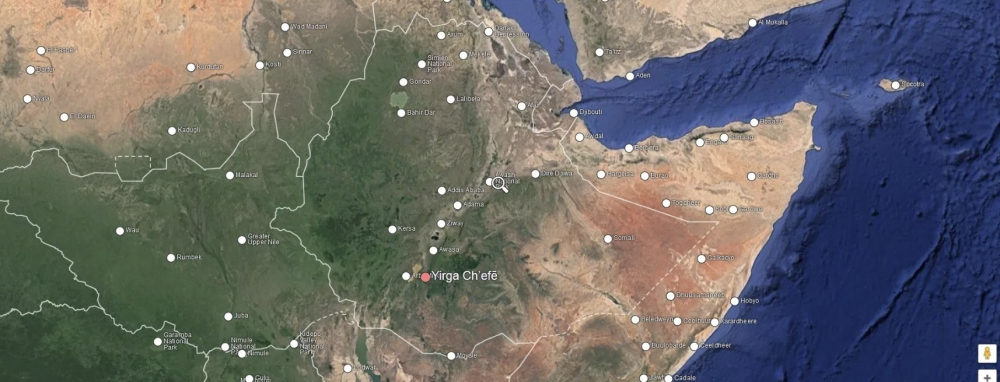
To brew a great cup of Yirgacheffe Konga natural coffee, it’s essential first to understand its regional background. Yirgacheffe was originally just a small town under the Gedeb district of Ethiopia but was officially designated as an independent coffee-growing region in 2010 due to the uniqueness of its coffee flavors. Located in the southwestern part of the country, this area features natural wetland terrain, with temperatures maintained between 15 to 25°C annually. Coupled with high altitudes that create significant diurnal temperature variations, it provides an ideal environment for growing Arabica coffee trees.
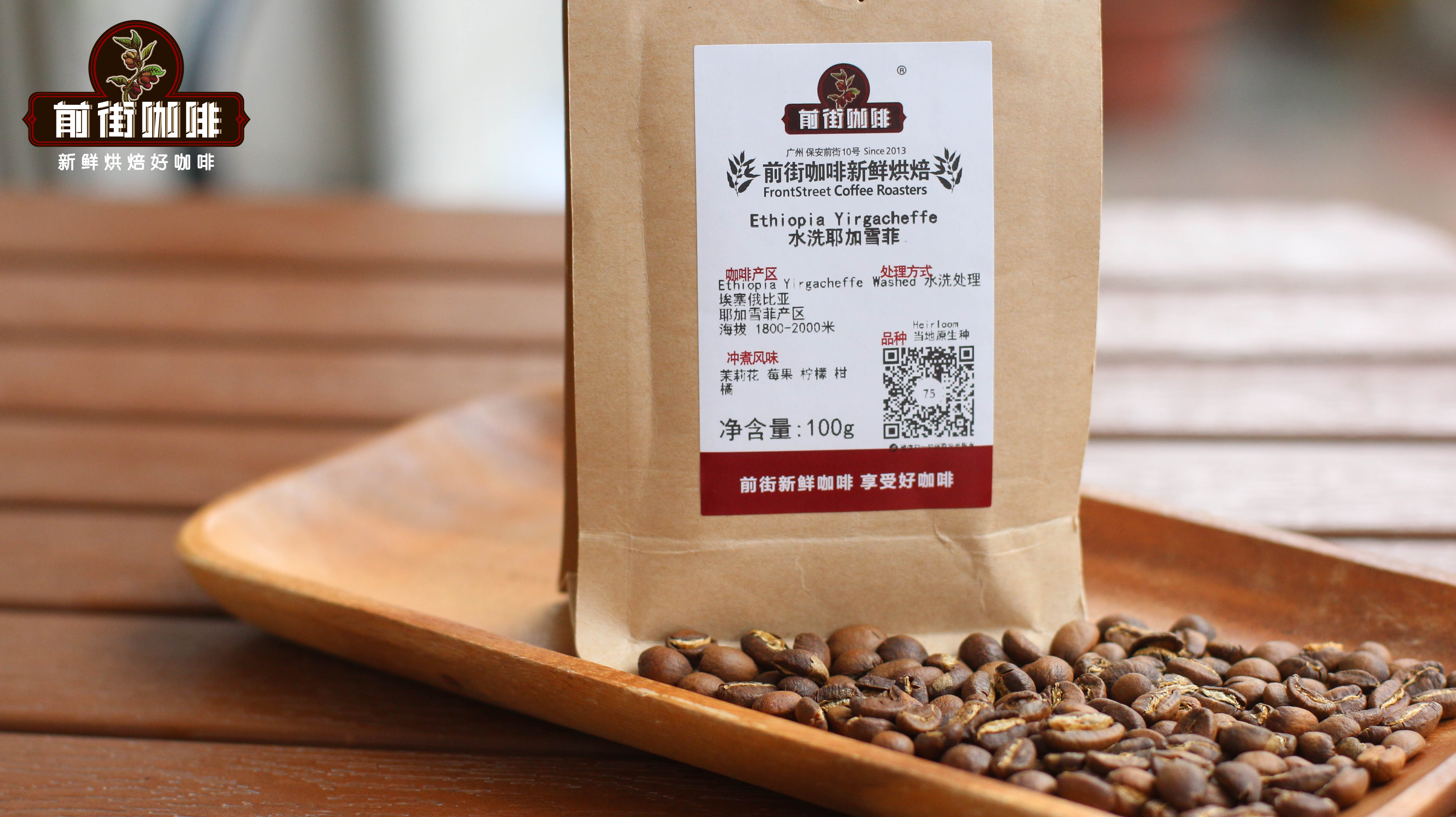
Most coffee varieties in Yirgacheffe belong to what is called “Ethiopian Heirloom,” a term encompassing numerous ancient and diverse cultivars that have not undergone modern variety classification due to long planting histories. This results in inconsistent bean sizes, which is also part of the region's coffee charm. To ensure fair income for coffee farmers and maintain quality, the Yirgacheffe Coffee Farmers Cooperative Union (YCFCU) was established, comprising 24 primary cooperatives and involving around 50,000 coffee farmers. Among them, Konga Cooperative stands out as a particularly notable member.
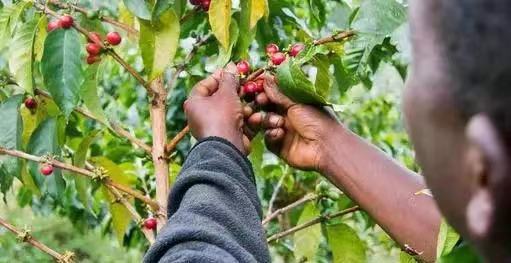
Konga Cooperative is located in the Gedeo region, where the soil is rich in iron and has a depth of over 1.5 meters, enabling coffee tree roots to access sufficient nutrients and moisture. Iron is also a key element in chlorophyll synthesis, making photosynthesis in coffee trees more efficient and thereby enhancing the quality and flavor potential of the coffee cherries. Konga Cooperative specializes in fully red cherry natural processing, selecting only perfectly ripe, defect-free coffee cherries for sun drying. This approach results in pronounced citrus acidity, berry juiciness, honey-like sweetness, and a silky, creamy mouthfeel.
In terms of processing methods, Yirgacheffe coffees are mainly divided into natural and washed categories. Washed processing involves removing the skin and pulp before fermentation and drying, typically yielding cleaner flavors with pronounced acidity. In contrast, natural processing retains the whole fruit during drying, allowing sugars from the pulp to permeate the beans during fermentation, resulting in richer sweetness and unique fermented aromas. Konga Cooperative opts for fully red cherry natural processing, harvesting only fully ripe, unblemished cherries to ensure consistent and high-quality flavors.
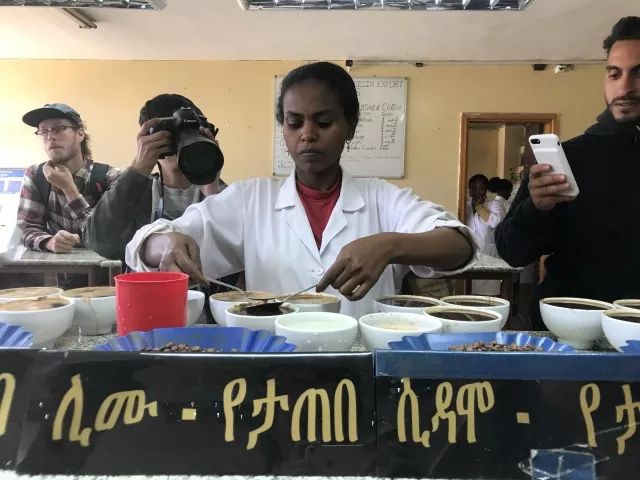
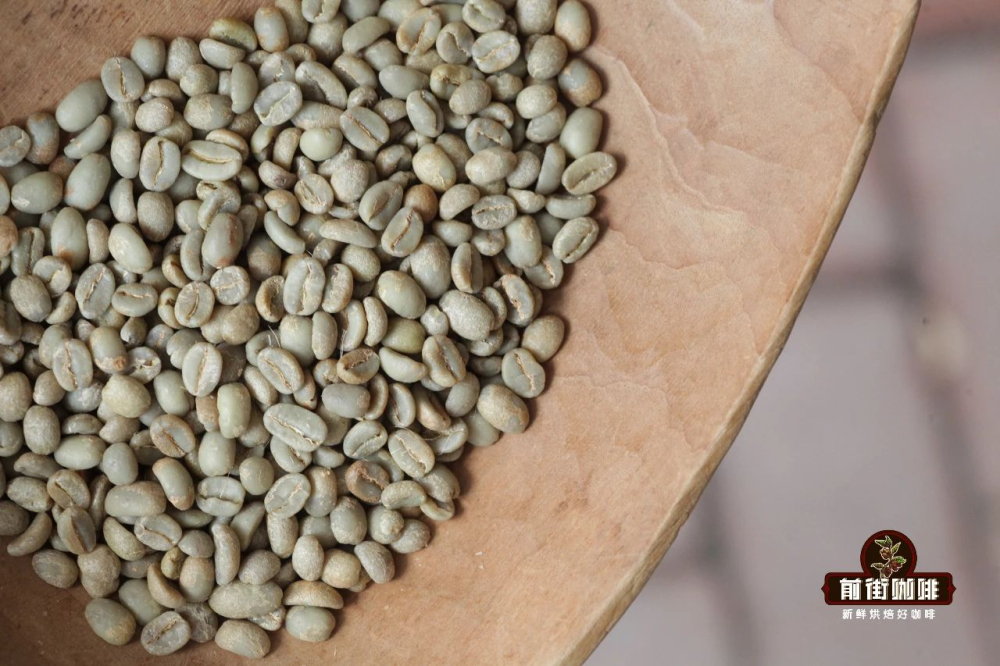
Coffee beans from Yirgacheffe are generally suited for light roasting to preserve their bright acidity and delicate floral characteristics. To allow coffee enthusiasts to experience the fullest flavor spectrum, many roasters ship their beans within 5 days of roasting to ensure they are at peak flavor. For pour over brewing, since most Yirgacheffe beans are light roasted with relatively dense beans, it is recommended to use a medium-fine grind (approximately the size of granulated sugar, with about 80% passing through a Chinese No. 20 sieve), and extract with water at 90 to 92°C. This helps bring out the beans’ nuanced acidity and complex aromas.
For actual pour over brewing, it’s recommended to use a 1:15 coffee-to-water ratio and employ a three-stage pouring technique. First, start the timer and pour 30 grams of water to bloom the coffee grounds for 30 seconds. Then, in the second stage, pour water in small circles up to 125 grams, wait for the coffee bed to slightly drain, and continue pouring up to 225 grams. Finally, let all the coffee drip through, aiming for a total extraction time between 2 minutes 00 seconds and 2 minutes 10 seconds. These parameters help balance acidity and sweetness, reduce the risk of over-extraction, and highlight the purest expression of the coffee’s flavors.
Besides Konga Cooperative, Yirgacheffe is also home to other well-known cooperatives such as Guji Dingding, Worka, Hafursa, and Idido, each with its own unique processing style and flavor characteristics. For instance, Guji Dingding Cooperative excels in washed processing, yielding flavors leaning toward citrus and orange tones, accompanied by honey sweetness and green tea aftertaste. Worka Cooperative emphasizes both washed and natural methods, producing a refreshing cup with lemon and grapefruit acidity and a tea-like mouthfeel. Idido Cooperative, thanks to its high altitude and meticulous management, is often described as producing coffee with floral aromas reminiscent of Geisha.
In summary, the fully red cherry natural coffee from Yirgacheffe’s Konga Cooperative is a specialty coffee with rich flavor layers and a well-balanced sweet-and-acidic profile. By mastering the correct grind size, water temperature, and extraction time, along with proper pour over techniques, you can easily brew a clean, bright, and smoothly textured cup. Whether you're a beginner in pour over brewing or a coffee enthusiast pursuing nuanced flavors, this classic Ethiopian coffee bean is definitely worth savoring and exploring.
The above content is compiled by CoffeeHunters, a coffee news website.


