







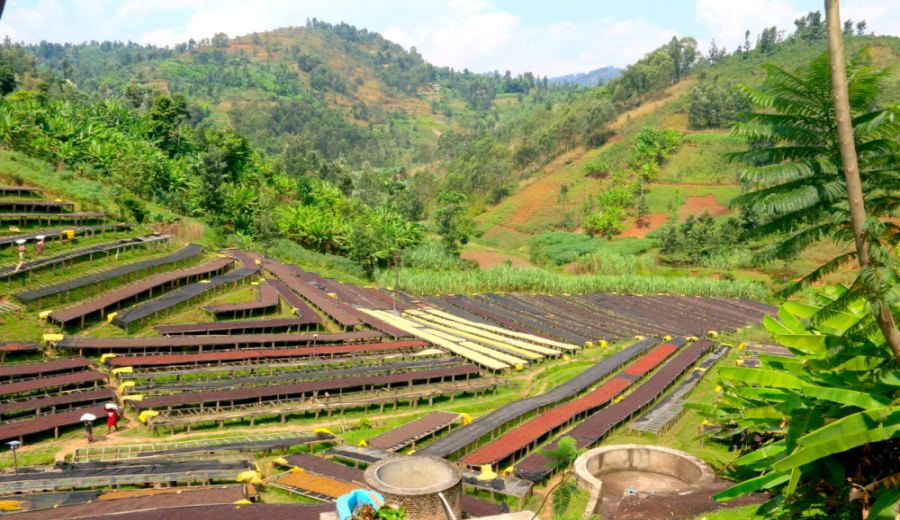
Introduction:Want to dive deeper into the origins of the flavors in Yirgacheffe? This article focuses on the honey-processed Natural G1 coffee beans from Foge Washing Station in Gimbi, Yirgacheffe, Ethiopia. We’ll explore the processing principles and flavor characteristics of honey processing, and take an in-depth look at the unique aromatic and flavor profile of these sundried beans — helping you understand the background and brewing essentials of this popular pour over coffee.
As the birthplace of Arabica coffee and one of the highest-producing coffee nations in Africa, Ethiopia is home to numerous distinctive specialty coffee regions. Among them, Yirgacheffe is renowned worldwide for its bright floral and fruity notes. The honey-processed Natural G1 coffee beans from Foge Washing Station in this region stand out even more with their intense fruitiness and unique processing method, making them a top choice for coffee enthusiasts looking to explore new flavors.
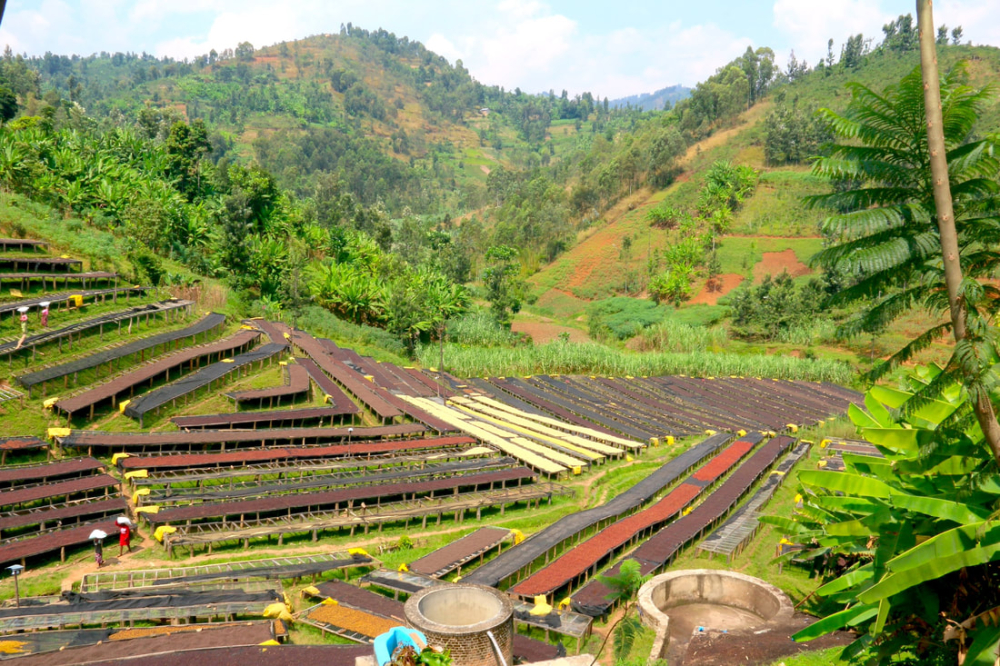
Yirgacheffe is not only a representative region of specialty coffee, but its beans are also highly praised for their great diversity and regional character. For consumers just beginning to explore specialty coffee, washed Yirgacheffe is often the ideal entry point — using traditional washed processing with medium to light roasting, it presents delicate floral and fruity aromas. It’s suitable for brewing via pour over, drip bags, French press, or even cold brew, and is relatively affordable, making it great for everyday drinking.
However, what this article introduces is a uniquely distinctive "Honey Natural G1" coffee bean from Foge Washing Station in Yirgacheffi. Thanks to its outstanding quality, these beans are not sold through the Ethiopia Commodity Exchange (ECX) blend but are processed separately by a high-quality local station, preserving their unique fruitiness and regional character — particularly showcasing intense notes of red cherry, blueberry, and blackcurrant.

The so-called "honey processing method" is a technique that falls between washed and natural processing. After harvesting the coffee cherries, the outer skin and pulp are removed, but the sticky mucilage (i.e., the fruit pulp layer) surrounding the seed is not entirely eliminated. The beans, still coated with this sticky layer, are then directly sun-dried. Rich in sugars, this mucilage interacts with the seed during drying, imparting the coffee beans with rich sweetness and fruity aromas.
However, honey processing places very high demands on both the environment and technique. Due to the high moisture content of the mucilage, improper control during drying can easily lead to mold or off-flavors. Therefore, the beans must be frequently turned during processing, with strict control over temperature and humidity. Typically, it takes about 10 to 14 days to complete the drying. For this reason, honey-processed coffee is often regarded as the perfect fusion of technology and nature, capable of showcasing deep yet soft layers of flavor.
The Honey Natural G1 beans from Foge Washing Station come entirely from the carefully selected harvests of around 300 small-scale local coffee farmers. Although the station primarily uses washed processing, these honey-processed sundried beans are a rare exception. They are even more precious due to a rigorous screening process based on sugar content — before harvesting, farmers use portable refractometers to test the coffee cherries, picking them only when their sugar levels reach optimal standards. This ensures that subsequent fermentation and drying processes can fully realize their best flavor potential.
The final product, this Honey Natural Yirgacheffe, exhibits intense aromas of blueberry, blackcurrant, and wine-like fermentation. Upon tasting, it delivers a distinct sweetness, vibrant and layered acidity, with a finish that hints at subtle brown sugar and stone fruit notes. It’s highly recommended for coffee lovers who enjoy distinctly fruity, sweet, and aromatic profiles. When brewed using a pour over method, it’s suggested to use a medium-light roast, with water temperature controlled between 90–92°C and grind size around medium-fine (similar to fine sugar), to highlight its clear fruit acidity and aromatic features.
It’s worth noting that in March 2017, the Ethiopian government implemented significant reforms, granting direct export rights to certain qualified cooperative coffee washing stations and supporting differentiated processing in premium growing areas. This policy allows individual processing units with excellent technology and quality control, such as Foge Washing Station, to more flexibly produce and export high-quality single-estate or micro-lot coffees. This enables specialty beans like the Honey Natural G1 to truly shine.
The above content is compiled by CoffeeHunters, a coffee news website.


