







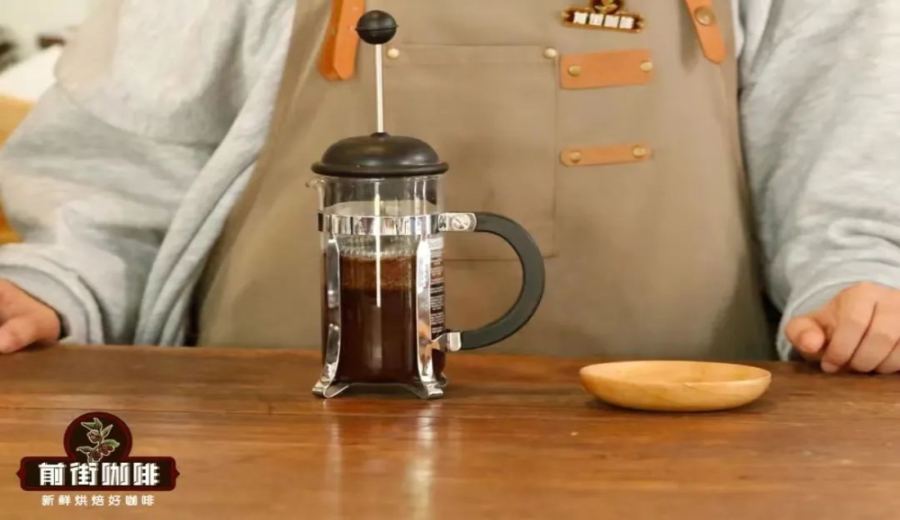
Introduction:Enjoying a rich and aromatic cup of black coffee at home doesn't require expensive equipment or complicated techniques. As one of the simplest immersion brewing methods, the French press only requires mastering the coffee-to-water ratio, water temperature, and steeping time to consistently extract a well-balanced and sweet-tasting cup. This article details the historical evolution of the French press, recommends medium-to-dark roasted beans that suit it well, and explains how to correctly brew classic beans like Golden Mandheling using this method. It also offers practical cleaning and storage tips to help you achieve the ideal Gold Cup extraction with ease.
Just got some freshly roasted coffee beans but not sure where to start brewing? The French press is your best bet. This no-fuss brewing tool doesn’t require delicate pouring skills or strict control over every parameter. By simply managing the basics—amount of coffee, water temperature, and steeping time—you can reliably brew a smooth, sweet black coffee with a rounded mouthfeel.
No matter which brewing method you choose, the goal is actually quite simple: to make a delicious cup of coffee. Some say pour over has more of a ritual feel, but the charm of the French press lies in its simplicity and directness—it can also bring out the layers and aromas of coffee, making it especially great for a morning pick-me-up or a work break.
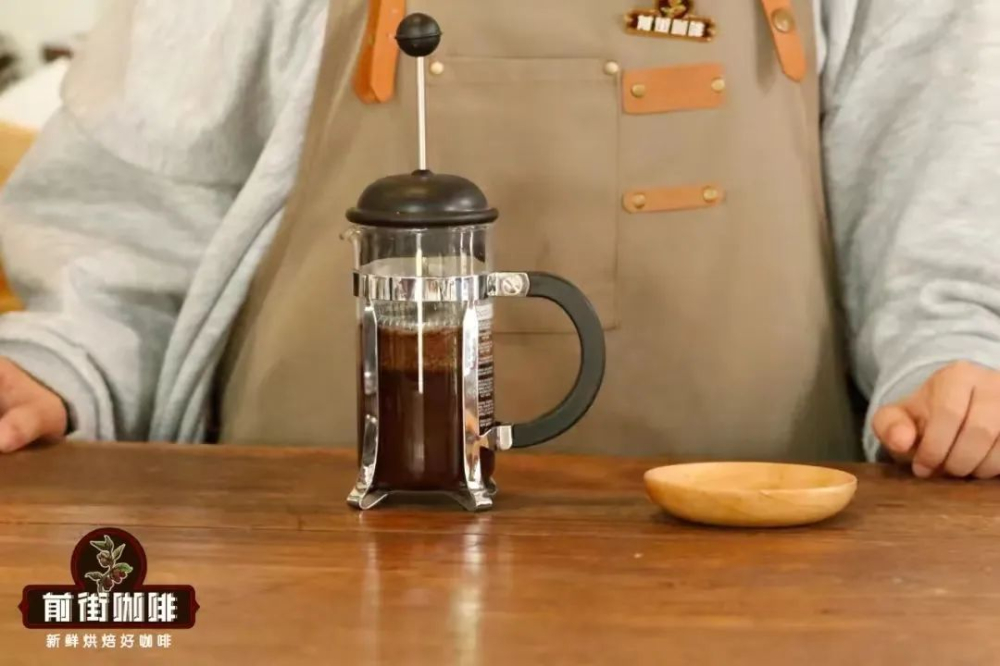
The history of the French press dates back to France in 1850, where it was originally a tea-brewing device. It consists of a pot body and a plunger with a built-in filter, primarily designed to prevent tea leaves from entering the brewed tea. Later, coffee enthusiasts discovered that this structure was equally suitable for brewing coffee—not only is it easy to use, but the resulting coffee is also relatively clear.
It wasn’t until 1852 that a craftsman and businessman teamed up to establish the “Smith” company. They refined this design and applied for a patent for a piston-filter coffee device called the “French Press.” However, early versions had issues—the filter couldn’t be securely locked after pressing, causing fine coffee particles to leak when pouring, so market response was lukewarm.
Not until the late 1920s did a Milan-based company register an improved patent, adding a spring and disc-like structure at the bottom of the filter. This allowed the plunger to fit tightly against the bottom of the pot, effectively preventing coffee grounds from escaping. The design gradually improved from there, and the French press truly became popular, evolving into a practical tool loved by both households and cafés.
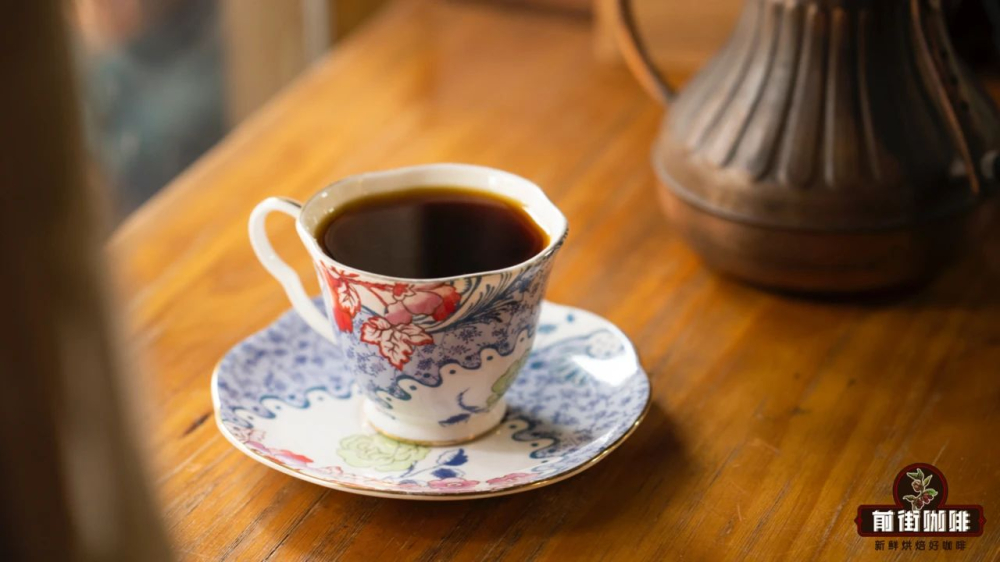
So, what types of coffee beans are suitable for the French press? Since it’s an immersion brewing method, the coffee grounds remain in contact with hot water for a longer time, emphasizing body and richness over bright, fruity acidity. For those who aren’t used to acidity and prefer a bold flavor, medium-to-dark roasted beans are the top choice.
If you’re looking for an approachable and flavor-rich bean, try PWN Golden Mandheling. Though this single-origin bean is close to dark roast, it has low acidity. When brewed with a French press, it reveals layered flavors such as spices, dark chocolate, toasted bread, caramel, and sandalwood. It has a full-bodied, smooth mouthfeel and long-lasting, captivating aroma.
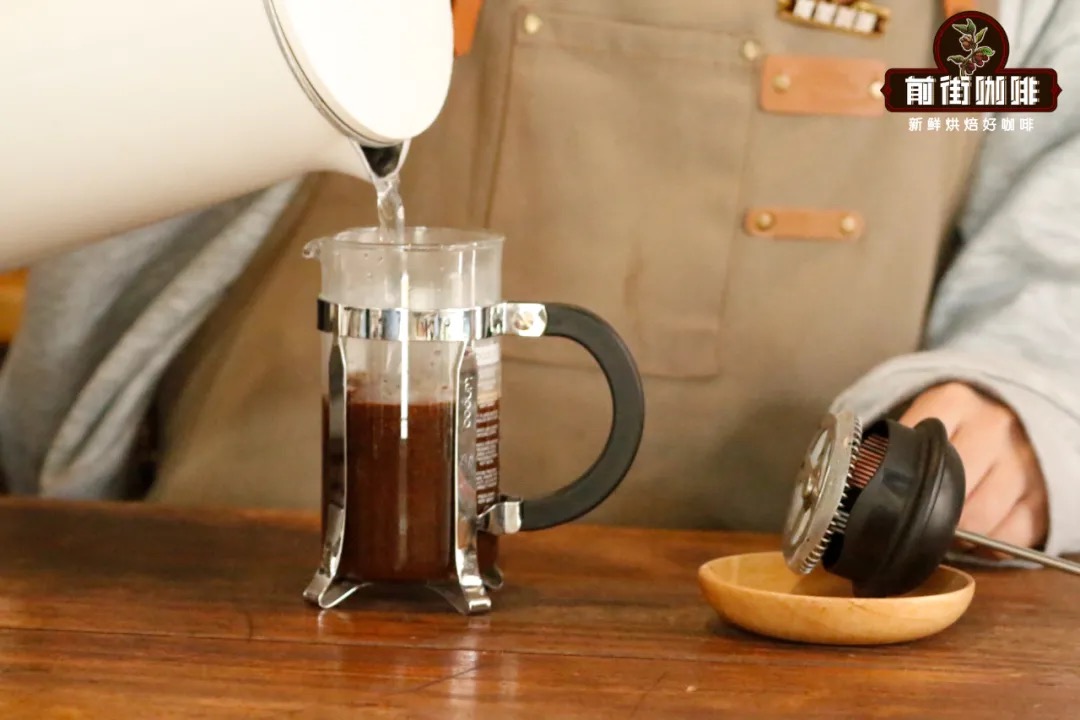
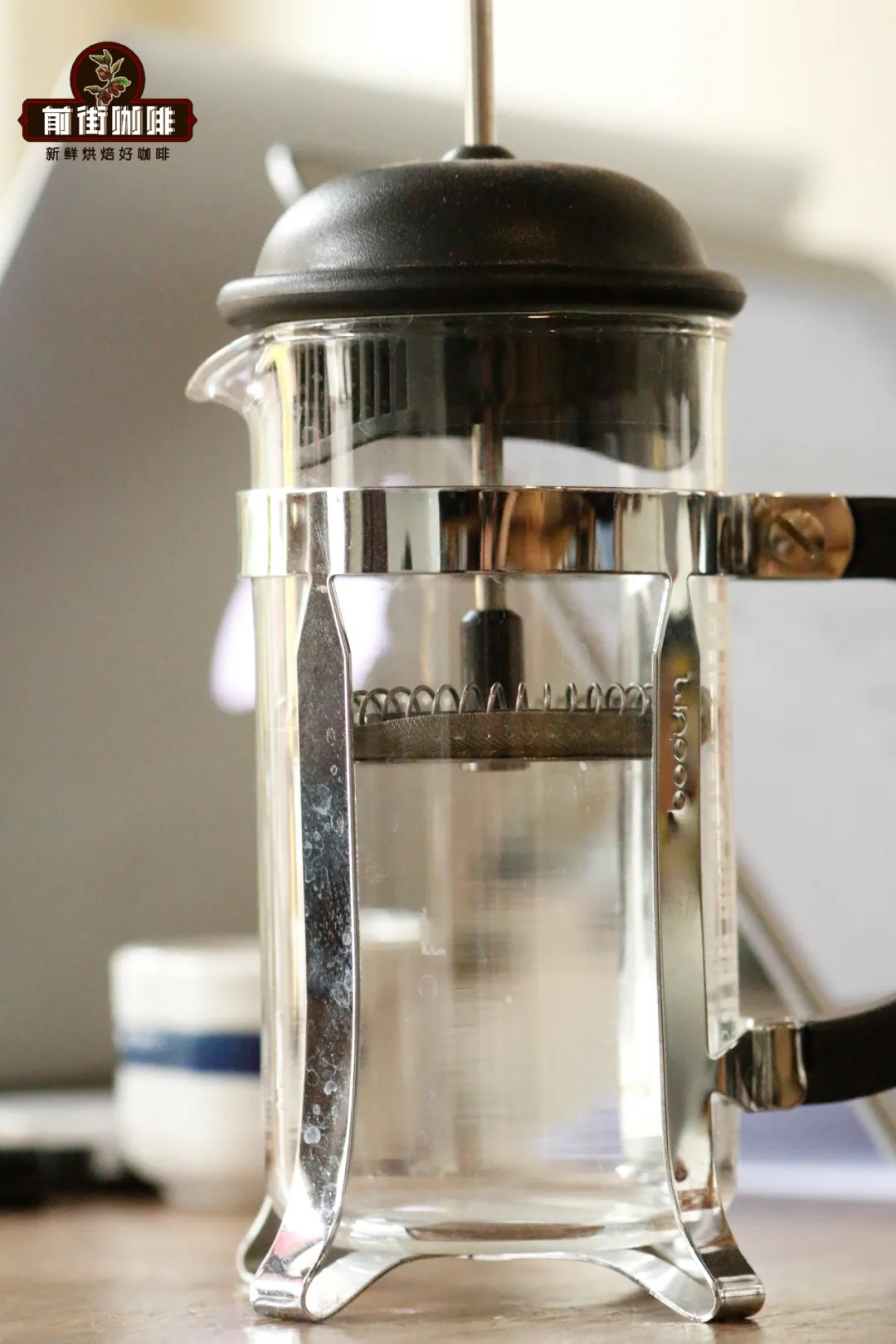
Brewing coffee with a French press is actually very simple, requiring just a few basic steps. First, the French press consists of a heat-resistant glass carafe and a metal filter. It’s recommended to preheat the device with hot water beforehand, which helps maintain brewing temperature stability.
It’s advised to grind the coffee beans to a coarseness similar to coarse sugar—approximately 70%–75% passing through a Chinese No. 20 standard sieve. This grind size effectively prevents over-extraction or excessive sediment. In terms of dosage, start with at least 15 grams and adjust according to personal taste. The suggested coffee-to-water ratio ranges from 1:13 to 1:16—that is, 15 grams of coffee to about 195–240 milliliters of hot water.
The ideal water temperature varies depending on the roast level. For light-to-medium roasted beans (which appear light brown to medium brown), it’s recommended to use water around 92°C. For dark roasted beans (dark brown), water around 88°C is advised to avoid over-extraction that might bring out woody or burnt bitter notes.
After pouring the water, don’t rush to press down the plunger. It’s recommended to let the coffee grounds steep for 3 minutes and 30 seconds to 4 minutes to allow full extraction. Light-to-medium roasts can be extended slightly to 4 minutes, while dark roasts are better off at 3 minutes and 30 seconds to avoid over-steeping, which could lead to flavor imbalance.
Once steeping is complete, gently and steadily press down the plunger. It’s also recommended to pour out all the coffee liquid at once to prevent residual grounds from releasing undesirable flavors that could affect the overall taste.
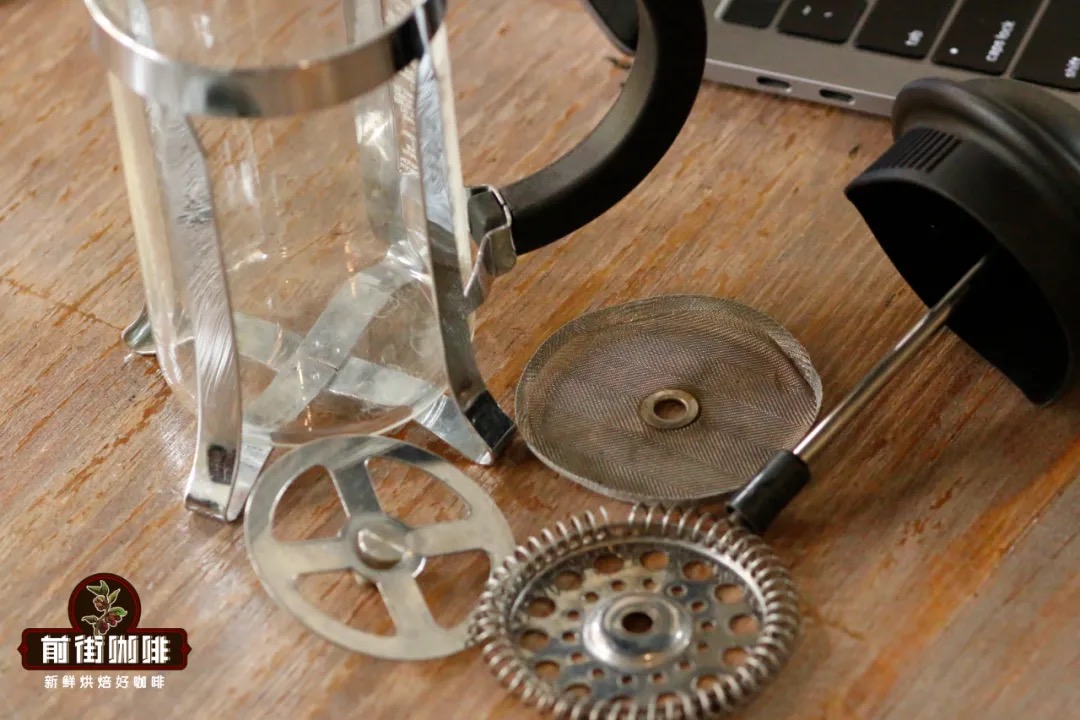
Finally, cleaning your French press after use is key. Because coffee oils are produced during brewing, it’s advisable to disassemble the metal filter and the carafe, clean them thoroughly with a neutral detergent, and ensure they are completely dry before storing to prevent odors or mold growth.
It’s worth noting that the presence of fine coffee grounds in French press coffee is actually one of the characteristics of this brewing method—you don’t need to worry too much. A moderate amount of fine sediment can add richness to the mouthfeel and is considered the “soul” that many coffee lovers enjoy.
The above content is compiled by CoffeeHunters, a coffee news website.


