







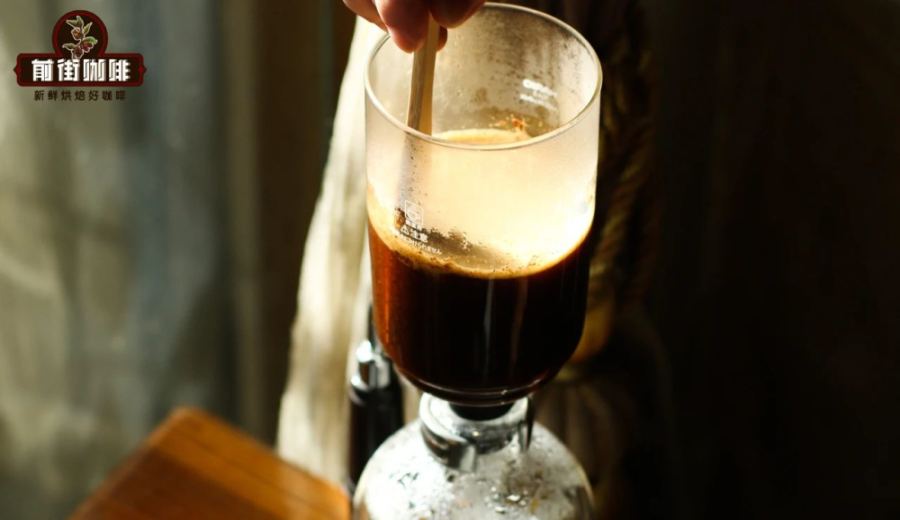
Introduction:The unique charm of making coffee with a siphon lies in the combination of precise control and scientific principles. However, many coffee enthusiasts often feel puzzled when it comes to choosing the right grind size in practice. This article delves into the structure and working principle of the siphon, and provides a detailed comparison of how different grind levels affect extraction flavor, mouthfeel, and aroma. It also offers practical advice and reference parameters to help you find the most suitable grind setting for your needs—whether you’re a beginner or an advanced user, there’s something to gain.
The siphon, also known as the siphon pot, is considered a classic brewing device by many coffee lovers due to its lab-like appearance and the unique siphoning principle driven by steam pressure difference. But in actual use, determining the right grind size often causes hesitation—too coarse may lead to under-extraction, while too fine can easily result in over-extraction. So how should one choose? This article will start with the basic structure of the siphon and explore in depth how different grind sizes actually affect coffee flavor, guiding you step-by-step to find the most suitable extraction parameters.
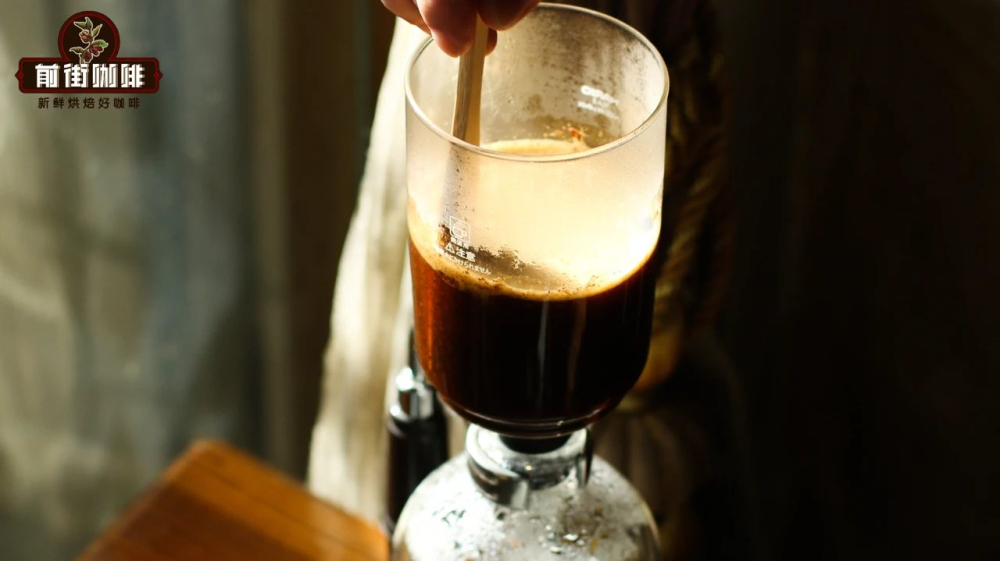
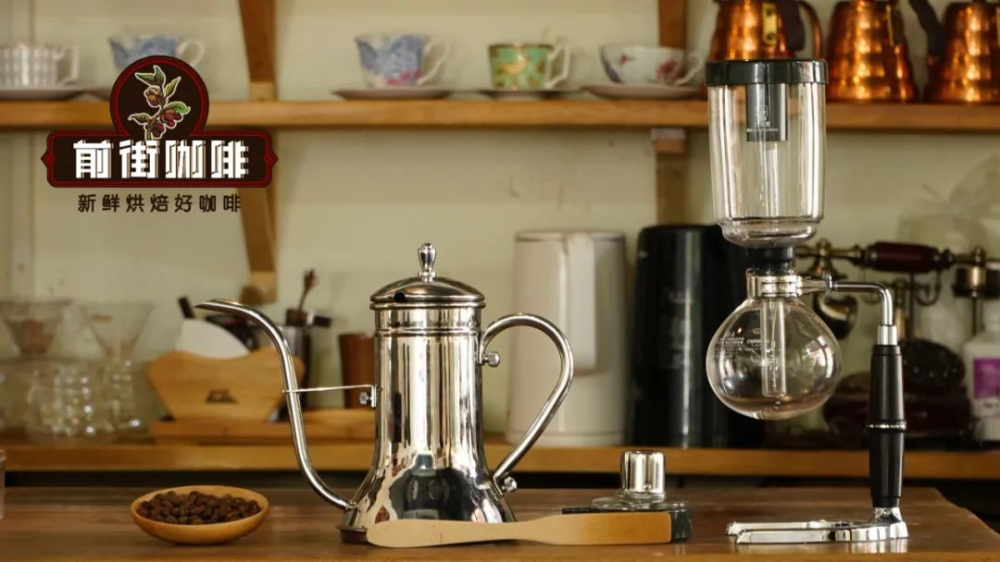
The core feature of the siphon lies in using the steam pressure generated by heating the lower chamber to draw water up into the upper chamber where it mixes with coffee grounds. Then, after turning off the heat, changes in pressure cause the coffee liquid to flow back down into the lower chamber, completing the extraction. This process not only brings the fun of a science experiment but also demands considerable precision in grind size, water temperature, and timing.
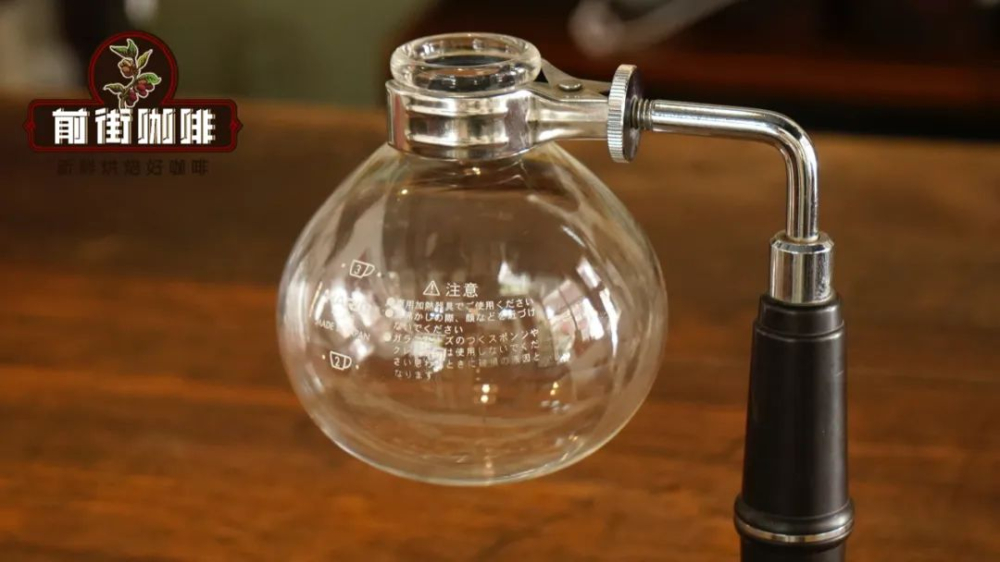
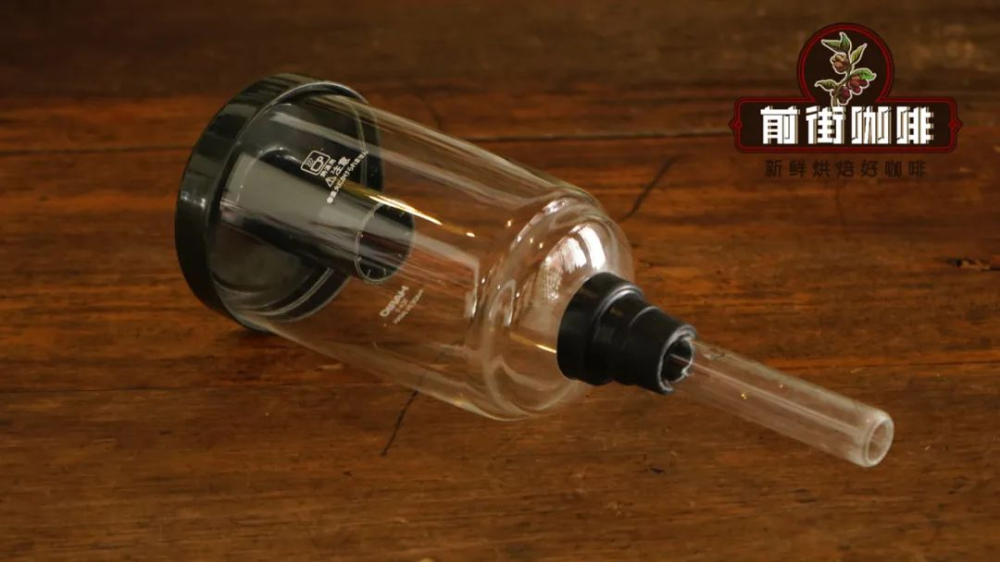
The siphon mainly consists of three key components:Upper chamber,Lower chamber, andStand. The lower chamber is typically spherical in design to ensure even heating; the upper chamber is cylindrical with a narrowed bottom connected to a slender siphon tube. The tube’s diameter gradually narrows from top to bottom and is sealed with a heat-resistant gasket to prevent air leakage, which could affect the siphoning effect. The stand holds the lower chamber firmly, ensuring the entire structure remains stable and doesn’t tilt or shake during heating.
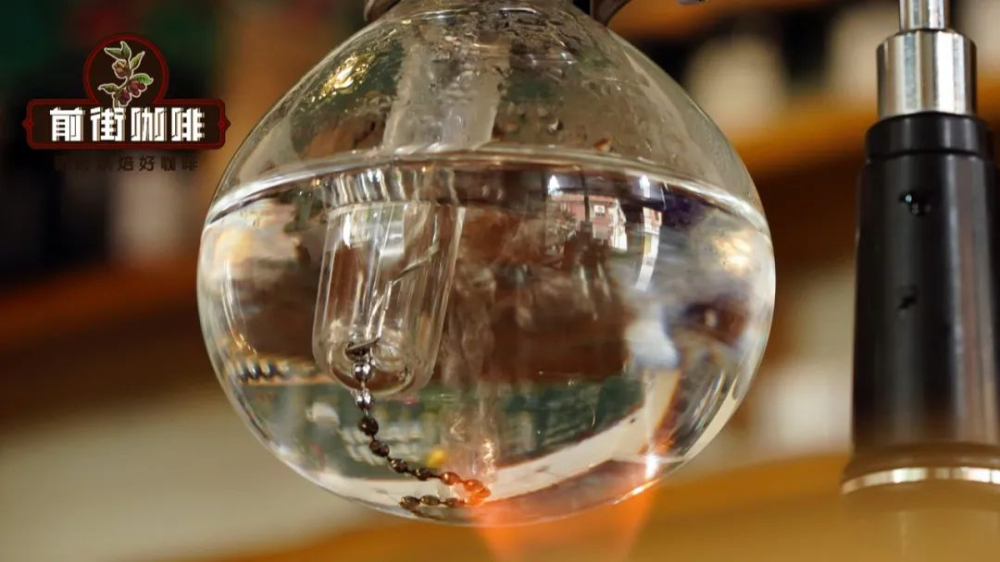
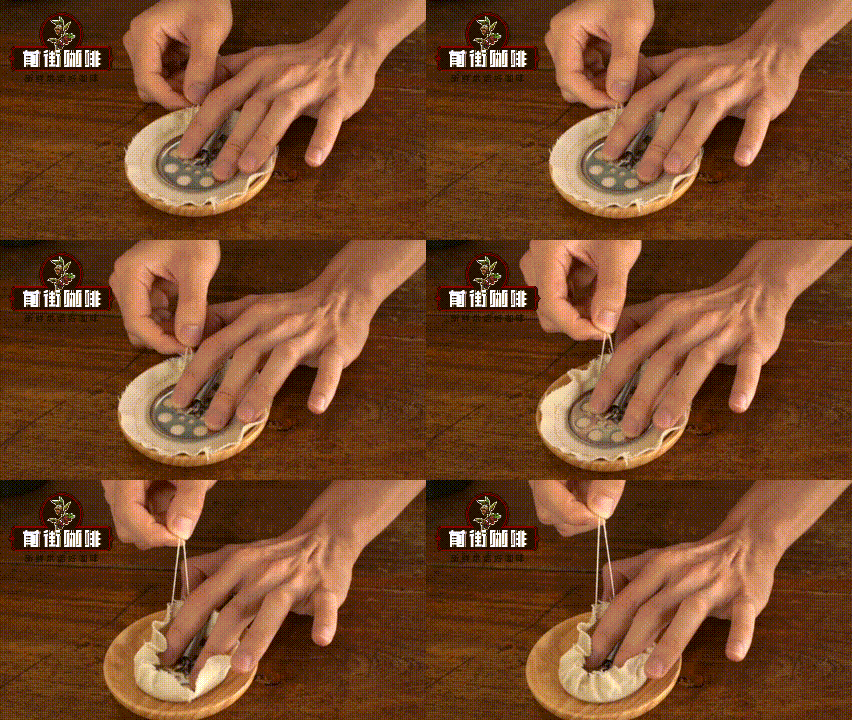
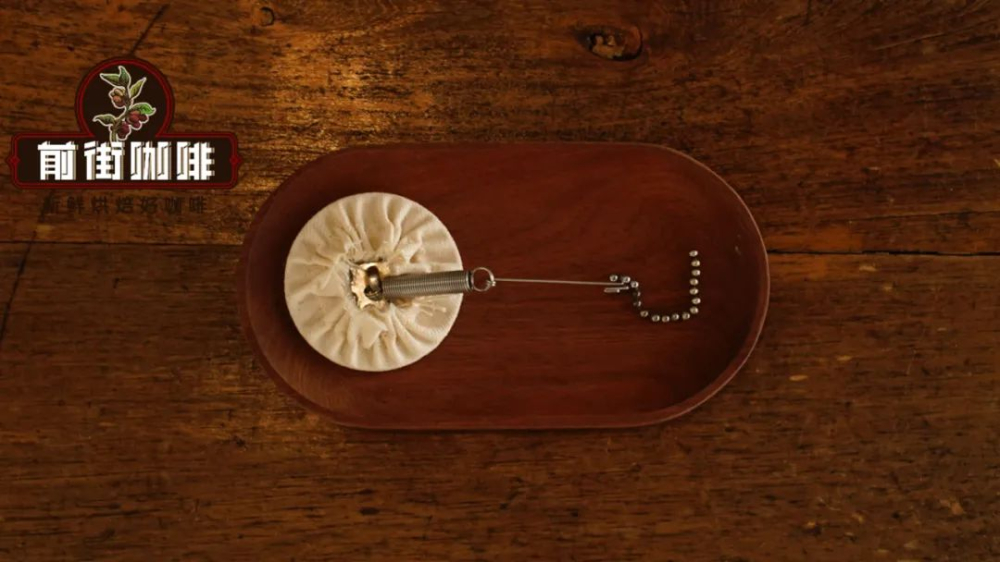
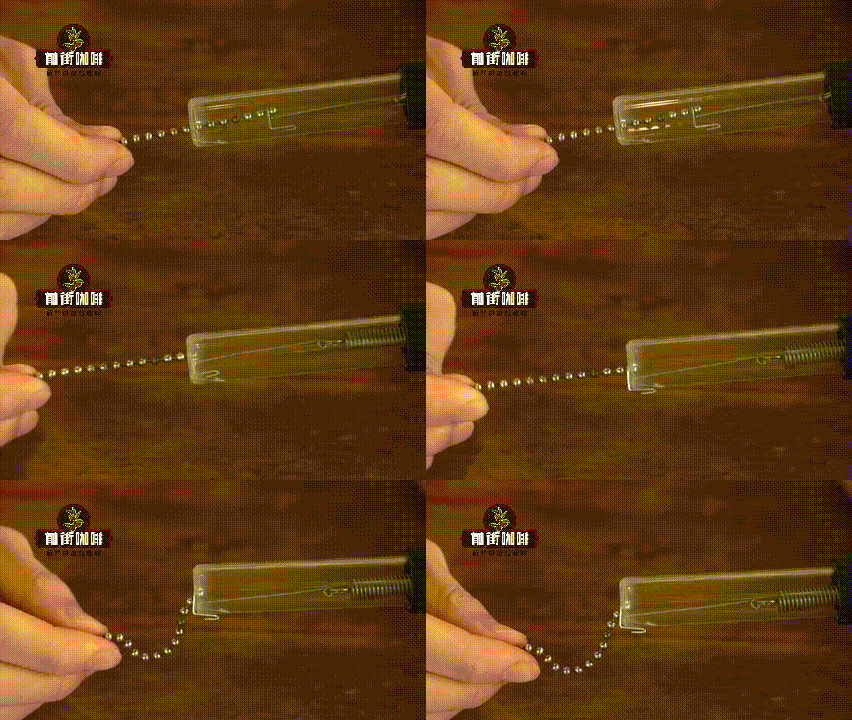
The filtration system is also a crucial part of the siphon. To avoid drinking a mouthful of coffee grounds, you need a reliable filter. A common setup consists of a circular metal filter plate paired with a spring chain, with a specialized flannel filter cloth wrapped around the plate. Before use, the filter cloth must be tightly wrapped around the filter plate, with wires pulled taut on both sides and tied securely. After trimming any excess wire, the entire filtration system is placed inside the upper chamber to ensure effective filtering.
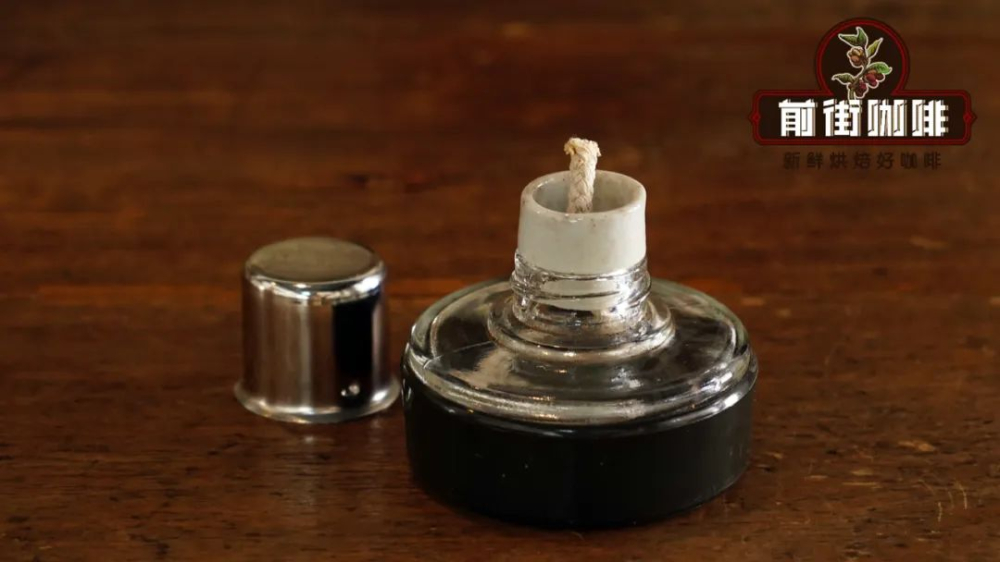
Before starting the extraction, make sure to thoroughly dry the inside of the lower chamber before placing it on the heat source. This step is extremely critical because a damp base can crack due to sudden temperature changes during heating, which may disrupt the entire extraction process or even pose a safety hazard.

Returning to the choice of grind size, the siphon generally recommends using a medium to medium-fine grind, roughly between a medium-fine pour over grind and a moka pot grind. If the grind is too coarse, the surface area of the coffee grounds in contact with water is insufficient, often leading to incomplete extraction, resulting in a thin flavor and possibly a noticeable rough or gritty sensation. Conversely, if the grind is too fine, water flows through more slowly, which can easily lead to over-extraction, causing the coffee to taste bitter, burnt, or even earthy.
In practice, it is recommended that beginners start with a medium grind (similar to the granularity of fine sugar), and then make gradual adjustments based on the actual extraction results (such as concentration, flavor layers, and mouthfeel smoothness). If you find the coffee is too light or lacks complexity, you can slightly adjust to a finer grind; if the mouthfeel is too heavy or there is a noticeable bitterness, you can make the grind slightly coarser.
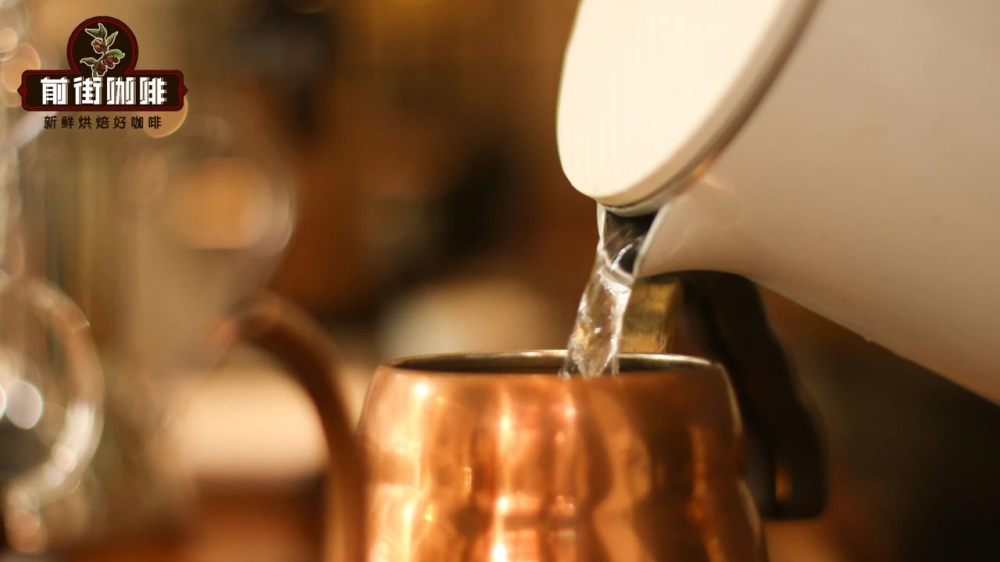
In addition, water temperature control is also closely related to grind size. It is generally recommended to use hot water at about 90–92°C. Excessively high water temperature combined with a too-fine grind can more easily lead to over-extraction; whereas if the water temperature is too low, you may need to appropriately adjust the grind size to maintain suitable extraction time and flavor release.
In summary, there is no absolute value for the grind size when using a siphon—it needs to be fine-tuned according to your specific equipment, coffee bean characteristics, and personal taste preferences. Through continuous experimentation and observation, you will gradually master the most suitable grind settings for yourself and enjoy the unique coffee experience that the siphon offers.
The above content is compiled by CoffeeHunters, a coffee news website.


