








Introduction:When you first try a light roast pour over coffee, the bright acidity often elicits mixed feelings of love and hesitation. This article delves into the sources of coffee acidity, from the organic acid composition of green beans to SCA cupping standards, helping you understand the key to achieving a balanced sweet and sour profile. We’ve also carefully selected four distinct single-origin light roast beans—including fruity Ethiopian Yirgacheffe and Kenyan beans, as well as sun-dried Ethiopian heirloom varieties—each showcasing clear fruit notes and moderate acidity, making them excellent choices for those new to pour over brewing.
Many beginners encountering light roast pour over coffee for the first time are either amazed or put off by its vivid acidity. This acidity can be as refreshing as freshly squeezed juice or as sharp as a sting that makes you frown. Where does coffee acidity come from? Why is some acidity pleasant while other types feel jarring? We’ll start with the organic acids in green beans and, combining professional cupping standards, explore the scientific principles and sensory experiences behind acidity formation.
Green coffee beans are naturally rich in a variety of organic acids, but during high-temperature roasting, most acids gradually break down or volatilize. Beans roasted to light-to-medium levels primarily retain chlorogenic acid, quinic acid, citric acid, malic acid, phosphoric acid, acetic acid, and lactic acid.It’s worth noting that chlorogenic acid is not water-soluble. While it doesn’t directly produce acidity, it can easily cause a dry, astringent sensation on the tongue.Quinic acid, a degradation product of chlorogenic acid, though non-volatile, contributes a bitter undertone.
So where does the bright acidity reminiscent of citrus or yogurt come from? According to the latest SCA cupping guidelines, these flavor associations actually stem from the overall sensory synergy triggered after acidity stimulates the taste buds. In other words, the pleasantness of acidity depends not just on pH levels, but also closely relates to sweetness, body, and aroma. For example, when coffee exhibits a crisp, apple-like acidity, it’s usually due to a harmonious balance of sweetness and fruitiness that evokes memories of fruit juice.
The key to evaluating a high-quality light roast coffee lies in its sweet and sour balance.The ideal flavor profile should feature bright fruit acidity as the main note, complemented by moderate sweetness and low bitterness.For beginners new to pour over brewing, it’s recommended to start with beans that have clear fruit characteristics—these are more likely to reveal captivating aromatic layers through proper extraction. Below are four uniquely styled, entry-level-friendly light roast single-origin beans:

1. Floral and Fruity Acidity – A Well-Known Coffee Brand’s Guodingding Coffee Beans
Grown at an altitude of 2,300 meters in Ethiopia’s Yirgacheffe region and processed using the washed method. The standout features of this bean are its intense citrus acidity, accompanied by blueberry fruit notes, honey sweetness, and a subtle green tea finish. It’s highly recommended to use a medium-fine grind and water at 90–92°C, employing a 2-minute segmented brewing method to perfectly highlight its layered fruity acidity.
2. Juicy Sweet-Tart – A Well-Known Coffee Brand’s Little Tomato Coffee Beans
Sourced from the Sidama region of Kenya at altitudes of 1,550–1,750 meters, using the SL28 and SL34 varieties, processed by the Asali Honey Factory with the K72 washed process. The most prominent traits of this bean are its rich cherry tomato and dark plum acidity, paired with pear flesh texture and brown sugar sweetness, with a unique plum-like tart-sweet finish. When brewing, ensure the coffee-to-water ratio stays below 1:15 to avoid over-extraction, which can make the acidity overly sharp.
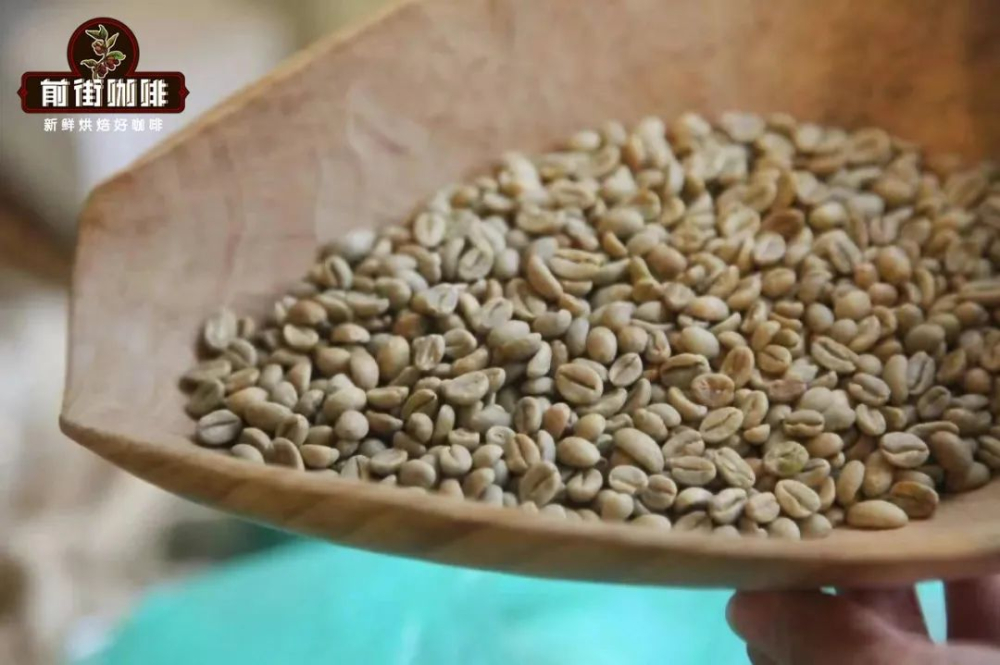
3. Berry Citrus – A Well-Known Coffee Brand’s Huakui Coffee Beans
Made from sun-dried Ethiopian heirloom beans grown at 2,300 meters in the Guji-Hambela region. This bean’s uniqueness lies in its creamy strawberry-like sweet-tart profile and gentle citrus notes, complemented by subtle floral aromas and the rounded body of black tea. It’s recommended to use a coarse grind and slightly lower water temperature (around 88–90°C), and to employ a long blooming phase (40–45 seconds) to awaken the rich berry aromas.
Now that you’ve grasped the mysteries of acidity in light roast coffee, why not start practicing with these four beans—each with distinct styles but all featuring clear fruit characteristics. Remember, high-quality light roast pour over shouldn’t deliver mere acidic jolts, but rather a holistic experience of sweet-acid harmony and layered aromas. By adjusting grind size, water temperature, and brew time, you’ll gradually discover each bean’s most captivating flavor balance.
The above content is compiled by CoffeeHunters, a coffee news website.


