







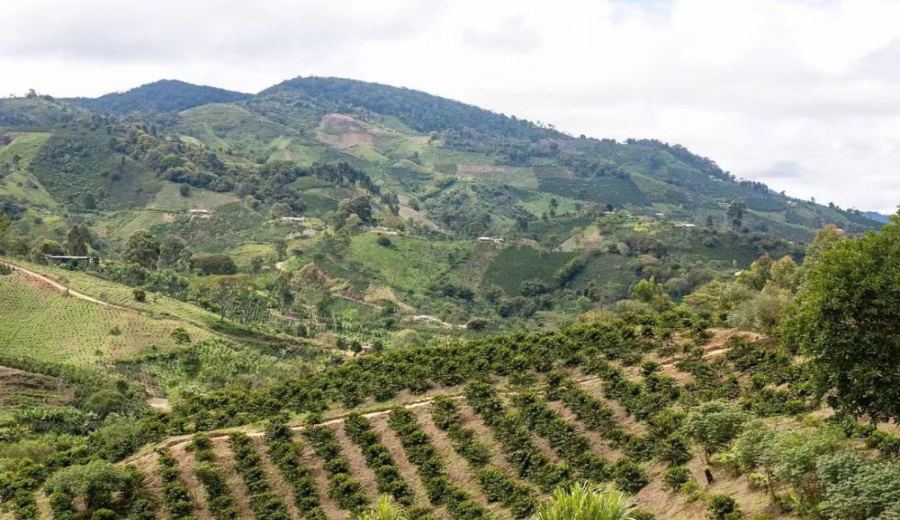
Introduction:An in-depth exploration of the rare Pink Bourbon coffee beans produced by the Isabel Estate in Huila, Colombia — from the origin of the variety, the semi-washed processing method, to the expert roasting profile. This piece will guide you through the flower-and-fruit notes and delicate flavors of this bean. It also provides tested V60 pour over parameters and brewing tips, perfect for coffee enthusiasts aiming to improve their extraction skills.
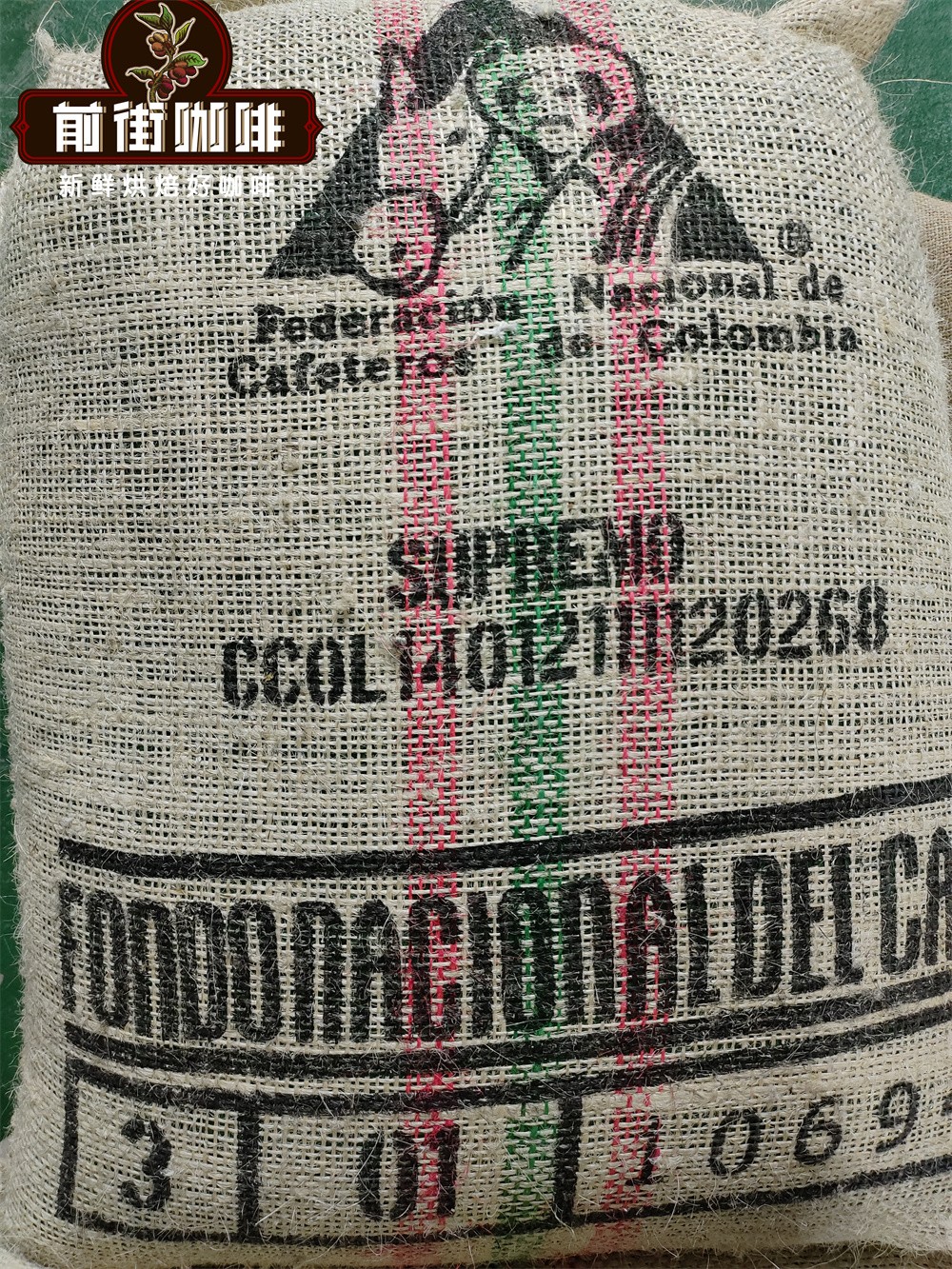
Colombia has long been the world’s third-largest coffee exporter and is renowned for cultivating high-quality Arabica. Its coffees are generally known for bright acidity and good balance. This article focuses on a rare Pink Bourbon from the Isabel Estate in Huila. This variety is a natural cross between Yellow Bourbon and Red Bourbon. Due to recessive genetic traits, it is difficult to propagate, making it a rare micro-lot product in the market.
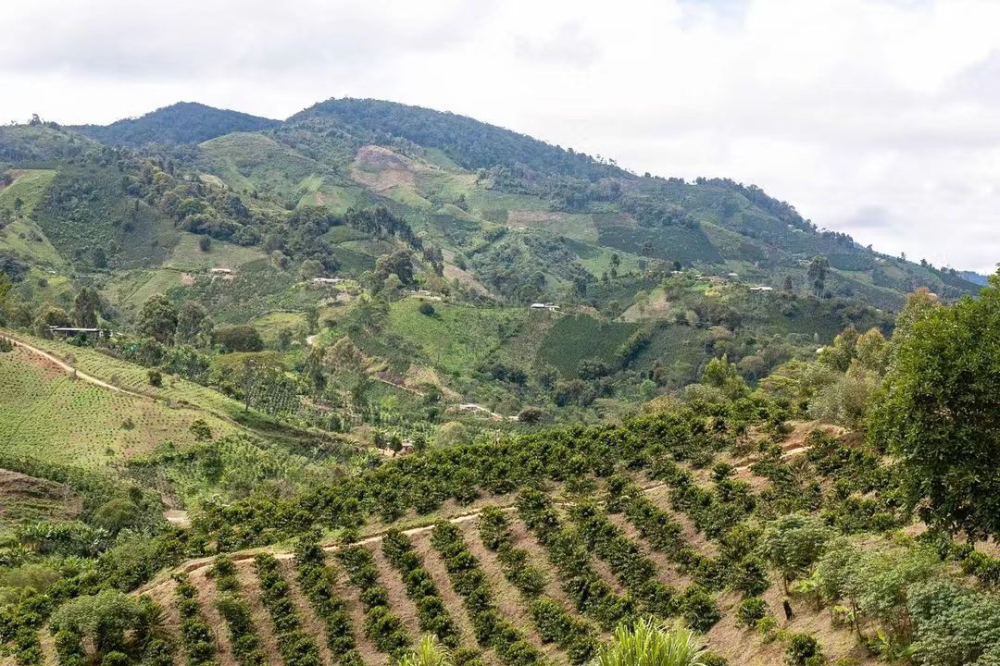
Colombia is traversed by three major north-south Cordillera mountain ranges, and its high-altitude regions foster diverse microclimates, allowing coffee harvesting throughout the year. Compared to Brazil, which is vulnerable to frost threats, Colombia’s unique geographical conditions enable stable coffee production. Of the country’s approximately 2.7 billion coffee trees, 66% are grown in modernized estates, while the rest are found in traditional smallholder farms, often showcasing unique regional characteristics.
This Pink Bourbon is grown in the hilly areas surrounded by mountains in the southern part of Huila, at an altitude exceeding 1,760 meters. The region is where several important rivers converge, with abundant moisture and complex terrain creating a special microclimate. Many smallholder micro-lot productions here often exhibit distinct regional characteristics. In recent years, Colombia’s specialty coffee scene has gradually shifted towards organizing micro-lot sales by micro-region, selecting high-quality smallholder products through rigorous cupping.
Pink Bourbon gets its name from its rare pink-colored coffee cherries. It was first discovered in the town of Palestine, Huila. As a natural hybrid of Yellow Bourbon and Red Bourbon, its genetic traits are recessively expressed, making offspring prone to trait segregation. Coupled with the potential genetic contamination from pollen of other dominant varieties, stable reproduction becomes even more challenging. It’s worth noting that Arabica coffee is mostly self-pollinating, which helps maintain the stable expression of recessive traits, so choosing an isolated cultivation environment is crucial.
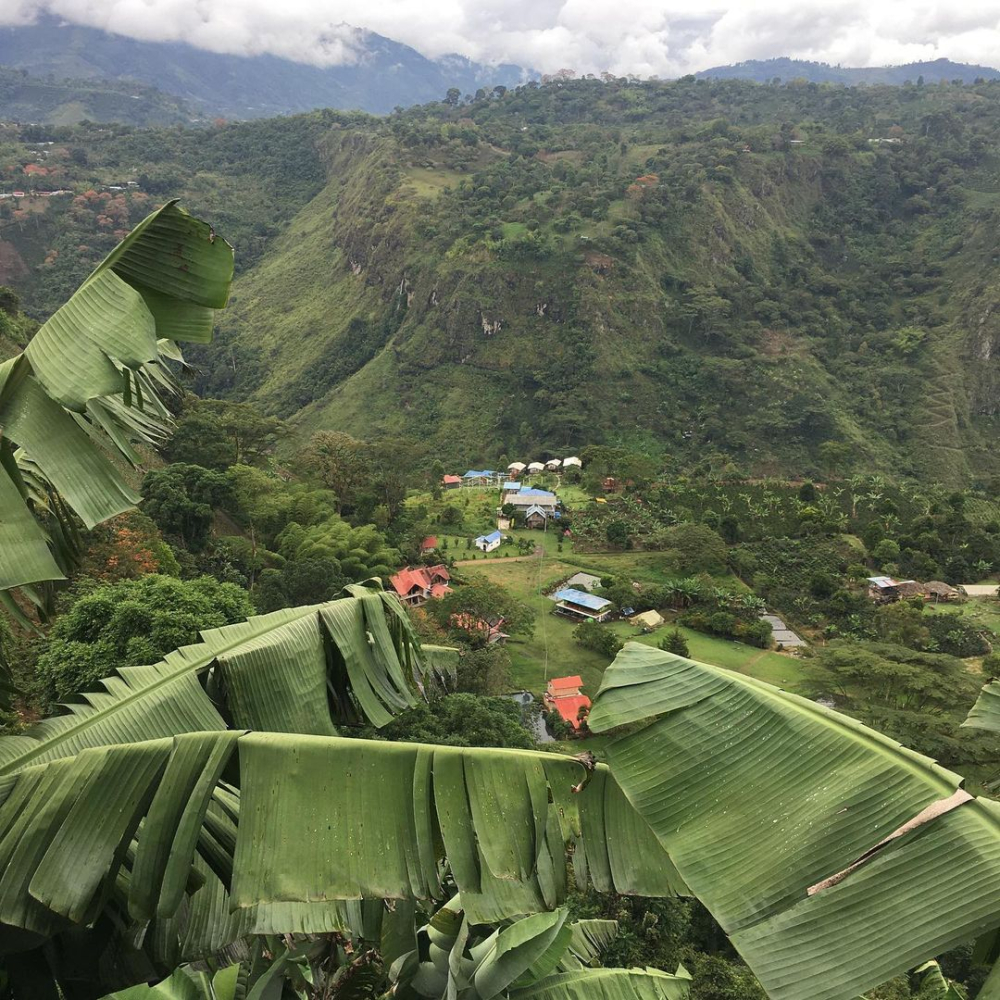
There are alternative academic theories about the origin of Pink Bourbon. Some studies suggest it may be a natural hybrid of the Colombia variety and Caturra. The Colombia variety, a key national promotion cultivar, though resistant to leaf rust and high-yielding, is often criticized for having a flat flavor. Caturra, an excellent mutation of Bourbon, brings superior cupping potential to this hybrid.
This coffee is processed using the semi-washed method. This technique involves removing the skin and pulp first, then gently stripping the mucilage layer mechanically, followed by controlled temperature drying. Compared to the traditional washed method, semi-washed can retain more fruity sugar-transformed flavors while reducing the risk of fermented notes. The processed beans combine the clarity of washed processing with the sweetness of natural processing. The acidity is bright yet not sharp, and the sweetness is particularly outstanding.
For roasting, it is recommended to use a light roast to highlight the floral and fruity notes. The roaster inlet temperature is set at 180°C, initial air damper at 3, and heat at 120. After the turn-around point, adjust the air damper to 4 to promote even dehydration. A critical turning point occurs when wrinkles appear on the bean surface (around 8 minutes and 17 seconds). Carefully monitor the first crack development phase, and finally drop the beans at 191.5°C to lock in the optimal flavor window.
Professional cupping data shows that under a grind size of 70%–75% passing through a #20 sieve and a brew ratio of 1:18.18, the coffee exhibits nutty dry aroma and creamy wet aroma. The flavor profile includes layers of citrus, white flowers, honey, and berries, with excellent acidity-to-sweetness balance. For extraction, it is recommended to use a V60 #01 filter, with water temperature controlled at 90–91°C, medium-fine grind (80% passing through a #20 sieve), and a 1:15 brew ratio. A three-stage pour can enhance flavor clarity.
In actual pour over practice, the first pour is 30 grams of water for a 30-second bloom to start extraction. Then, 95 grams and 100 grams of water are poured in separate stages, with a total brew time of about 2 minutes and 5 seconds. Under these parameters, the cup highlights citrus and berry acidity upon entry, gradually revealing honey sweetness and floral aftertaste as the temperature drops. The overall mouthfeel is smooth, with a clean and long-lasting finish.
The above content is compiled by CoffeeHunters, a coffee news website.


