







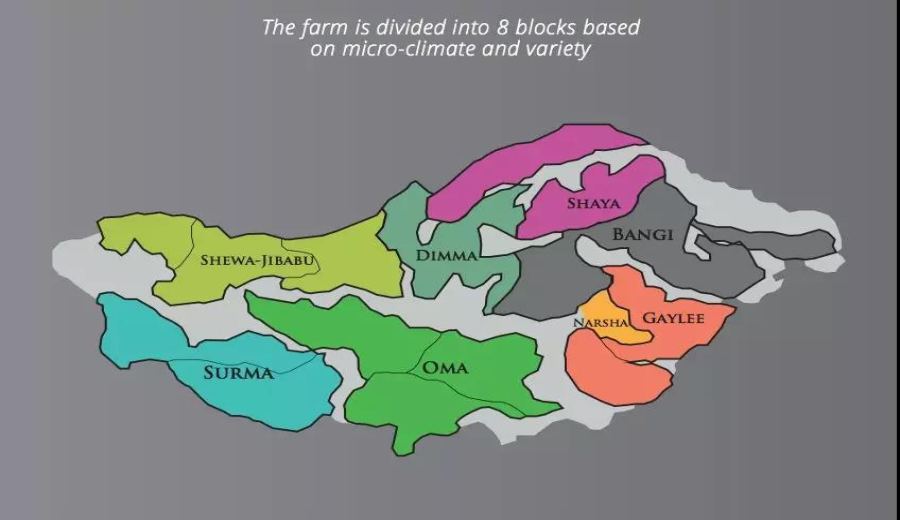
Introduction:An in-depth analysis of the flavor differences among the four main grades of coffee beans from Ethiopia's Gesha Village, from the details of the champion-producing region to brewing recommendations for the auction-grade Gold Label beans. This article covers altitude background, variety characteristics, processing methods, and pour over parameters, making it ideal for coffee enthusiasts and beginners who want to understand the unique profiles of each Gesha Village batch.
Located on the southwestern border of Ethiopia, adjacent to Sudan, Gesha Village draws its name from the local Surma nomadic people. The entire estate spans highlands at altitudes between 1909 and 2063 meters, with Gesha 1931 as the primary cultivated variety. Coffees from this area often exhibit delicate floral aromas such as jasmine and light red rose, accompanied by fruity notes like strawberry, ripe watermelon, and apple, with a soft yet distinct spicy finish. The overall flavor profile is intricate and nuanced with rich variation.
Inspired by the commercial operations of Panama’s Gesha region, the brand has categorized its products into four grades: Gold Label, Red Label, Green Label, and Chaka, allowing consumers to choose based on their needs and budget. This article will detail the regional background, flavor characteristics, and market positioning of each grade, and specifically provide a pour over recommendation for the Gold Label Gesha purchased by a certain shop, including filter choice, water temperature settings, brew ratio, and three-stage pouring techniques—so you can brew Gesha-quality coffee at home that rivals auction-grade beans.
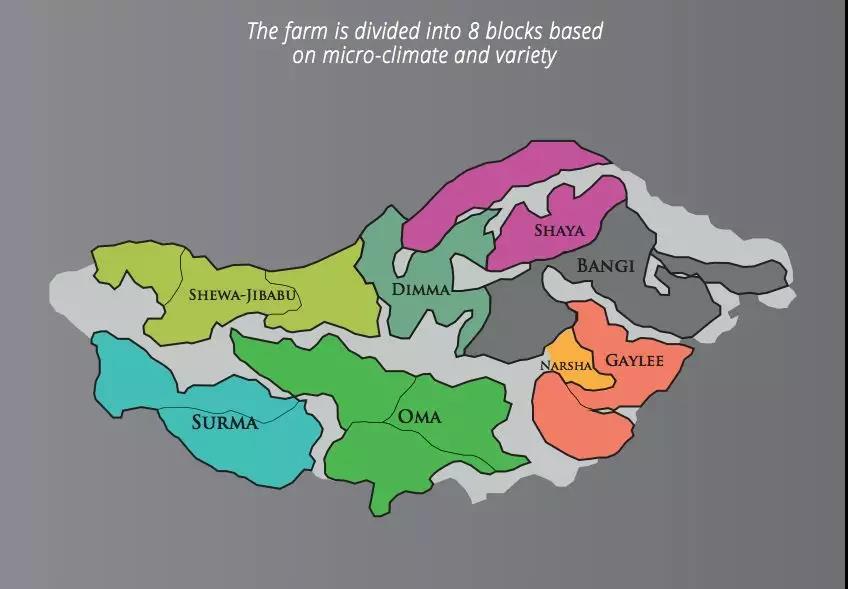
The core producing area of Gesha Village, Surma, features a stunning canyon terrain, with altitudes ranging between 1909 and 2063 meters and covering a total area of about 46 hectares. It focuses solely on cultivating the Gesha 1931 single variety. The aroma profile of coffees from this area tends to be soft, often showcasing perfumy, jasmine, and light red rose fragrances, with fruit notes including strawberry, ripe watermelon, and apple, and a refined spicy finish. Cupping data shows that the average score of champion batches here reaches as high as 90.96, indicating tremendous quality potential.
In recent years, both the auction beans and various grade products from Gesha Village have seen significant improvements in overall quality—not only has production increased, but flavors have also become clearer and more robust. This is partly due to the dry weather during post-harvest processing, which is especially conducive to the full development of flavors in natural-processed beans. Expert Willem Boot noted that this year’s auction lots were selected from over 2500 strict samples, with breakthroughs in both flavor intensity and clarity, making it an exceptionally high-quality year.
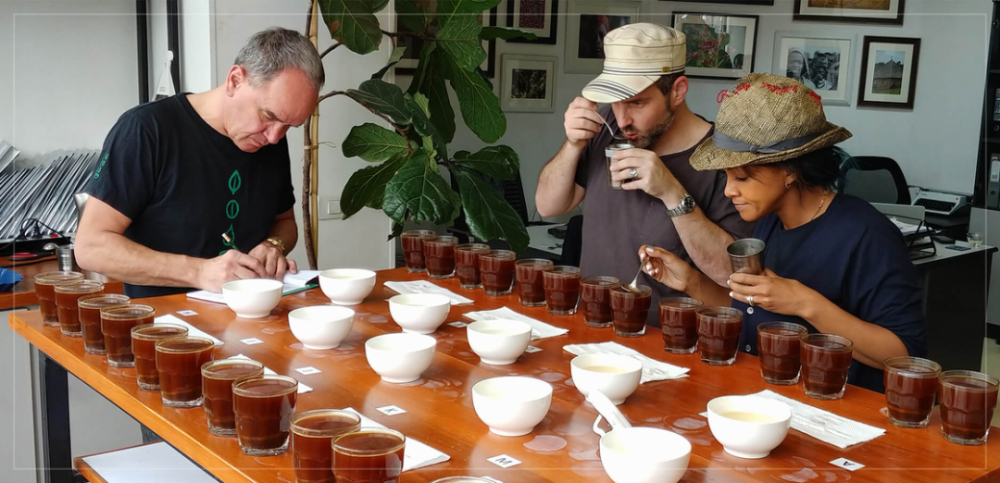
Gold Label BatchRepresents the brand’s top-tier product, accounting for only 10% of annual production and considered auction-grade, commonly used by international competition competitors and high-end roasters. For instance, in the 2018 WBC World Barista Championship in the Netherlands, both the Australian and Japanese champions chose this batch for their competitions. Gold Label beans come with complete traceability information and offer a complex, well-layered flavor profile—making them the highest-quality option outside of auction beans. The Gold Label Gesha used in this article comes from Batch Om 059, produced at the brand’s Oma plot in the Bench Maji region, at altitudes between 1900 and 2040 meters, with the Gesha 1931 variety, processed naturally, and presenting delicate flavors of citrus, lemon, tropical fruits, cream, nuts, and tea.
Red Label BatchAccounts for 15% of the brand’s total production and also offers full traceability. Its cupping score must reach 88 or above on the SCA scoring system. The flavor profile aligns with the brand’s classic style, though overall intensity and complexity are slightly lower than Gold Label. This grade offers excellent value for money and is suitable for coffee lovers who want to experience the characteristics of Gesha without a high budget. The Red Label Gesha supplied by a certain shop comes from the Bench Maji region, at altitudes of 1909 to 2069 meters, with the Gori Gesha variety, and after natural processing, exhibits rich aromas of coconut, licorice, cream, chocolate, toffee, citrus, almond, and strawberry.
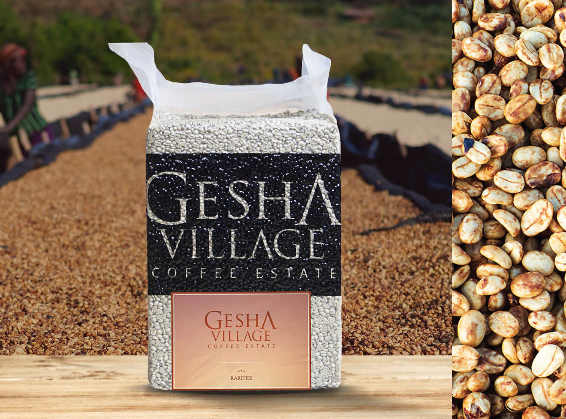
Green Label BatchOfficially named SINGLE-TERROIR (single terroir/single plot), each batch number can be traced back to a specific farm, with information including the producing region, variety, and processing date—demonstrating the brand’s respect for origin terroir. Although this series is not yet listed by a certain shop, according to available data, Green Label is produced in the Bench Maji region, at altitudes of 1911 to 2001 meters, with the Gori Gesha variety, naturally processed, and features flavors such as citrus, cherries, berries, honey, and fermentation notes. It’s suitable for those who enjoy strong fruitiness with unique fermented undertones.
Chaka BatchIs a blend launched by the brand, combining Gori Gesha, Gesha 1931, and the Ethiopian native disease-resistant variety Illubabor, showcasing balanced and layered flavors through a diverse varietal mix. The Chaka Gesha supplied by a certain shop comes from the Bench Maji region, at altitudes of 1909 to 2069 meters, also naturally processed, with flavors presenting a harmonious combination of citrus, grapefruit, cream, and chocolate-caramel—suitable for consumers who prefer a well-rounded flavor profile.
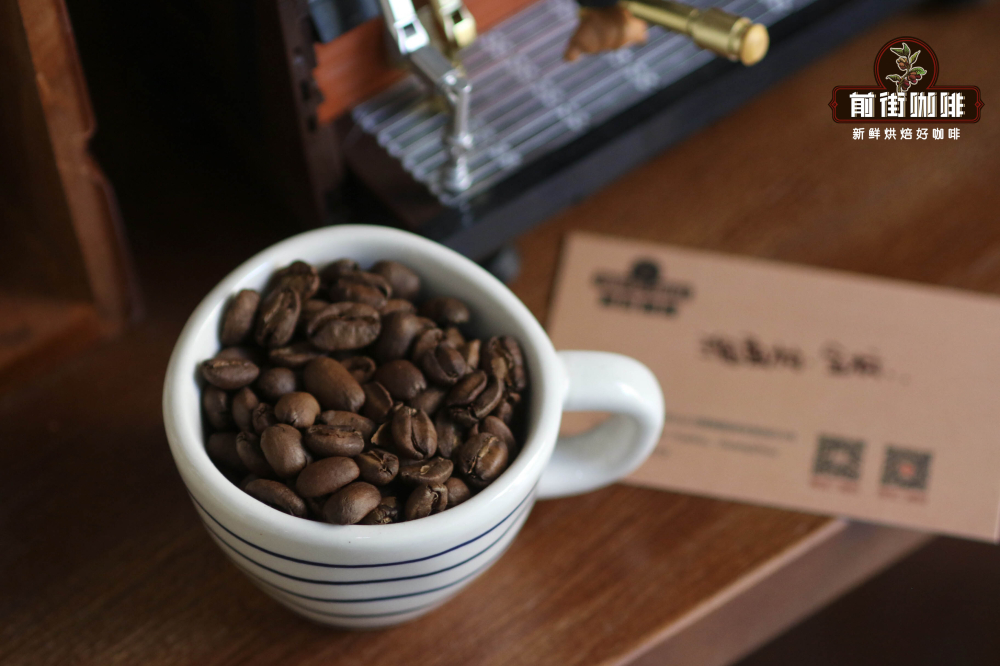
For theGold Label Gesha pour over recommendationby a certain shop, it is recommended to use a V60 filter, with water temperature set to 91°C, a coffee dose of 15 grams, a brew ratio of 1:15, and grind size controlled to approximately 80%passing through a standard #20 sieve—to ensure moderate extraction speed and flavor expression. After roasting, the beans require 4 to 7 days of degassing and resting before entering their optimal flavor window. It is recommended that consumers choose freshly roasted products to enjoy the most vibrant aromas and layered profiles.
For actual pour over, it is suggested to use a three-stage pouring method: first pour 30 gramsof water for a 30-second bloom; then pour 1 minute(total weight on the scale showing around 95 gramsof water within approximately 125 grams); when the water level drops to the coffee bed 2/3 , pour the remaining 100 gramsof water (total weight showing around 225 grams), completing pouring in about 1 minute and 35 seconds; total drip time is around 2 minutes and 10 seconds, after which remove the filter to finish extraction. Note that brew ratio and water temperature control are key factors affecting extraction efficiency and flavor expression. Beginners may adjust parameters slightly based on their actual equipment to achieve the desired taste.
The above content is compiled by CoffeeHunters, a coffee news website.


