







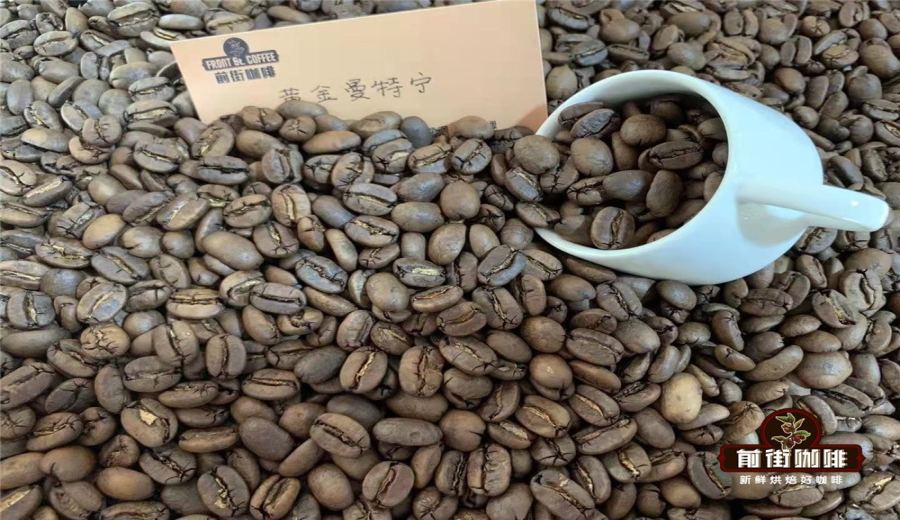
Introduction:The Sumatran wet-hulled process gives Mandheling its unique low acidity, full body, and herbal-spicy profile. This article delves into its processing steps, regional variations, and offers practical KONO filter cup three-stage pour over parameters to help you master the brewing essentials of this classic coffee, allowing you to experience its layered charm of chocolate and nut notes.
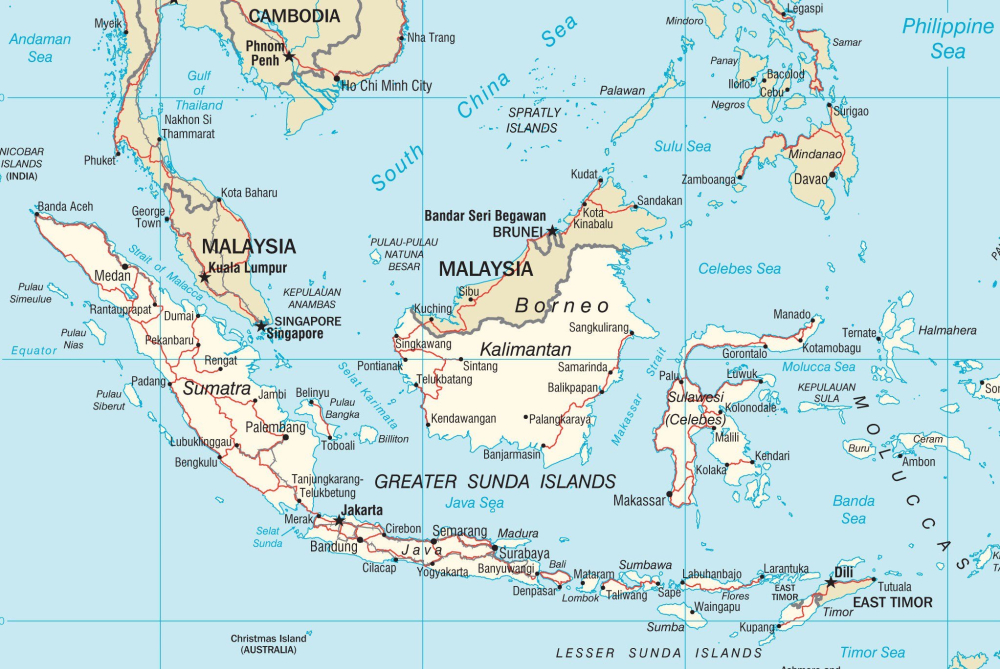
Located near the equator, Indonesia’s Sumatra experiences year-round high temperatures and heavy rainfall, with limited stable sunlight, making traditional sun-dried or washed processing methods difficult to employ. To adapt to the humid and changeable climate, local coffee farmers innovatively adopted the wet-hulled method — removing the parchment layer while the coffee beans still have high moisture content, thereby accelerating the drying process. This special technique results in Mandheling coffee’s signature low acidity, full body, and distinctive herbal, spicy, and piney aromas, making it one of the representatives of fine Asian specialty coffee.
The wet-hulled process consists of four key steps. First, ripe coffee cherries are harvested and undergo flotation to remove unripe fruits and impurities. Then, a pulper removes the fruit flesh and outer skin, leaving the mucilage layer intact, which is briefly fermented to break down the mucilage. After initial washing, the parchment-covered beans are sun-dried for 1 to 2 days until their moisture content drops to 30–50%. Finally, a specialized machine removes the parchment and inner skin, followed by a second drying phase until the moisture level is reduced to 12–13%, completing the entire process.
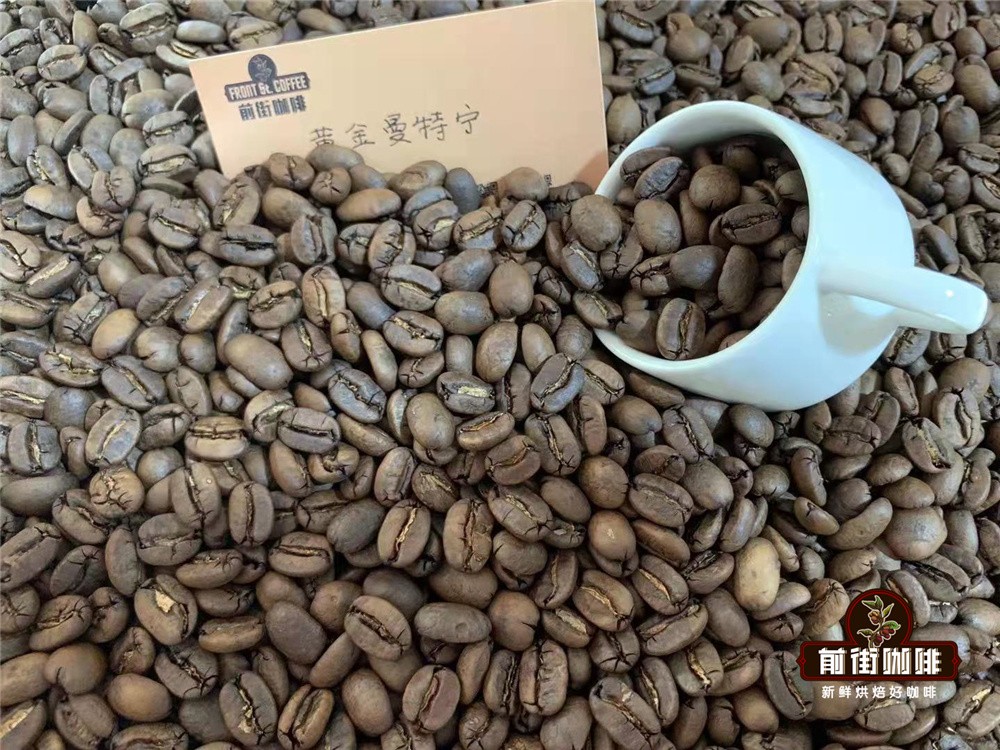
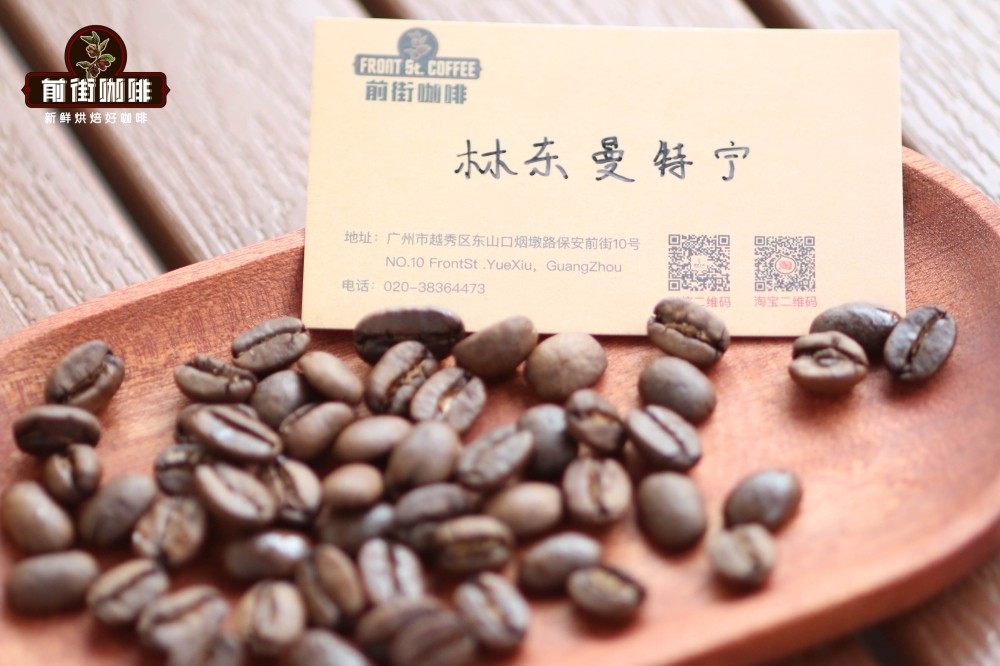
This unique method gives Mandheling coffee an exceptionally rich and thick mouthfeel. Compared to typical sun-dried or washed beans, it has noticeably lower acidity but offers the sweetness and aftertaste reminiscent of dark chocolate and caramel. However, because the beans are still semi-hard and semi-soft during processing, they are prone to damage during mechanical hulling, resulting in the characteristic “elephant foot” cracks. Although not a defect, this is one of Mandheling’s notable visual features.
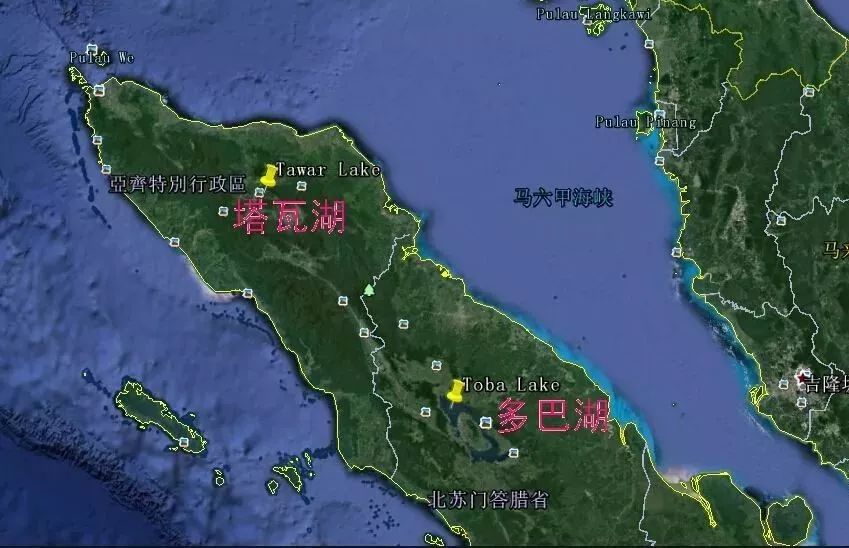
Mandheling is primarily grown in northern Sumatra’s Aceh region (around Lake Tawar) and southern areas such as Lintong and the Lake Toba vicinity, with Lintong regarded as the core producing area. Lintong Mandheling usually employs conventional Ateng or TimTim varieties, processed via standard wet-hulling, and is characterized by low acidity and a full body, suiting coffee lovers who prefer intense flavors. Indonesian Mandheling everyday beans come from this region, offering balanced notes of herbs, chocolate, and caramel.
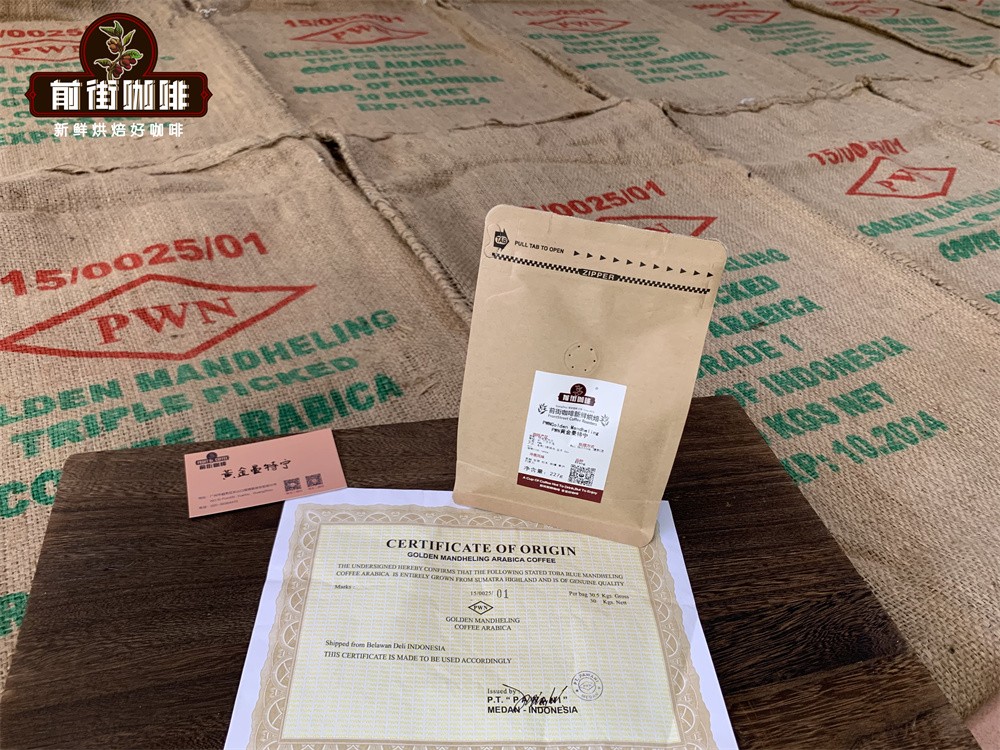
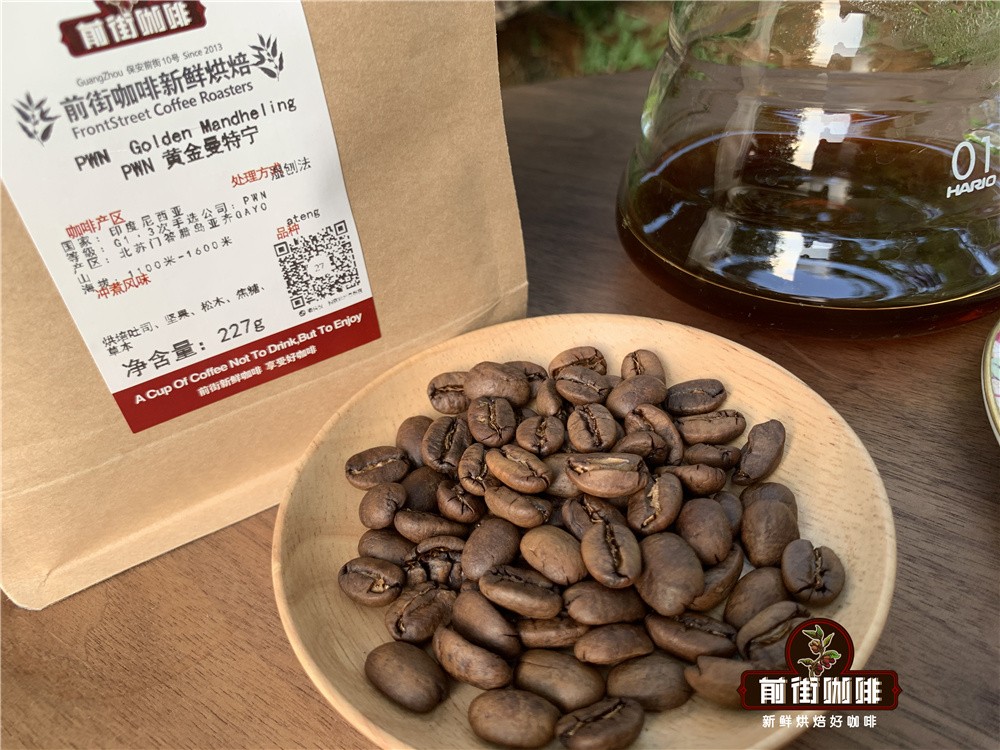
Compared to regular Lintong Mandheling, Golden Mandheling undergoes stricter quality screening, using only Typica variety beans with a size of 18 mesh or larger, fewer than 3 defects (in a 300g sample), and classified as the highest grade G1. Its appearance features deep green, uniformly shaped flat beans, mostly processed and purchased by the Indonesian company Pwani Coffee Company, hence also considered the “authentic” source of Golden Mandheling. This coffee not only eliminates the earthy off-flavors common in regular Mandheling, but also presents a cleaner, brighter mouthfeel and stronger sweetness, with sweetness, spice, and body layers distinctly superior to conventional Mandheling, which also explains its higher price.
In terms of processing, the wet-hulled method differs significantly from the washed method. The washed method retains the mucilage for fermentation, then washes away residual mucilage with clean water, followed by direct sun drying, with the beans stored together with the parchment. In contrast, although the wet-hulled method also starts with water fermentation, the parchment and inner skin are removed during the semi-dry stage, followed by subsequent drying, so that the beans are already in a “naked” state when stored. This process gives Mandheling coffee one of the fullest bodies among specialty coffees — rich and intense in flavor, low in acidity, and featuring the smooth sweetness of dark chocolate and caramel, with a long-lasting and multi-layered aftertaste.
It’s worth noting that due to the high moisture content and relatively soft texture of the beans during processing, the hulling can easily cause pressure marks, forming the so-called “elephant foot” cracks, commonly referred to as “elephant foot beans.” This phenomenon is a typical visual feature of the wet-hulled method and not a quality defect, so consumers need not be overly concerned when selecting.
The main cultivated varieties of Mandheling include Timor (abbreviated as TimTim) and Catimor (abbreviated as Ateng). The former has Robusta lineage, while the latter is a hybrid of Caturra and Timor. These two varieties combine Arabica flavor characteristics with Robusta’s disease and pest resistance, making them well-suited to Sumatra’s humid and hot environment. Although predominantly Arabica, they still cannot completely eliminate the muted tones of Robusta. Coupled with the special processing of the wet-hulled method, they ultimately shape the intense, low-acid Sumatran flavor profile of herbs, spices, and cocoa.
For brewing Mandheling, it’s recommended to use a KONO filter cup for pour over to fully bring out its full body and low acidity characteristics. Specific parameter settings are as follows: water temperature 88°C,coffee-to-water ratio 1:15(suggested 15g of coffee grounds, total water volume 225g), grind size based on 75% passing rate through a #20 standard sieve , using a three-stage extraction. First, add double the amount of water (approximately 30g of water) for a 30-second bloomto allow the coffee grounds to release CO2 and ensure stable subsequent extraction; then pour water in small circles until 125g the first segment 225g , then continue pouring until 2 minutes. Finally, swirl the coffee liquid and pour it into the cup for tasting to better appreciate its layered flavors.
Lintong Mandheling features a flavor profile dominated by herbs, chocolate, and caramel, with an overall balanced mouthfeel; whereas Golden Mandheling showcases more complex aromas of nuts, spices, herbs, licorice, chocolate, and caramel, with more pronounced sweetness and clarity, ideal for savoring the wild yet full-bodied spice notes.
For the best flavor experience, it’s recommended to choose freshly roasted coffee beans within 5 daysof roasting, and consume them after a 4 to 7 dayresting period upon receipt, when the flavors are at their peak. If grinding is needed, it’s advised to grind just before brewing to avoid oxidation affecting the aroma. Once ground, although no additional resting is required, the coffee powder should be used as soon as possible to prevent rapid aroma loss. For both novice and advanced coffee enthusiasts, understanding the interplay between processing methods and brewing parameters will help more accurately unlock each bean’s potential and explore the multi-layered charm of Sumatran Mandheling.
The above content is compiled by CoffeeHunters, a coffee news website.


