







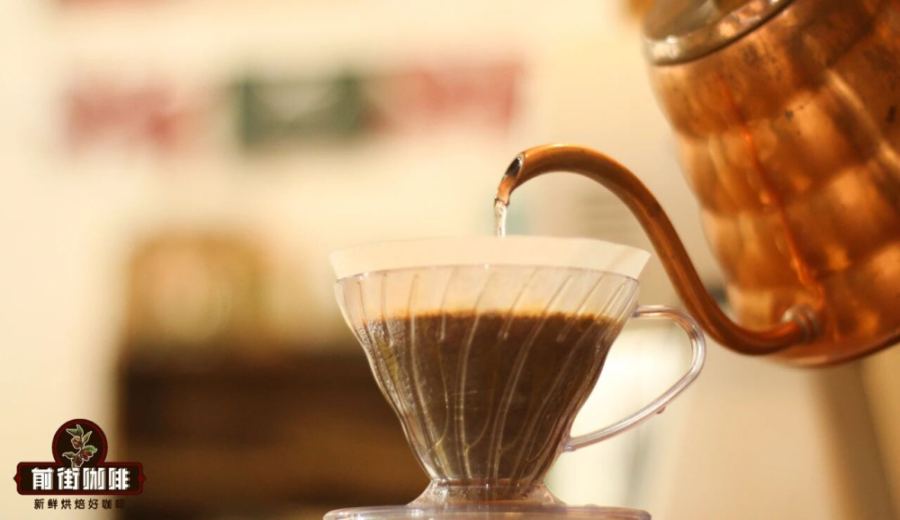
Introduction:Want to master stable and delicious pour over coffee? Learn the scientific reasoning and practical application of a 1:15 coffee-to-water ratio, and understand how three-stage pouring affects extraction flavor. This article deeply analyzes the logic behind water temperature, grind size, and pouring rhythm, guiding you from theory to practice for precise control over every drop of coffee’s flavor expression.
One key to pour over coffee lies in setting the coffee-to-water ratio. What kind of ratio can bring out the best flavors of coffee? Many coffee enthusiasts often hear the number 1:15 — it’s not only a choice long practiced by many professional shops, but also backed by scientific reasoning and practical testing. This ratio balances extraction stability and flavor balance, making it especially suitable for everyday use.
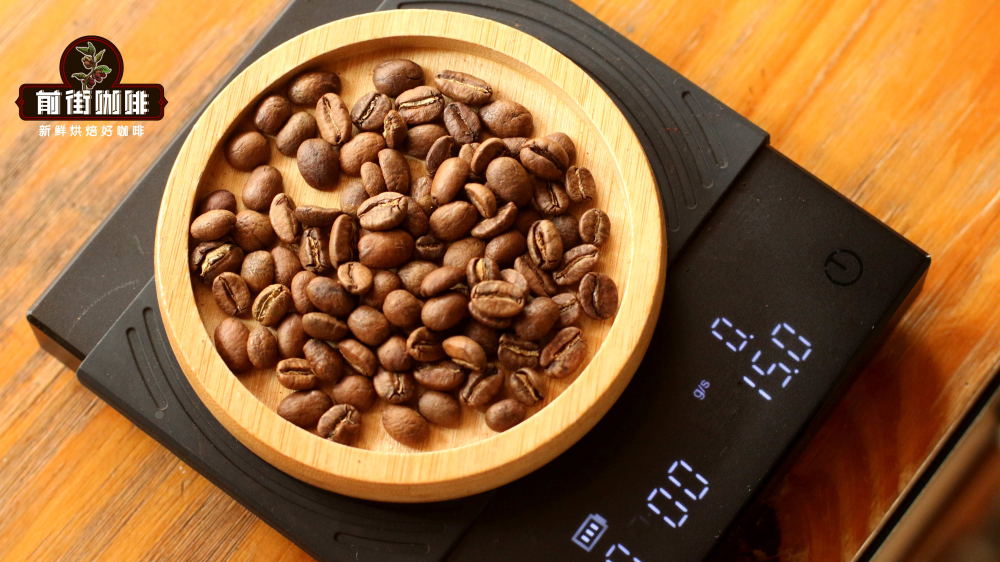
First, we need to clarify a common misunderstanding: the coffee-to-water ratio is not the same as the water-to-coffee ratio. For example, using 15 grams of coffee grounds with 225 milliliters of water is a typical 1:15 coffee-to-water ratio, meaning each 1 gram of coffee grounds corresponds to 15 milliliters of water. If referred to inversely as a 1:15 water-to-coffee ratio, it could cause confusion — it should actually be expressed as a water-to-coffee ratio of 15:1 or a coffee-to-water ratio of 1:15. Correctly understanding this ratio is the first step toward precise extraction.
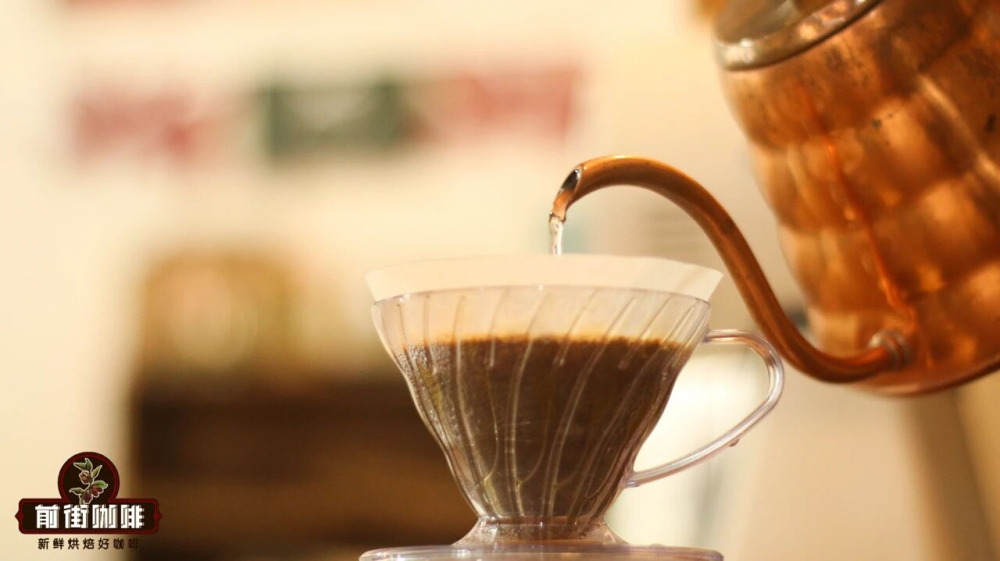
So, does the final amount of brewed coffee liquid really also end up being 1:15 when using a 1:15 coffee-to-water ratio? Actually, no. Although the total amount of water poured is 225 milliliters, because the coffee grounds absorb about twice their own weight in water during the blooming phase — around 30 milliliters — the final amount of coffee that drips into the server is only about 195 milliliters, which actually corresponds to a ratio closer to 1:13. This point is very important for precisely controlling concentration and flavor.
Why do many people still insist on using 1:15? It has to do with the Golden Cup extraction theory. According to the SCA (Specialty Coffee Association) Golden Cup standard, the ideal extraction yield should be between 18%–22%, and the concentration should fall between 1.15%–1.45%. Theoretically, a 1:17 ratio would more easily fall within this ideal range, but in actual practice, the 1:15 ratio performs more stably, especially for most light to medium roasted coffee beans.
Many baristas have found that when the coffee-to-water ratio is expanded to 1:18, although the concentration and extraction yield still meet the Golden Cup standards, it can easily produce unpleasant off-flavors — the concentration may be sufficient, but the overall flavor may become unbalanced. A 1:16 ratio might have brighter flavors, but for some medium to dark roasted beans, it can seem thin and fail to present the desired body. In comparison, 1:15 can, in most cases, deliver balanced and mild flavors — neither too over-extracted nor under-extracted — making it a more conservative and highly compatible choice.
It’s worth mentioning that the Golden Cup extraction parameters are primarily based on immersion brewing methods (such as cupping), whereas pour over is a drip filtration method where water continuously passes through the coffee bed, resulting in higher actual extraction efficiency. Therefore, using a slightly smaller coffee-to-water ratio in pour over helps control extraction time and flavor release more precisely — this explains why 1:15 is so widely favored in practice.
So, how can you specifically operate to bring out the advantages of the 1:15 coffee-to-water ratio? The three-stage pouring method is currently widely adopted, not only effectively extracting flavor compounds from different stages, but also enhancing overall flavor layers — suitable for various origin and roast level beans.
Before starting the brew, preheat the filter cone and server, grind the coffee beans to an appropriate coarseness (usually medium-fine, close to the texture of white sugar granules), and prepare hot water at a moderate temperature (recommended 90–94°C, adjusted according to bean type). Then, place the coffee grounds into the filter cone and begin the first stage of pouring.
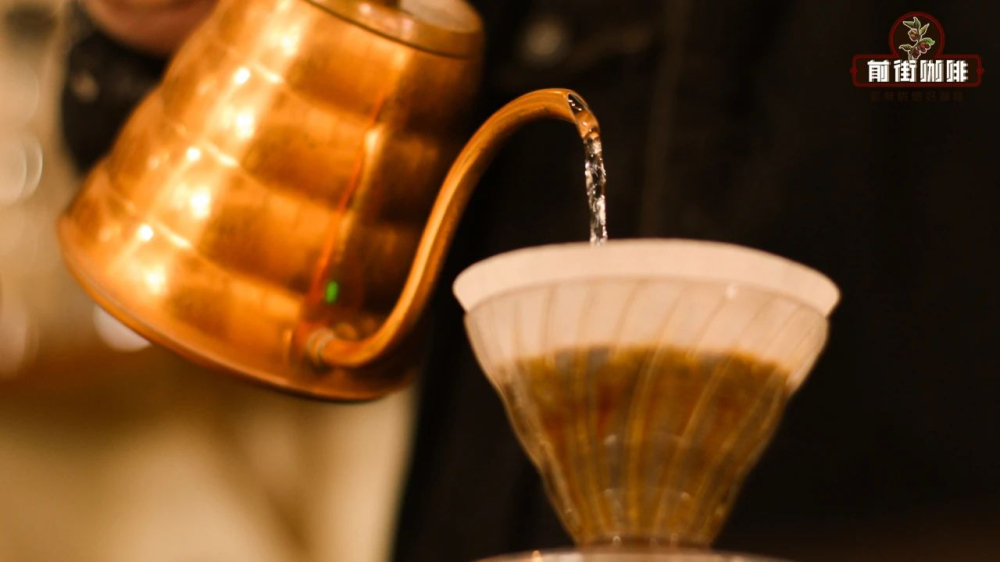
The first pour is about 30 grams of water, recommended to be poured in a circular motion from the center outward. The goal is to allow the coffee grounds to absorb water evenly and begin to expand — this process is called “blooming,” and it usually lasts about 30 seconds. At this time, the coffee grounds will absorb water and swell, forming a fluffy state similar to a “coffee burger,” which helps facilitate the release of subsequent flavors.
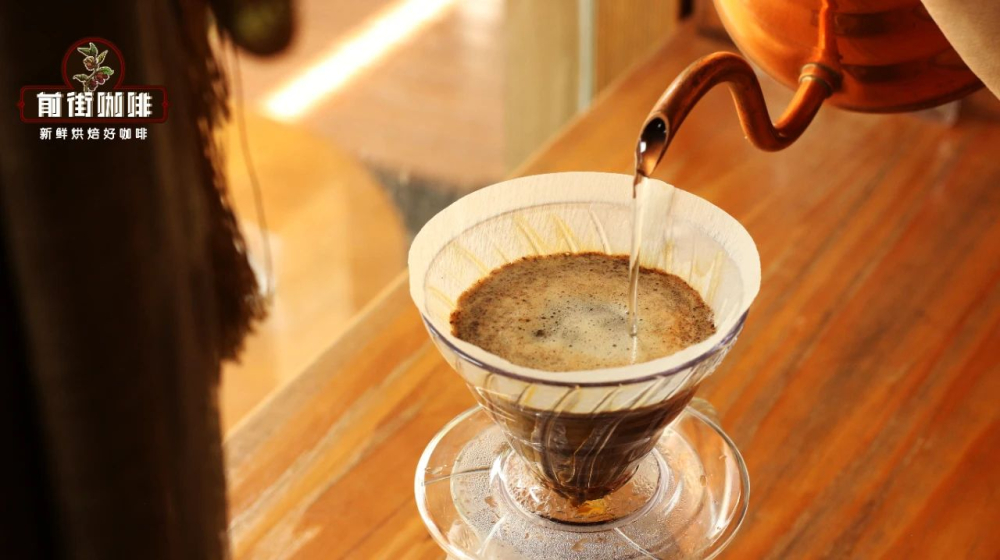
About 31 seconds later, proceed to the second pour, again pouring steadily from the center outward, for a total of about 100 grams. During this stage, the water flow should remain vertical and consistent. As you pour, the foam on the surface of the coffee grounds will gradually release and spread across the bed, with the water level rising to the shorter ribs of the filter cone. This stage mainly extracts acidic and sweet compounds from the coffee, laying the foundation for the overall flavor profile.
When the liquid level drops to about half, begin the third pour, pouring about 95 grams. It is recommended to pour slowly and steadily in this stage, moving in a circular motion from the center using a “sniffing” technique. The goal is to extract deeper, heavier flavor compounds. At this time, the foam color will gradually shift from deep brown to light yellow, and the overall liquid level will rise again. Once all the coffee liquid has dripped through, remove the filter cone to complete the entire extraction process.
In the three-stage pouring method, each stage contributes unique flavors: the first stage awakens the aromatic molecules in the coffee, the second emphasizes the display of acidity and sweetness, and the third is responsible for extracting body and heavier tones. This segmented approach not only enhances flavor layering but also adapts well to coffee beans of varying roast levels — making it a preferred method for many professional pour over enthusiasts.
Finally, a reminder: due to the differing densities of coffee liquid from the three pours, the coffee in the server may exhibit slight layering. Before drinking, gently swirl the server clockwise to fully blend the various flavor layers, ensuring a more complete and balanced taste experience upon drinking.
The above content is compiled by CoffeeHunters, a coffee news website.


