







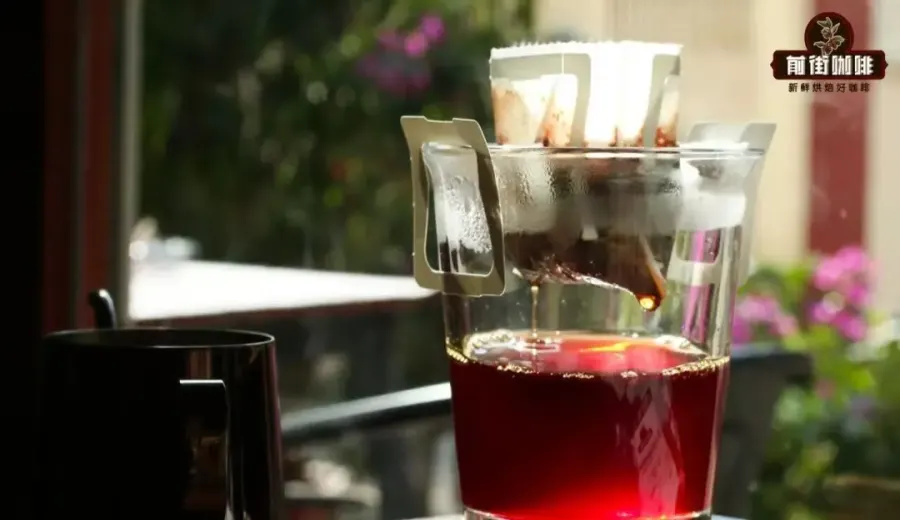
Introduction:Brewing pour-over coffee using hot water from an office water dispenser is a common choice for many office workers, but it often results in weak aroma and light flavor due to insufficient water temperature. This article delves into the impact of water temperature on extraction and offers a practical solution—extending the brewing time through multi-stage pouring to effectively enhance coffee flavor. Using a medium-light roasted pour-over as an example, it details step-by-step instructions and key parameters to help you easily brew a richly flavored cup of office coffee.
Using hot water from an office water dispenser to brew pour-over coffee is a convenient and quality-conscious method for many busy professionals. However, many users find that coffee brewed this way often lacks rich aroma and has a thin taste. The root cause is likely insufficient water temperature—the typical office water dispenser provides water at only around 85°C to 90°C, which is far from ideal for lightly roasted coffee beans.
This article draws from real brewing experiences to explore the critical impact of water temperature on coffee extraction and provides a simple improvement method without the need to change equipment: by using multi-stage pouring to extend the contact time between water and coffee grounds, thereby improving overall extraction. It also uses a medium-light roasted pour-over coffee as an example to detail specific brewing parameters and steps, allowing you to consistently brew a flavorful, layered cup of coffee even in an office environment.
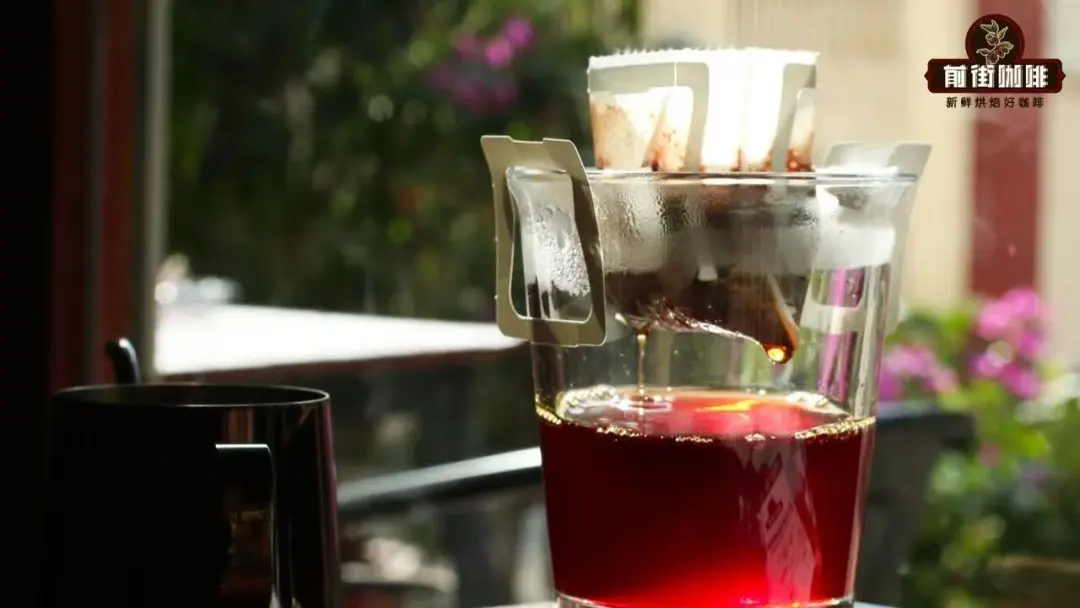
Many office workers choose to brew pour-over coffee because it doesn’t require the complex setup of a pour-over setup and still allows them to enjoy high-quality single-origin coffee flavors. The pour-over design is simple—just pour hot water into the filter bag to easily extract the essence of the coffee, making it perfect for a quick cup at your desk.
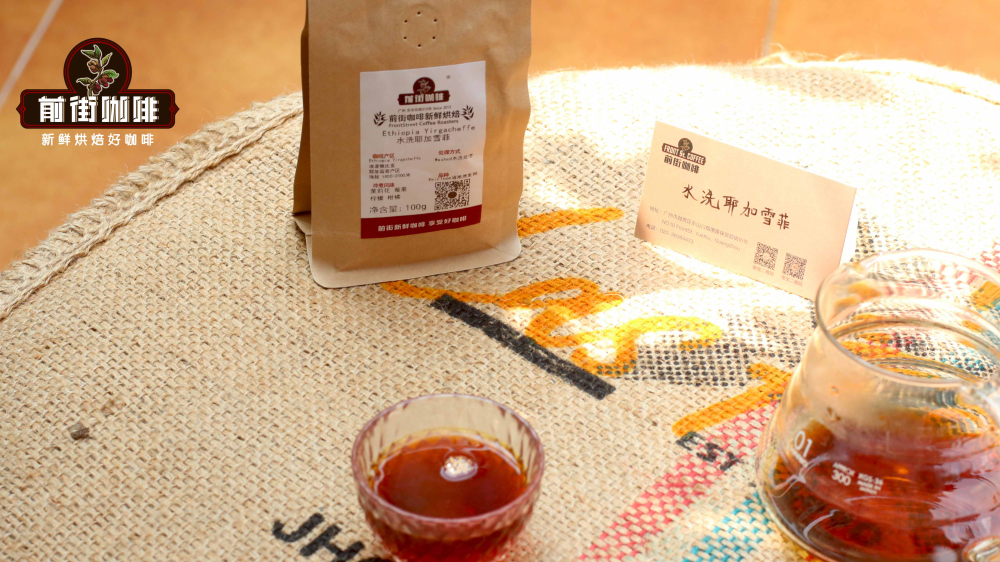
The market offers a wide variety of pour-over coffee products with a broad range of prices. For readers who are new to coffee and unsure about their preferred flavor profile, it’s recommended to start with affordable entry-level options. For example, Yirgacheffe pour-overs with distinct jasmine and lemon notes, Mandheling pour-overs with prominent herbal tones and a rich body, or highly cost-effective blends of five regions—allowing you to experience the characteristics of specialty coffees from Panama, Ethiopia, Indonesia, Honduras, and Kenya all in one go.

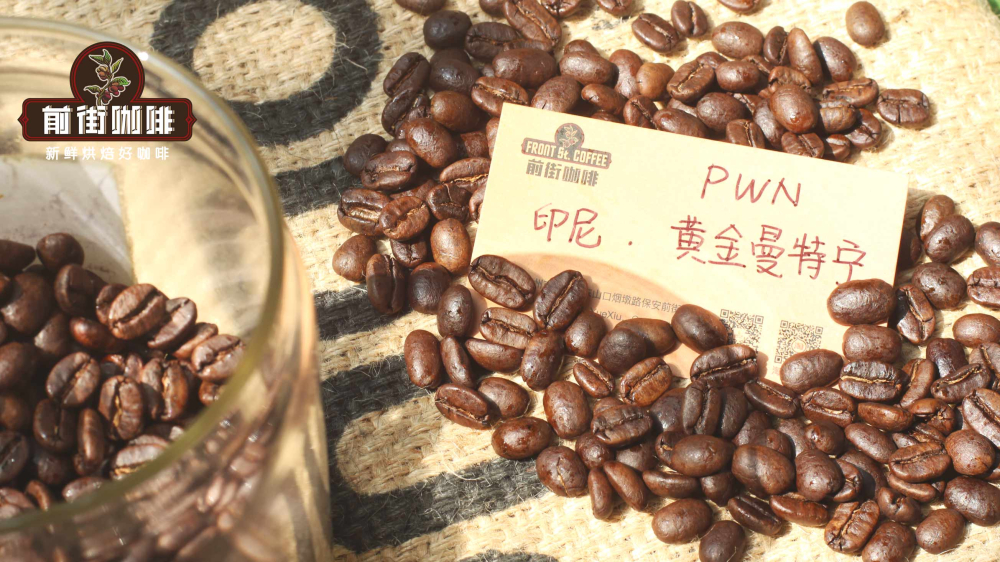
For office workers drinking coffee daily, choosing a pour-over with clear aroma and stable quality is especially important. For instance, PWN Golden Mandheling pour-over and Huakui pour-over are two carefully selected, high-performing recommendations. The former showcases rich notes of caramel, pine, dark chocolate, and nuts, while the latter excels with fresh floral, jackfruit, cream strawberry, and black tea aromas, catering to users with different flavor preferences.
However, some users report that even when brewed conventionally, the coffee’s aroma seems underwhelming or the taste a bit thin, and they hope to find ways to improve it. In fact, this is likely due to under-extraction. There are many reasons for poor extraction, but one of the most commonly overlooked factors is insufficient water temperature during brewing.
Further investigation revealed that many offices do not use professional kettles to boil water on the spot but instead rely directly on hot water from water dispensers. In reality, most office water dispensers heat water to only between 85°C and 90°C, which is noticeably low for lightly roasted coffee. Moreover, as hot water is poured from the dispenser into the pouring kettle, the temperature drops even further, making it even harder to fully extract the aromatic compounds from the coffee grounds.
When water temperature cannot be controlled, if you still want to brew a richly flavored coffee, you can generally improve extraction efficiency by grinding the coffee finer or extending the brewing time. However, pour-over coffee usually comes with pre-ground coffee, so you can’t adjust the grind size yourself. That leaves only the brewing time as adjustable. And to extend brewing time, you don’t need new equipment—you just need to change the pouring method—namely, by usingmulti-stage pouring.
Multi-stage pouring refers to dividing the total required hot water into several pours, each time adding a small portion and pausing briefly to let the drips fall before continuing with the next portion. This approach increases the total contact time between water and coffee grounds, thereby improving overall extraction efficiency. The more stages and longer pauses there are, the longer the total extraction time, helping to release more flavor compounds from the coffee grounds.
So, how many stages should you divide it into, and how should you proceed? Below, we’ll demonstrate the actual operation process and recommended parameters using a medium-light roasted pour-over coffee as an example.
The demonstration uses a medium-light roasted Ethiopian sun-dried bean pour-over with distinct floral and fruity notes, making it ideal for showcasing the effects of multi-stage pouring. The brewing water temperature is around 87°C, which is roughly the actual temperature after pouring water from the dispenser into the pouring kettle. If your water temperature is higher or lower, you can flexibly adjust the number of stages to control the overall extraction rate.
Each pack of pour-over contains about 10 grams of coffee grounds. Based on a 1:15 coffee-to-water ratio, a total of 150 milliliters of hot water is needed. First, perform the bloom step—even for pour-over coffee, blooming is essential to release carbon dioxide from the coffee grounds and lay the foundation for subsequent extraction. It’s recommended to pour about 20 milliliters of hot water for blooming, with a bloom time of around 30 seconds. If you don’t have a scale, just make sure all the coffee grounds are evenly wet.
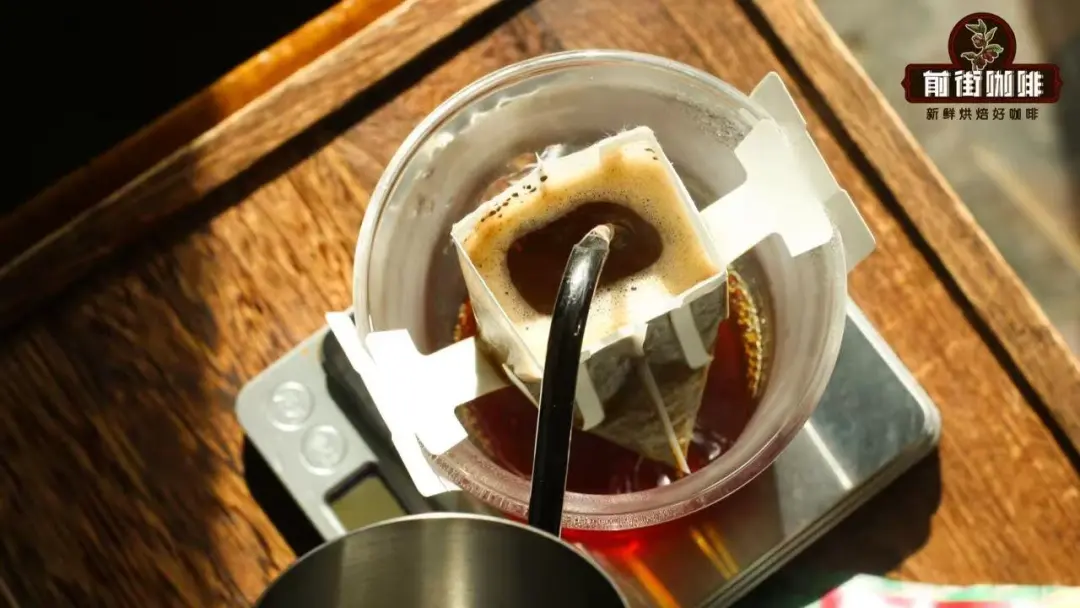
After blooming, the remaining 130 milliliters of hot water is divided into6 to 7 stages, with about 20 milliliters per stage, poured slowly with a small stream. After each stage, wait for the water to completely drip through before proceeding to the next. Maintain a steady water pressure during pouring and pay attention to the water level—ideally, each pour should reach about the surface of the coffee grounds or two-thirds the height of the pour-over bag.
Following this method, the total brewing time typically falls around2 minutes and 40 seconds. Although slightly longer than usual, the relatively low water temperature means the extended brewing time compensates for it, avoiding over-extraction.
Actual test results showed that coffee brewed using this multi-stage pouring method had a concentration of approximately 1.45% and an extraction rate of 19.95%, indicating that the flavor compounds in the coffee were fully released. Upon tasting, the flavor performance was outstanding, with clear notes of guava, strawberry, citrus fruits’ bright acidity, and a hint of delicate floral notes. The overall mouthfeel was full and well-layered.
In summary, when office water dispenser temperatures aren’t sufficient for full coffee extraction, there’s no need to rush to replace equipment. Simply adjusting your pouring strategy byextending brewing time through multi-stage pouringcan still yield a pour-over coffee with excellent flavor. Mastering this technique not only improves the quality of your daily office coffee but also deepens your understanding of coffee extraction principles, laying a solid foundation for trying other brewing methods in the future.
The above content is compiled by CoffeeHunters, a coffee news website.


