








Introduction:Want to brew a rich latte at home using pour-over coffee bags but feel the flavor is always off? The key lies in the precise combination of coffee dosage, water temperature, coffee-to-water ratio, and milk proportion. This article explains the brewing principles behind pour-over coffee bags, recommends several bean varieties that pair well with milk, and provides the standard coffee-to-water ratio and milk addition steps for a 10g bag. It also includes microwave heating tips and precautions, helping you easily master professional-grade pour-over latte preparation.
Thanks to their convenience, pour-over coffee bags have become a daily choice for many coffee enthusiasts. But if you want to brew a smooth, well-balanced milk coffee with them, every step—from coffee dosage and water temperature to milk proportion—requires careful attention. This article will delve into the brewing details of pour-over coffee bags, including grind uniformity and how packaging technology affects flavor, and recommends several seasonal pour-over beans suitable for adding milk, introducing their unique flavor profiles.
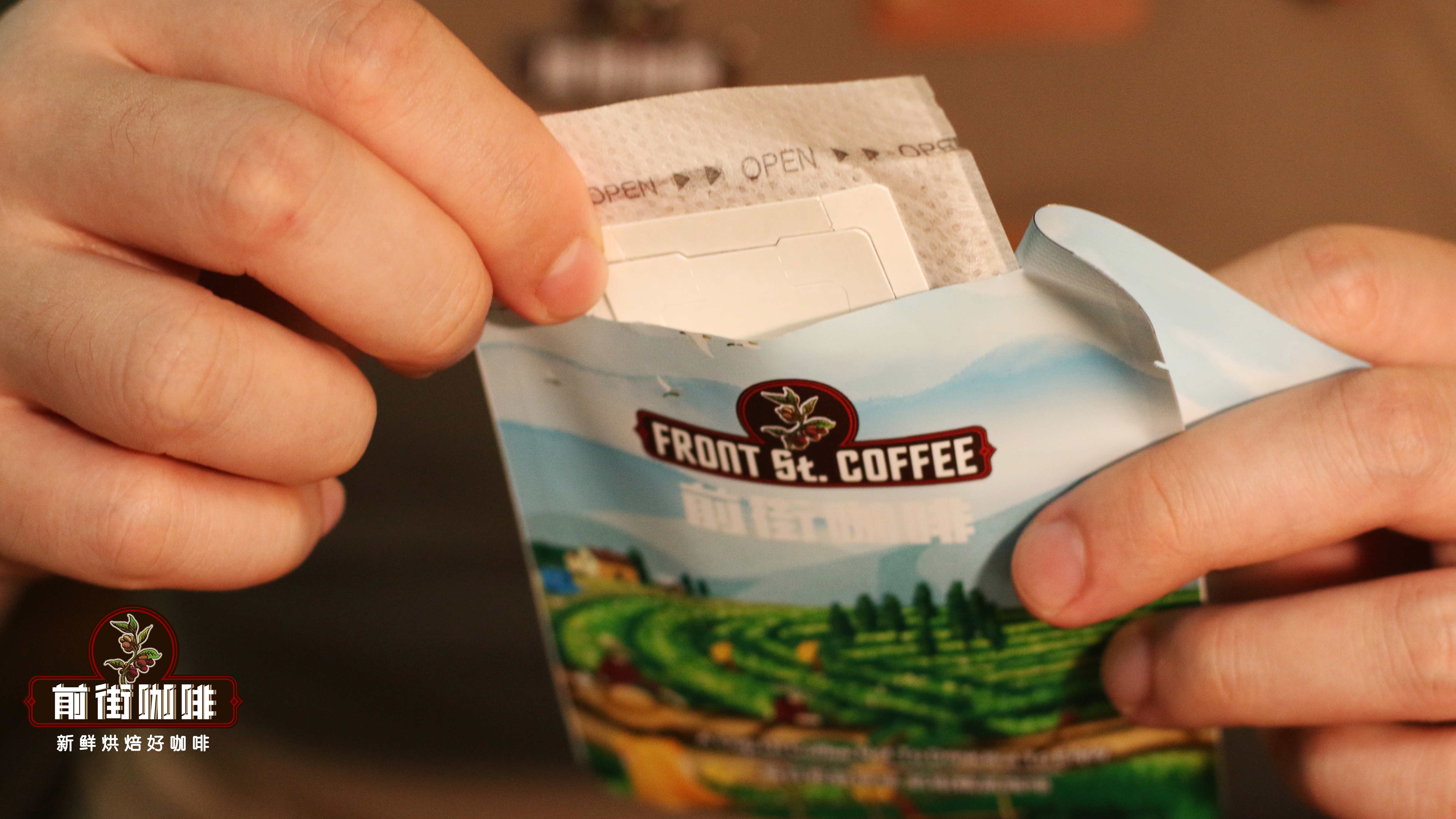
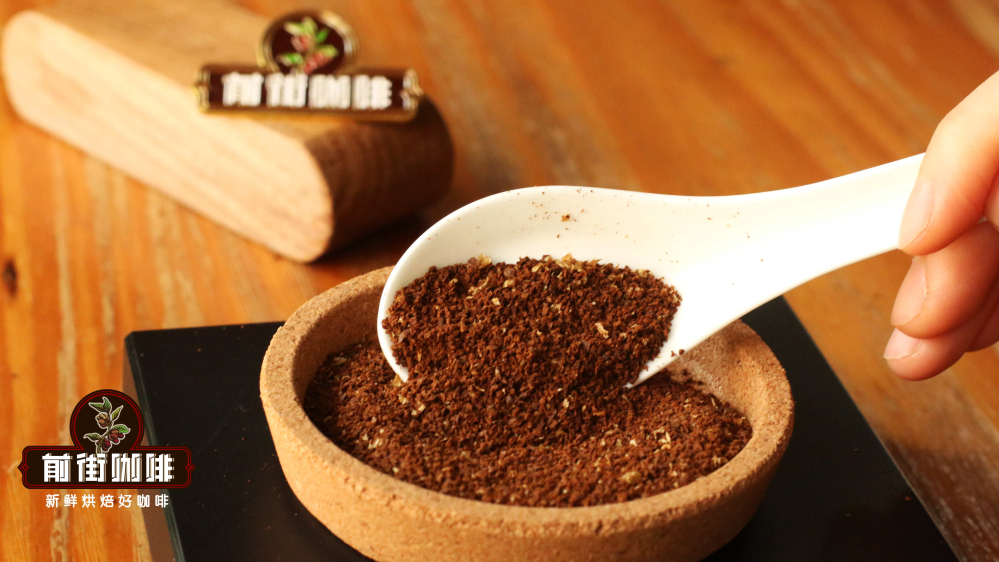
Behind high-quality pour-over coffee bags is a rigorous production process. First, before making the bags, cleaning the grinder is crucial—you must thoroughly remove any residual coffee grounds to avoid flavor interference between different regions or processing methods, ensuring each bag showcases the pure characteristics of its origin. Second, grind size is key to extraction efficiency: too coarse results in fast water flow and under-extraction, leading to thin flavor; too fine can clog the filter, prolonging brewing time and causing over-extraction, resulting in bitter and astringent notes. Therefore, a moderate grind size and stable flow rate are the foundation of a good pour-over bag.
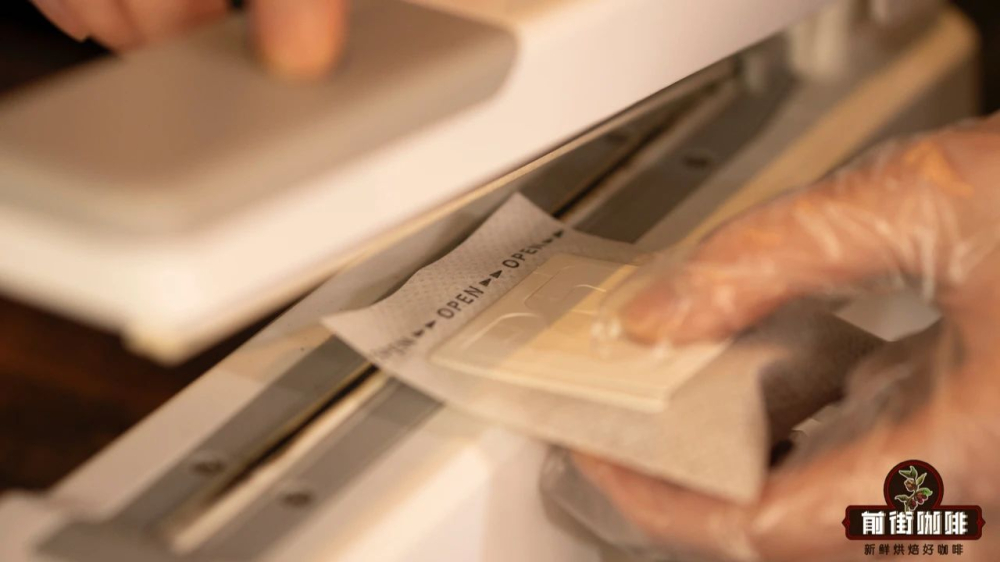
Additionally, to extend coffee freshness, many brands have adopted automated packaging mechanisms, not only improving the seal’s tightness but also injecting nitrogen during the process to effectively exclude oxygen exposure, significantly slowing flavor degradation and keeping the coffee fresh and vibrant before opening.
If you want to brew a smooth milk coffee with a pour-over bag, it’s recommended to choose beans with mild acidity and nutty or caramel notes. The following seasonal pour-over bags are great options:
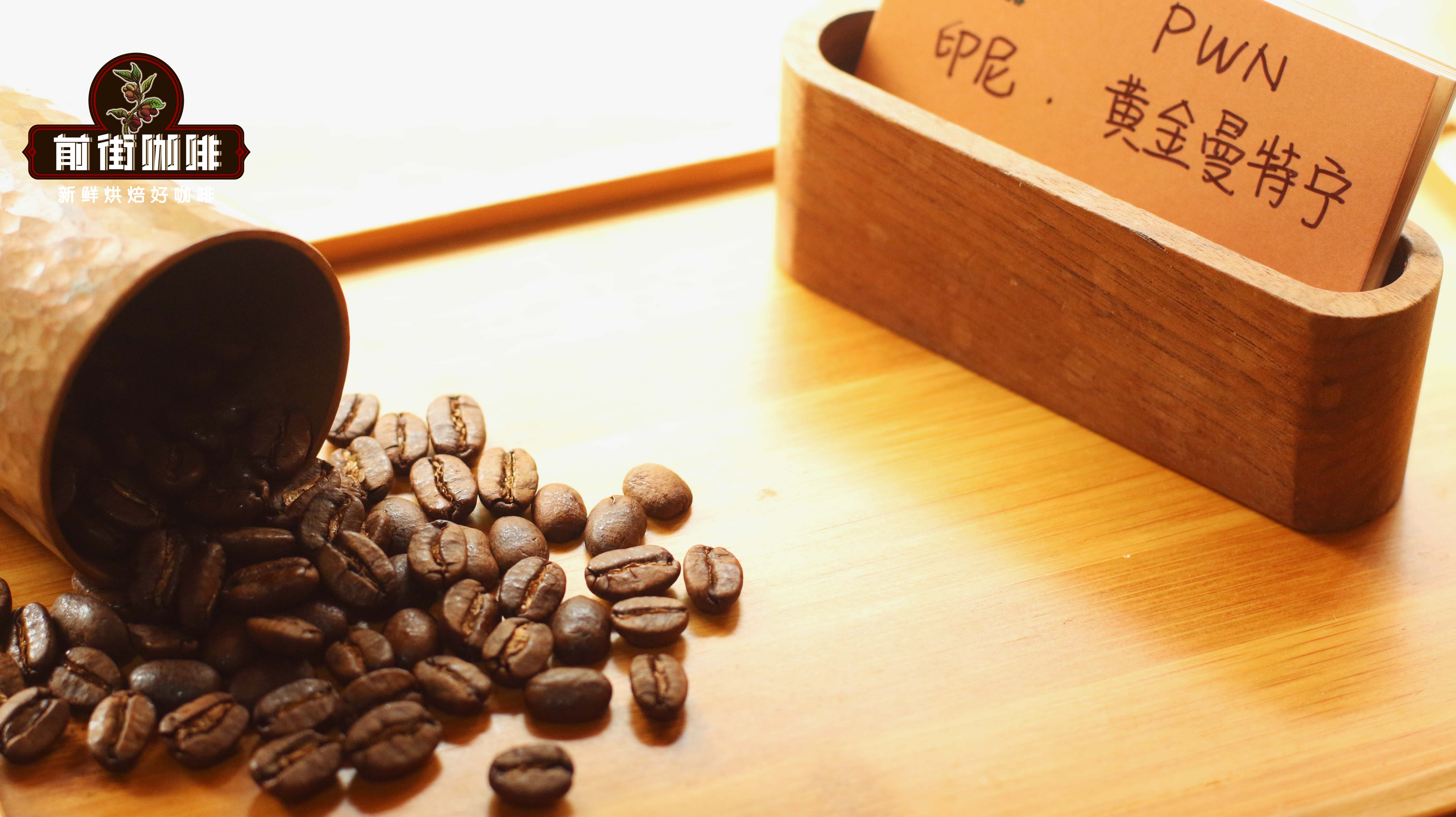
First is the PWN Golden Mandheling pour-over from a well-known brand. This coffee comes from Indonesia’s renowned green coffee supplier PWN, which is also the registrant of the “Golden Mandheling” trademark. Compared to regular Mandheling, the PWN version undergoes three rounds of manual sorting, ensuring uniform bean size and consistent roast color. It has a clean and full-bodied taste, with flavors of caramel, spices, pine, and dark chocolate, and a long, sweet aftertaste—beloved by many seasoned coffee enthusiasts.
Another recommendation is the Brazilian Cerrado Red Fruit pour-over. As the world’s largest coffee-producing country, Brazil’s beans are known for their low acidity and full body. This pour-over showcases a classic Brazilian flavor profile, with red berry fruitiness and nutty notes, making it ideal for those who prefer balanced taste.
There’s also the Yunnan Small Bean pour-over, made from the locally grown Catimor variety. After washed processing, it has a tea-like quality and melon-like aroma, with a rounded acidity and prominent sweetness in the finish, ending with a caramel-like sweetness. It’s an excellent choice for experiencing Asian bean flavors.
So, how much water should you use for a 10g pour-over bag? It’s generally recommended to use a 1:15 coffee-to-water ratio—that is, 10g of coffee to 150ml of water—to brew a cup of black coffee with moderate strength. Of course, you can adjust slightly based on personal preference: for a stronger taste, reduce to 130ml; for a lighter one, increase to 160–200ml. Flexible adjustments help you brew your ideal flavor.
Next, let’s explain how to make a latte with a pour-over bag. Taking a common 10g pour-over as an example, if you want to make a standard latte, it’s recommended to use two bags totaling 20g of coffee.
First, open both pour-over bags and pour all the coffee grounds into a filter cup or container. Then, heat the water to 100°C. In the first stage, pour 100ml of hot water—the coffee-to-water ratio is 1:5, meaning 20g of coffee to 100ml of water. Start timing immediately after pouring, and stir evenly with a stirring stick for about 30 seconds. This step effectively improves coffee extraction efficiency, releasing more flavor compounds. After stirring, let it steep for one and a half minutes to allow the coffee to fully release its essence.
Once the time is up, remove the inner bag and pour the extracted espresso into another cup. At this point, you can add ice milk or hot milk according to your preference, with a recommended ratio of coffee liquid:milk = 1:3 to 1:4, adjusting to your desired thickness and flavor balance. Stir gently, and your smooth and delicious pour-over latte is ready.
Besides the traditional method, many people also use the microwave heating method for quick brewing. The steps are to pour the coffee grounds and hot water into a microwave-safe container, then heat it in the microwave before filtering. This method saves time, but note: if you plan to add milk, it’s best to heat the coffee liquid alone first—never microwave milk and coffee together, as high temperatures can destroy lactose in the milk, affecting sweetness and texture. Master these techniques, and you can easily recreate a professional-grade pour-over latte at home.
The above content is compiled by CoffeeHunters, a coffee news website.


