







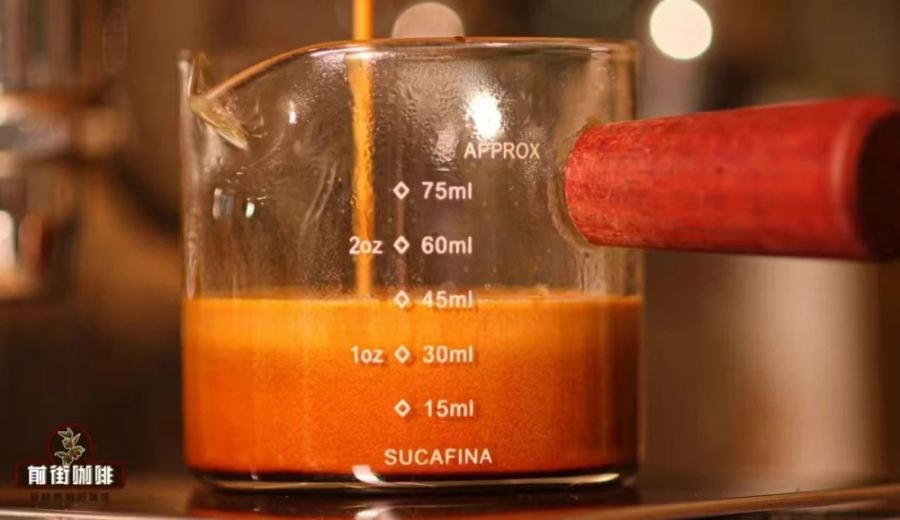
Introduction:The fascinating golden crema on top of an espresso shot is not just a visual delight, but also an indicator of the beans' freshness and roast level. This article delves into the science behind crema formation, explains how medium to dark roasts affect the stability and thickness of the crema layer, and offers practical tips on selecting espresso beans rich in crema—suitable whether you're brewing at home or in a café.
The delicate, glossy layer of crema on the surface of an espresso is actually formed when the natural lipids in coffee encapsulate the carbon dioxide released during extraction. This layer not only impacts appearance, but is also directly related to the coffee's flavor release and aroma. Therefore, observing the richness of the crema is a simple way to gauge the freshness of the coffee beans—generally speaking, the more pronounced and dense the crema, the fresher the beans.
The stability and thickness of the crema layer are also closely related to the roast level. Typically, medium to dark roasted coffee beans, due to changes in their internal structure, are more conducive to releasing sufficient carbon dioxide during extraction, allowing lipids and bubbles to form a stable crema. The crema at this roast level is not only thicker, but also lasts longer, resulting in a richer mouthfeel.
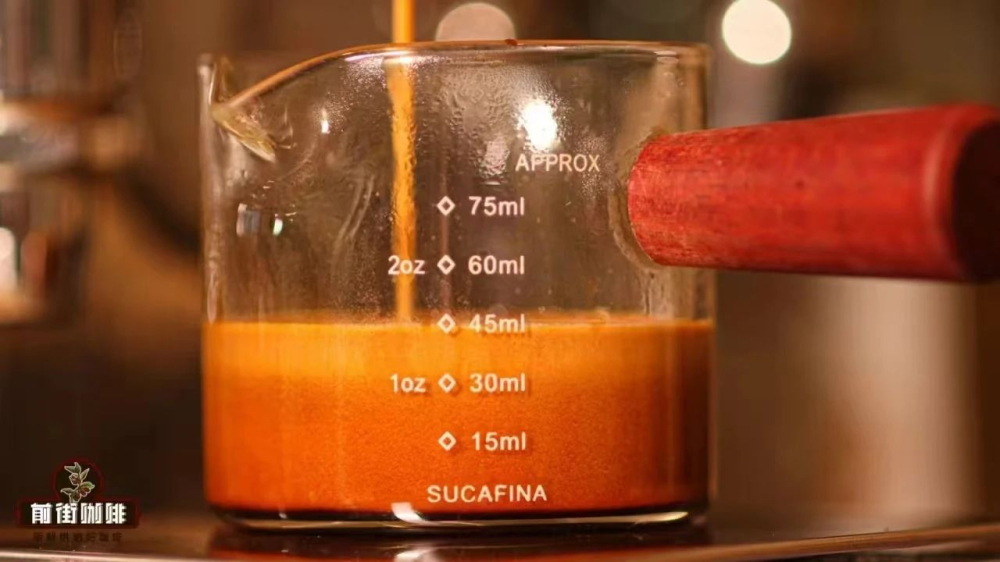
If you’re looking to buy espresso beans that can produce rich crema, it’s recommended to choose beans roasted within five days. During this period, the beans usually have the most active flavors and the highest carbon dioxide content, which helps create an ideal crema layer. In terms of roast style, it’s advisable to go for medium to dark roasted blends, as these beans can deliver the best crema performance and flavor balance when brewed as espresso.
For example, medium-dark roasted espresso blends often feature distinct notes of butter, roasted hazelnuts, and caramel, with a full-bodied taste and a lingering finish of dark chocolate—ideal for coffee lovers who enjoy bold flavors. These beans not only offer a rich crema layer, but also showcase diverse flavor profiles whether brewed as a straight black coffee or paired with milk.
On the other hand, dark roasted blends, commonly used for commercial purposes, are known for their extremely thick crema. Flavor-wise, they emphasize sweet caramel notes and nutty undertones, along with a finish of dark cocoa and black chocolate. These blends sometimes include a small amount of Robusta beans to enhance the intensity of the crema and the thickness of the crema, but when the proportion is well-controlled, it doesn’t noticeably affect the overall harmony of the flavors.
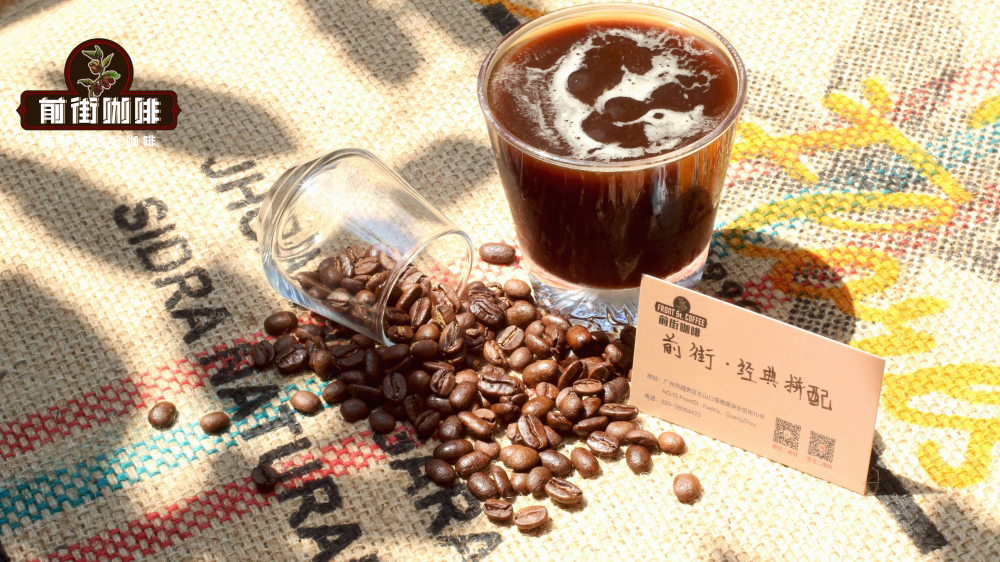
For those just starting out with making espresso, it’s recommended to begin with medium-dark roasted blends. These beans typically have vibrant flavors and a rich crema, making it easy to extract a full-bodied crema, and they perform well whether you’re making a black coffee or a latte. If you prefer a bolder, richer taste, dark roasted blends are a better choice—especially suitable for making milk-based coffee drinks, as they bring out a smooth texture and a long-lasting finish.
In summary, to enjoy an espresso with a rich crema and a solid mouthfeel, it’s important not only to choose the right roast level, but also to pay attention to the freshness of the beans. It’s recommended to use the beans as soon as possible after purchase, and to select medium to dark roasted blends based on your personal taste preferences, so you can fully experience the unique charm of espresso.
The above content is compiled by CoffeeHunters, a coffee news website.


