







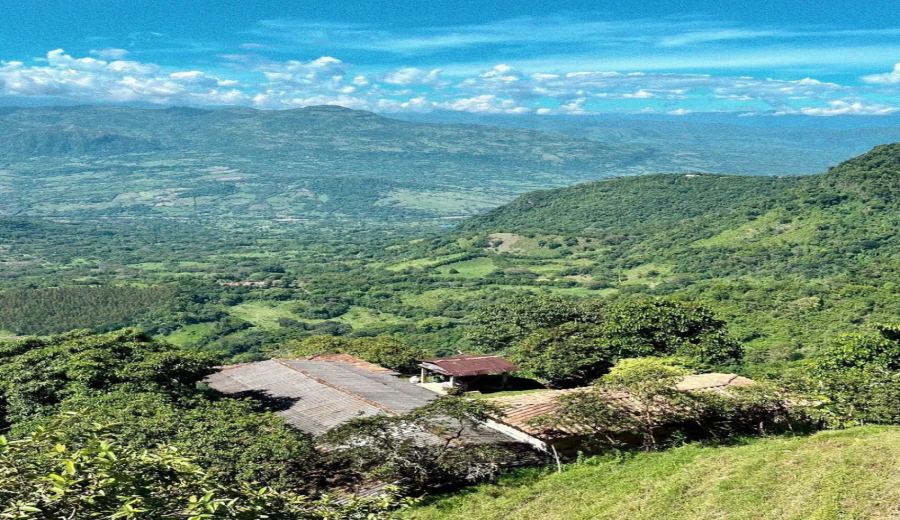
Introduction:Want to dive deep into the unique coffee characteristics and the story behind the quality of Colombia’s Huila region? This article thoroughly explores the microclimate, coffee varieties, and processing methods of Huila, while providing a comprehensive overview of how FNC supports the local coffee industry. It also offers practical pour over roasting parameter suggestions to help you grasp everything from origin to brewing, allowing you to discover your own flavor profile.
Colombia has long ranked as the world’s third-largest coffee exporter, renowned for producing Arabica coffee with delicate flavors and a balanced acidity and sweetness, earning it the nickname “green gold.” Its southern Huila region, blessed with high altitudes in the Andes Mountains and volcanic soils, stands as a flagship representation of the country’s specialty coffee. This article not only details the evolution of coffee cultivation in Colombia, its main varieties, and the washed processing method, but also delves into the flavor profiles and grading systems of key regions such as Huila. It also introduces you to the pivotal organization driving industry development—the Colombian Coffee Growers Federation (FNC) and its technical arm, CENICAFE. Finally, we’ve compiled expert roasting recommendations to help you more accurately extract the full potential of Huila coffee.
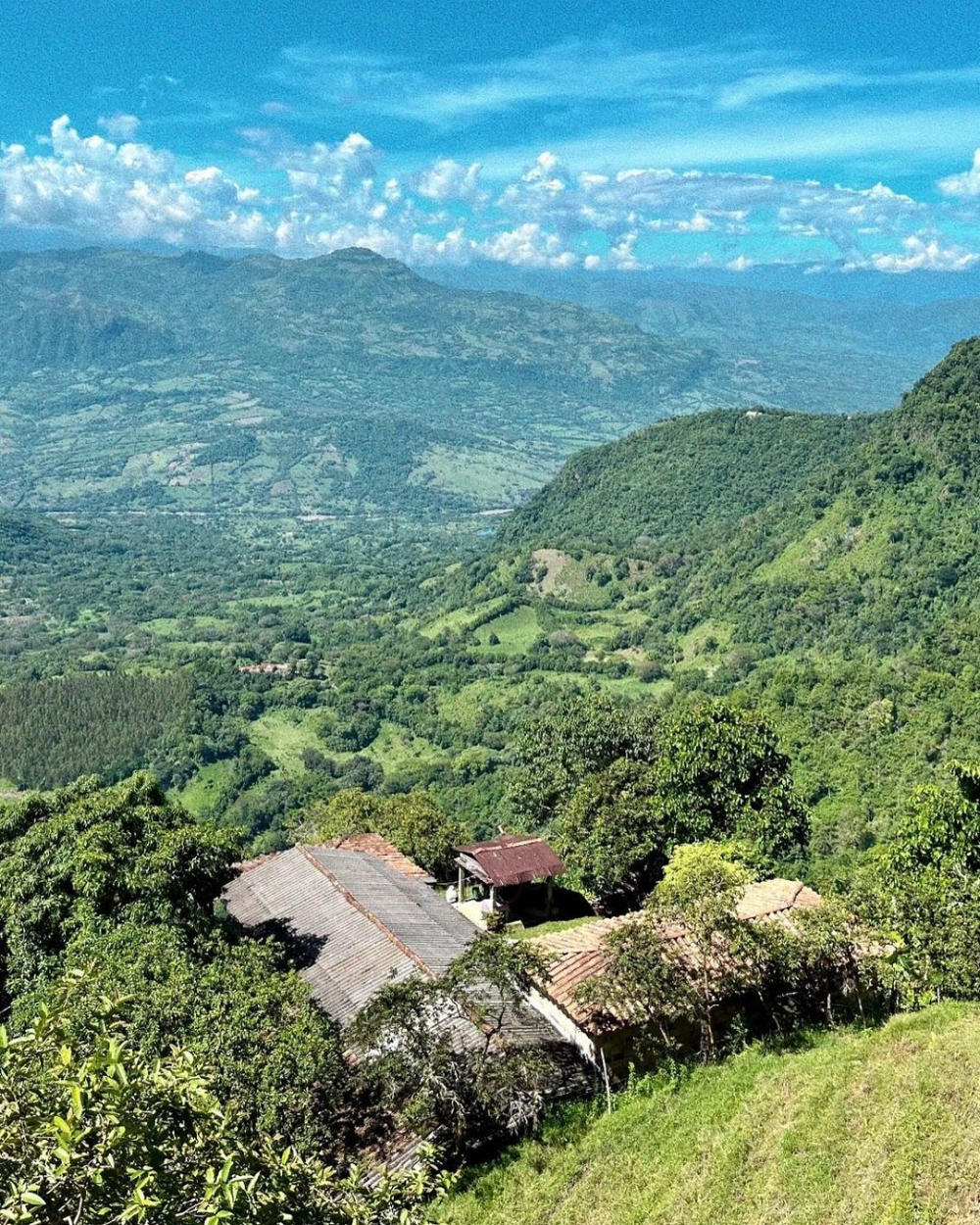
Located in the northwest of South America and bordering Panama, Colombia’s terrain is uniquely shaped like “cat scratches,” forming three longitudinal valleys from north to south. Among them, the Andes Mountains, rich in volcanic soils, are home to many renowned coffee-growing regions. As early as 1808, coffee was introduced to Colombia from Venezuela by a priest and gradually took root in the western mountainous areas. Due to the high altitude and significant day-night temperature variations, the coffee here typically features a smooth mouthfeel and bright acidity, earning it a reputation as the “paragon of balance” among coffees and serving as one of the world’s premier sources of high-quality washed coffee beans.
Coffee cultivation in Colombia is mostly carried out by smallholder farming families and relies on traditional manual harvesting. This family-run model ensures that coffee cherries are carefully handpicked at optimal ripeness, minimizing the impact of premature or late harvesting. Local farmers often plant shade trees such as banana or native hardwoods around their coffee farms to regulate the microclimate and provide a stable growing environment for the coffee trees. As a result, the ripening process of the coffee cherries slows down, aiding in the accumulation of flavor compounds. Coupled with entirely manual processing, this leads to the distinctive delicate taste for which Colombian coffee is known.
In terms of varieties, Colombia grows a wide range of Arabica types. In addition to common ones such as Caturra, Bourbon, Typica, and Pacamara, several disease-resistant specialty varieties have been developed, including Castillo, Tabi, and Colombia. Among these, Castillo, due to its high resistance to diseases and stable yield, has become one of the dominant planted varieties in the country. These varieties are mostly cultivated in mountainous areas in the south and central regions at altitudes above 1,500 meters, and they are also the primary plantings in specialty regions such as Huila.
Washed processing is the predominant method used for coffee in Colombia. Farmers typically use small-scale processing equipment such as Ecomill or Eco-Pulper to first remove the skin and most of the mucilage, then place the parchment coffee in small concrete tanks or stainless steel tanks for about 24 hours of fermentation to break down residual mucilage. After fermentation, the beans are rinsed with clean water and dried depending on weather conditions—on sunny days using raised beds or natural sun drying, and during rainy or cloudy weather, possibly using temperature-controlled dryers with an intake air temperature maintained at around 50°C to ensure bean quality remains stable.
When it comes to Colombia’s well-known coffee regions, the so-called “MAM” trio—Medellín, Amagá, and Manizales—is often cited. However, in reality, specialty coffee is more concentrated in the high-altitude southern regions, especially those above 1,500 meters such as Huila, Cauca, Tolima, and Nariño. The municipalities of San Agustín in Huila and Popayán in Cauca are both famed for their bright berry notes, caramel aromas, and intense sweetness, making them ideal for drinkers who enjoy fruity and layered profiles. Nariño, with its high altitude and volcanic soils, though limited in production, frequently yields high-quality specialty beans.
Colombian coffee is graded based on bean size, with Supremo being the highest grade, featuring beans sized 17 and above, followed by Excelso, with beans sized 16 to 14. Although this grading method is relatively simple, it still provides a preliminary indication of the beans’ potential flavor expression and consistency.
For pour over enthusiasts, it is recommended to roast Huila region coffee beans to a medium-dark level, using a standard roasting curve: set the air damper to 3 when dropping the beans, adjust the turning point to 4, fully open the air damper at first crack, and fine-tune the heat (recommended within ±5%) based on the Rate of Rise (ROR). It is suggested to continue roasting for about 2 minutes and 50 seconds after the end of first crack, which helps develop a richer finish of nuts, caramel, and dark chocolate, while moderately reducing excessive acidity and enhancing the overall roundness and complexity of the flavor.
Finally, we must mention the powerhouse behind Colombia’s coffee industry—FNC (Colombian Coffee Growers Federation). This organization is not only a leader in international market promotion, having successfully created the globally recognized image of the “Juan Valdez” coffee farmer, but also plays a key role in assisting coffee farmers with technical training, market sales, and production management. Its subsidiary, CENICAFE (Colombian National Coffee Research Center), established in 1938, has focused on breeding disease-resistant varieties, improving agronomic techniques, and providing practical education to coffee growers. It is a key force behind Colombia’s ability to consistently maintain high coffee quality and international competitiveness.
The above content is compiled by CoffeeHunters, a coffee news website.


