








Introduction:Can decaffeinated coffee retain its original flavors? What are the differences among common decaffeination methods on the market? Is specialty decaf just a marketing gimmick? This article delves into the historical background of decaffeinated coffee, the principles behind mainstream extraction techniques, and analyzes how various processing methods impact coffee flavor, health safety, and more. It also shares practical tips from professional roasters on adjusting roast profiles for decaf beans, helping readers fully understand the quality truths and purchasing advice for decaf coffee.
For those sensitive to caffeine, decaf is an excellent choice that allows enjoyment without compromising health. However, many people still have numerous questions about decaf coffee: does the decaffeination process significantly affect flavor? Can specialty decaf as advertised be trusted? This article starts with a historical overview, guiding you through the principles and differences of the three major decaffeination methods, analyzing how these techniques influence final flavor profiles and health safety, while also exploring the unique challenges decaf faces during roasting and corresponding strategies.
With the rise of specialty coffee trends, more and more consumers are trying beans with various special processing methods, such as anaerobic fermentation, wine barrel aging, etc., which have also received widespread market acclaim. However, aside from diverse processing methods, the coffee market is gradually becoming more segmented, with products catering to specific needs continuously emerging—and decaf coffee is one of them. For those with low caffeine tolerance or those who wish to reduce their intake, decaf offers an alternative that satisfies coffee cravings without affecting daily routines.
Many consumers wonder: can decaf reach specialty grade? If micro-lot selected beans are used for decaffeination, can they still maintain excellent flavor? To address these common questions, we will analyze various aspects of decaf coffee one by one, helping you make smarter choices.
There is an interesting history behind the origin of decaf coffee. It is said that the German literary master Goethe, although fond of coffee, suffered from insomnia caused by caffeine for a long time. To solve this problem, he asked his friend Runge to help analyze the components of coffee beans in an attempt to identify the substance that disrupted sleep. Around the year 1820, Runge successfully identified caffeine as the main culprit causing insomnia and developed a preliminary separation method, thus being regarded as a pioneer of decaf coffee. However, due to the limitations of extraction technology at the time, decaf coffee did not truly enter the mass production stage until 1903.
In 1903, German coffee importer Ludwig Roselius accidentally discovered that coffee beans soaked in seawater had noticeably lower caffeine content. He immediately assembled a team of chemical experts and successfully developed commercially viable extraction technology, enabling decaf coffee to enter the era of large-scale production. From then on, decaf coffee was no longer just a laboratory research project but gradually made its way into the consumer market.
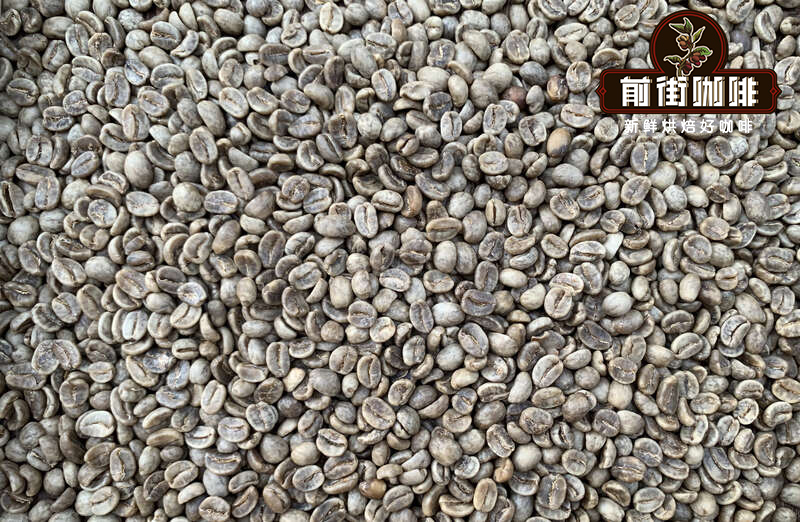
Decaf coffee (short for decaffeinated coffee), as the name suggests, is a coffee product with most of its caffeine removed. Although it is called "decaf," it is not completely caffeine-free but rather has about 97% of its caffeine content removed. Notably, even so, its nutritional composition is roughly similar to regular coffee, with only slight differences in flavor and aroma performance due to different processing methods. Some consumers even find that decaf coffee has a milder taste, making it more acceptable to those unaccustomed to strong bitterness or aroma.
It is worth noting that although the residual caffeine content in decaf coffee is minimal for most people, it is not entirely caffeine-free. For extremely sensitive individuals, it is still advisable to pay attention to intake levels. Additionally, common misconceptions, such as "decaf equals caffeine-free" or "specialty decaf doesn’t exist," are actually worth further clarification.
When it comes to the market demand for decaf coffee, it actually began to emerge as early as the early 20th century. Germany’s Kaffee Hag was the world’s first company to launch decaf coffee, but it had low acceptance at the time. It wasn’t until after World War II, when Robusta beans (Coffea canephora) became widely used due to their high yield and low price, that the strong stimulation caused by their caffeine content—about 2.2–2.7%, much higher than Arabica’s 1.1–1.7%—made many consumers unable to adapt, leading to a rapid increase in demand for decaf coffee.
Currently, the most common coffee beans on the market are mainly divided into two varieties: Arabica and Robusta. Arabica beans, known for their diverse aromas and pronounced acidity, are mostly used in specialty coffee production, accounting for about 60% of global production; Robusta beans, with their strong aroma and prominent bitterness, are commonly found in instant coffee or blends, making up nearly 40%. Since Robusta beans contain nearly twice the caffeine of Arabica, many consumers experience side effects such as palpitations and irritability after consumption, which has also accelerated the development and popularization of decaf coffee technology.
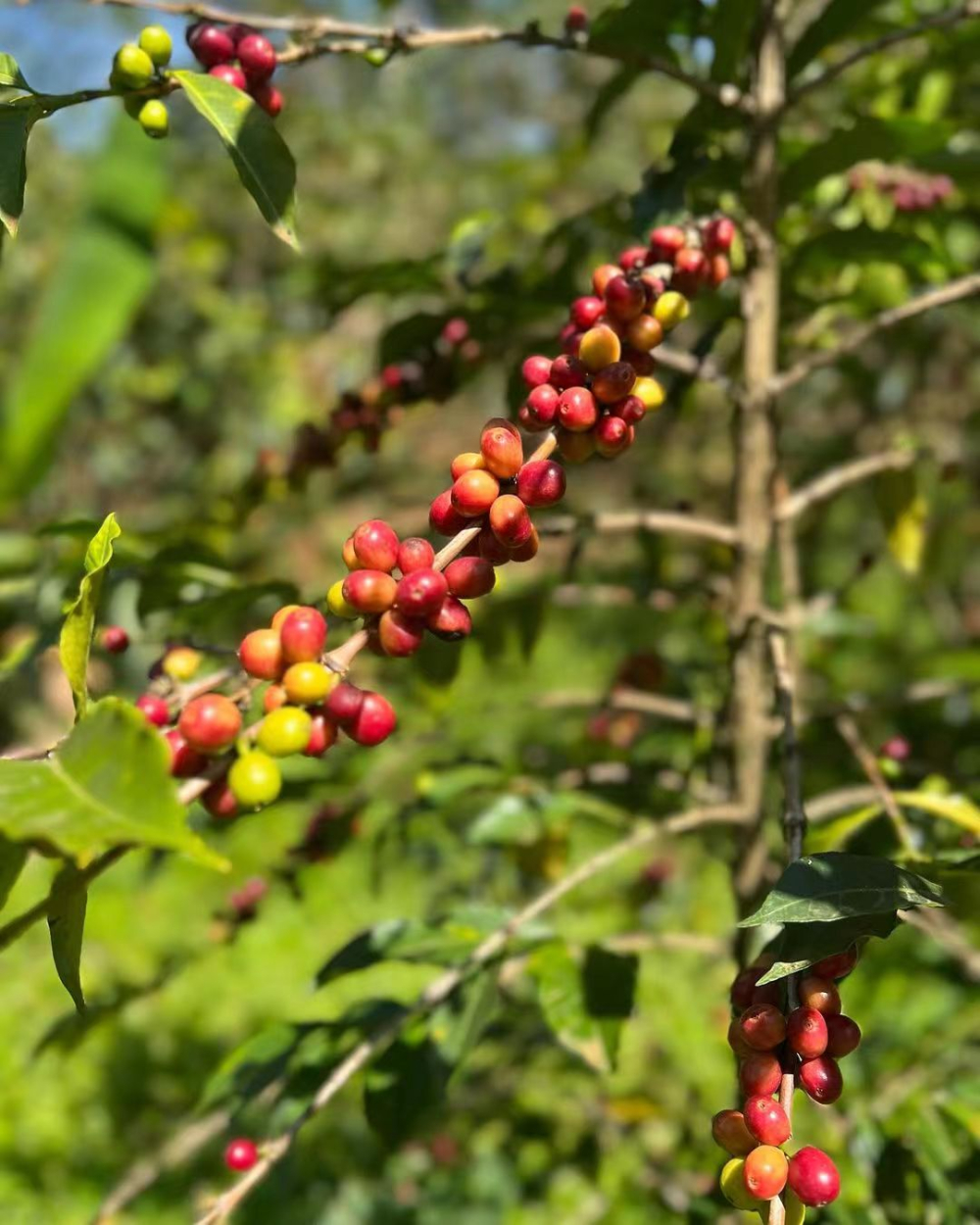
The current mainstream decaffeination methods can be divided into three categories: solvent extraction, carbon dioxide processing, and water processing. These methods all target green beans and mainly involve steps such as soaking, extraction, drying, and subsequent roasting. The following will detail the principles and characteristics of each method.
Solvent extraction methods can be further divided into direct and indirect types. These methods first allow the green beans to absorb water, separating caffeine from chlorogenic acids, then use a solvent to extract the caffeine molecules. The direct method involves steaming the beans with water vapor and then directly soaking them in a solvent. Once the caffeine is released, heat is applied to remove the solvent and moisture. The indirect method, on the other hand, first boils the green beans with water to release caffeine and other flavor compounds, then mixes this aqueous solution with a solvent, allowing the caffeine to transfer to the solvent. The solvent is then separated, and the remaining flavor compounds in the aqueous solution are reintroduced back into the beans before drying.
Early solvent extraction methods commonly used dichloromethane, a solvent known for its high extraction efficiency, low boiling point (39.6°C), colorlessness, and non-flammability, which dominated the market for many years. However, although its carcinogenicity has not been confirmed, it was eventually phased out due to suspected links to ozone layer depletion. The current mainstream alternative solvent is ethyl acetate, which naturally occurs in some fruits, has higher safety, and was approved for use by the U.S. FDA in 1982. However, since it is widely present in natural foods, there is currently no clear residual standard.
The carbon dioxide processing method uses high-pressure liquid carbon dioxide as an extraction medium to selectively remove caffeine from green beans soaked in warm water, after which the carbon dioxide is returned to its gaseous state. This method places less burden on the human body and has higher extraction efficiency than some solvent methods, but due to high equipment and technical barriers, it is relatively expensive.
Among water processing methods, the most representative is the Swiss Water Process. This method involves soaking green beans in hot water to release caffeine and flavor compounds, then using activated carbon filters to selectively remove caffeine, before returning the filtered flavor solution back to the beans. This achieves decaffeination while preserving flavor. This process does not use chemical solvents, and the treatment solution can be reused, but some flavor may still be lost during filtration, and the cost is much higher than solvent methods.
Additionally, there are methods such as the mountain water process used by Descamex, which utilizes special glacial water and filtration devices, also relying on non-chemical solvents, and can reuse the solution containing removed caffeine and solids. Such methods are also considered one of the more natural options.
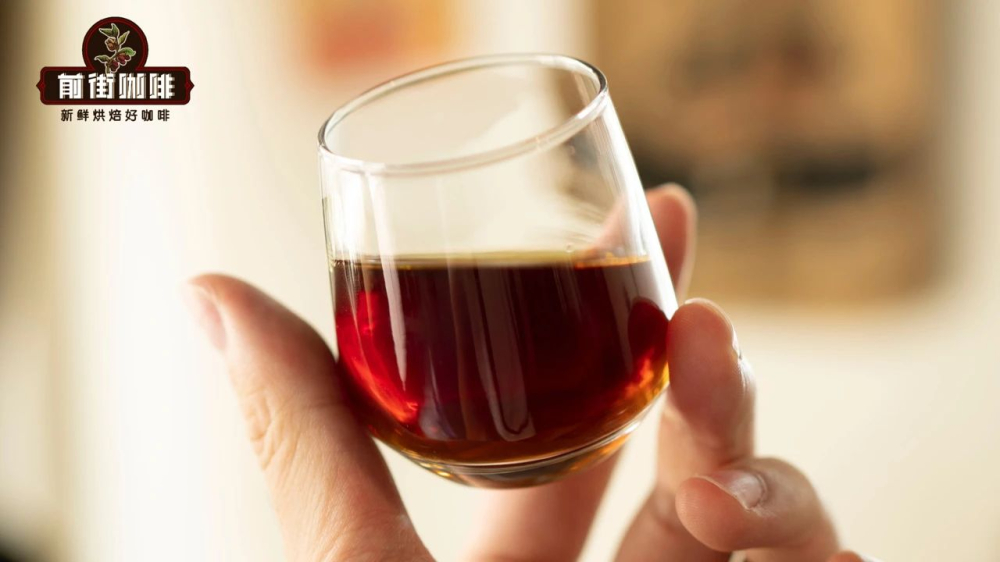
Many consumers believe that decaf coffee has a bland flavor, but the key lies in the choice of processing method. Traditional solvent methods, as they need to break down caffeine molecules, often inadvertently affect other flavor compounds, leading to flavor loss. But this does not mean decaf cannot achieve specialty grade. By using gentler methods like the Swiss Water Process and pairing them with high-quality green beans, it is still possible to produce decaf specialty coffee with rich flavor layers. In fact, Swiss Water conducts cupping tests before and after processing to verify flavor retention effectiveness. Although its processing cost is higher, it remains competitive in market segments that prioritize complete flavor.
When it comes to roasting decaf coffee, it is a highly experience-dependent technique. Since decaf coffee undergoes water addition and drying processes during decaffeination, the bean density, moisture content, and heat absorption characteristics differ from those of regular green beans. Therefore, during roasting, it is necessary to specially adjust the heating curve, recommending a lower and slower heating rate, and gently guiding caramelization reactions before the first crack to maximize sweetness expression.
In practical operations, roasters typically adjust boiler preheating times and bean loading amounts, and adopt strategies such as extending development time and lowering the maximum temperature to ensure sufficient heat accumulation before the first crack, without over-developing the beans. Particular attention must be paid to the weaker heat retention capability of decaf after the first crack—over-extending roasting may lead to flavor imbalance. Thus, precise control of development time and temperature curves is key to roasting delicious decaf coffee, which also relies on continuous practice and experience accumulation.
The above content is compiled by CoffeeHunters, a coffee news website.


