







Introduction:Understanding the fundamental differences between single-origin coffee beans and blended coffee beans is the first step toward refining your coffee tasting and brewing skills. This article provides an in-depth analysis of the distinctions between the two—from origin and flavor to roasting—and recommends three medium-to-dark roasted single-origin beans ideal for the high-temperature, high-pressure extraction of a moka pot. These include Brazil Yellow Bourbon, Indonesia Golden Mandheling, and Colombia Sidra. The guide will help you master bean selection tips and brew richly crema-ed, flavor-clear coffee.
What exactly is the fundamental difference between single-origin coffee beans and blended coffee beans? In short, single-origin beans come from a single origin, or even a single estate, and often showcase the unique terroir characteristics of that region—such as bright acidity, distinctive fruity aromas, or rich sweetness. These features are what we commonly refer to as "origin flavors." Blended beans, on the other hand, are made by mixing multiple beans from different regions in specific proportions, typically aiming for balanced flavor and consistency. Especially in espresso, blends are usually dark roasted to emphasize intensity, boldness, and a thick mouthfeel.
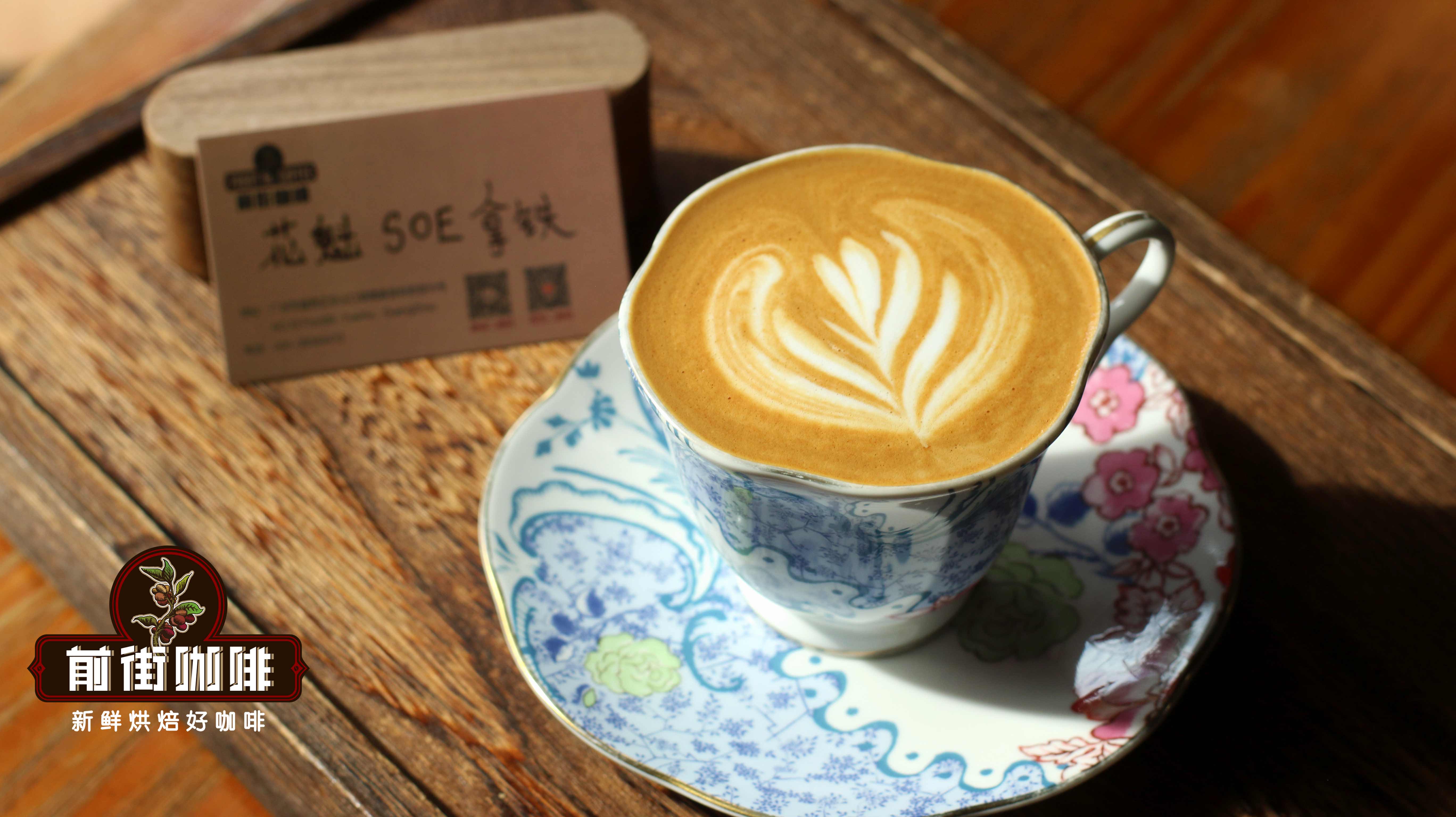
When single-origin beans are used to make espresso, the resulting coffee is called SOE, which stands for Single Origin Espresso. Many may already be familiar with single-origin pour overs, knowing that beans from Africa often feature bright lemony acidity and tropical fruit notes, while those from Central and South America may present nuttier, more mellow chocolate-like flavors. In contrast, traditional espresso often uses dark-roasted blends, leaning toward bold, heavy profiles with caramelized sweetness and the smokiness unique to dark roasting. SOE combines the regional characteristics of single-origin beans with the concentrated strength of espresso, offering a more focused flavor profile while still retaining the unique personality of its origin.
However, it’s worth noting that whether using an espresso machine or a moka pot, the extraction of SOE takes place under high temperature and high pressure, which places higher demands on the bean’s roast level, freshness, and grind size. Improper handling can easily lead to over-extracted bitterness in dark-roasted SOEs, or excessive sharpness and acidity in light-roasted ones. Therefore, selecting a suitable single-origin bean is the key first step to successfully brewing a great SOE.
If you’re a home coffee enthusiast using a moka pot and your goal is to brew a cup with rich aromatic crema, a full-bodied texture, and layered complexity, it’s recommended to prioritize medium-to-dark roasted single-origin beans. Check if their flavor notes include descriptors such as chocolate, caramel, cocoa, nuts, butter, or dried fruit. These flavors typically express better under high temperature and pressure and harmonize well with the extraction characteristics of a moka pot.
Below are three specially recommended single-origin coffee beans that are particularly well-suited for use with a moka pot—all medium-to-dark roasted, and with clear, distinct flavor profiles:
1. Brazil Queen Estate SOE
Flavor Profile: Hazelnut cookies, buttery peanuts, chocolate, caramel, biscuit
These coffee beans from Brazil’s Queen Estate differ markedly from mass-produced commercial beans. Primarily of the Yellow Bourbon variety and processed using the natural (sun-dried) method, Queen Estate focuses on producing specialty-grade lots. Not only do they deliver intense creamy and nutty aromas, but also notable sweetness and a sugarcane-like aftertaste. Roasted to a medium-to-dark level and brewed with a moka pot, they showcase a rich chocolate tone and smooth mouthfeel, with a long-lasting, layered finish.
2. PWN Golden Mandheling SOE
Flavor Profile: Dark chocolate, pine, nuts, herbs, caramel, cocoa
Golden Mandheling is a top-tier product from Indonesia’s renowned green coffee supplier, PWN. Despite the word “golden” in its name, it contains no actual precious metal—it signifies its premium quality grade. It’s based on G1-grade Mandheling beans, further refined through three rounds of manual selection and one machine screening to ensure each bean is intact and consistent. This coffee has a steady, deep flavor profile with aromas of dark chocolate and pine, along with herbal and nutty notes, making it ideal for those who prefer low-acidity and full-bodied taste. When medium-to-dark roasted and brewed with a moka pot, it brings out intense cocoa and caramel notes.
3. Colombia Sidra SOE
Flavor Profile: Passionfruit, grape, floral, berries, apricot, dried fruit
This coffee comes from the Boundary Line Estate in Colombia’s Huila region, located near volcanic areas with fertile soil that provides rich nutrients and unique aromatics. The Sidra variety undergoes double anaerobic natural processing, not only preserving pronounced fruity notes but also softening the sharpness of the acidity. Though roasted to a medium level, the high-pressure environment of a moka pot allows it to release vibrant flavors of passionfruit, grape, and berries, accompanied by the sweetness of apricot and the lingering taste of dried fruit. It’s a choice with vivid flavors and rich layers.
In summary, both single-origin and blended coffee beans have their own charm and suitable use cases. As a classic tool for home espresso brewing, choosing the right single-origin bean for the moka pot is crucial. Understanding each bean’s origin background, processing method, and roast characteristics can help you adjust and craft the coffee flavor that best suits your personal taste preferences.
The above content is compiled by CoffeeHunters, a coffee news website.


