







Introduction:Want to uncover the blending secrets of the classic Mocha Java (Mandheling & Brazil) coffee? This article dives deep into how Indonesian Mandheling and Brazilian beans complement each other to create a rich yet balanced coffee base. It not only introduces its flavor profile but also provides professional-grade espresso extraction parameters and steps, along with an extended tutorial on using the Mocha Java blend to make a flavorful latte with rich layers — a practical starter guide for coffee enthusiasts and beginners alike.
Mocha Java coffee is a classic coffee blend primarily consisting of Indonesian Mandheling and Brazilian beans. This blend was once widely popular in early Taiwanese cafes, and its charm lies in how the characteristics of the two beans complement each other — highlighting the deep roast’s intense aroma while maintaining an overall smooth and balanced mouthfeel.
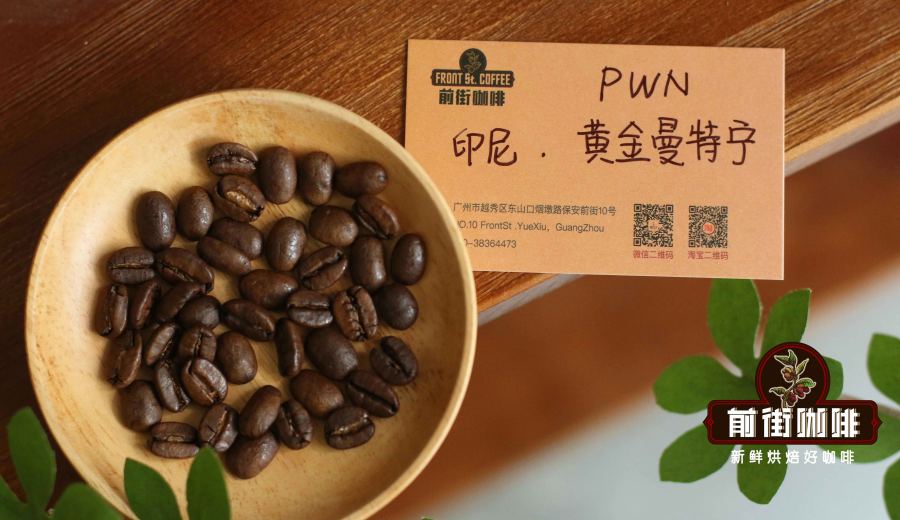
Indonesian Mandheling coffee beans grow in mineral-rich volcanic soil, giving them a unique aromatic profile. These beans are typically short and oval in shape, often appearing dark green in color with a clearly visible white center line (the embryo). When lightly roasted, although acidity is more pronounced, the overall flavor can easily come across as thin; however, when dark roasted, they release a complex aroma of spices, pine, and caramel, along with high body and a long-lasting aftertaste, making them highly suitable as a base for espresso.
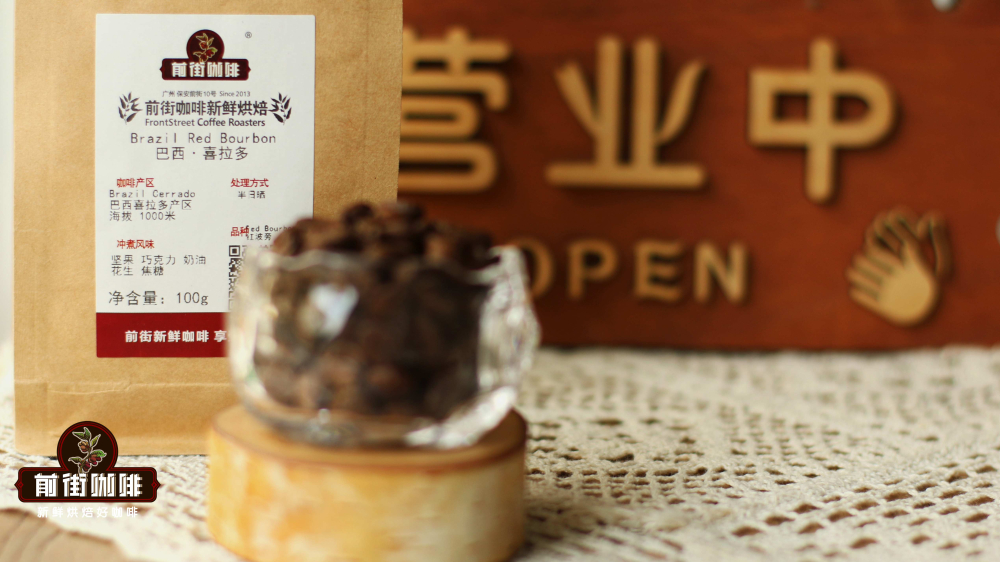
On the other hand, Brazil is the world’s largest coffee producer. Although some regions, due to harvesting methods and cost factors, result in inconsistent quality, its smooth mouthfeel and moderate flavor profile are often used to balance strong flavors in blends, making it an indispensable base element in many recipes.
The name “Mocha Java” (or “Mandheling & Brazil”) originates precisely from the combination of Mandheling and Brazilian beans. This blend was extremely popular in Taiwanese cafes in the past, and its smooth and layered performance left a deep impression on many. Even today, although the market has seen more milk-forward coffee drinks such as caramel macchiatos, Mocha Java coffee still has a loyal following who fondly remember its unique vintage taste.
Many modern coffee blends also extend this base by adding a small amount of washed Robusta to enhance crema and caramel notes, especially suitable for drinks like lattes that require milk foam art. Such adjustments not only retain the core characteristics of Mandheling and Brazilian beans but also make the overall mouthfeel rounder with a better buttery texture.
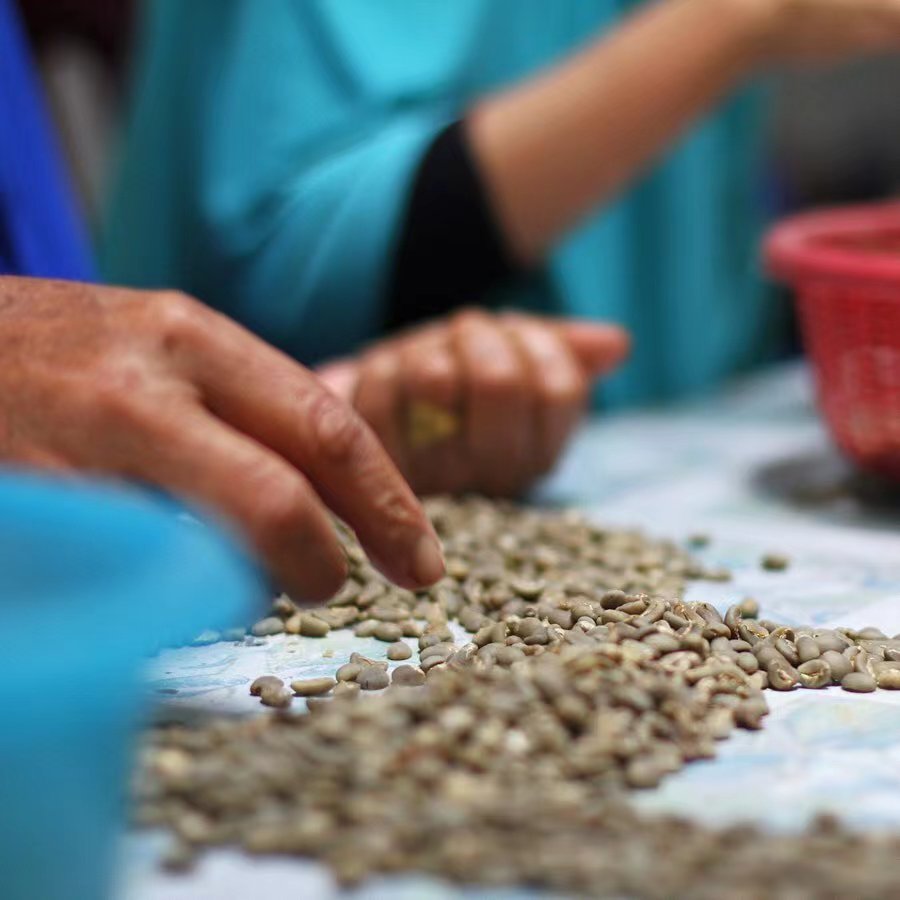
Due to Brazil’s vast area, differences in altitude and processing methods across various regions lead to noticeable variations in flavor profiles. To ensure the stability of the blend, roasters typically select beans from medium-to-low altitudes that are machine-harvested. While individual flavor notes may not stand out, these beans serve as an excellent buffering base, balancing the intense characteristics of other beans — one of the main reasons why they are commonly chosen for blends.
For coffee lovers who want to make espresso or lattes at home, understanding the correct blend and extraction parameters is especially important. Below is a guide on how to use the Mocha Java blend to produce a professional-grade espresso, including practical details on dosage, brew ratio, time control, and equipment suggestions.
Taking the commercial coffee machine Lelit Bianca as an example, its maximum pressure can reach 11 bar, but home machines usually achieve basic needs with just 9 bar. It is recommended to use a double-shot portafilter, with coffee dosage controlled between 18–20 grams, though 20 grams is most commonly used in practice. The ideal brew ratio is 1:2 — that is, 20 grams of coffee grounds yield 40 grams of espresso, with an extraction time suggested to be within 20–35 seconds, and 28–30 seconds being the optimal range to achieve a balance of intense flavor without over-extraction.
In practice, first dry the portafilter, grind about 20 grams of coffee, and weigh it accurately with an electronic scale. Then evenly distribute the grounds using a dosing spoon, and tamp the coffee puck firmly with a tamper to ensure stable water flow during extraction. After tamping, first run water to rinse the group head and clear any residue, then lock the portafilter in place to begin extraction. When around 40 grams of coffee liquid have been extracted and the time reaches approximately 30 seconds, you can stop and pour to enjoy.
The espresso produced from this blend usually features a distinct golden crema layer, with the crema color showing a clear gradient from dark to light, while also exuding a rich caramel aroma. When paired with a latte, it not only enhances the overall flavor richness but also allows the milk foam and coffee to merge into a smoother mouthfeel.
When making a hot latte, it is recommended to use a cup of about 30ml, pour in 40ml of double espresso, then steam 240ml of fresh milk to a warm state, with the milk foam thickness ideally controlled at around 0.5cm for easy latte art. Finally, evenly integrate the milk foam with the espresso, and use the remaining foam to create a simple design, completing a Mocha Java-style latte with rich flavor layers.
This Mocha Java blend latte, based on Mandheling and Brazilian beans, offers an initial burst of rich butter and caramel aromas upon tasting, followed by the sweetness of chocolate and milk, plus the delicate and velvety milk foam that makes the overall mouthfeel even more rounded and layered — an excellent choice for those who love milk-forward coffee flavors.
The above content is compiled by CoffeeHunters, a coffee news website.


