








Introduction:Although Tanzania’s Kilimanjaro AA coffee is not as well-known as Yirgacheffe or Kenyan coffee, it possesses unique flavor layers and high-quality potential. This article delves into the region’s geographical conditions, the characteristics of the classic Bourbon variety, and the impact of the washed processing method on its flavor profile. It also provides detailed pour over parameters and actual flavor notes to help coffee enthusiasts fully appreciate this specialty bean, often referred to as the “Gentleman of Coffee.”
Among the many African coffee-producing countries, Tanzania’s Kilimanjaro region is often overlooked but holds a unique charm that rivals that of Yirgacheffe and Kenya. The coffee here is grown in high-altitude volcanic soil, showcasing bright acidity and rich fruity aromas, with the AA-grade Bourbon variety being particularly noteworthy. This article will analyze the flavor origins of Kilimanjaro AA coffee through three core aspects—regional environment, variety traits, and processing techniques—and supplement the discussion with practical pour over recommendations and grading standards, offering you an in-depth understanding of this specialty coffee known as the “Gentleman of Coffee.”

The core production area of Kilimanjaro coffee is located in northeastern Tanzania, adjacent to Mount Kilimanjaro, Africa’s highest peak. The altitude here generally ranges from 1,300 to 2,000 meters, and the volcanic ash soil is rich in minerals, providing ideal growing conditions for coffee trees. It is understood that the coffee industry is a significant source of foreign exchange for Tanzania, with about 17% of its income relying on coffee exports. The Arusha region surrounding Kilimanjaro is a major cultivation area. The AA-grade coffee beans produced here, nurtured by volcanic soil, often exhibit pronounced cocoa and subtropical fruit aromas, with particularly outstanding balance between body and bright acidity.
Tanzanian coffee has long established a reputation in the European market and is hailed as the “Gentleman of Coffee,” standing alongside Blue Mountain (the King of Coffee) and Mocha (the Coffee Lady) as one of the “Three Musketeers of Coffee.” A certain café’s imported Kilimanjaro AA-grade coffee beans are the top representatives of the region. Its flavor profile is dominated by citrus and berries, complemented by honey sweetness and a tea-like aftertaste, making it suitable for drinkers who enjoy bright acidity and layered profiles.

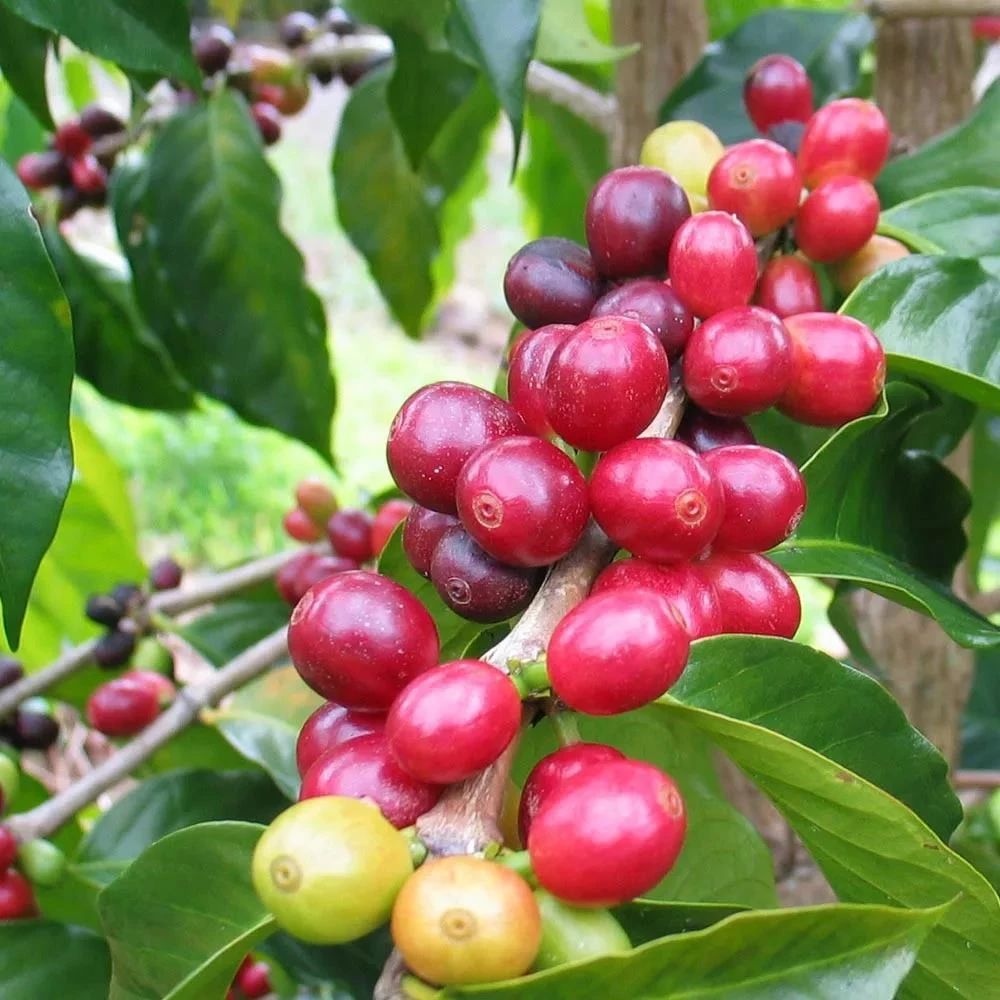
The variety of this coffee is Bourbon, a classic branch of the Arabica species with a long history. Bourbon was first introduced to the Kilimanjaro region of Tanzania by Catholic missionaries in 1898 and has been stably cultivated there ever since. Compared to the more common Typica, the Bourbon variety has broader leaves and a denser canopy, with about 30% higher yield per plant, though it is relatively weaker in disease resistance. Its beans are slightly round and short, with red fruit (Red Bourbon) being the most common, along with small portions of Yellow Bourbon and Pink Bourbon variants. In terms of flavor, Bourbon is known for its prominent berry acidity, creamy texture, and clear fruit notes, which are also one of the main reasons why Kilimanjaro AA coffee exhibits distinct citrus and berry flavors.
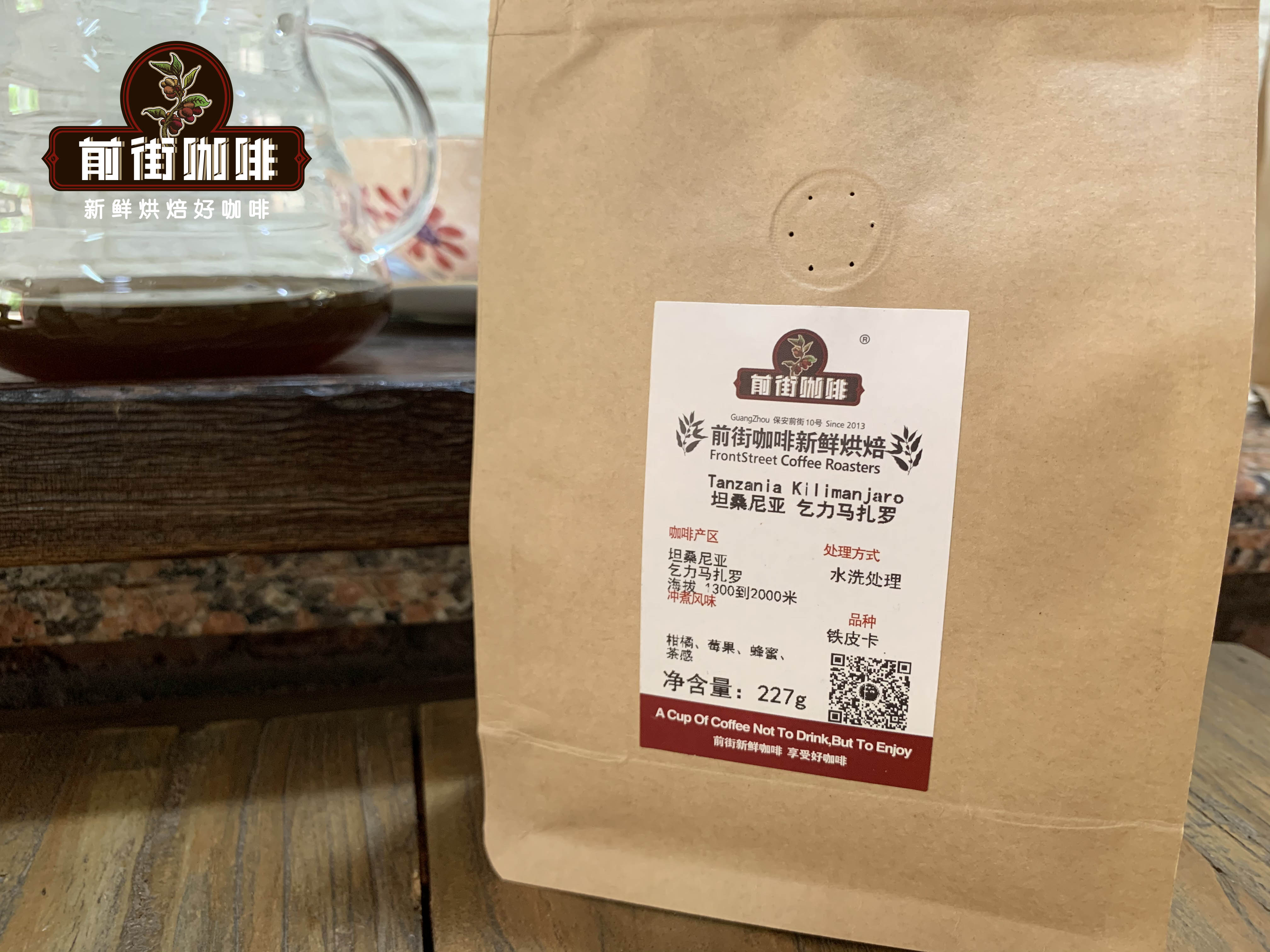
In terms of processing, this coffee uses the washed process (Washed Process), the most commonly used method by Tanzanian farmers, which enhances the clarity and purity of the coffee’s flavor. The standard washed process includes: first removing unripe cherries and impurities, then stripping the outer skin and pulp, followed by placing the mucilage-covered coffee beans into fermentation tanks where the pulp layer is broken down over 18 to 36 hours of fermentation. Finally, the beans are rinsed multiple times with clean water and dried until the moisture content stabilizes. This technique effectively reduces impurity interference, highlighting the coffee’s inherent fruit acidity and sweetness, making the citrus tone and honey sweetness of Kilimanjaro AA more distinct.
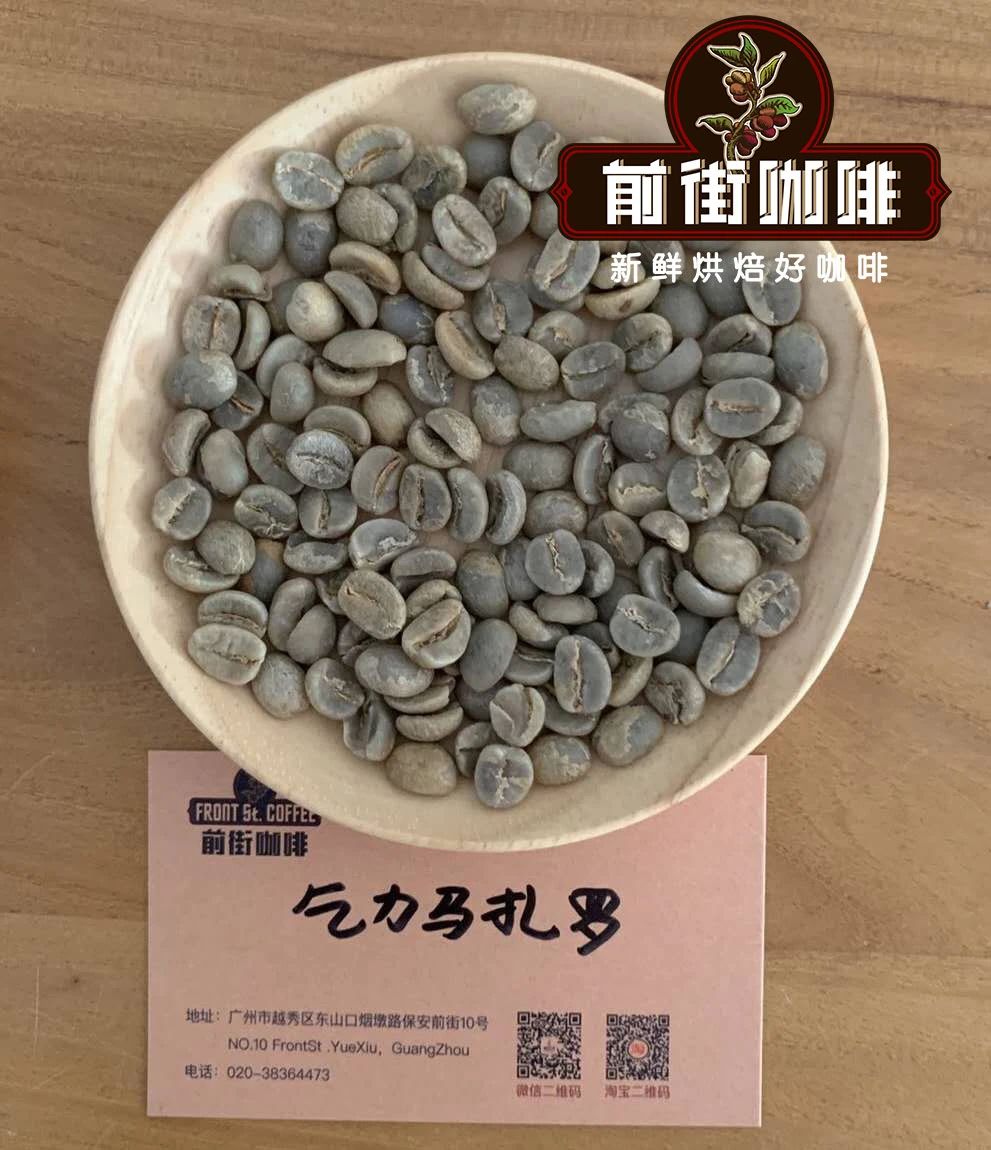
Regarding the AA grading standard, Tanzania and Kenya use a similar sieve system, with bean size as the primary criterion. The higher the sieve number, the more intact the bean and the lower the defect rate. Among them, AA grade is defined as beans that pass through a 17 to 18 mesh sieve (diameter of approximately 7.20mm), representing the country’s highest grade, typically with the richest flavor potential; AB grade (15 to 16 mesh, approximately 6.8mm~6.2mm) is the next level; PB grade refers to peaberry beans (about 10% of total volume); C grade consists of smaller 12 to 14 mesh beans (4.8mm~5.6mm). The Kilimanjaro AA coffee introduced in this article belongs to the highest grade, and its flavor performance is naturally superior.
For pour over practice, it is recommended to use a V60 cone dripper. Its wide opening and spiral rib structure facilitate filtrate flow and air release, making it ideal for highlighting the acidity, sweetness, and aroma characteristics of Kilimanjaro AA. The suggested parameters are as follows: water temperature controlled at 90–91°C, grind size similar to fine sugar (recommended to use a #20 sieve to achieve about 80% extraction rate), coffee-to-water ratio set at 1:15, with 15 grams of coffee. The specific technique involves a step extraction—start with a 30-second bloom using 30 grams of water, then pour in a small circular motion until reaching 125 grams for the first pause. After the water level drops, continue pouring until reaching 225 grams to finish. The total extraction time is about 2 minutes and 3 seconds (including bloom). These parameters balance the sharpness of acidity and the richness of body, allowing the berry aroma, citrus acidity and sweetness, mid-palate nutty notes, and honey aftertaste to be fully expressed.
In summary, Tanzania’s Kilimanjaro AA coffee, with its high-altitude volcanic soil, classic Bourbon variety, and refined washed process, creates a unique flavor profile that combines bright acidity, fruity layers, and a rich aftertaste. Whether you’re a coffee novice exploring the charm of African beans or an advanced enthusiast seeking a high-quality pour over bean, this AA-grade specialty is a choice worth savoring.
The above content is compiled by CoffeeHunters, a coffee news website.


