







Introduction:As one of the oldest varieties of Arabica coffee, Typica boasts unique elegant flavors and a rich historical lineage. This article delves into the global development trajectory of Typica, with a key focus on comparing the subtle flavor differences between washed Typica from Papua New Guinea and Typica from Jamaica’s Blue Mountain. It also provides practical pour over brewing suggestions and tasting tips to help coffee enthusiasts gain a more comprehensive understanding of this classic variety.
Typica is one of the oldest lineages within the Arabica coffee species and serves as a foundational element for many modern specialty coffee flavors. This ancient variety originating from Ethiopia is known for its refined and layered flavor profile, securing a distinguished place in the hearts of coffee lovers worldwide. Starting with its botanical background, this article traces how Typica spread from its place of origin to various corners of the world. It then focuses on two representative regions—Papua New Guinea and Jamaica’s Blue Mountain—to analyze their flavor differences under washed processing, while also offering practical pour over brewing recommendations.
Currently, the commercially cultivated coffee varieties are primarily categorized into three main types: Arabica, Robusta, and Liberica, among which Arabica is the most favored in the specialty coffee market. Arabica coffee trees are generally suited to high-altitude regions at low latitudes, where the environment helps foster a more complex and softer flavor profile. As an elder statesman within the Arabica family, Typica has given rise to numerous branches, including Java, Maragogype (elephant bean), San Ramon, and more. It can be considered the starting point of modern coffee variety evolution. By way of analogy, Typica is like the “archaeopteryx” of the coffee world—its genetic influence runs deep, and traces of it can still be found in many contemporary varieties.
The flavor of Typica coffee is typically characterized by cleanliness, brightness, and good sweetness, though actual performance can be significantly influenced by microclimatic factors such as altitude, climate, and soil of the growing region. For instance, Typica grown in high-altitude mountainous areas often exhibits richer fruit acidity and aromatic layers. Readers interested in gaining deeper insight into Typica’s flavor traits may try tasting samples from different regions using the pour over method to appreciate its nuanced differences.
Typica was first introduced to various parts of the world by European colonizers. The Dutch were the first to plant it on Java Island in Indonesia, followed by the French who brought it to the Caribbean region and then gradually spread it to Central and South America. However, due to Typica’s relatively low yield and weaker resistance to diseases such as coffee leaf rust, many regions have gradually reduced large-scale monoculture planting of this single variety. Nevertheless, thanks to its unique flavor profile, Typica remains a classic choice for many specialty coffee farms and roasters.
When it comes to the most iconic regions for Typica, Jamaica’s Blue Mountain is undoubtedly the top contender. The island’s unique maritime climate, coupled with the perpetually misty environment, gives Blue Mountain Typica a balanced and refined flavor profile. The Typica grown here achieves a perfect harmony of sweetness and acidity, with a clean and layered mouthfeel, earning its reputation as one of the world’s top-tier coffees. However, due to its limited production and high price, Blue Mountain coffee is often regarded as a premium gift or collectible choice.
If you’re looking to experience a Typica flavor similar to Blue Mountain at a more accessible price point, washed Typica from Papua New Guinea (PNG) is an excellent alternative. This Pacific island region shares certain geographical and climatic similarities with Blue Mountain. Coupled with the widespread use of washed processing, PNG Typica often presents a well-balanced profile of caramel, creamy nuts, chocolate, and berry acidity. Especially under appropriately light to medium roasting, its fresh and layered aromatic features are further highlighted.
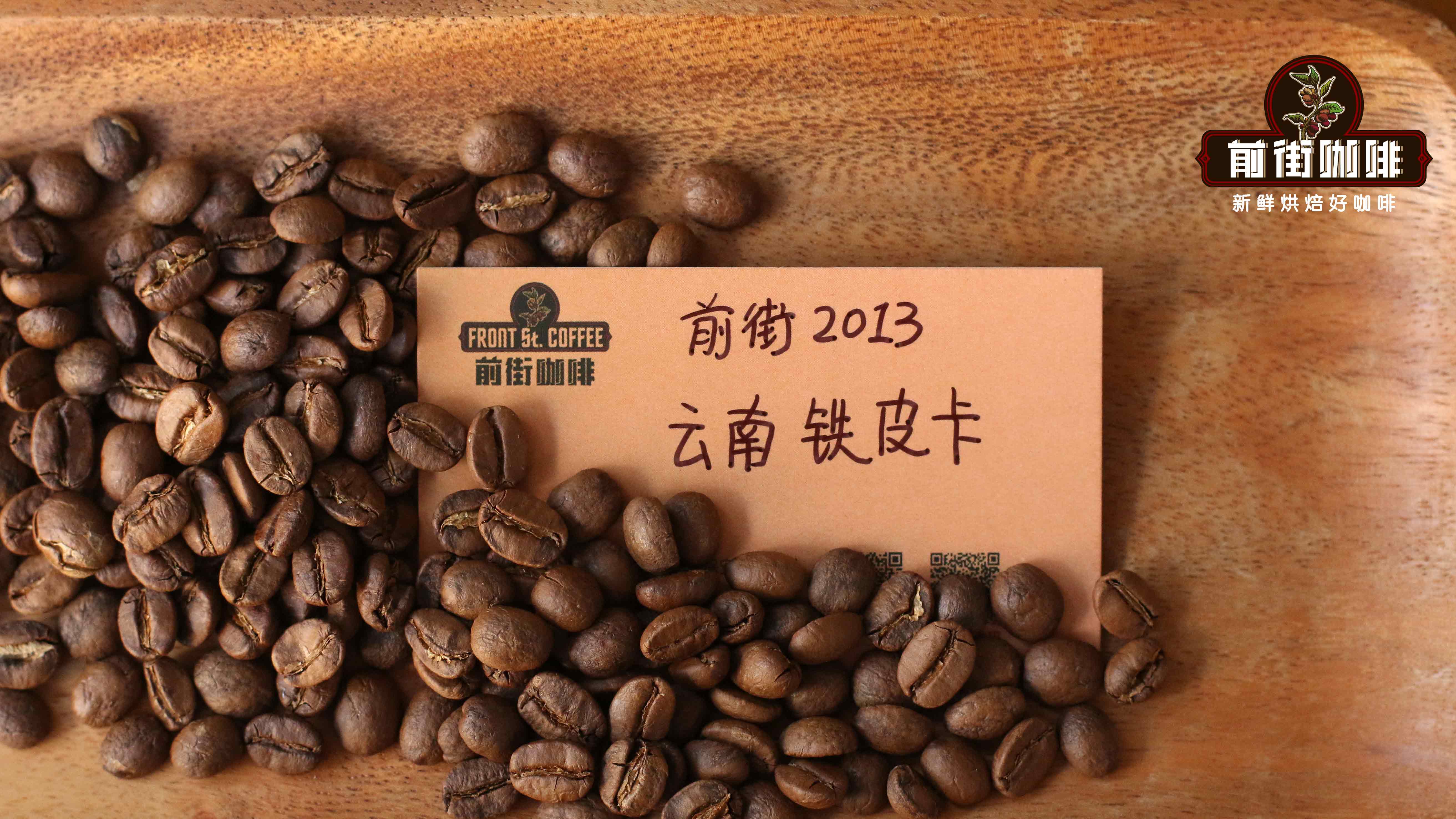
Additionally, for readers interested in trying sun-dried processing methods, you may also want to look out for Typica produced in some high-altitude regions, such as certain Yunnan-grown or historical batches of small-bean Typica. When processed through sun drying and medium roasting, these coffees often exhibit dried apricot-like sweetness and acidity, nutty tones, and brown sugar sweetness, with even a hint of tea-like aftertaste. They are highly suitable for brewing via pour over, cold brew, siphon, or drip bags, offering an opportunity to further explore the diverse expressions of Typica.
The above content is compiled by CoffeeHunters, a coffee news website.


