







Introduction:Dirty coffee, with its distinctive layered visuals and the contrast between hot and cold flavors, has become a popular choice in specialty coffee shops in recent years. But is its appeal only skin-deep? This article delves into the origins of Dirty coffee, how it differs from the traditional “dirty coffee,” and offers tips on selecting coffee beans and milk, as well as sharing layering techniques and practical brewing pointers to help readers understand the charm of this trending beverage.
In recent years, Dirty coffee has emerged as a star product in many specialty coffee shops—not only frequently appearing on menus but also becoming a must-order signature drink for many customers. It is neither an extension of traditional espresso beverages nor simply an iced latte without ice. Instead, it wins the hearts of coffee enthusiasts through its striking layered visuals, the interplay of hot and cold temperatures, and flexible ingredient combinations. This article will explore why Dirty has gained popularity, compare it with the earlier “dirty coffee,” and discuss how to choose suitable coffee beans and milk, while analyzing the techniques required to craft a Dirty with distinct layers and outstanding flavors.
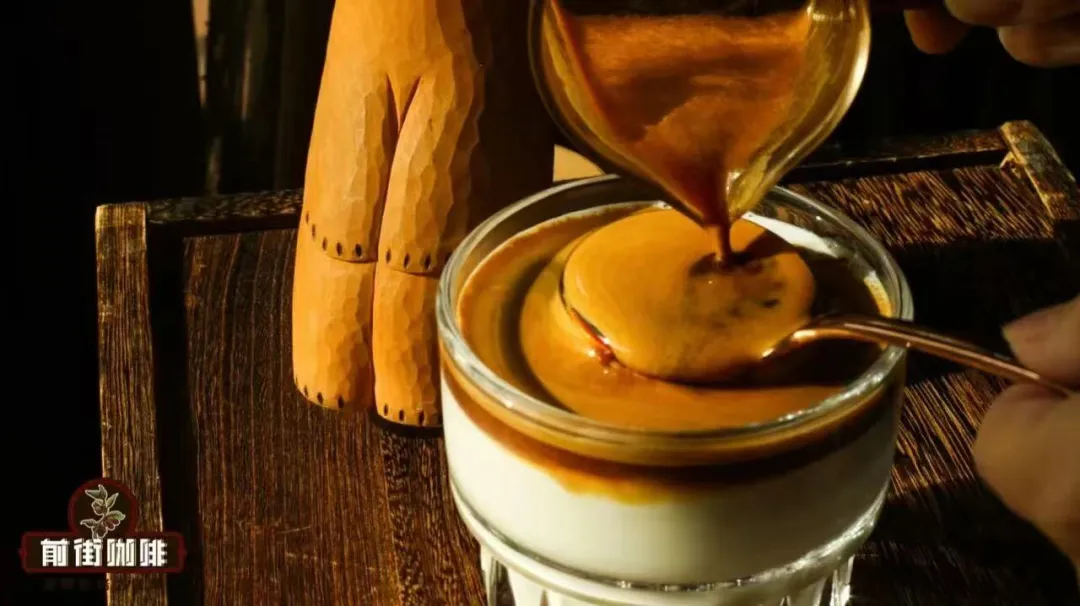
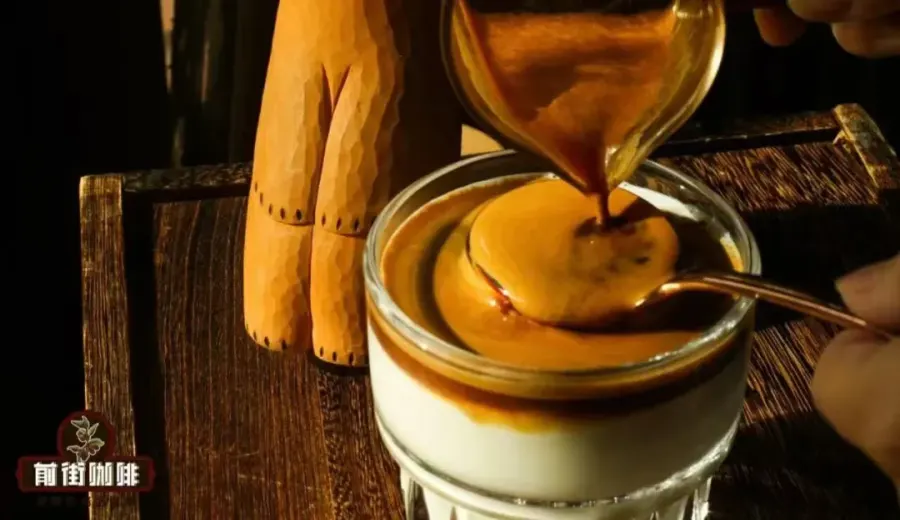
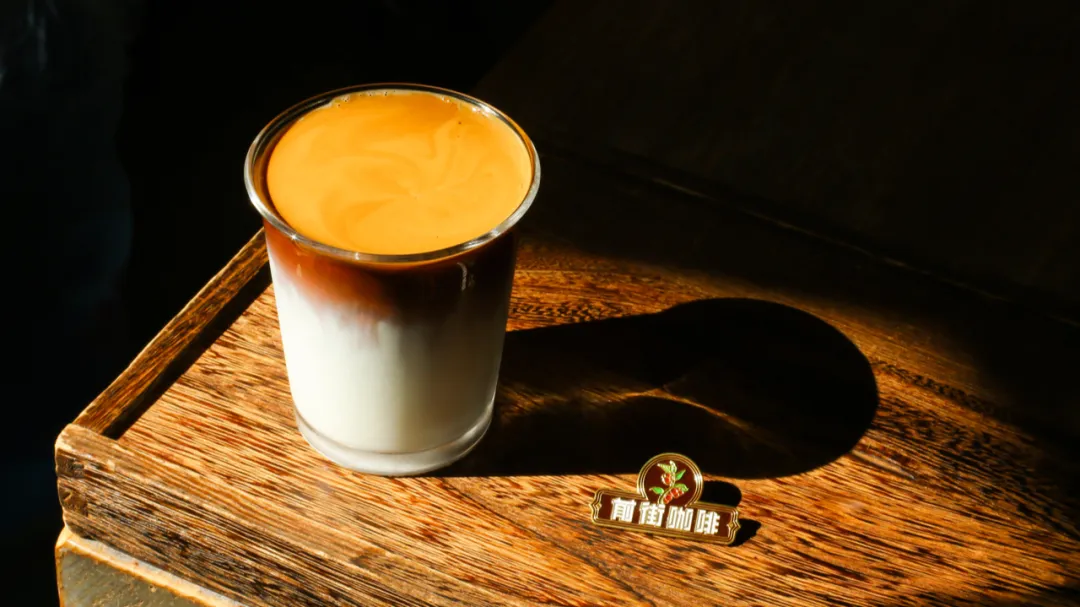
The method of making Dirty coffee is actually quite simple: chilled milk is poured into a cup first, followed by slowly pouring hot espresso over it. The temperature difference causes the two liquids to naturally separate, creating a visually striking contrast of hot on top and cold at the bottom. Although Dirty coffee appeared much later than traditional espresso drinks, its market acceptance has risen rapidly, even becoming a bestseller in many coffee shops. It’s common to see it featured on shop recommendation lists, which raises the question: why is Dirty so popular?
The rise of Dirty coffee is closely tied to the earlier “dirty culture.” At that time, many desserts and drinks deliberately used ingredients like chocolate and cream to create a “messy” visual effect—examples include dirty buns and dirty doughnuts—which became popular photo-worthy items on social media. This trend also spilled over into the coffee world, with many shops offering coffee drinks that looked “dirty.” However, these products mostly relied on added ingredients to create their visual appeal, which is quite different from the Dirty coffee we know today.
Today’s popular Dirty coffee is actually made from a simple combination—espresso and fresh milk—where the contrast in temperature and texture creates the layered effect, rather than relying on additional decorations. This presentation not only looks clean and appealing, but also allows drinkers to experience the hot aroma of espresso and the coolness of milk in the very first sip, delivering a strong and surprising flavor contrast. This unique drinking experience is a key reason why it has gradually replaced the earlier “dirty coffee” and has firmly established itself in the specialty coffee market.
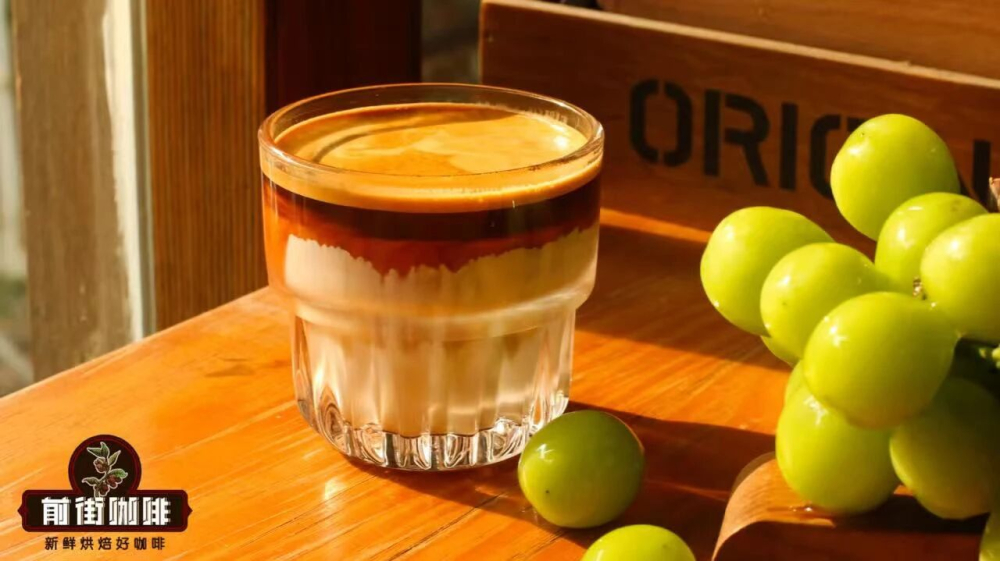
The ingredients of Dirty coffee are actually similar to those of an iced latte, both based on espresso and milk. The only difference is that Dirty does not include ice cubes, which is why it is often jokingly referred to as an “iced latte without ice.” However, to brew a flavorful Dirty, it is recommended to use medium-to-dark roasted blends or single-origin espresso (SOE). These beans typically have pronounced caramel, nutty, or toasted bread aromas that contrast well with the sweetness of milk, resulting in a richer flavor profile and lingering aftertaste. For those seeking stable performance and good value, medium-to-dark roasted blends are a great option—they usually have a rich body and intense aroma, perfect for presenting a bold-flavored Dirty.
If you prefer the uniqueness of single-origin beans, you can opt for options with distinct caramel and chocolate notes, such as Sumatra Golden Mandheling or Queen Estate SOE. These beans can release deep aromas after extraction, creating a more pronounced contrast when interacting with pure milk. For consumers who prefer a fresher flavor profile, it’s recommended to choose medium-to-light roasted beans, such as strawberry sugar Espresso or Huagui SOE with prominent fruity notes. Espresso made from these beans can result in a lighter, fruit-forward Dirty flavor.
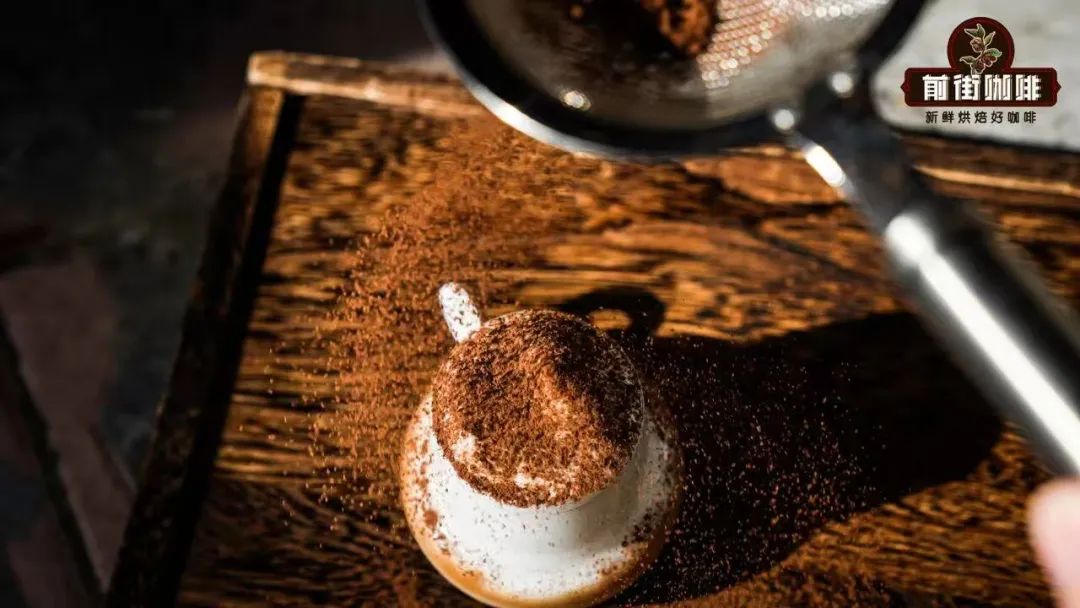
One of the charms of Dirty coffee lies in its intentional preservation of the separated layers of espresso and milk, rather than letting them blend quickly. This design allows drinkers to experience the hot, aromatic intensity of espresso and the cool, refreshing sweetness of milk in a single sip, creating a multi-dimensional and dynamic flavor experience. This contrast between hot and cold not only stimulates the taste buds but also enhances the enjoyment of drinking. Therefore, when making Dirty, special attention is paid to the way espresso is poured—it is recommended to pour it slowly and centrally to avoid disrupting the layered effect, thereby preserving the best visual and flavor layers.
Because of this layered characteristic, Dirty demonstrates a high level of compatibility with different ingredients. For example, many coffee drinks are limited by the ratio or flavor pairing of milk and coffee, but Dirty easily overcomes these challenges. Take, for instance, concentrated milk—this type of milk, with higher concentration and more pronounced sweetness, might overpower the flavor of coffee in drinks like lattes or flat whites. However, in Dirty coffee, since the two are not fully mixed, the richness of concentrated milk can actually enhance the contrast with espresso, making the overall flavor more three-dimensional.
Besides milk, the choice of coffee beans also offers great flexibility. Dirty doesn’t require an absolute balance between coffee and milk; instead, it encourages exploration of various roast levels and flavor characteristics. As long as appropriate extraction parameters are mastered, the potential of different beans can be fully expressed. This quality allows baristas to get creative with Dirty, introducing innovative variations such as white toast Dirty, grape oolong Dirty, or pistachio Dirty, greatly expanding the flavor possibilities of this drink.
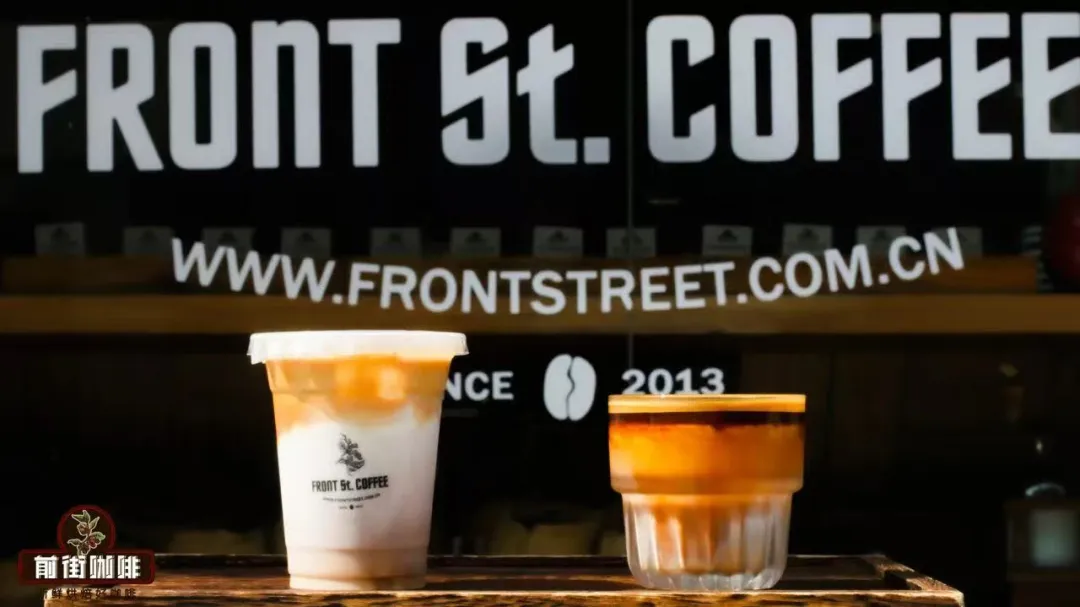
In summary, the enduring popularity of Dirty coffee stems not only from its eye-catching layered visuals and unique hot-and-cold flavor experience but also from its high ingredient compatibility, enabling creators to continually innovate. Whether you’re a coffee enthusiast seeking stable flavors or an adventurer eager to explore new and exciting tastes, Dirty offers a variety of options and experiences, making it a trendy coffee type well worth exploring and savoring.
The above content is compiled by CoffeeHunters, a coffee news website.


