







Introduction:Yirgacheffe in Ethiopia is hailed as the holy grail for specialty coffee beginners, with its distinctive floral and citrus notes leaving an unforgettable first impression. This article delves into the region’s geographical background, processing method variations, and offers practical bean selection tips and pour over techniques. Whether you’re a novice or an advanced enthusiast, you’ll find a brewing style that suits you—come explore the ever-changing flavors of Yirgacheffe.
Ethiopia is the cradle of coffee, and Yirgacheffe is where many begin their journey into specialty coffee. Blessed with an exceptional growing environment and known for its unique washed and natural processing methods, it produces unmistakable citrus, floral, and bright acidity profiles. This article will guide you through everything from regional introductions and bean variety characteristics to practical brewing advice, helping you fully understand how to select and brew a captivating cup of Yirgacheffe.
Located in southern Ethiopia, Yirgacheffe originally meant "natural wetland" and was once a small town within the Sidamo region. Due to its coffee’s typically prominent floral and citrus acidity notes, it separated from Sidamo in 2010 to become an independent and highly regarded region. The area is rich in water resources, and many coffee farmers employ washed processing methods, resulting in clean, bright acidity and delicate flavor layers. Additionally, natural and special processing methods are also common here, offering a diverse range of flavor experiences.

Most of Yirgacheffe’s coffee is grown by local smallholder farmers in their backyards and then sent to cooperatives for unified processing and export. Due to the influence of terrain and climate, the region cultivates a wide variety of coffee plants, many of which are uncategorized native varieties collectively referred to as “Ethiopian Heirloom.” Owing to crossbreeding and natural mutations, these beans vary significantly in size, which is one of their defining features.
The most common processing method in this region is washed, which involves precise pulp removal, fermentation, and washing procedures to enhance clean acidity and vibrant fruit notes. Common flavors include lemon, berries, and jasmine. Naturally processed Yirgacheffe, on the other hand, dries the entire coffee cherry, preserving more sweetness and fermentation complexity, resulting in a profile of berries, strawberries, and subtle wine-like aromas. Special processing methods such as anaerobic fermentation further highlight specific flavor characteristics, making them ideal for coffee lovers seeking novel experiences.
For those new to specialty coffee, it’s recommended to start with washed Yirgacheffe, whose gentler acidity and lower bitterness help you gradually appreciate the coffee’s layers and regional traits. Choosing light to medium roasted beans better preserves bright acidity and fruity notes, making it the perfect entry point.
To fully experience the flavors of Yirgacheffe, pour over is one of the most recommended brewing methods. It’s suggested to use a medium-fine grind (close to 80% of a No. 20 Chinese sieve, about the size of fine sugar), with water temperature controlled at 90 to 91°C, and using a 1:15 coffee-to-water ratiofor extraction. The specific steps are as follows: first pour 30 grams of water for blooming, for about 30 seconds; then proceed with the second circular pour up to 125 grams, wait until the water level drops by half, and then continue pouring up to 225 grams. Keep the total extraction time between 2 minutes and 2 minutes 10 secondsto fully showcase its fresh fruity acidity and delicate floral notes.
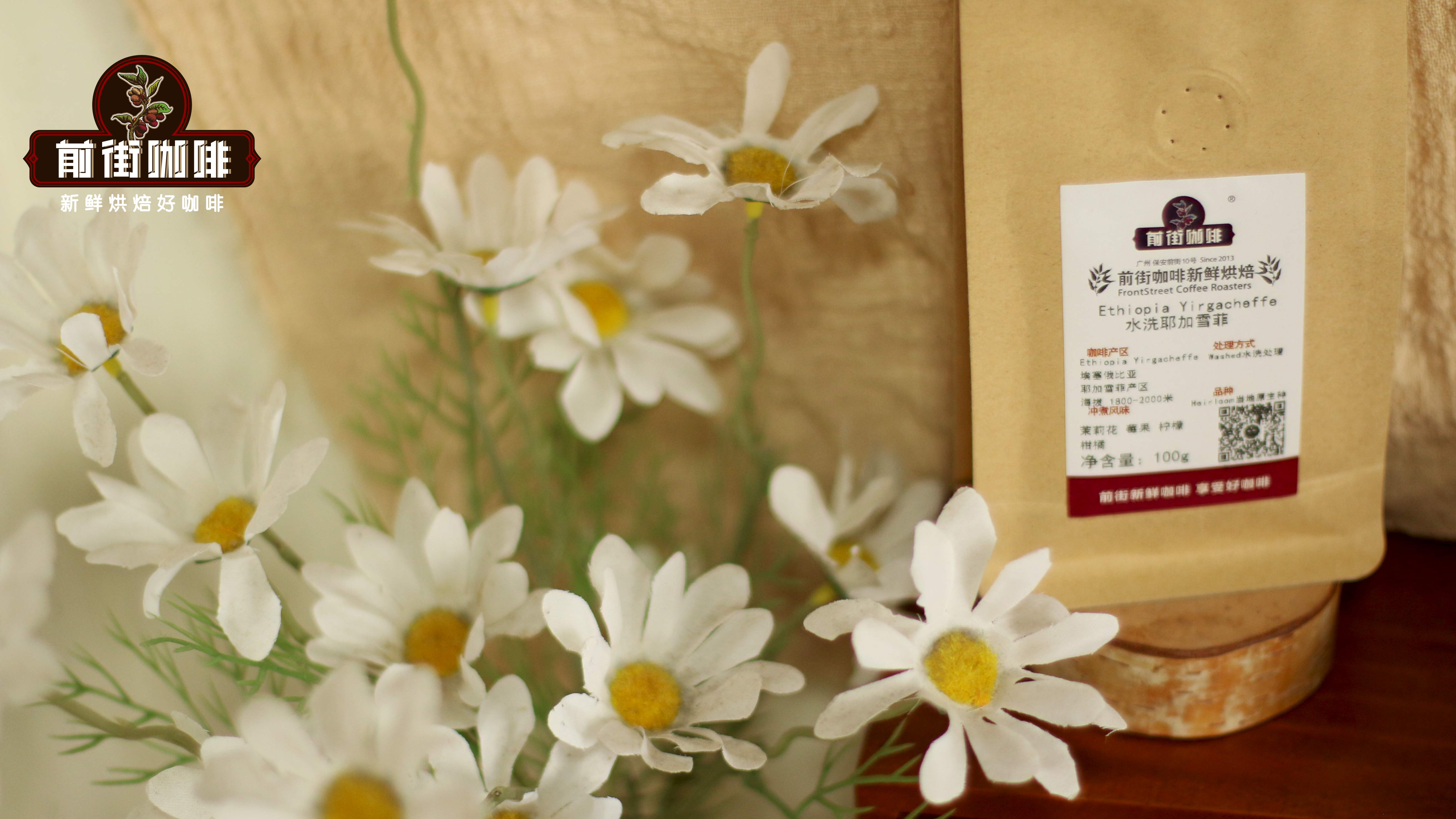
Different processing methods of Yirgacheffe also yield distinctly varied flavor profiles. Washed versions commonly feature jasmine, berries, lemon, and citrus, offering an overall clean and bright cup; naturally processed red cherry coffees present intense berry, strawberry, and fermentation aromas, with more pronounced sweetness. If you opt for washed beans from cooperatives like Worka or Kochere, you may detect notes of lemon, plum, pomelo, or even subtle Tieguanyin tea-like or orange blossom undertones. These differences stem not only from the processing methods but also from each cooperative’s microclimate, altitude, and processing details.
In summary, Yirgacheffe is not just Ethiopia’s pride but also a global mecca for specialty coffee enthusiasts. Whether you prefer the bright and clean flavors of washed processing or the rich, complex profiles of natural methods, mastering the right bean selection and brewing parameters will allow you to uncover endless coffee joys. Start today with a carefully brewed cup of Yirgacheffe and embark on your own sensory coffee journey.
The above content is compiled by CoffeeHunters, a coffee news website.


