







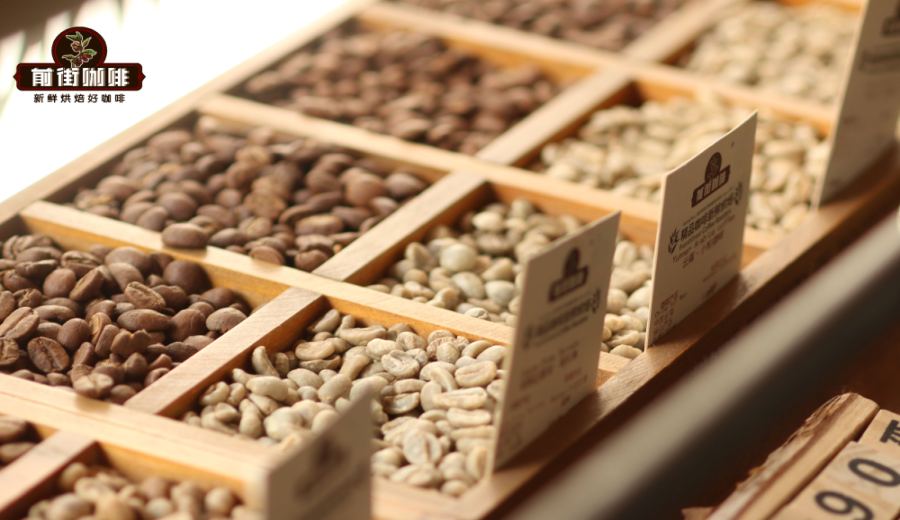
Introduction:Indonesian PWN Golden Mandheling is celebrated by many coffee enthusiasts for its rich yet clean flavor profile, free from earthy or musty notes, making it a flagship representation of premium Mandheling. This article delves into the origin of this coffee, its variety characteristics, and the wet-hulled processing method. It also explores the changes in the new crop from Gayo Mountain, Aceh, and the origins of the Golden Mandheling trademark. Additionally, professional roasting parameters and pour over recommendations are provided to help you fully appreciate the charm of this classic bean.
Coffee lovers who enjoy bold and full-bodied flavors are likely familiar with the name Indonesian Mandheling. However, many first-timers are often put off by its distinctive earthy and herbal undertones. In contrast, this PWN Golden Mandheling from a specific supplier showcases a completely different character—smooth like chocolate, with pronounced sweetness and a long-lasting aftertaste, leaving a memorable impression. This new crop coffee from Gayo Mountain, Aceh, Sumatra, not only has an attractive bean appearance but has also undergone rigorous green bean selection, making it a true PWN Golden Mandheling.
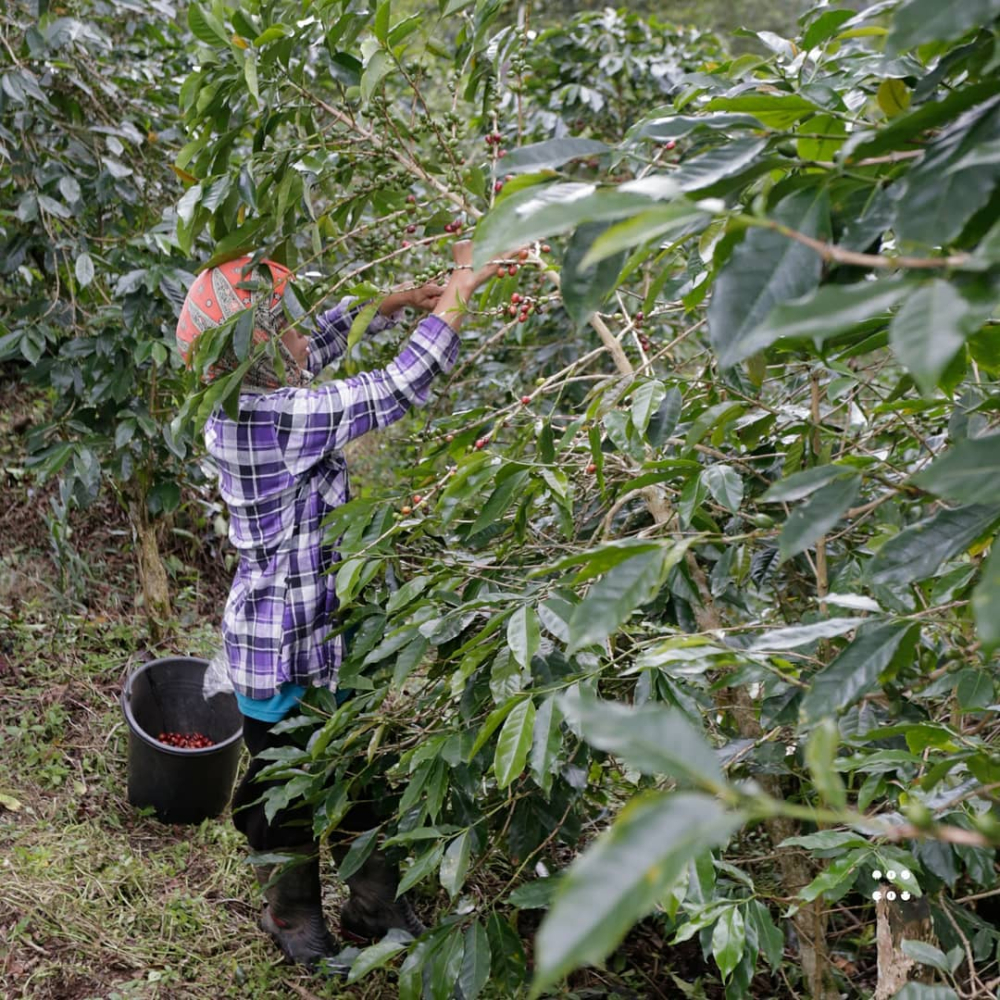
This coffee is grown in the Gayo Mountains of Aceh Province, Sumatra, Indonesia, at altitudes ranging from 1100 to 1600 meters. Located at the northernmost tip of Sumatra, Gayo Mountain is surrounded by the town of Takegon and Lake Tawar. Although export challenges arose due to political instability in the past, with the situation now stabilized, the coffee quality from this region has gradually gained market recognition—some aspects even surpassing the traditional Lintong region. PWN selected this area as the source for the new crop to deliver a higher-quality Mandheling with more complex flavors.
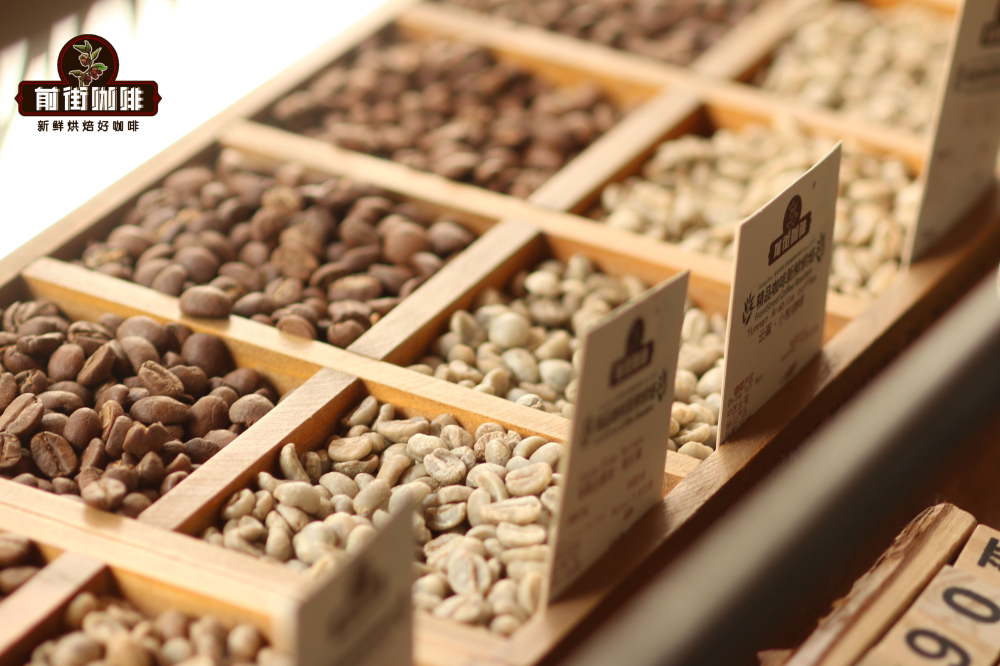
PWN Golden Mandheling uses the locally common Ateng variety, which is actually the Indonesian term for Catimor. Catimor is a hybrid of the Timor variety of Robusta and Caturra, known for its disease resistance and high yield, making it widely cultivated across various coffee-growing regions in Indonesia. Though it is not a pure Arabica, with proper processing and careful selection, it can still produce rich and layered flavors. Notably, this coffee is made from 100% red cherry harvest and undergoes at least three rounds of manual sorting plus one mechanical sorting to ensure the quality of every single green bean.
Due to Indonesia’s equatorial location, its hot and humid climate makes traditional washed or natural processing methods difficult to implement. As a result, the region developed the unique “wet-hulled” method. The hallmark of wet-hulling is that after removing the fruit skin and undergoing initial fermentation, the beans are hulled to remove the parchment layer while the moisture content is still relatively high, significantly shortening the drying time. This process not only improves efficiency but also imparts the distinctive spice, herbal, and woody notes to Mandheling, as well as contributing to the enticing roasted toast, nutty, and caramel aromas of PWN Golden Mandheling.
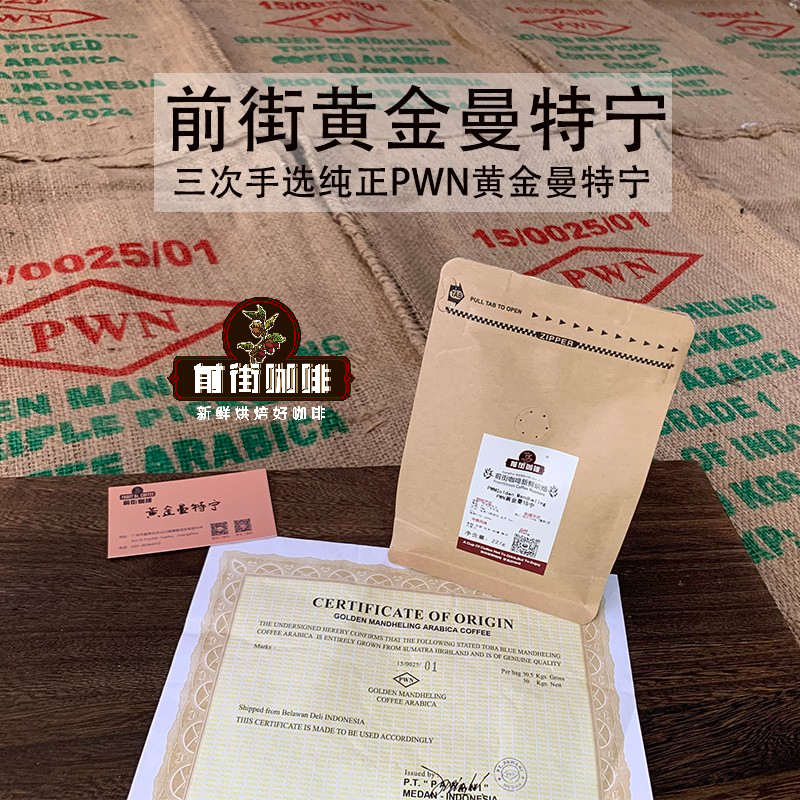
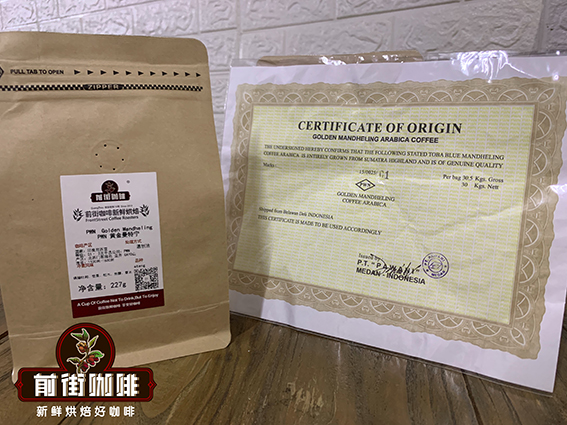
To understand the origins of PWN Golden Mandheling, one must look at PWN Company—a trading firm founded by ethnic Chinese, headquartered in Medan, Sumatra, with a long-standing business in exporting various agricultural products including coffee. As early as 1957, PWN began exporting Sumatran coffee to the Japanese market, where it quickly gained popularity among local consumers. In fact, the term “Golden Mandheling” originated from Japanese buyers describing high-quality Mandheling beans—those that underwent four rounds of manual sorting to retain only defect-free beans, which gleamed with a golden hue under sunlight, hence the name. However, the name “Golden Mandheling” has been registered as a trademark by PWN, becoming its proprietary term and ensuring that the brand’s Mandheling maintains consistently high quality.
For brewing PWN Golden Mandheling, a medium-dark roast is recommended to fully highlight its sweetness and full-bodied flavors. This recommendation uses the KONO filter to mimic the richness of a cloth drip. The grind size is set to medium-coarse, with a 1:15 coffee-to-water ratio, using water at 88°C for extraction. The specific steps are: start with a 30-second bloom using 30 grams of water, followed by pouring 120 grams in a circular motion, and then another 100 grams, with the total extraction time kept around 2 minutes. This approach enhances the clarity of the coffee’s chocolate, caramel, and spice layers while maintaining a clean mouthfeel and a pronounced aftertaste.
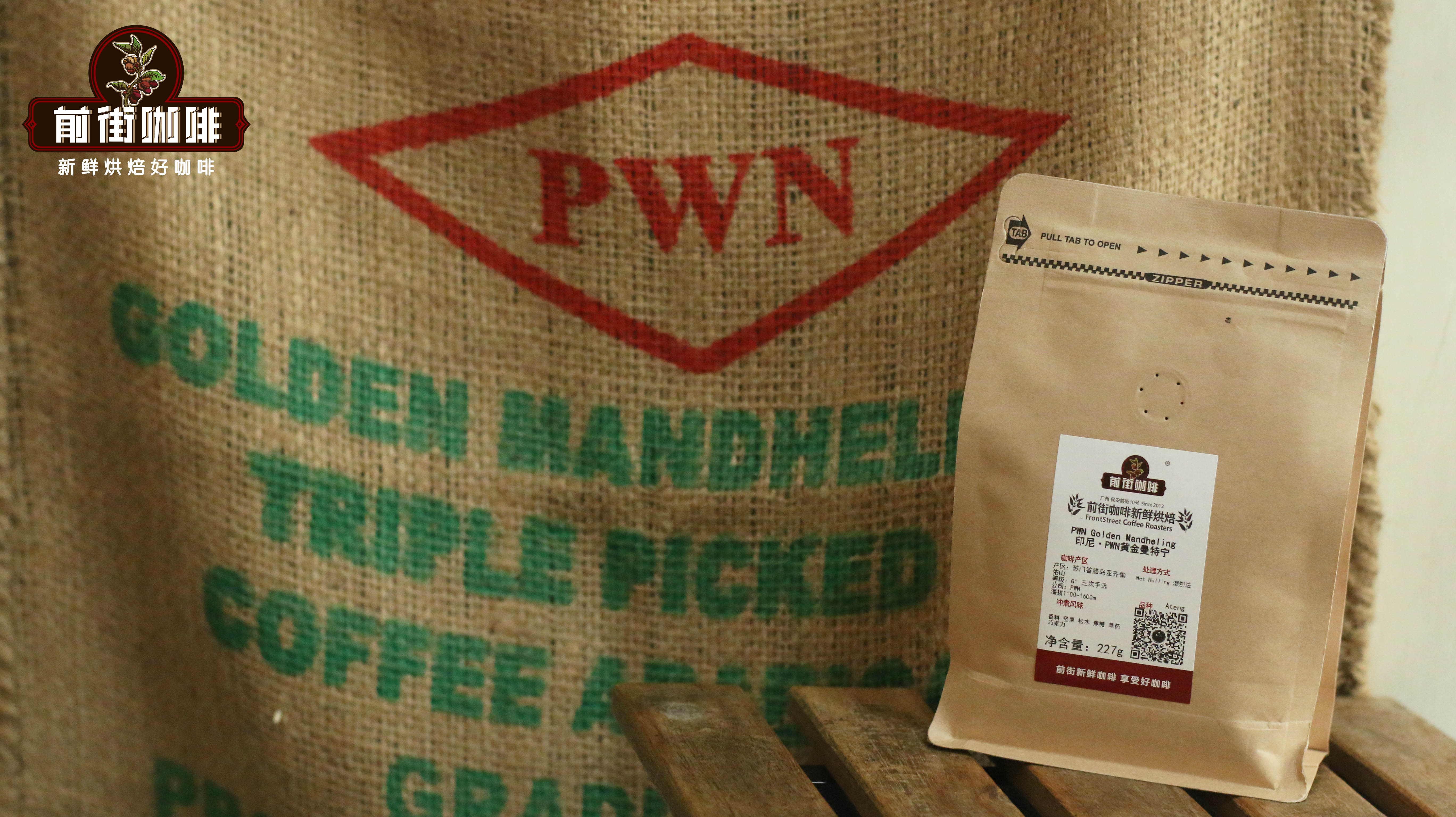
In terms of roasting, PWN Golden Mandheling, with its inherently rich and sweet profile, can still achieve excellent clarity and sweetness even without being roasted to a deep level beyond the second crack. It is suggested to start with a drum temperature of 200°C and a fan setting of 3. Adjust the heat and airflow before the first crack, which typically occurs around 9 minutes and 54 seconds. The beans can then be dropped at 204.5°C to preserve their vibrant aromas and moderate body, making them suitable for most brewing methods, especially excelling in pour over and French press.
In summary, Indonesian PWN Golden Mandheling stands out thanks to its high-altitude cultivation in Gayo Mountain, Aceh, meticulous green bean selection, and unique wet-hulled processing method. These factors contribute to its rich yet smooth texture, complex aromas, and enchanting sweetness. Whether you’re a coffee novice or a seasoned enthusiast, this classic Mandheling is a premium coffee worth exploring and savoring.
The above content is compiled by CoffeeHunters, a coffee news website.


