







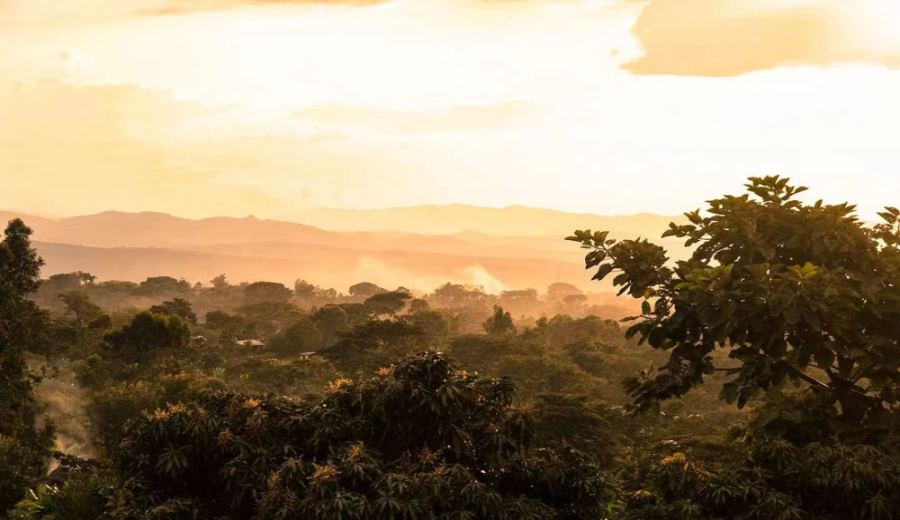
Introduction:Ethiopia is hailed as the genetic cradle of coffee, boasting the world’s richest variety of coffee species and diverse cultivation systems. This article takes you on an in-depth journey through the country’s nine major specialty and commercial coffee-growing regions—from altitude, climate, and processing methods to flavor profiles—and provides practical pour over parameters and cupping insights to help you embark on your own Ethiopian coffee flavor adventure.
Ethiopia is not only the birthplace of coffee but also one of the world’s most important genetic banks for specialty coffee. The country encompasses four cultivation systems—forest, semi-forest, garden, and plantation—nurturing nine renowned regions such as Yirgacheffe, Sidamo, and Harrar, each showcasing unique flavor characteristics. This article will detail the geographical environment, altitude, processing methods, and flavor profiles of these regions, along with practical pour over brewing recommendations, enabling coffee enthusiasts to gain a more comprehensive understanding and appreciation of Ethiopian coffee.
Geographical and Climatic Background
Located in East Africa, Ethiopia has its capital in Addis Ababa, with Amharic as the official language and Christianity as the predominant religion. The country features a predominantly highland climate, with an average annual temperature of about 15–20°C and annual rainfall ranging between 1,000 and 2,000 mm. Over half of its land is covered by fertile volcanic soil, providing ideal conditions for coffee cultivation. Coffee exports are a vital part of Ethiopia’s economy, though the country lacks direct access to the sea and primarily ships its coffee through the port of Djibouti.
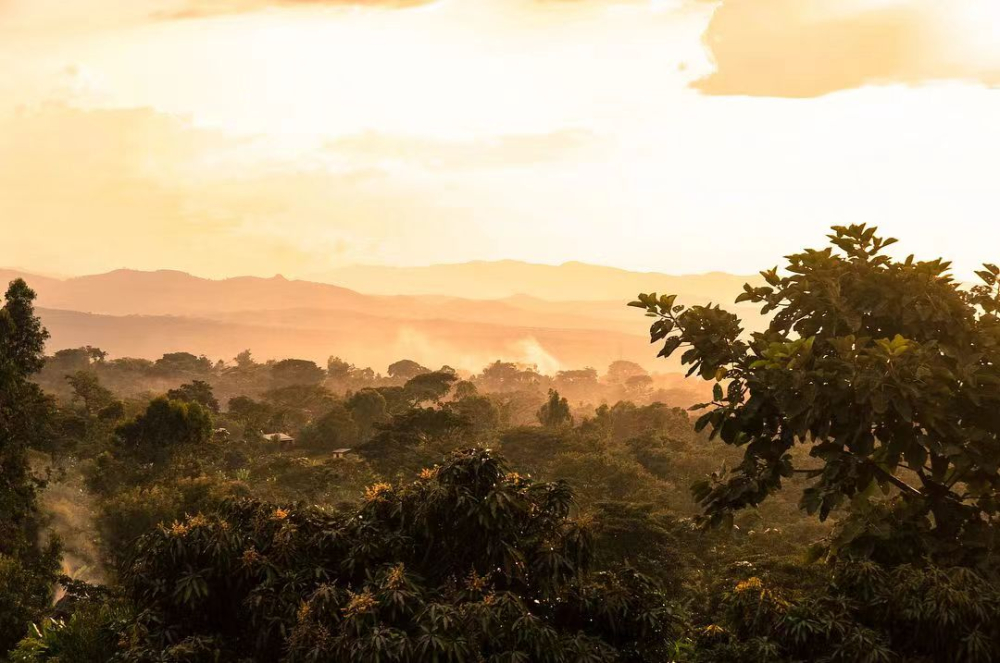
Four Cultivation Systems and Nine Regions
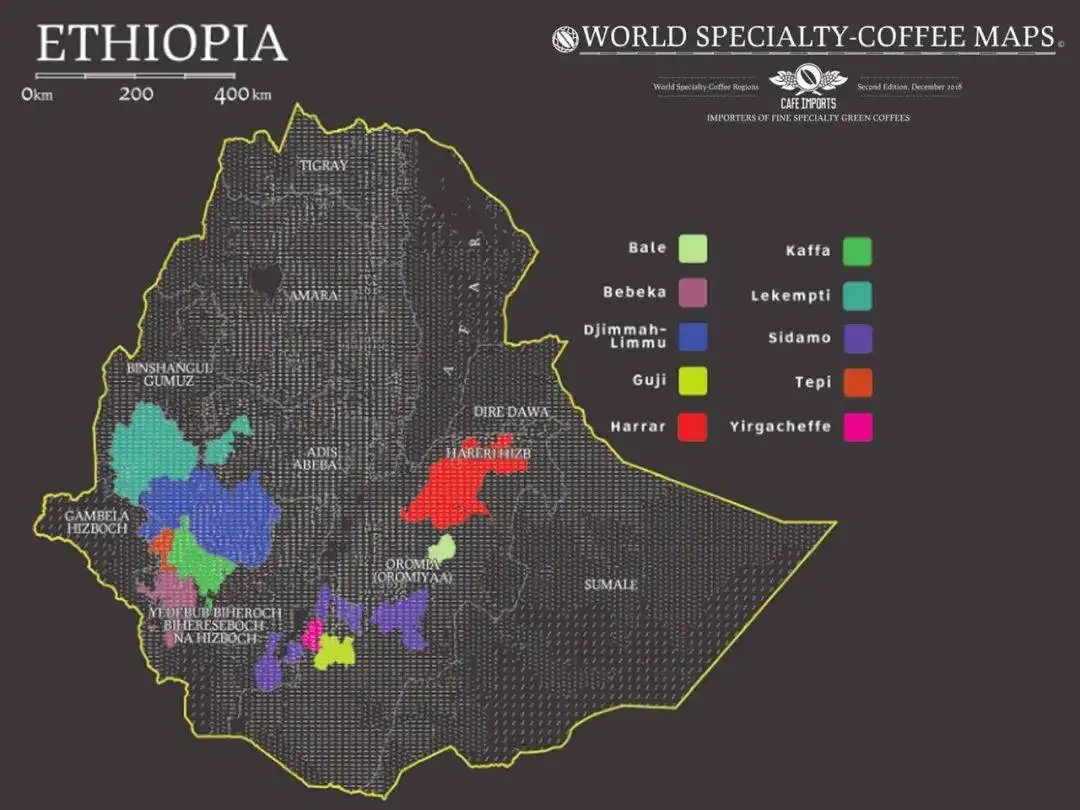
Coffee farming in Ethiopia can be divided into four types: forest coffee, semi-forest coffee, garden coffee, and plantation coffee. The first three are mostly managed by smallholders using traditional methods and are the primary sources of specialty coffee. The country is broadly divided into nine main regions: Gimma, Sidamo, Yirgacheffe, Harrar, Limu, Illubabor, Jimma (Lekempti), Teppi, and Bebeka, along with monastery-grown coffees around Lake Tana. Each area exhibits distinctly different flavor profiles due to variations in terrain, altitude, and processing methods.
For example, western regions such as Teppi, Begemder, Illubabor, and the area around Lake Tana in the northwest produce larger coffee beans with bold, wild flavors but relatively softer acidity. In contrast, central and southern regions like Limu, Yirgacheffe, and Sidamo are known for their pronounced floral notes, bright acidity, and fruity profiles, often with more consistent quality. The Harrar region combines the dry eastern climate with unique sun-drying techniques to produce coffees with strong fermentation characteristics and berry flavors.
Yirgacheffe: The Classic Representative of Citrus and Floral Notes
Originally part of Sidamo, Yirgacheffe was designated as a separate region due to its distinctive flavors. The region sits at elevations between 1,700 and 2,400 meters, primarily employing garden cultivation and focusing on washed and natural processing methods, with recent high-quality semi-washed lots also emerging. It includes several sub-regions within the Gedeo Zone, such as Wenago, Kochere, Gelena, and Abaya, with higher-grade classifications like Yirgacheffe A and Kochere A commanding premium prices.
Cupping by a well-known coffee brand noted that Yirgacheffe coffees often exhibit bright citrus acidity and delicate white floral notes, with finishes of almond and tea-like aftertastes. Representative lots include the “Gutiti Cooperative Washed,” which offers flavors of citrus, black tea, caramel, almond, and green tea, while the “Aleltu Natural” presents intense citrus, berries, fermented aromas, and a creamy smooth mouthfeel.
Sidamo: Stable and Diverse Fruit Profiles
Sidamo lies at elevations of 1,400 to 2,200 meters, sharing similar varieties with Yirgacheffe and is equally celebrated for its refined floral and citrus notes. Farmers in this region often intercrop coffee with other plants like false banana trees, yielding medium-sized beans with some short-statured small-bean varieties. The “Huakui Coffee” produced by Buku Able Processing Station, processed via natural method, delivers a juicy body with bright acidity and a structured profile, featuring flavors of citrus, strawberry, passion fruit, and black tea.
Harrar: The King of Wild and Fermented Complexity
The Harrar region is located on the eastern plateau at elevations of 1,500 to 2,400 meters, where sun-dried processing dominates. Due to low annual rainfall, almost all coffee here is processed naturally, resulting in intense berry aromas and unique fermented complexity, often seen as a symbol of Ethiopia’s ancient coffee flavors. However, quality can vary significantly in this region, making defect sorting especially crucial. It’s recommended to sample or review cupping data before purchasing.
Limu, Gimma, and Illubabor: Diverse Commercial Regions
Limu, at altitudes of 1,200 to 2,000 meters, has relatively low production and is mainly exported to Europe and the U.S., offering grassy and brown sugar notes with relatively soft acidity. Gimma, Ethiopia’s largest coffee-growing region, is based on wild varieties from the Kaffa forests. Its commercial-grade washed beans have clean profiles, resembling those of Central American coffees, making them suitable for blending. Illubabor is known for its large bean size and balanced, full-bodied taste, with low acidity but complete flavor, often referred to as the “poor man’s Harrar.”
Lake Tana and Special Regions: Mysterious Monastery Coffee
Monastery-grown coffee around Lake Tana has extremely limited production, under 10 tons. The coffee trees are scattered across lakeside forests and gardens, harvested by local communities, and carry deep cultural and religious significance, making it arguably the most “sacred” of Ethiopian coffees.
Processing Methods and Brewing Recommendations
Ethiopian coffee processing techniques have evolved from early rudimentary sun-drying methods, to the introduction of South American washed processing in 1959, and further refinement with modern raised-bed drying techniques in recent years—all contributing to a wide range of flavor expressions. Raised-bed drying helps prevent coffee cherries from contacting the ground, reducing off-flavors and enhancing fruit aroma purity. It is recommended to opt for light roasts to preserve floral and fruity characteristics, using a V60 filter cone with water at 92°C, a 20-number grind with 80% sieve retention, a 1:15 brew ratio, and a three-pour extraction method to fully highlight the delicate layers of Ethiopian beans.
In summary, the diversity of Ethiopian coffee is unparalleled—from highland freshness to wild intensity—each lot tells a unique terroir story. Whether you’re a beginner or an advanced pour over enthusiast, exploring these nine regions will open endless possibilities in your coffee journey.
The above content is compiled by CoffeeHunters, a coffee news website.


