








Introduction:Coffee enthusiasts often find themselves puzzled by the auction lots, Red Label, Gold Label, and Green Label grades from Panama’s Hacienda La Esmeralda and Ethiopia’s Gesha Village Estate. This article will take you deep into the grading logic of these two top Geisha-producing regions, deciphering the actual differences between auction, Red Label, and Green Label batches. We’ll also analyze everything from terroir, variety origin, processing methods to cupping flavors, helping you find the Geisha coffee beans that best suit your taste.
In the world of specialty coffee, auction lots are not only a symbol of excellence but also represent the ultimate pursuit of quality by both producing regions and processors. Among them, Panama’s Hacienda La Esmeralda and Ethiopia’s Gesha Village Estate are undisputed leaders in the Geisha variety. Both have established rigorous grading systems, including auction, Red Label, Green Label, and even Blue Label (for Hacienda La Esmeralda) and Chaka batches (for Gesha Village), each corresponding to different flavor profiles and price points.
To fully understand their differences, we must first start with the history of the Geisha variety. Geisha was first discovered in Ethiopia’s Gesha Forest in 1931, later spreading to Kenya, Uganda, Tanzania, and Costa Rica, before being introduced to Panama in the 1970s. However, it wasn’t until 2004, when Hacienda La Esmeralda won the Best of Panama (BOP) competition with this variety, that Geisha truly rose to global fame in the specialty coffee scene.
The unique flavors of Geisha—delicate floral notes, bright citrus acidity, and fruity sweetness with a lingering finish—stem from its high environmental selectivity. It thrives at high altitudes, in cloudy, nutrient-rich volcanic soils, and benefits from shaded growth to slow ripening, allowing it to accumulate sufficient flavor compounds. As such, only Geisha grown in specific plots and at certain elevations can showcase its full potential.
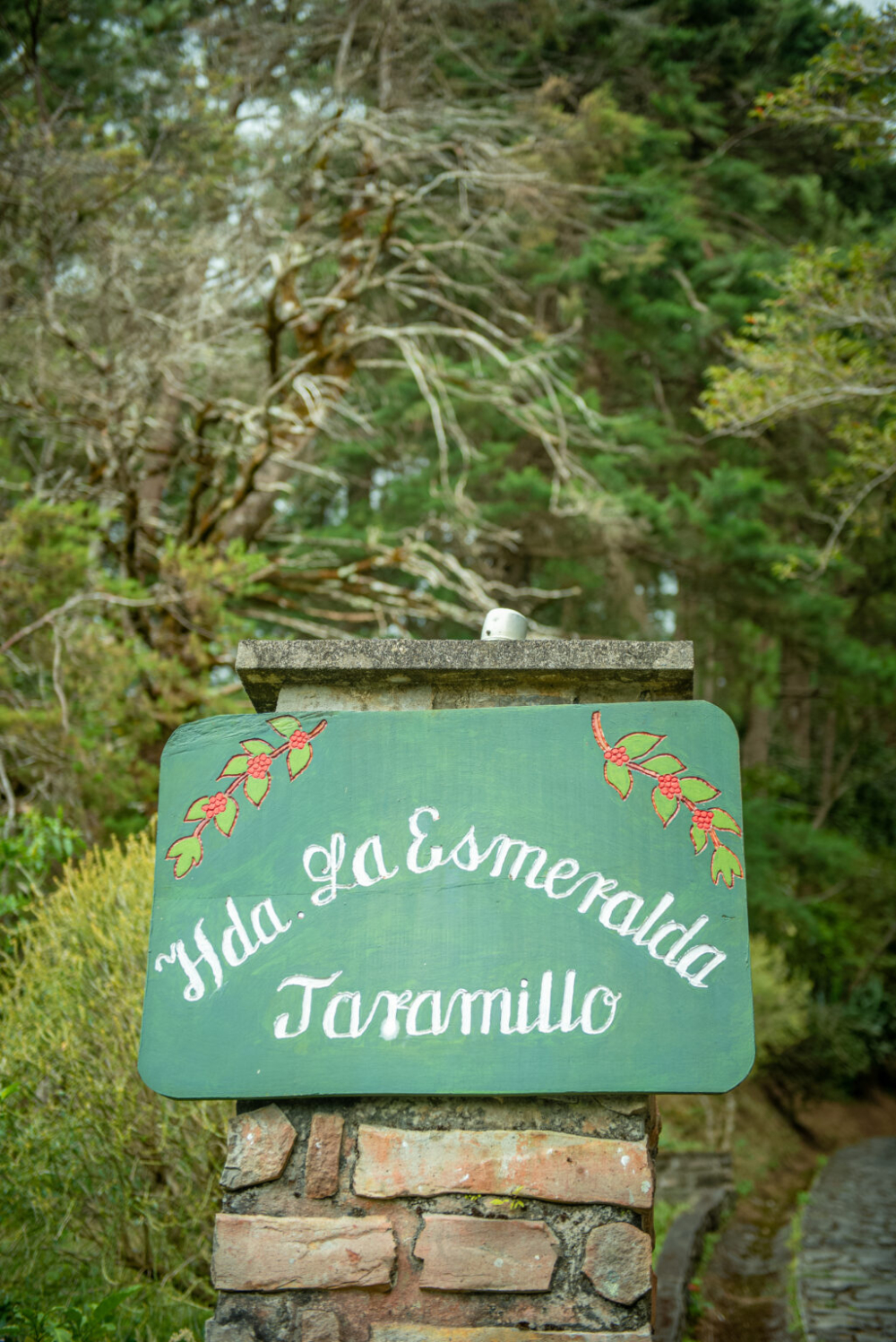
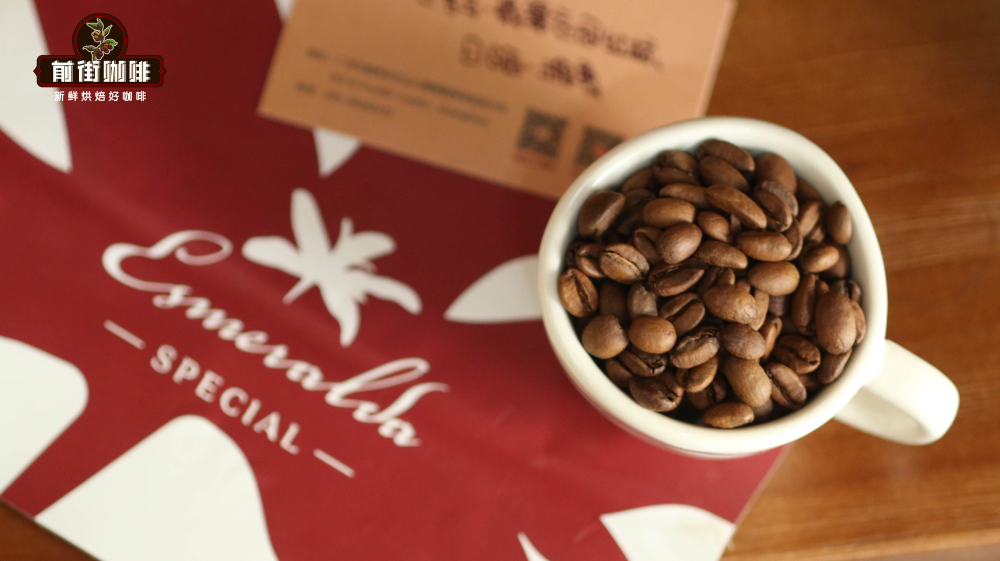
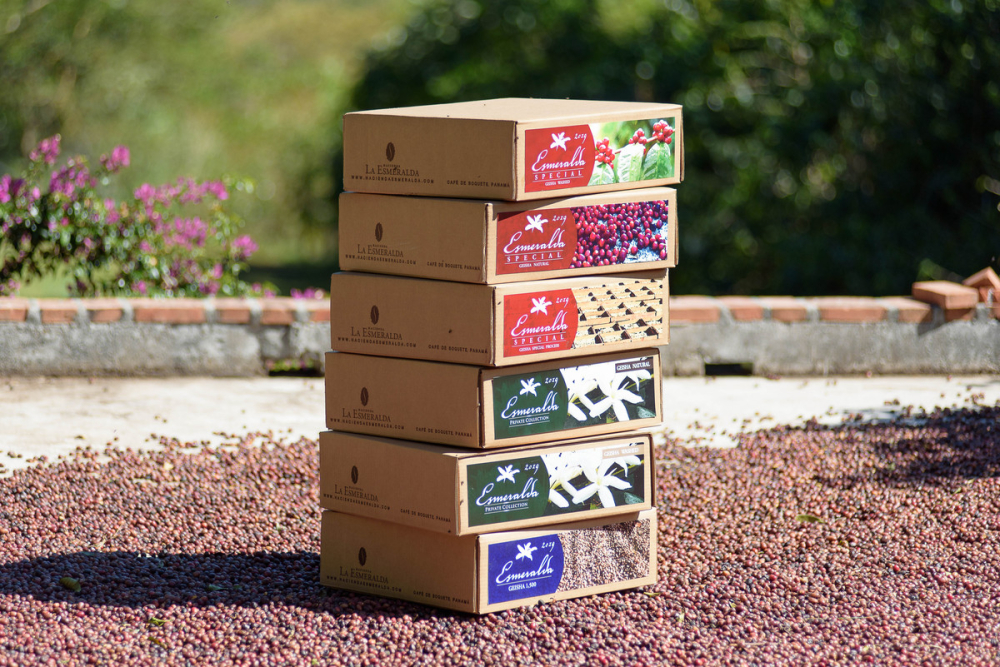
Let’s first look at Panama’s Hacienda La Esmeralda, which categorizes its Geisha into auction, Red Label, Green Label, and Blue Label (now discontinued). Among these,Auction Lotsare the rarest and most elite micro-lots carefully selected by the estate each year and sold through international auctions. These lots typically score above 90 points in cupping and represent the pinnacle of Geisha. They come from three core plots: Jaramillo, Cañas Verdes, and El Velo. Each batch comes with detailed production information, including plot name, altitude, tree age, harvesting, and processing details.
As forRed Label Geisha, although not part of the auction lots, it remains a hallmark of high quality, grown at altitudes above 1600 meters and scoring at least 91 points in cupping. Each batch provides complete information about the growing region. For example, the Red Label from the Sugarcane plot is processed with a slow 25-day sun-drying method, showcasing intense jasmine, cranberry, passion fruit, citrus, and spice notes—making it a favorite among coffee aficionados.
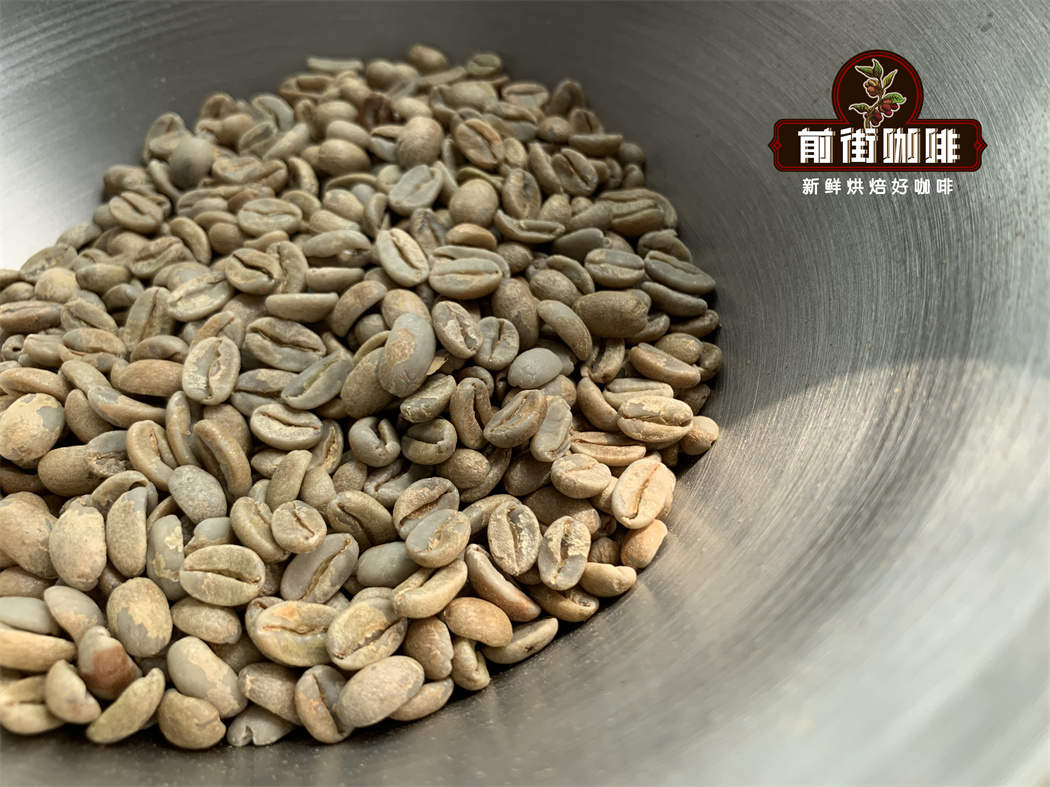
Green Label Geishais positioned slightly more accessibly but still retains the classic orangey aroma and honey-like sweetness of Geisha. This batch blends Geisha beans from multiple plots within the two main estates, grown at altitudes of 1600–1800 meters, with flavors varying by plot. The Jaramillo Green Label emphasizes floral and rose notes; Cañas Verdes highlights tropical fruit richness; and El Velo offers a fresh lemongrass and floral profile. Since 2022, Hacienda La Esmeralda has started labeling the origins of Green Label plots, helping consumers better identify their flavor profiles.
Additionally, there is the once mid-tierBlue Label Geisha(also known as Geisha 1500), which used a blend of beans from three plots grown at 1400–1500 meters. It featured a gentler profile, with delicate floral notes, soft fruit acidity, and melon-like sweetness. However, due to brand strategy adjustments, it was discontinued between 2019 and 2022. Most Blue Labels available on the market today are the “Las Rocas” volcanic rock Geisha launched by brand partners, which differ from the original version.
Turning to Ethiopia’s Gesha Village Estate, it is a vast operation covering 471 hectares, with 320 hectares dedicated exclusively to Geisha cultivation. The higher altitude here, generally exceeding 1900 meters, results in a longer fruit maturation period and richer flavor potential. The estate is divided into eight independent plots, each planted with a single variety to ensure consistent and pure flavors.
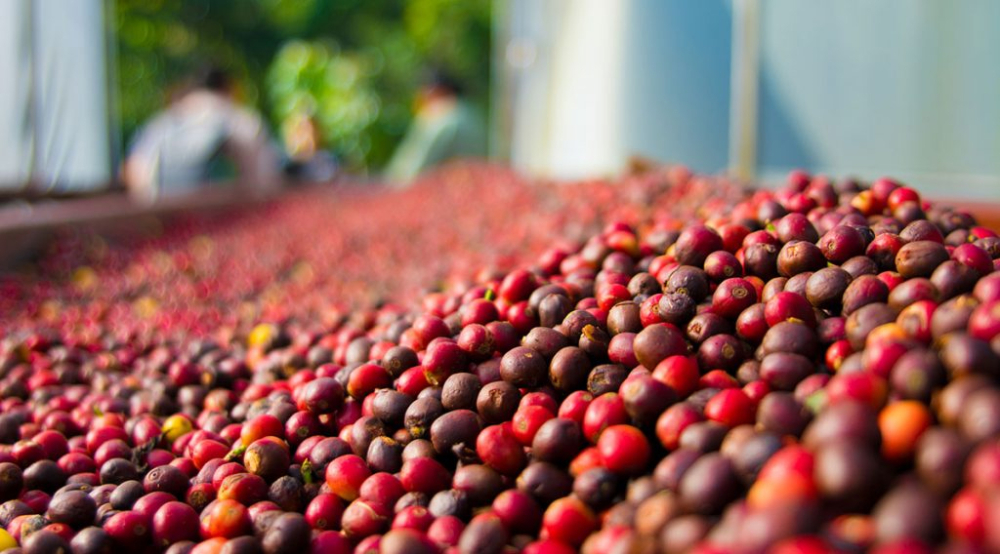
Gesha Village Estate currently offers five main grades:Auction Lots,Gold Label (Rarities),Red Label,Green Label, andChaka (CHAKA) Batches. Among these, Auction Lots make up just 3.7% of annual production and are available only through global auctions, scoring between 88.15–92.67 in cupping. They include two categories: Champion Selection and Estate Selection, making them extremely rare and premium offerings.
Gold Label Geisha(Rarities), also referred to as “rare treasures,” though not auction products, are equally outstanding in quality, accounting for 10% of total production. Each batch includes plot information, and the variety is primarily ‘Geisha 1931,’ jointly selected by expert Willem Boot and estate owner Adam. Its flavor profile is similar to that of Panama’s Red Label, making it a high-value specialty choice.
Red Label Geishamakes up about 15% of annual production, with cupping scores over 88. It offers clear traceability, featuring the Gori Gesha variety, which originated from wild plants found by the estate owner in nearby forests. Its flavor profile leans closer to native Ethiopian varieties, making it a popular entry point for those new to Geisha.
As forGreen Label batches, they come from single plots and single varieties, with each batch providing complete traceability information, including plot name, variety, and processing date. The flavors are clear and stable, ideal for consumers who enjoy exploring plot-specific characteristics.
Finally, there is theChaka Batch (CHAKA), which blends beans from all plots across the estate and from all harvest seasons throughout the year. It includes three varieties: Geisha 1931, Gori Gesha, and Illubabor, and is processed using both washed and natural methods. Cupping notes are diverse, often featuring floral, citrus, berry, creamy, oolong tea, and sugary sweetness, making it a versatile choice to experience the full spectrum of Gesha Village.
The above content is compiled by CoffeeHunters, a coffee news website.


