







Introduction:Ethiopia is the birthplace of global coffee, and its unique export system and rigorous grading mechanism deeply influence how coffee flavors are presented. This article will guide you through Ethiopia’s three major export systems—ECX auction, cooperatives, and single farms—analyzing how ECX enhances trading efficiency through pricing, warehousing, and information integration. It also takes an in-depth look at the ECX Special Selection grading standards for the Yirgacheffe region, introduces the operations of the six major cooperative unions, and explores how renowned cooperatives stand out with their refined processing techniques. All of this helps you understand the quality chain from origin to cup.
Ethiopia is not only the cradle of coffee, but its coffee export system and grading mechanism are also important cornerstones of the global specialty coffee market. Among the various export channels, ECX auctions, cooperatives, and single farms form the country’s three main systems. Among them, cooperatives and single farms are favored by the market due to their higher traceability. However, in practice, cooperatives are often formed by numerous smallholder farmers, making complete traceability still a challenge, while single farms are seen as the future development trend of the specialty coffee supply chain.
According to Ethiopian regulations, coffee exports are mainly divided into three types: the largest category, private processing plants, must export through ECX auctions; next are the cooperative systems; and finally, single farms. Cooperatives and single farms, since they do not have to go through ECX, can provide more transparent origin information. However, cooperatives usually consolidate the harvests of many smallholders. Although they offer the benefits of community support, achieving complete individual traceability remains difficult.
The Ethiopia Commodity Exchange (abbreviated as ECX), established in 2008, was founded by former World Bank economist Eleni Gabre-Madhin. This institution is dedicated to building Africa’s first modern commodity trading market. By introducing standardized pricing, professional warehousing, and real-time information flow, it aims to address the long-standing issues of high risk and cost in the country’s agricultural product trading, thereby creating a fair, efficient, and transparent trading platform.
From its inception, ECX received widespread acclaim and was hailed as a significant driver in promoting agricultural transformation, reducing poverty, and alleviating hunger. According to statistics, through its rural cooperative network, the exchange has successfully opened up market opportunities for over 2.4 million smallholder farmers.
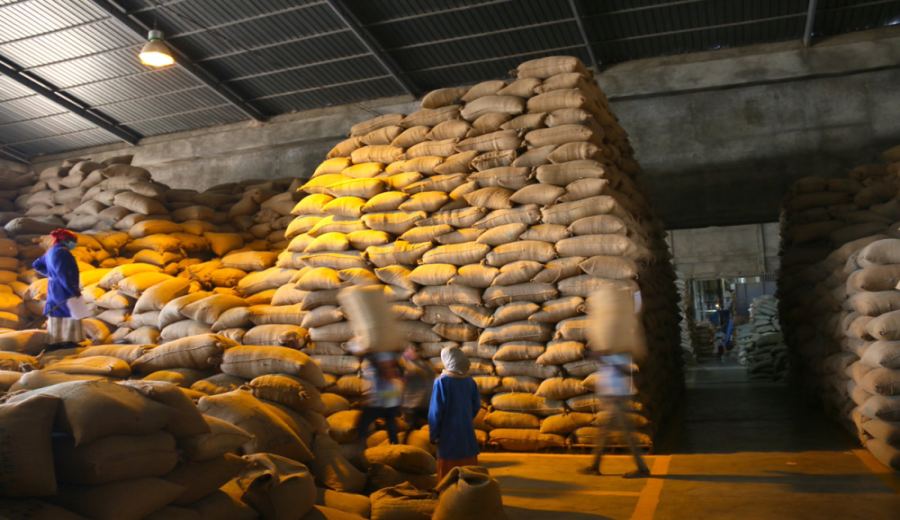
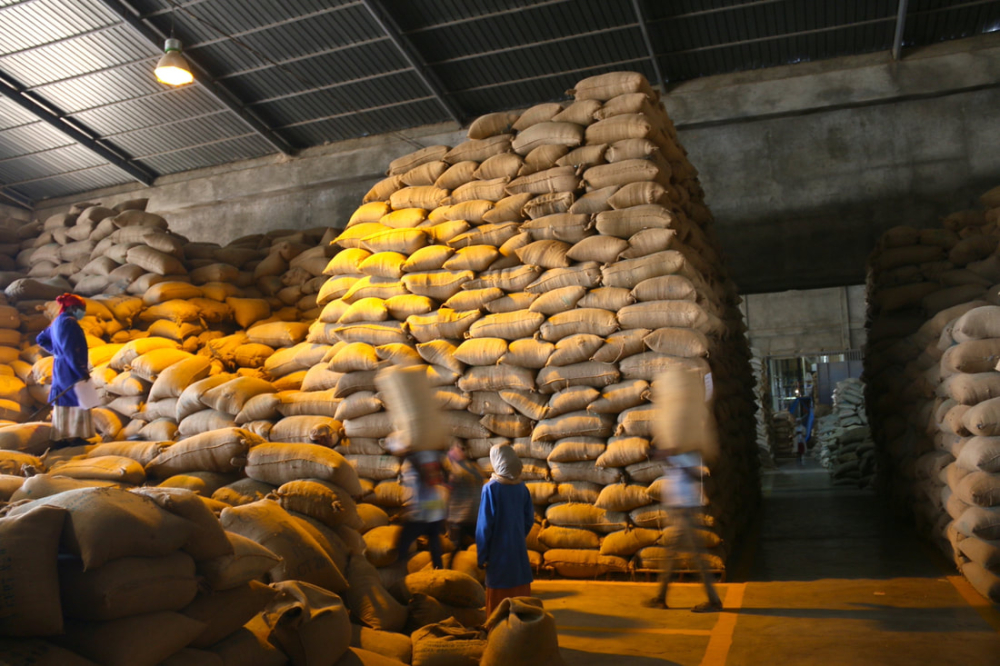
In terms of coffee trading, the ECX operates as follows: Coffee farmers first sell their harvested coffee cherries to local washed processing plants, with some processors offering higher purchase prices based on berry quality. The processed green beans are then sent to warehouses at designated delivery stations, where ECX takes over subsequent grading, pricing, and trade matchmaking.
ECX plays multiple key roles in coffee trading, including:
1. Price guarantee mechanism—purchasing from farmers at stable and competitive prices and providing centralized storage;
2. Strict coffee grading system—classifying beans based on appearance, cleanliness, flavor potential, etc., with higher quality commanding higher prices;
3. Real-time information transmission—farmers can quickly check current trading prices, processing station locations, and warehouse information via phone;
4. Warehouse and infrastructure construction—by 2012, there were 56 warehouses nationwide, distributed across 17 locations, with 9 specifically dedicated to storing coffee, significantly reducing transportation and storage costs.
Taking the renowned Yirgacheffe region as an example, its green beans are first sent to the Dila delivery station, after which they are labeled according to the producing area and graded based on cupping results and green bean appearance. The higher the quality, the greater the market value. However, coffee traded through ECX can usually only be labeled with broad producing area and village names on the final packaging, such as “Yirgacheffe: Konga” or “Yirgacheffe: Kochere,” and cannot be traced down to a single farm or processing plant.
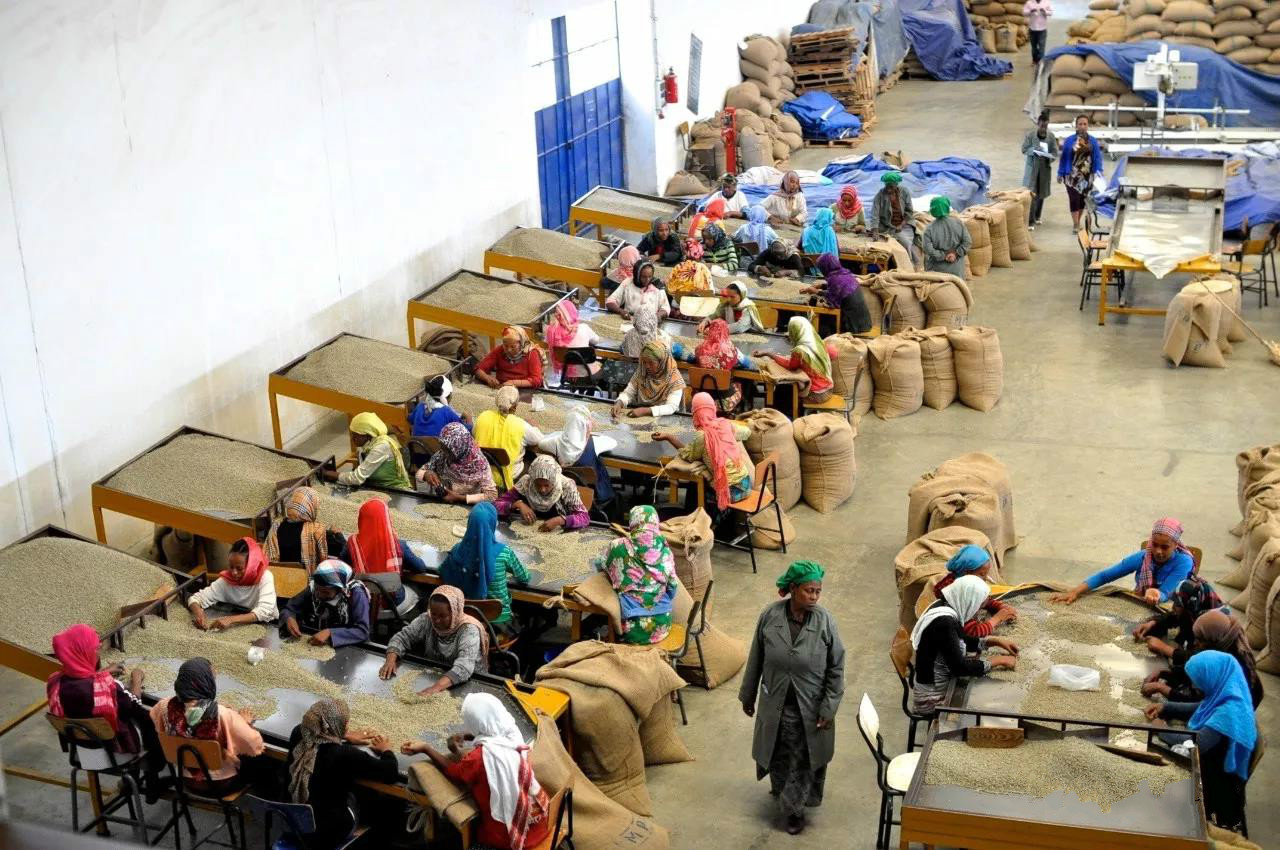
In addition to the ECX system, cooperatives are also a significant channel for Ethiopian coffee exports. To increase bargaining power and international visibility, smallholder farmer cooperatives across regions often form cooperative unions, collectively engaging with international buyers and participating in international certification programs such as Fair Trade.
Currently, there are six major national Farmer Cooperative Unions, namely:
● Oromia Coffee Farmers Cooperative Union (OCFCU)
● Sidama Coffee Farmers Cooperative Union (SCFCU)
● Yirgacheffe Coffee Farmers Cooperative Union (YCFCU)
● Kafa Forest Coffee Farmers Cooperative Union (KFCFCU)
● Bench Maji Coffee Farmers Cooperative Union (BMCFCU)
● Tepi Coffee Farmers Cooperative Union (TCFCU)
The advantage of these unions lies in integrating scattered smallholder resources to form large-scale export units. They can not only participate in international bids and certifications but also connect with overseas roasters through unified channels. In terms of revenue distribution, the proceeds from the harvest are proportionally allocated back to the cooperatives. After deducting necessary management fees, part is used for local community development, while the rest is returned to smallholder farmers, enabling them to earn stable income and improve their livelihoods and farming conditions. This is one of the reasons why more and more smallholders are inclined to join cooperatives.
For example, the highly acclaimed brand members, Gedeb and Worka, belong to the Yirgacheffe Coffee Farmers Cooperative Union (YCFCU) and have earned international recognition in the specialty coffee market for their solid processing craftsmanship and pursuit of flavor detail.The above content is compiled by CoffeeHunters, a coffee news website.


