







Introduction:Want to understand how the highlands of Boquete, Panama, nurture the uniquely flavorful Geisha coffee? This article takes you on an in-depth visit to Elida Estate, exploring everything from its ultra-high altitude microclimate and meticulous harvesting process to the ASD anaerobic fermentation processing technique. Through hands-on testing with multiple pour over filter cones, we also examine how different equipment affects flavor layers—offering practical insights for both coffee beginners and advanced enthusiasts.
Geisha coffee is world-renowned for its delicate, elegant aroma and complex layered profile, and Panama’s Boquete region is the golden zone for this variety. Among the many outstanding farms, Elida Estate stands out thanks to its exceptional geographical conditions and rigorous cultivation practices. This article will explore the estate’s environmental features, varietal background, processing techniques, and more, while also incorporating real-world pour over filter cone performance to give you a comprehensive understanding of this top-tier coffee’s potential.
Panama’s high-quality coffees are mostly concentrated in the western highlands, particularly in regions such as Boquete, Volcán, and Renacimiento. Among these, Boquete is the most famous. Located in the Chiriquí Province and adjacent to the Barú Volcano, the area sits at an altitude of about 1,000 to 2,000 meters. With a cool and humid climate, mineral-rich volcanic soil, and an environment tailored to the needs of specialty varieties like Geisha, it provides ideal growing conditions. The steep terrain, significant day-night temperature variation, persistent cloud cover, and abundant rainfall all contribute to Boquete coffee’s distinctive fruity aromas and acidity.
The planting methods in the Boquete region can be divided into sun-grown, semi-shaded, and fully shaded. Fully shaded plantations typically have fewer than 50 plants per hectare, which slows fruit ripening and promotes the accumulation of flavor compounds—but at the cost of higher expenses and lower yields. In contrast, coffee grown in shaded environments often boasts richer aromas and body, which is why many top-tier farms insist on shaded cultivation.
The Geisha variety was first discovered in 1931 in Ethiopia’s Gesha Forest. After being cultivated in regions such as Kenya, Uganda, and Costa Rica, it was introduced to Panama in the 1970s. However, it wasn’t until 2004, when Hacienda La Esmeralda isolated it from other varieties and won the BOP competition, that this coffee truly captured market attention. Geisha is extremely particular about its environment, thriving best in high-altitude, foggy areas with fertile soil and ample shade—and Boquete is its ideal home.
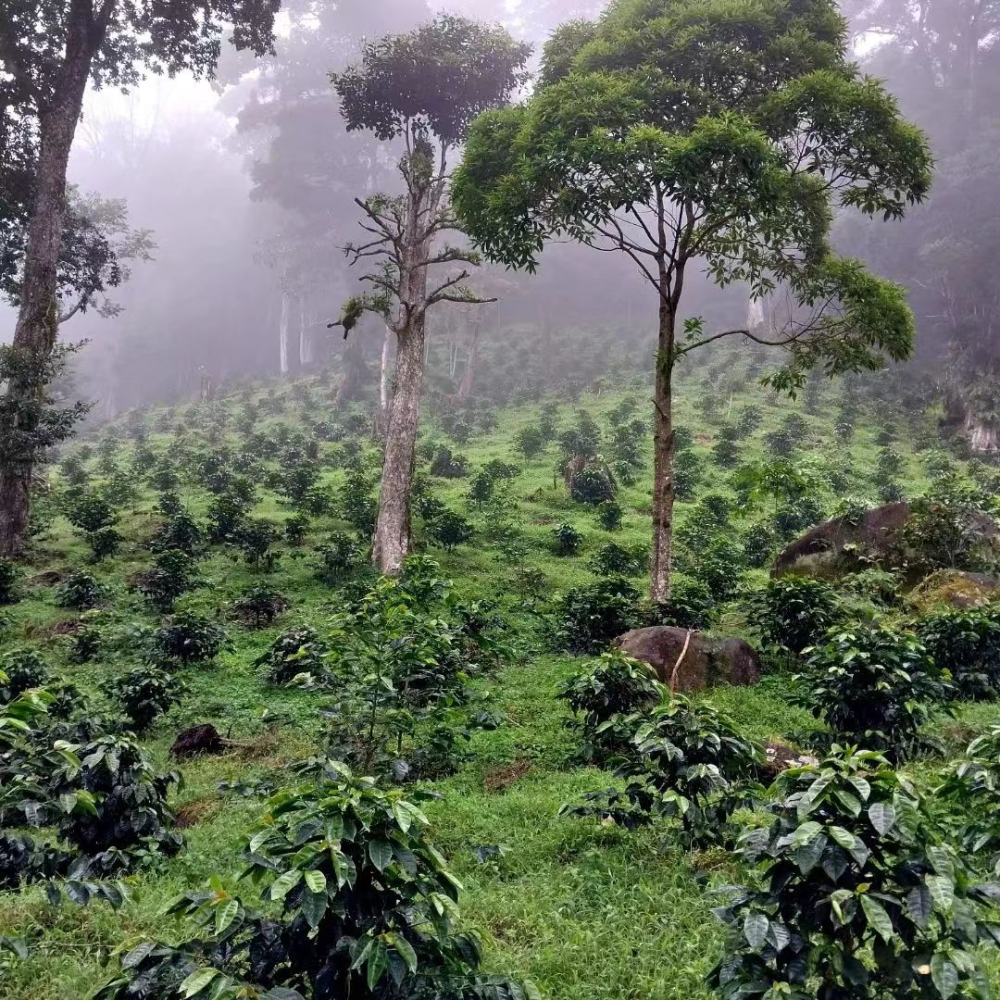
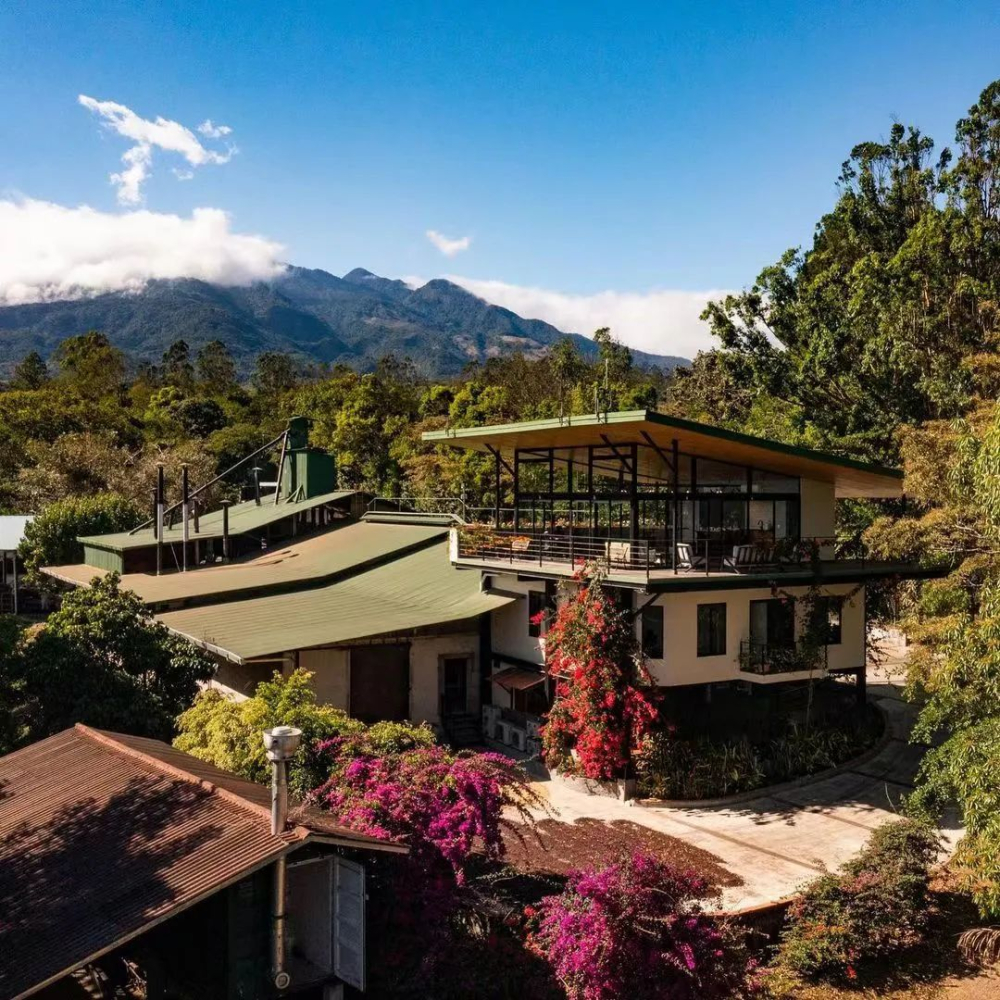
The history of Elida Estate dates back to 1918, when it was operated by the Lamastus family. Its name comes from the founder’s wife, Elida. The estate is located in one of the highest-altitude areas of Boquete, with nearly half of its land situated within the Volcán Barú National Park. Out of its total 65 hectares, 30 are dedicated to coffee cultivation, while the rest remain untouched primary forest. The coffee grows at elevations between 1,670 and 1,850 meters, making it one of the highest-altitude farms in Panama. Such elevation imparts greater brightness, aroma, and complexity to the coffee.
Elida Estate primarily cultivates three varieties: Geisha, Typica, and Catuai, with Geisha playing a central role. Due to the high altitude and large day-night temperature variations, the coffee cherries mature slowly—often taking over a month to reach optimal harvest condition. The estate insists on picking only fully ripe coffee cherries and allows them to undergo low-temperature resting (Low Temperature Resting) for more than five months before processing, to fully develop flavor layers and balance. This approach, promoted by coffee expert George Howell, helps green beans express their full characteristics during subsequent roasting and brewing.
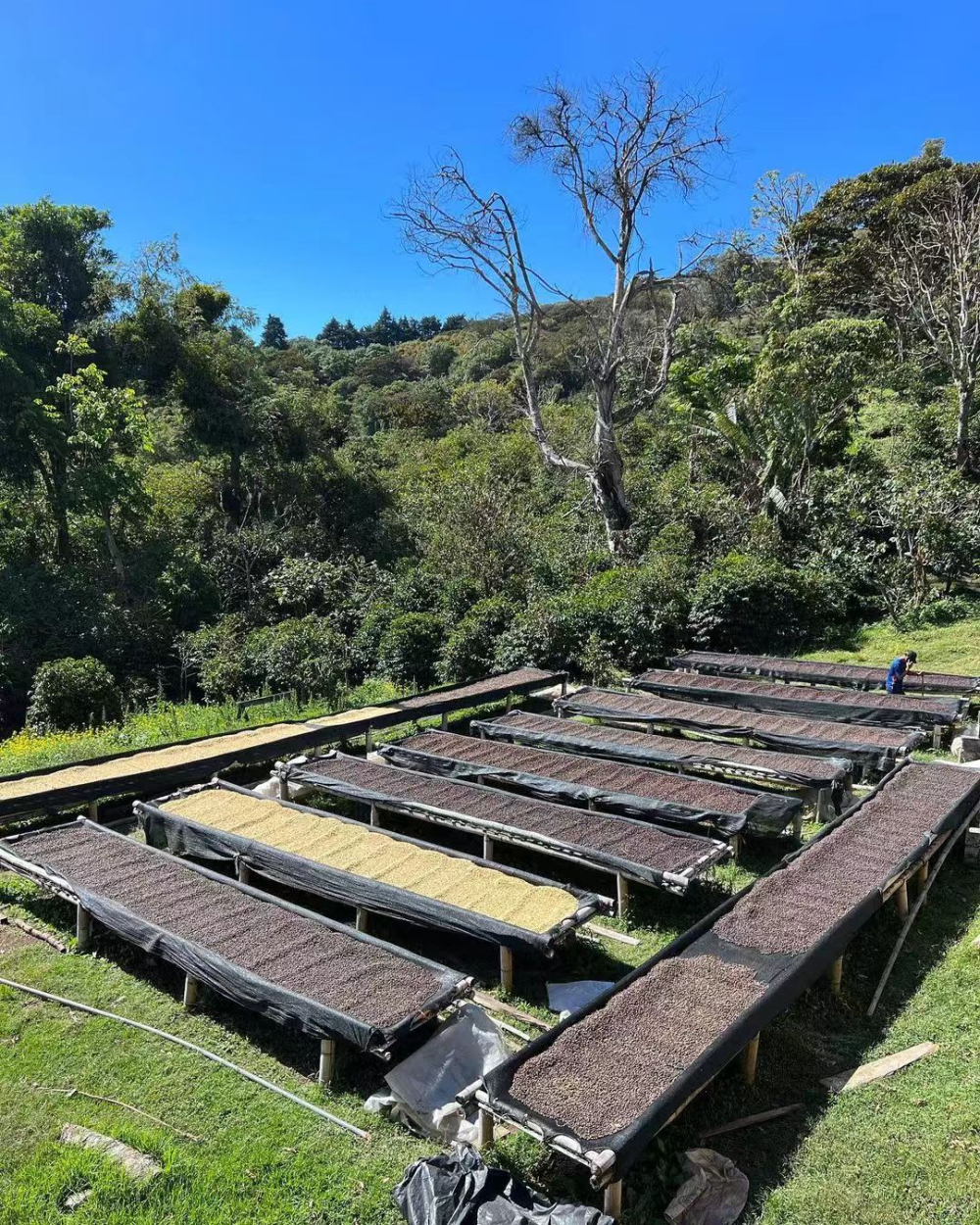
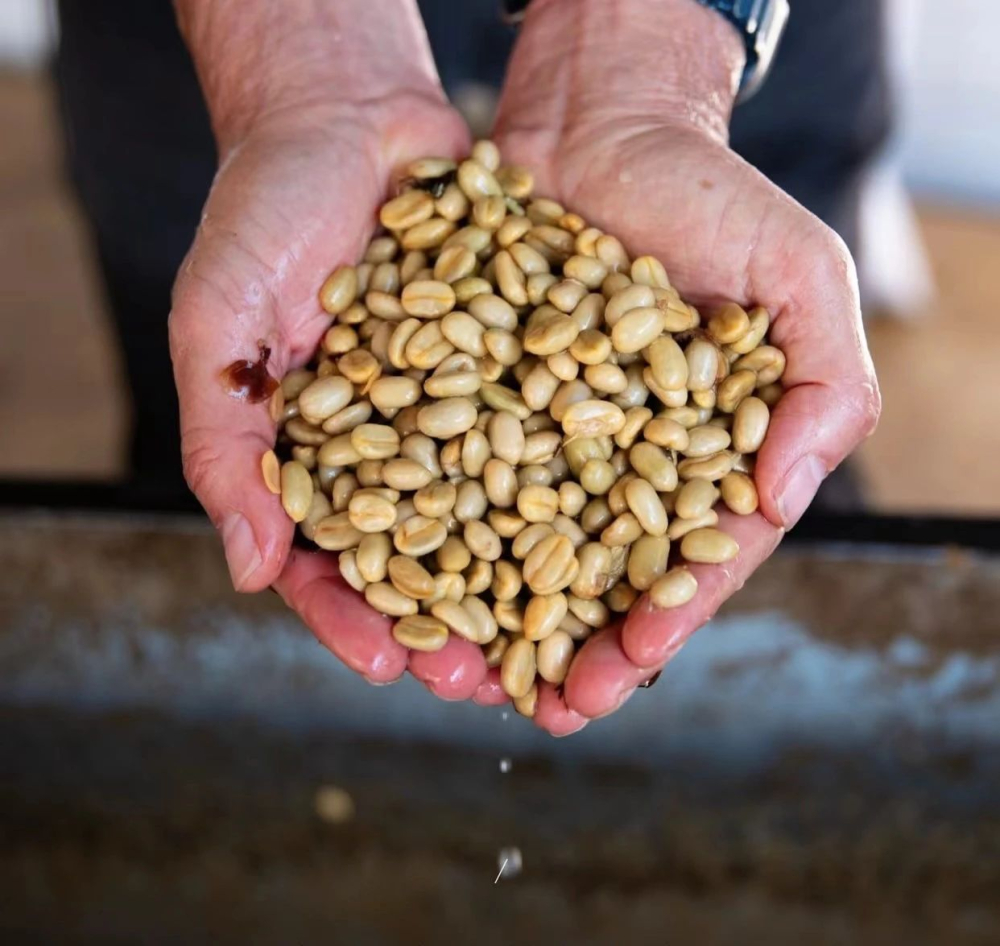
This article uses a sample of Elida Estate ASD-process Geisha provided by a well-known coffee brand. This bean is processed using anaerobic fermentation paired with low-temperature slow sun drying. After harvest, the coffee cherries are first placed in a sealed container for 4–5 days of anaerobic fermentation, then spread on raised beds for slow drying. This process relies on stable weather conditions, is time-consuming, and comes at a higher cost—but it allows the coffee to develop richer fermented aromas and a fuller body, while also extending the shelf life of the green beans.
In terms of roasting, this bean has medium density and bean size, with noticeable Maillard reactions. It is recommended to start roasting at 160°C with an initial flame power of 100 and a fan setting of 3. After the yellowing stage, adjust the fan and flame settings. Pay close attention to the first crack (around 8’28”), and continue development for 1’45” after the first crack. The final drop temperature is 194.5°C. This roast curve emphasizes a balanced sweetness and aroma, helping to highlight the floral, fruity, and honey notes characteristic of Geisha.
In our actual pour over tests, we compared four different filter cones: the Hollow, Ice Eye, Cake, and Diamond cones. All used 15 grams of coffee, a medium-fine grind (80% passing through a Chinese standard #20 sieve), a 1:15 coffee-to-water ratio, and 90°C water. The structural differences of each filter cone significantly affected flow rate, gas release, and extraction uniformity:
Hollow Filter Cone: The skeletal mesh design allows for smooth gas release, reducing the risk of over-extraction. Parameters: 28g water for a 30-second bloom, then slow center pouring up to 128g and further to 229g. Total brew time: 1’51”. Flavor notes include lemon, grapefruit, honey, and creaminess, with a tea-like finish and pronounced juiciness.
Ice Eye Filter Cone: The stepped ribs and sealed upper design help control gas release and immersion effects. Bloom: 31g water for 30 seconds. Pour to 124g, then to 228g. Total brew time: 1’45”. Flavor profile features nectarine, strawberry, berries, and creaminess, with more pronounced fermentation character.
Cake Filter Cone: The flat-bottomed three-hole design uses the fold of the filter paper to regulate flow rate and reduce cooling. Bloom: 30g water for 30 seconds. Pour to 125g, then to 227g. Total brew time: 1’54”. Flavors include jasmine blossom, with distinct plum, sweet orange, and oolong notes on the palate. The mouthfeel is smooth.
Diamond Filter Cone: The diamond-cut design and large central hole allow for faster flow but require skillful handling. Bloom: 30g water for 30 seconds. Pour to 118g, then to 228g. Total brew time: 1’43”. Flavors include tropical fruits, lemon, almond, and a black tea finish. Layers are distinct but the mouthfeel is relatively lighter.
Overall comparison: The Cake and Hollow cones offer slower flow rates, resulting in more balanced flavors and a fuller body. The Ice Eye cone enhances fermented aromas and berry tones. The Diamond cone showcases rich complexity but with a relatively crisper texture. Different cones can be selected based on personal taste preferences or used as tools to explore the multifaceted flavors of this Geisha.
The above content is compiled by CoffeeHunters, a coffee news website.


