








Introduction:Have you ever wondered why some coffees have delicate, layered flavors while others taste flat and boring? One key factor lies in the coffee variety. This article provides an easy-to-understand introduction to the three original species—Arabica, Robusta, and Liberica—and takes you through the origins, physical characteristics, and flavor profiles of popular varieties such as Typica, Bourbon, and Geisha. It also includes a distribution map of the world’s major coffee-growing regions and their variety-specific traits, helping you uncover the secrets behind a great cup of coffee by starting with the variety.
Many people often equate “Arabica coffee” with “specialty coffee,” but in reality, all specialty coffee comes from Arabica, though not all Arabica is specialty. To understand the diverse world of coffee, we need to start with the three original species and explore the origins and characteristics of well-known varieties like Typica, Bourbon, and Geisha. This article will take you on a journey through history and geography to discover how coffee varieties spread from Africa to the rest of the world, evolving into the distinct cultivars we know today.
The variety of coffee not only determines its flavor profile but is also closely related to cultivation difficulty and disease resistance. Starting from the late 17th century, coffee spread to Asia, the Americas, and Oceania through trade and colonization, forming today’s major producing regions in Africa, Latin America, Asia and the Pacific, and Australia. Each region, due to differences in climate, altitude, and processing methods, produces coffee beans with unique flavors.

In Africa, most countries primarily grow Robusta, but highland regions in Kenya, Tanzania, and Cameroon are known for their washed-process Arabica. Ethiopia, the birthplace of coffee, boasts an exceptionally rich genetic diversity. Latin America is the world’s largest coffee-producing region, led by Brazil, which accounts for over one-third of global exports annually, mainly featuring naturally dried Arabica. Costa Rica and Panama are renowned for their washed processing and specialized fermentation techniques, with Panama’s Geisha in particular becoming a symbol of specialty coffee.
Asia and the Pacific region present a diverse array of profiles. Indonesia’s Java and Sumatra are known for their bold earthy and spicy notes, while Yemen’s Mocha offers citrus and wine-like aromas. Yunnan in China has emerged as an important producing region in recent years, gaining market attention for its stable output and good flavor. Australia focuses on high-altitude areas in the east, such as Queensland and Norfolk Island. Though small in scale, the quality is consistent.
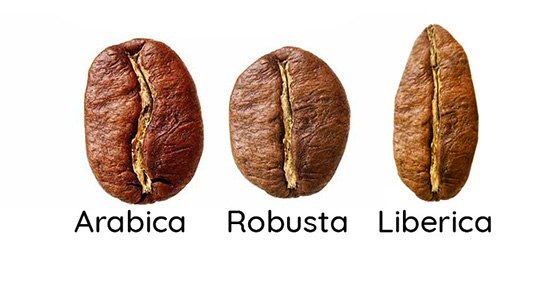
From a botanical classification perspective, the world’s commercially valuable coffee varieties can be divided into three original species: Arabica (Coffea Arabica), Robusta (Coffea Robusta), and Liberica (Coffea Liberica). Among them, Arabica accounts for about 60–70% of global production and is the mainstay of specialty coffee due to its elegant aroma and complex flavors. Robusta is highly resistant to disease and productive, but its flavor is coarser, making it commonly used in instant and canned coffee. Liberica, with poor adaptability and inferior flavor, is grown in only a few regions in small quantities.
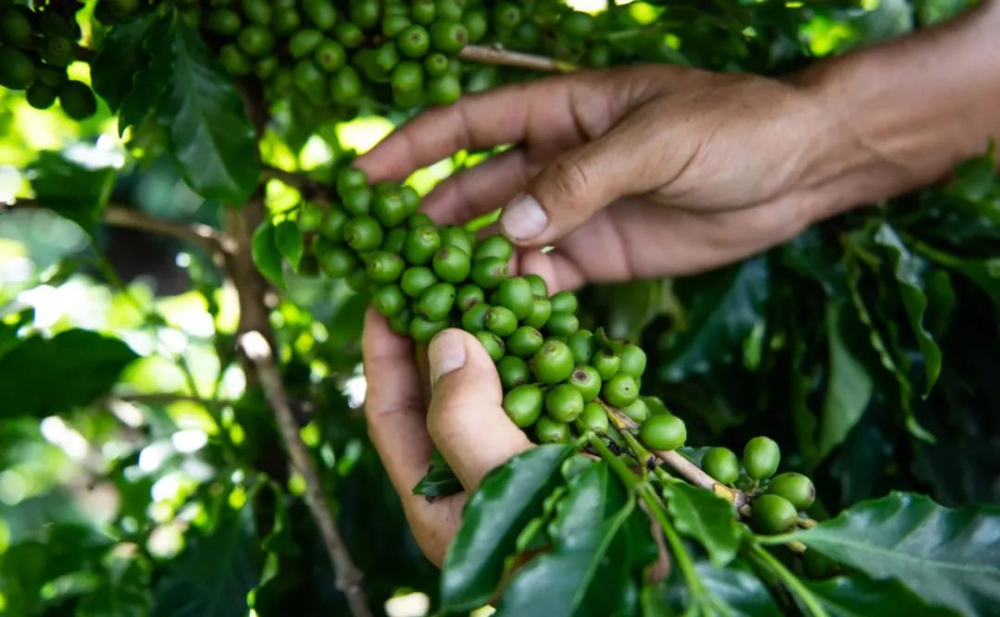
When it comes to classic varieties within Arabica, Typica is undoubtedly the origin representative. Originating from Ethiopia and Yemen, it was one of the first varieties introduced to Yunnan, China, and is also found in Jamaica Blue Mountain. Typica offers high purity and bright acidity, with a refreshing lemon-like brightness and a sweet aftertaste. However, it has low disease resistance and lower yields, requiring careful cultivation. Its variants, such as Hawaii’s Kona and Jamaica Blue Mountain, are standout examples within the Typica lineage.
Another classic variety, Bourbon, is a mutation of Typica. Its beans are rounder, and its flavor is sweeter, often featuring caramel, red fruit, and floral notes. Bourbon thrives at altitudes of 1100 to 2200 meters and serves as the foundation for many Central and South American specialty coffees. Yellow Bourbon and Pink Bourbon are its well-known variants, with the latter being particularly rare and less color-stable, thus even more precious.
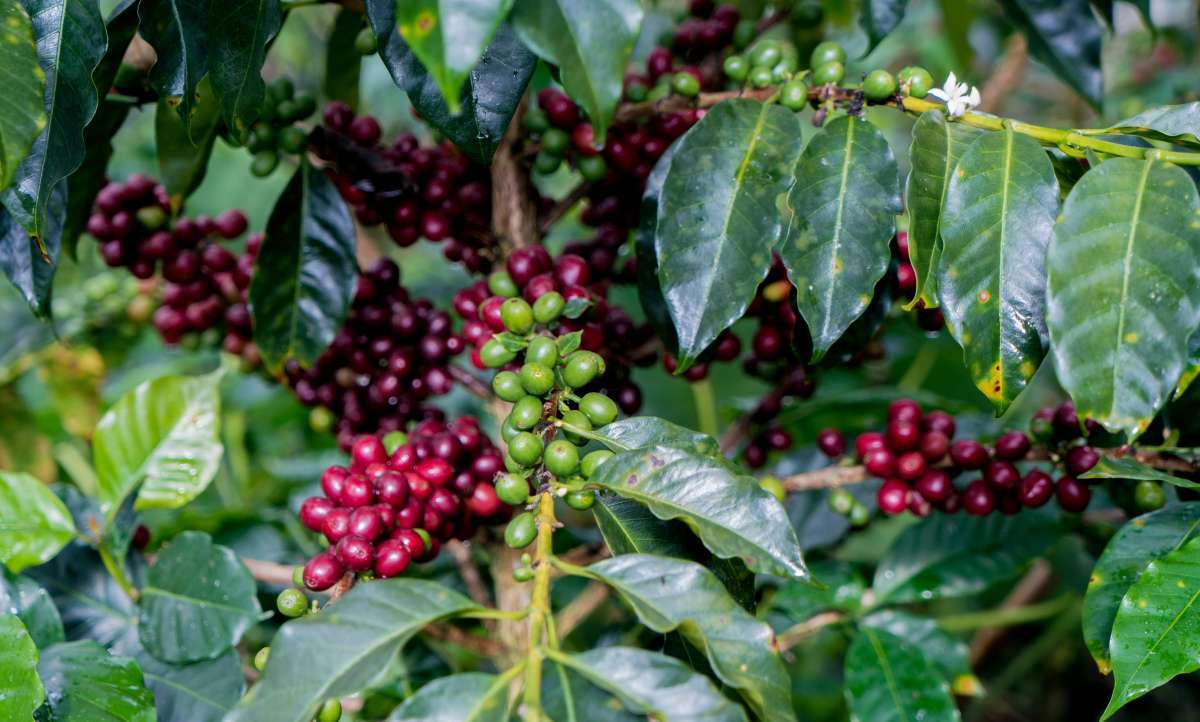
Geisha has become a star variety in the specialty coffee world in recent years. Originating from Ethiopia’s Gesha region, it was introduced to Panama in the 1960s but remained overlooked for a long time until it began shining brightly in international cupping competitions starting in 2004. Geisha exhibits exceptional aroma, often showcasing complex flavors like jasmine, peach, citrus, and honey, making it a top choice for coffee lovers seeking delicate taste experiences. Panamanian farms such as Esmeralda and Elida are representative producers of Geisha.
Beyond these classic varieties, there are many other varieties that have been artificially bred or naturally mutated, such as Pacas, Caturra, Catuai, Mundo Novo, and Timor. These varieties were developed primarily to increase yield, improve disease resistance, or adapt to intensive cultivation. For example, Caturra is derived from Bourbon. It has a shorter tree structure, making harvesting easier, and is suitable for planting at altitudes between 700 and 1700 meters. Its flavor profile is similar to Bourbon but with higher productivity.
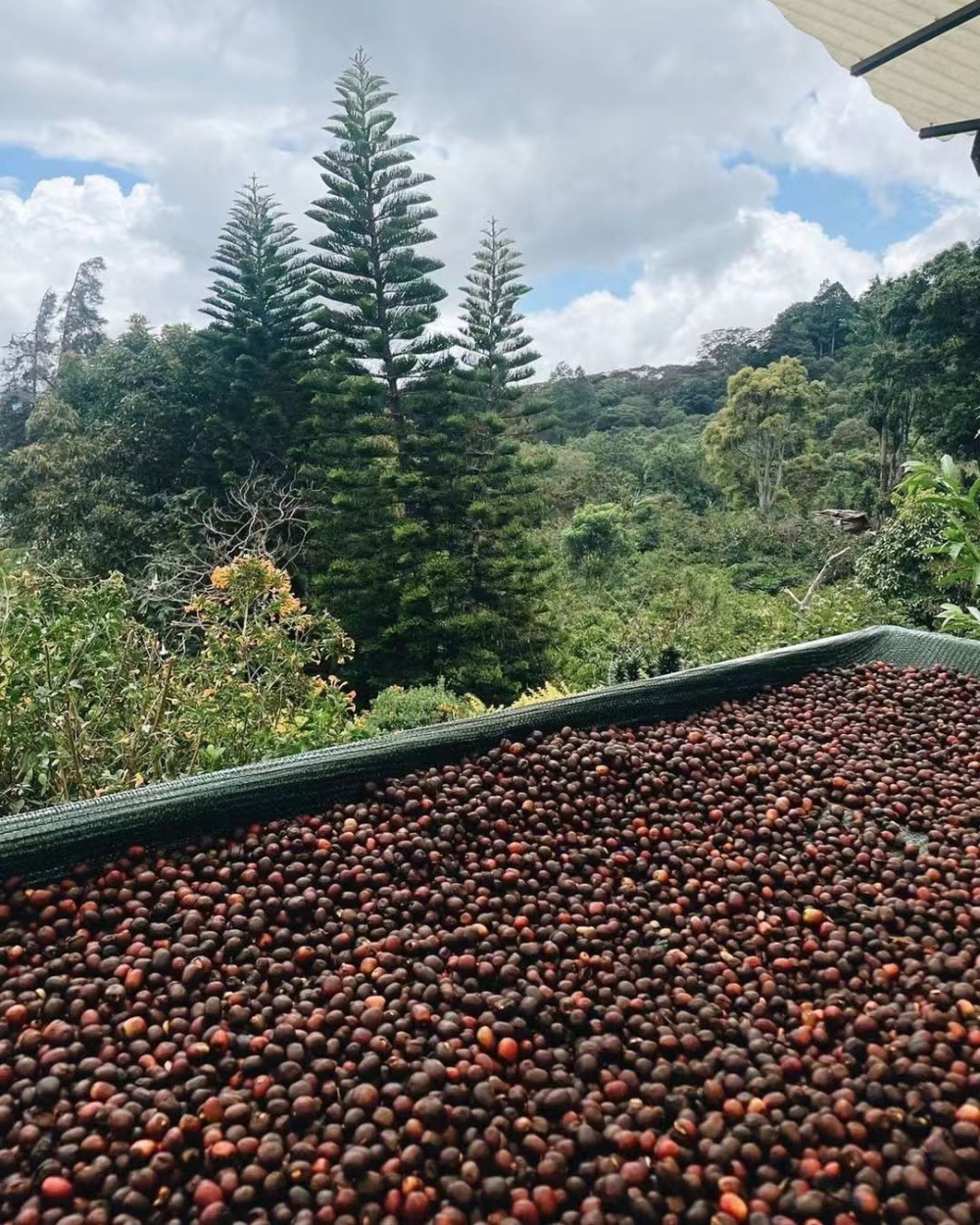
Catuai is a hybrid of Caturra and Mundo Novo, offering stronger wind resistance and fruit that is less prone to dropping, making it one of Brazil’s main cultivated varieties. Mundo Novo and Catimor were developed to improve production efficiency and disease resistance. Although their flavors are not as nuanced as traditional varieties, they play a crucial role in ensuring stable supply.
In summary, understanding coffee varieties not only helps you choose beans with more distinctive flavors but also allows you to delve deeper into the cultivation stories and environmental conditions behind each cup. Whether you’re a beginner coffee enthusiast or a cupping aficionado focused on flavor details, knowing these varieties will give you clearer criteria and expectations when selecting and tasting coffee.
The above content is compiled by CoffeeHunters, a coffee news website.


