







Introduction:An in-depth exploration of the Ruby Gesha from Huehuetenango, Guatemala — from its Malawi seeds origin, sun-drying process details, to the story behind its COE competition award. This article takes you through this fruit-forward specialty coffee, which won 3rd place in the 2017 COE, and how it expresses unique berry and wine-like flavors through high-altitude cultivation and special processing methods. Practical pour over reference parameters are also provided.
Among Guatemala’s many coffee-growing regions, Huehuetenango stands out with its high altitude and dry climate, nurturing numerous bold and flavorful specialty coffees. Among them, the El Injerto Estate is not only a representative of the region but also one of the pioneers of Central American specialty coffee. Managed by the Aguirre family since 1874, the estate has gradually transformed from early sugarcane and corn farming to focusing exclusively on specialty coffee production. Over the past eleven years, it has amassed sixteen COE competition awards, showcasing its exceptional cultivation and post-harvest capabilities.
The star of this introduction — the Ruby Gesha (GESHA RUBY DRY PROCESS EI02-02) — is grown by El Injerto Estate using the Malawi Gesha variety planted at an altitude of approximately 1,710 meters. Through a unique natural sun-drying process, it exhibits an exceptionally layered flavor profile. The coffee cherries turn a deep red when ripe, resembling rubies, and the plant itself is smaller than typical Gesha varieties, hence the name. Its harvest season is mainly from January to March, with an average growing temperature of around 13ºC to 26ºC and an annual rainfall of 1,500 mm, providing ideal growing conditions.
This Ruby Gesha won 3rd place in the 2017 COE competition, with its natural process (batch EI02-02) perfectly balancing fruity notes and fermentation characteristics. In cupping, one can detect pronounced blueberry, raspberry, cherry, and floral aromas, accompanied by subtle spices and wine-like notes from fermentation. Upon tasting, jasmine and various fruity aromas emerge instantly, along with a rich sweet wine sensation, followed by a chocolatey body and a refreshing minty finish, adding further complexity to the overall flavor. As the coffee cools, the interplay of citrus and chocolate tones adds yet another layer of enjoyment.
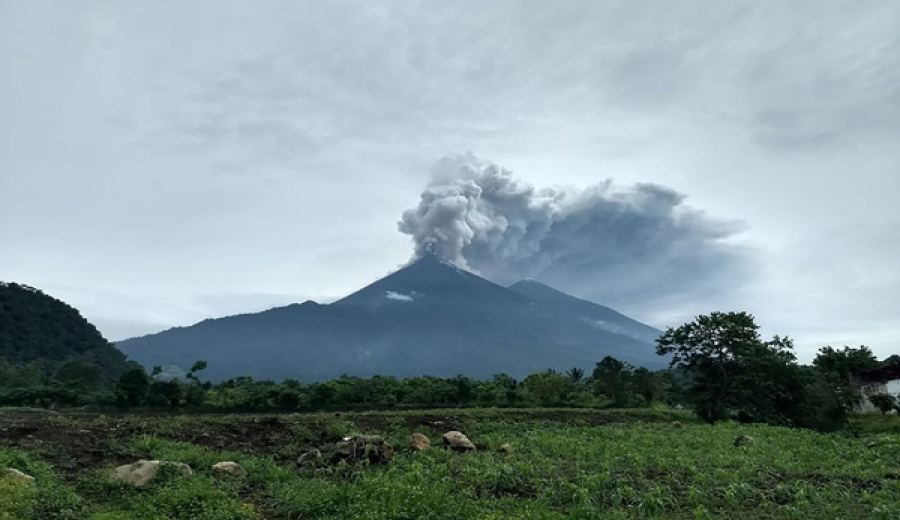
The growing location of the Ruby Gesha — Huehuetenango — is the highest-altitude and driest among Guatemala’s three non-volcanic coffee regions. It boasts deep volcanic soils with excellent drainage and rich organic matter, ample mountain spring water, and an average annual rainfall of about 1,800 to 2,000 mm with 75% relative humidity, creating an ideal environment for coffee cultivation. El Injerto Estate also preserves large areas of pristine forest, maintaining biodiversity and ecological balance while ensuring that coffee trees thrive under suitable shade and climatic conditions.
When it comes to the Gesha variety, many first think of Panama’s Hacienda Esmeralda, known for its citrus, fruity sweetness, and honey notes, with a juice-like mouthfeel and long-lasting aftertaste. However, this Ruby Gesha from Guatemala showcases distinct regional characteristics, combining berry, wine, and nutty tones to present a bold and multi-dimensional flavor profile. Whether you prefer fruity notes or richer body, coffee lovers are sure to find something delightful here.
In terms of processing, El Injerto Estate adheres to high standards of manual selection, harvesting only fully ripe red coffee cherries. Its independent water treatment facility ensures clean water sources, and through a meticulous process including two bean size separations, mountain spring water washing, two-day fermentation, and seven-day sun drying, the beans are then rested in warehouses for at least 45 days to fully develop flavors and stabilize quality before professional cupping. This rigorous process is a key factor in the Ruby Gesha’s success on the international competition stage.
For coffee enthusiasts who enjoy pour over brewing, it is recommended to use medium-light roasted Guatemalan beans to preserve more floral and fruity aromas and bright acidity. In practice, you can choose a V60 dripper, with a water temperature of 91°C and a coffee-to-water ratio of 1:15, using a medium-fine grind (approximately 80% passing through a #20 sieve). The specific steps are as follows: start with a 30-second bloom using 30 grams of water to release CO₂ from the coffee grounds; then pour in a slow circular motion until reaching 125 grams for the first pour, continue pouring to 225 grams, then stop; once all the water has dripped through the dripper, remove it, with total extraction time around 2 minutes. Finally, swirl the coffee before pouring into the cup to better experience its layered flavors.
In summary, this Ruby Gesha from El Injerto Estate in Guatemala not only inherits the advantages of the region’s high altitude and volcanic soil, but also, through its unique Malawi lineage and natural sun-drying process, showcases distinctive berry, wine, and chocolate tones. Whether for everyday enjoyment or for exploring the nuanced world of specialty coffee, this COE third-place winner offers an impressive and memorable taste experience.
The above content is compiled by CoffeeHunters, a coffee news website.


