







Introduction:Honey-processed coffees from Costa Rica’s Tarrazú region are renowned for their pronounced berry sweetness and delicate acidity, making them an ideal starting point for pour-over enthusiasts. This article delves into the most representative Mirasu Estate in the region, explaining how its raisin honey process enhances sweetness, and detailing the varietal characteristics, roast profile, and precise pour-over parameters of the Geisha blend—helping you master the brewing essentials of this popular coffee.
Costa Rican coffee is widely celebrated for its bright fruit acidity and rich chocolatey tones, with honey-processed beans from the Tarrazú region standing out for their sweet flavor profile. These coffees often feature intense berry aromas and a silky mouthfeel, making them particularly appealing to pour-over lovers who enjoy fruity sweetness. This article focuses on one of the region’s core estates—Mirasu—exploring its terroir, processing techniques, and practical brewing applications to give you a comprehensive understanding of this beloved coffee’s charm.
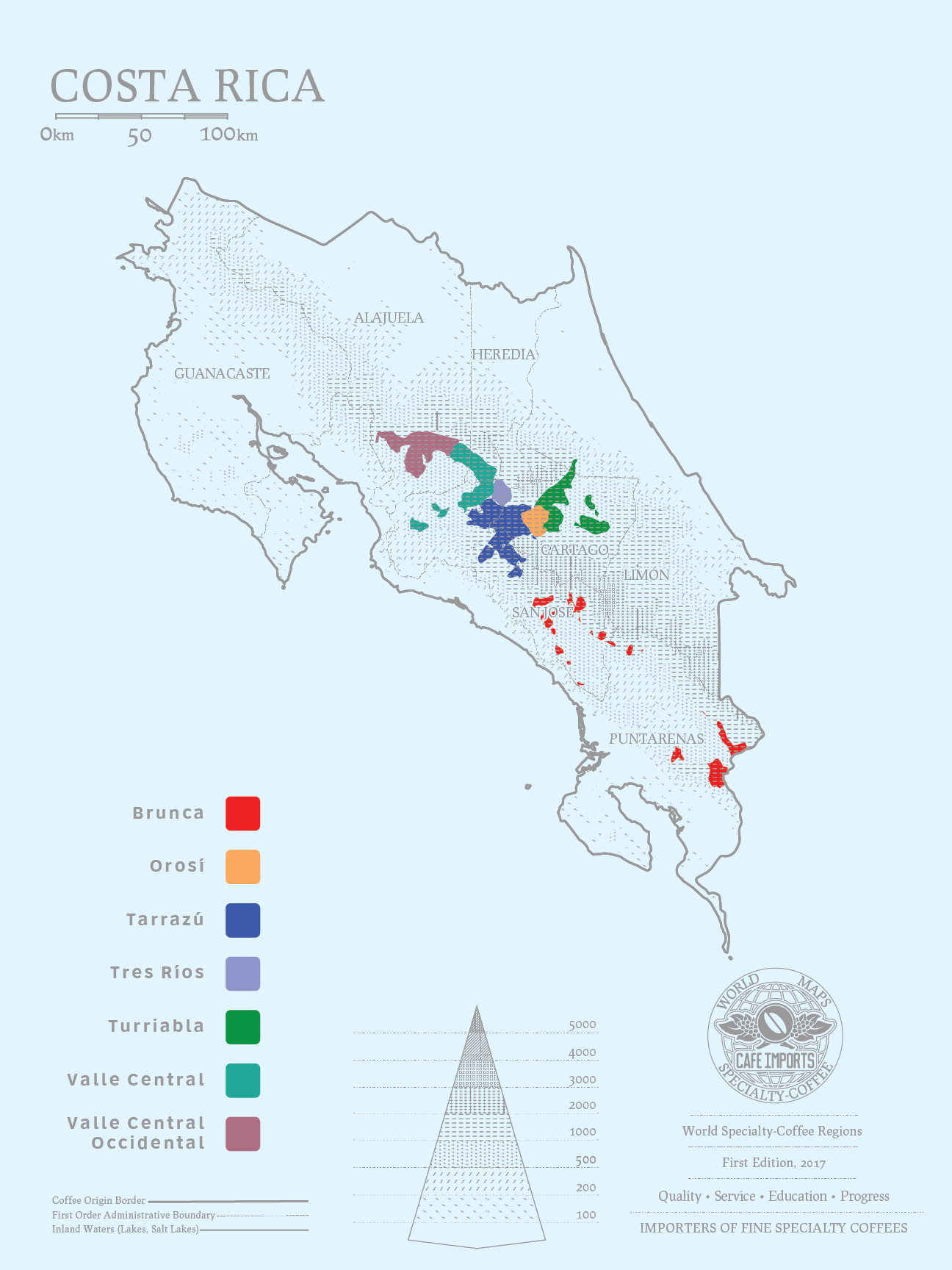
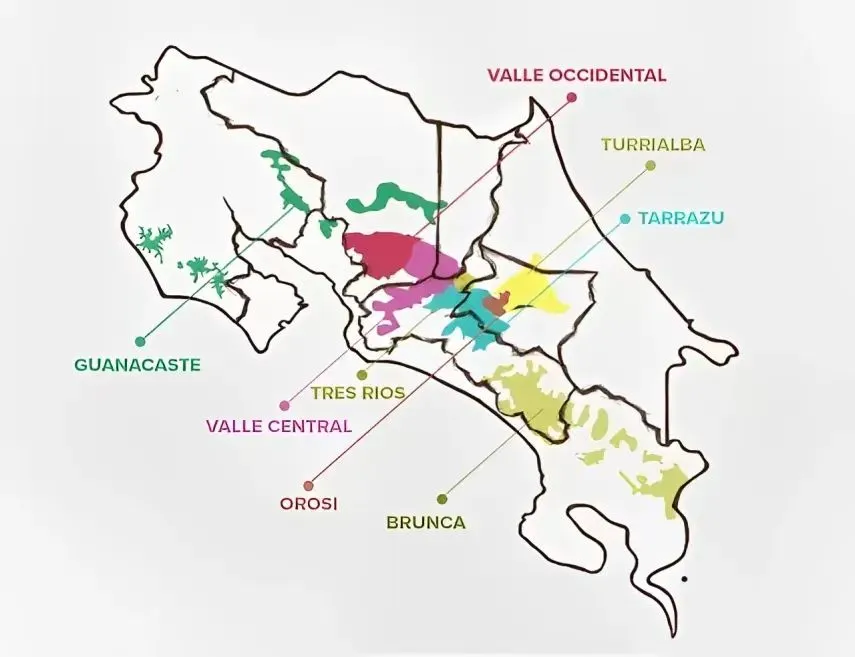
As one of the earliest Central American countries to cultivate coffee, Costa Rica benefits from volcanic soil rich in minerals and high-altitude microclimates, which form the foundation for the coffee beans’ bold flavors. The country is divided into eight main coffee-growing regions, with Tarrazú located south of the capital, San José. Not only is it one of the country’s highest-altitude regions, but it’s also known for its tightly structured, sweet-highlighted beans. The area enjoys stable year-round temperatures, coupled with significant day-night temperature variations, which help coffee cherries ripen slowly and accumulate more flavor compounds.
Within the Tarrazú region, the Mirasu Estate may be small in scale but is highly distinctive. Estate owner Esteban Sanches insists on personally managing both cultivation and post-harvest processes, even designing his own small-scale wet-processing equipment. He emphasizes that only by ensuring the quality of the coffee cherries from the source can mechanical damage during subsequent sorting be minimized. This attention to detail is also reflected in the execution of his raisin honey process.
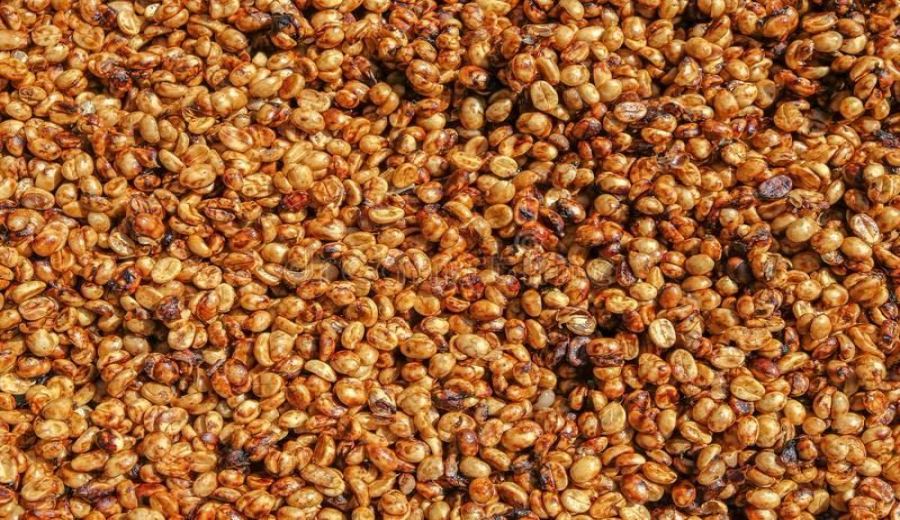
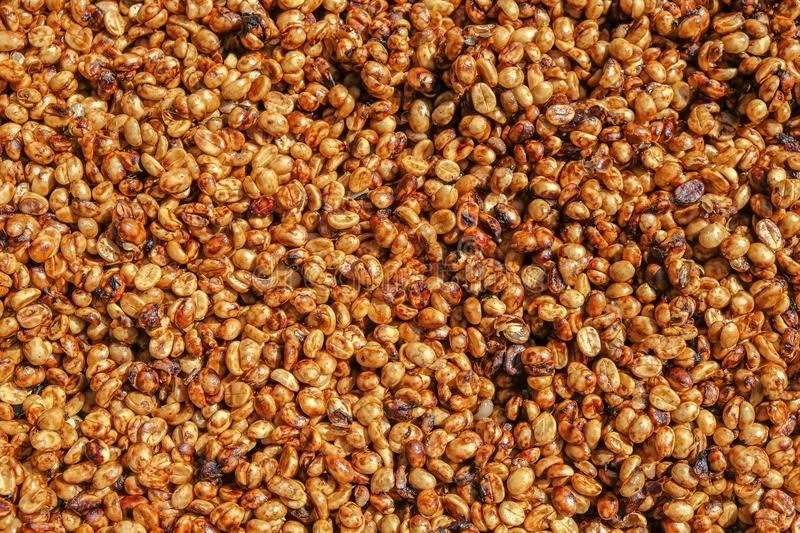
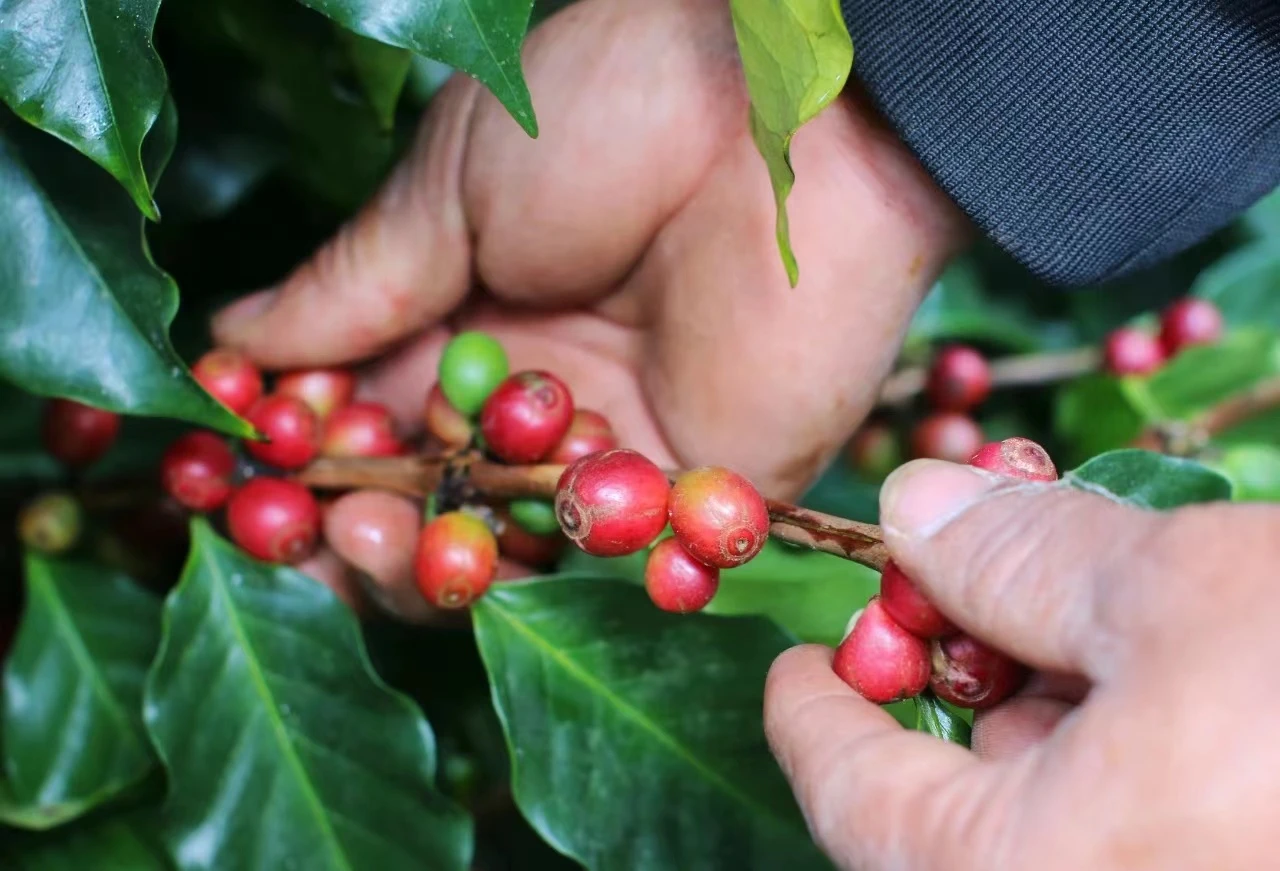
The so-called raisin honey process involves drying harvested coffee cherries on raised beds for at least three days before removing the outer skin while retaining the intact mucilage layer for drying. This process requires strict control over temperature and turning frequency—balancing the risk of over-fermentation while ensuring even mucilage breakdown to impart the coffee’s unique sweetness and wine-like aroma. Practical experience suggests an ideal drying period of around 10 to 14 days, with adjustments made flexibly based on daily weather conditions.
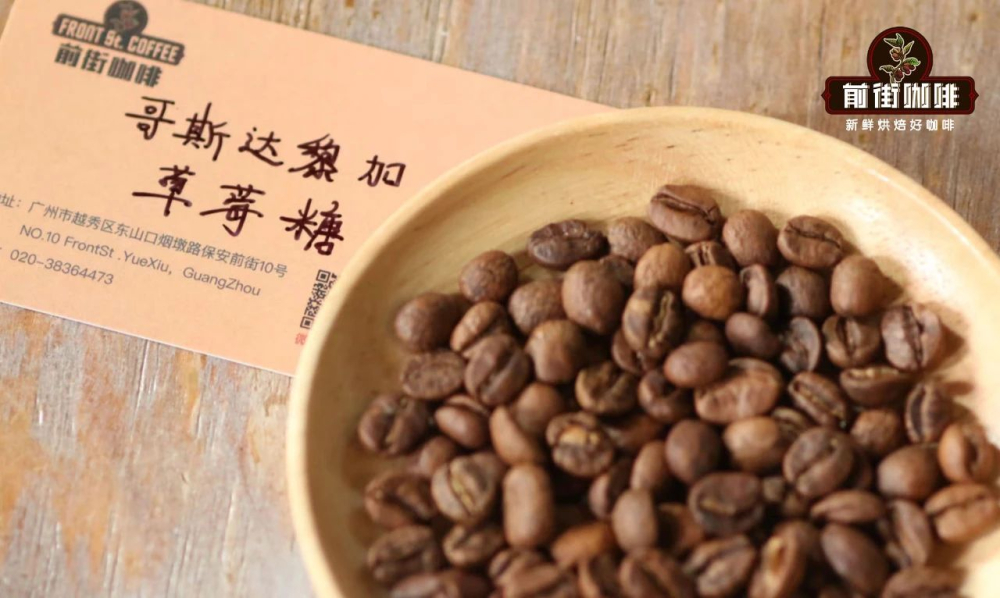
The strawberry sugar Geisha blend analyzed here consists of 50% Geisha and equal proportions of ET47, SL28, and MAICO, all sourced from the same altitude block within the Mirasu Estate. The Geisha variety contributes a distinct jasmine-like character, while SL28 and ET47 are known for their disease resistance and copper-colored leaves, bringing layers of citrus and dark plum complexity. This blend preserves the terroir characteristics of a single-origin estate while enhancing overall performance through varietal synergy.
In terms of roasting strategy, a medium-light roast highlights floral-fruity notes and the peak of sweetness. It’s recommended to use a semi-direct-fire roaster, such as the Yangjia 800N, with an inlet temperature of 175°C, followed by a roughly 90-second development phase after first crack, culminating in a final discharge temperature of about 193.5°C. This curve helps balance acidity and body, making the berry aromas more three-dimensional.
For actual pour-over brewing, it’s recommended to use water at 90–91°C with a grind size similar to fine sugar (approximately EK43s setting 10), and a brew ratio of 1:15. The specific process can be divided into three pouring phases: the first phase involves pouring 30 grams of water for a 30-second bloom to activate enzymatic reactions; then, within the first minute, add 95 grams of water to promote mucilage extraction; finally, when the water level drops to two-thirds of the coffee bed, add the remaining 100 grams of water, keeping the total extraction time between 1 minute 40 seconds and 2 minutes. Monitor the flow rate—if it’s too fast, consider adjusting to a finer grind, and if too slow, slightly coarsen it.
Cupping data shows that this coffee’s dry aroma is dominated by dried fruits and berries, while the wet aroma shifts to pronounced floral notes. During sipping, you can perceive the sweetness of raisins, the fullness of nuts, and a silky, creamy texture, with a lingering aftertaste of strawberry candy. This flavor combination makes it an excellent pairing for light desserts, especially enjoyable in the afternoon.
In summary, the honey-processed coffees of Costa Rica’s Tarrazú region, with their unique post-harvest processing and geographical advantages, deliver a sweetness and complexity that are hard to replicate elsewhere. Whether you’re a beginner drawn to bright fruitiness or an advanced enthusiast keen on exploring nuances, this coffee offers a rich experience. Remember the key parameters and brewing steps, and you too can recreate professional-grade flavors at home.
The above content is compiled by CoffeeHunters, a coffee news website.


