







Introduction:To brew a well-balanced espresso at home or in a café, aside from the machine and technique, selecting the right coffee beans and mastering the correct extraction parameters are key. This article delves into the various factors that influence espresso flavor, including bean blend composition, flavor profiles, as well as core extraction parameters such as dose, ratio, time, and grind size. It also provides complete hands-on steps to help you consistently pull rich, layered espressos with a thick crema.
Making a satisfying shot of espresso at home or in a café relies not only on the performance of your equipment but more critically on the selection of coffee beans and precise control over extraction conditions. Even with the same beans, different machines, grinder settings, and techniques can yield vastly different flavor results. However, by mastering basic parameters such as dose, brew ratio, extraction time, and grind fineness, you can significantly improve consistency and stability in your extractions.
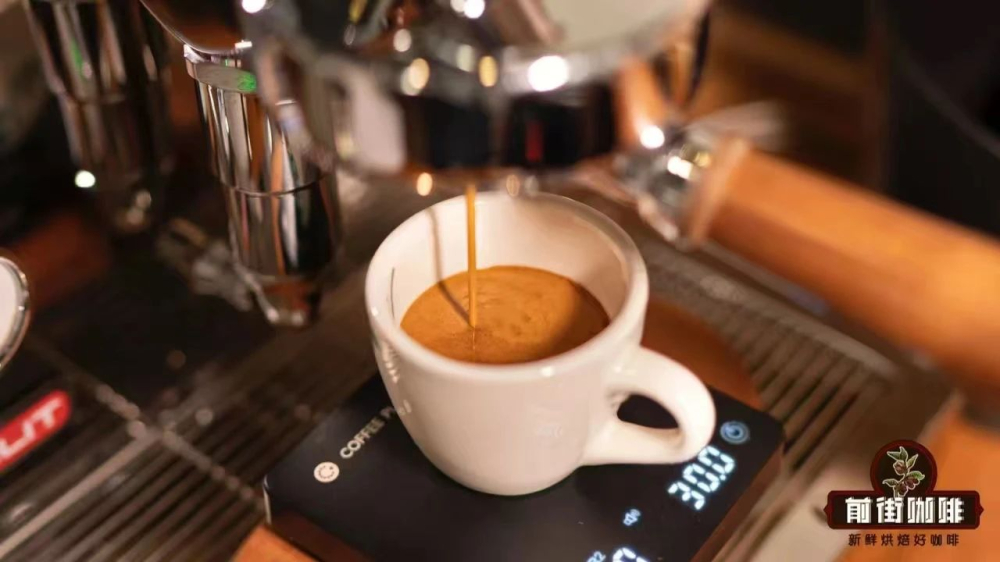
The charm of espresso lies in the intense aroma and rich body released through high-concentration extraction. Its secret is the rapid extraction of extremely finely ground coffee using hot water at around 94°C under high pressure of 9 to 10 bar. During this process, coffee oils (crema) emulsify with carbon dioxide and oils to form a delicate layer of golden foam. This not only enhances visual appeal but also contributes to a richer mouthfeel.
To make a great-tasting espresso, the first priority is choosing the right coffee beans. There are many types of espresso blends on the market, and combinations of beans from different regions and roast levels will directly affect the final flavor direction. Below are several common and representative espresso blend combinations along with their characteristics to help you choose the most suitable beans based on your needs.
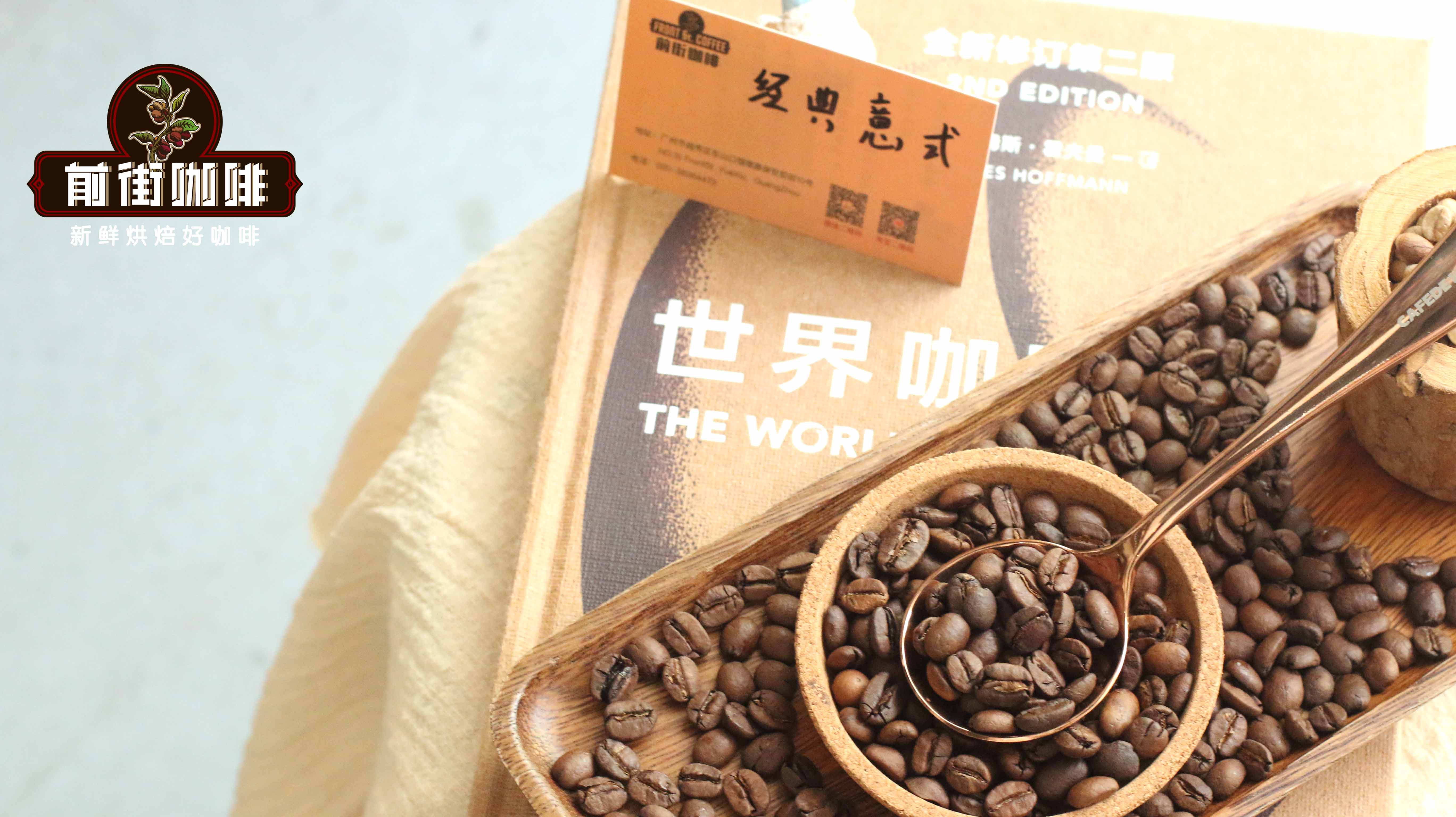
First up is the classic espresso blend, typically composed of Brazilian, Mandheling, and Vietnamese beans, with some recipes even adding Robusta to enhance the body and intensity. These blends exhibit distinct flavors of dark chocolate, butter, caramel, and hazelnut cookie. They are ideal for coffee lovers who prefer a bold taste and seek good latte art performance, making them especially suitable for home use or latte preparation.
If you prefer a fruitier profile, the Strawberry Candy blend is a great choice.This blend usually combines beans from Costa Rica, Colombia, and Ethiopia, delivering bright fruity notes and a mildly sweet strawberry taffy flavor.On the palate, you’ll find soft tastes of berries, cream, and raisins, with a clean finish. It’s suitable for making Americanos or milk-based coffees, with an overall refreshing flavor profile that works well for summer or those who enjoy lighter-tasting coffee.
Premium espresso blends often focus on Colombian and Brazilian beans, roasted to a medium-dark level, resulting in relatively balanced flavor expression. These blends offer a gentle balance of bitterness and sweetness, with a smooth mouthfeel, subtle grassy notes, and nutty undertones. Acidity is not prominent, making them suitable for cafés aiming for daily consistency or everyday home use. Crema is moderate, and the taste is mild without being overly intense.
Commercial blends emphasize stability and intensity, often incorporating Robusta to boost body and crema. These beans often showcase caramel sweetness, nutty, and dark chocolate aromas after extraction, with balanced acidity and sweetness and a long aftertaste. They’re highly suitable for high-volume cafés or home users prioritizing value for money.
Lastly, base blends are often built on Yunnan and Brazilian beans, offering a milder flavor profile with gentle fruit acidity, caramel sweetness, and nuttiness. The overall presentation is straightforward, making them suitable for users with lower flavor demands or those looking to manage costs. Although the layers are simpler, they still deliver the essential characteristics of espresso.
Aside from bean selection, key factors affecting espresso flavor also include dose, brew ratio, extraction time, grind size, and water temperature/pressure. Among these, water temperature and pressure are mostly preset by the machine and generally don’t require frequent adjustment by average users. Therefore, focus can be placed on the following parameters.
For dose, a single shot (Single Shot) typically uses10 to 11 gramsof coffee grounds, while a double shot (Double Shot) recommends19 to 20 grams. The amount of coffee directly impacts extraction concentration and mouthfeel fullness.
Brew ratio is also an important variable, with common ranges being 1:1.5 to 1:2.5. Beginners might start with a1:2ratio such as 20 grams of coffee grounds yielding 40 grams of espresso, which achieves a fairly balanced extraction.
Extraction time is advised to be controlled within20 to 30 seconds. Too short (under 20 seconds) often leads to thin, watery coffee, while exceeding 30 seconds may result in over-extracted, burnt flavors. Many professional shops aim for28 to 30 secondsfor double shots to achieve optimal balance.
As for grind size, there’s significant variation between grinders. It’s recommended to adjust based on actual extraction and tasting. If the flow is too fast, the grind is likely too coarse and should be adjusted finer. If the flow is too slow or channeling occurs, the grind may be too fine and should be adjusted coarser. The right grind ensures even extraction and full flavor development.
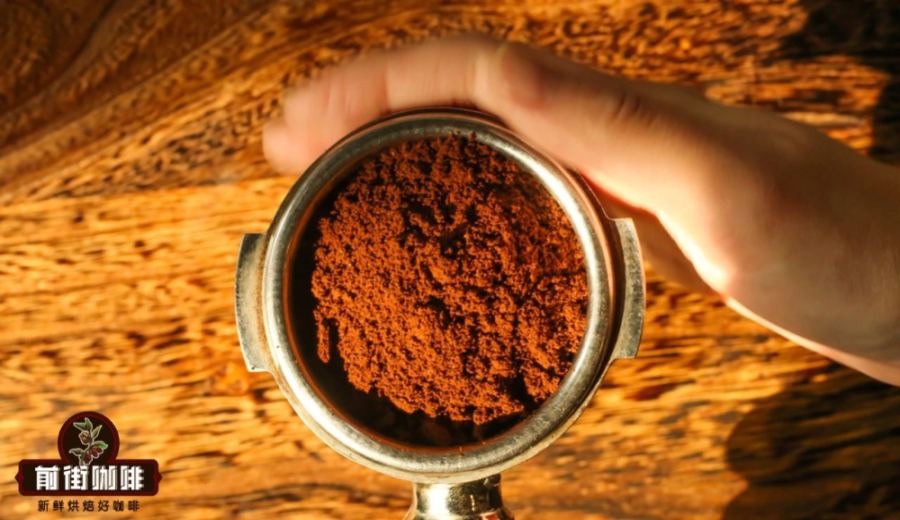
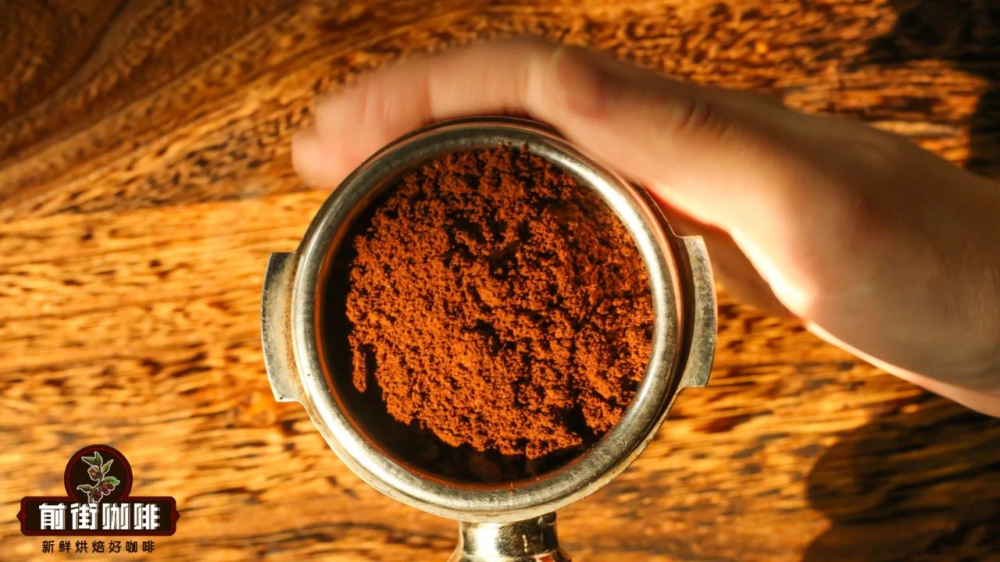
In actual brewing steps, first ensure the portafilter basket is dry, then evenly distribute the ground coffee. Use a distribution tool or your fingers to level the grounds, avoiding uneven density during tamping. Tamp with consistent pressure to create a flat puck surface.
Before extraction, check that there’s no leftover coffee around the basket rim, and lightly wet the group head to prevent residual coffee grounds from affecting extraction. When attaching the portafilter, make sure it’s firmly seated without leaks. During extraction, it’s recommended to observe the flow around the fourth second after pressing the button. Ideal espresso should flow smoothly like honey, changing color from reddish-brown to light golden, with a fine layer of golden crema forming on top—this is the essence of espresso’s flavor and texture.
The above content is compiled by CoffeeHunters, a coffee news website.


