







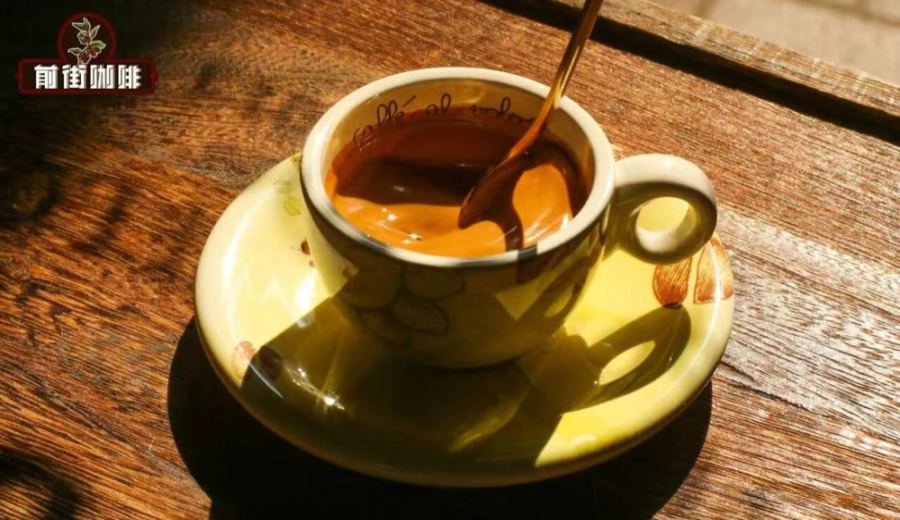
Introduction:Want to make a well-balanced espresso at home? This article will delve into the core elements of operating an espresso machine. Starting with recommendations for five classic coffee beans ideal for beginners, covering origin, processing methods, and flavor profiles, we’ll then guide you through key parameter settings such as dose, yield, and extraction time. Finally, using a practical example of extracting 40 grams of liquid with 20 grams of coffee, we’ll break down the operation step-by-step to help you stabilize your shots and improve extraction success rate.
Compared to brewing methods like pour over or French press, using an espresso machine is significantly more demanding when it comes to coffee bean quality. To fully release the aroma and flavors of coffee in a short time, not only is an extremely fine grind required, but also high water temperature and high pressure extraction—this is what creates a rich and layered shot of espresso. However, if just one step goes slightly wrong, the entire cup can turn out overly sharp, bitter, or even undrinkable. Therefore, mastering the correct bean selection and extraction parameters is essential basic knowledge for any beginner aiming to improve their espresso skills.
For those just getting started, it’s recommended to opt for medium to dark roasted beans first—they help retain flavor while keeping bitterness in check. If you don’t prefer an overly strong bitter taste, you can also go for medium roast to achieve a smoother mouthfeel. Next, we’ll introduce five espresso beans suitable for beginners. Each has its own unique origin background, processing method, and flavor direction to help you choose the right beans based on your personal preference.
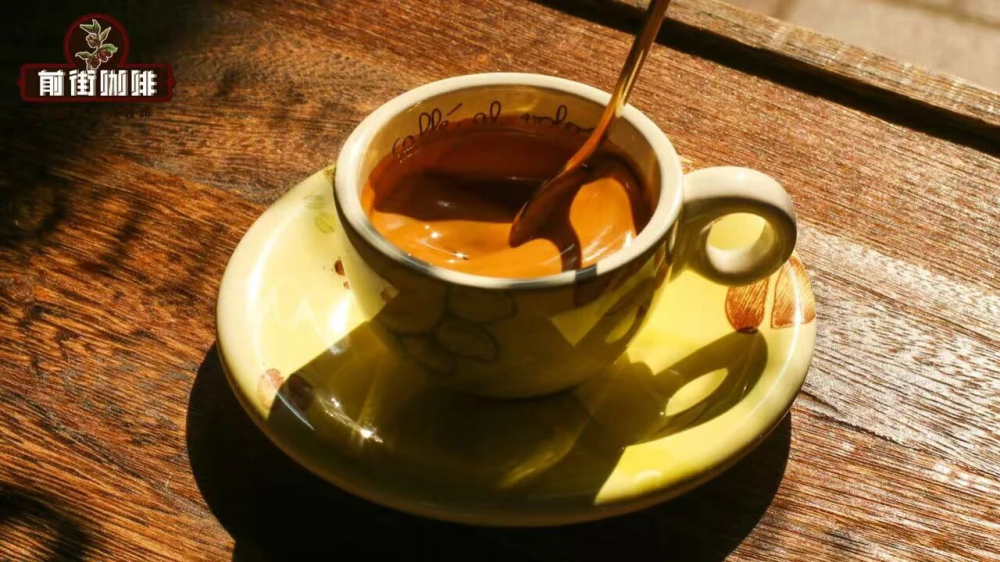
First up is a premium blended coffee bean, priced at around 75 RMB/454g, combining Colombian washed beans and Brazilian pulped natural beans. The overall flavor showcases notes of nuts, dark chocolate, and caramel, with a rich and approachable mouthfeel—perfect as a base bean for everyday espresso.
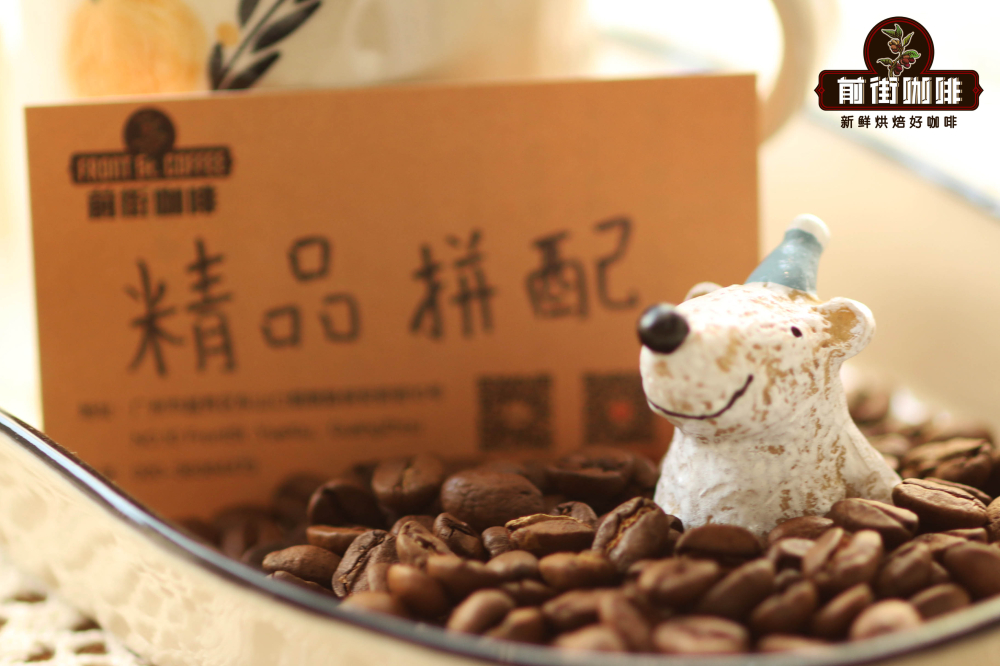
Next is a classic blend, sold at 58 RMB/227g, combining Brazilian pulped natural, Indonesian Mandheling, and Vietnamese beans. This blend has a thick crema, a solid and intense body, and is ideal for coffee lovers who enjoy a fuller mouthfeel.
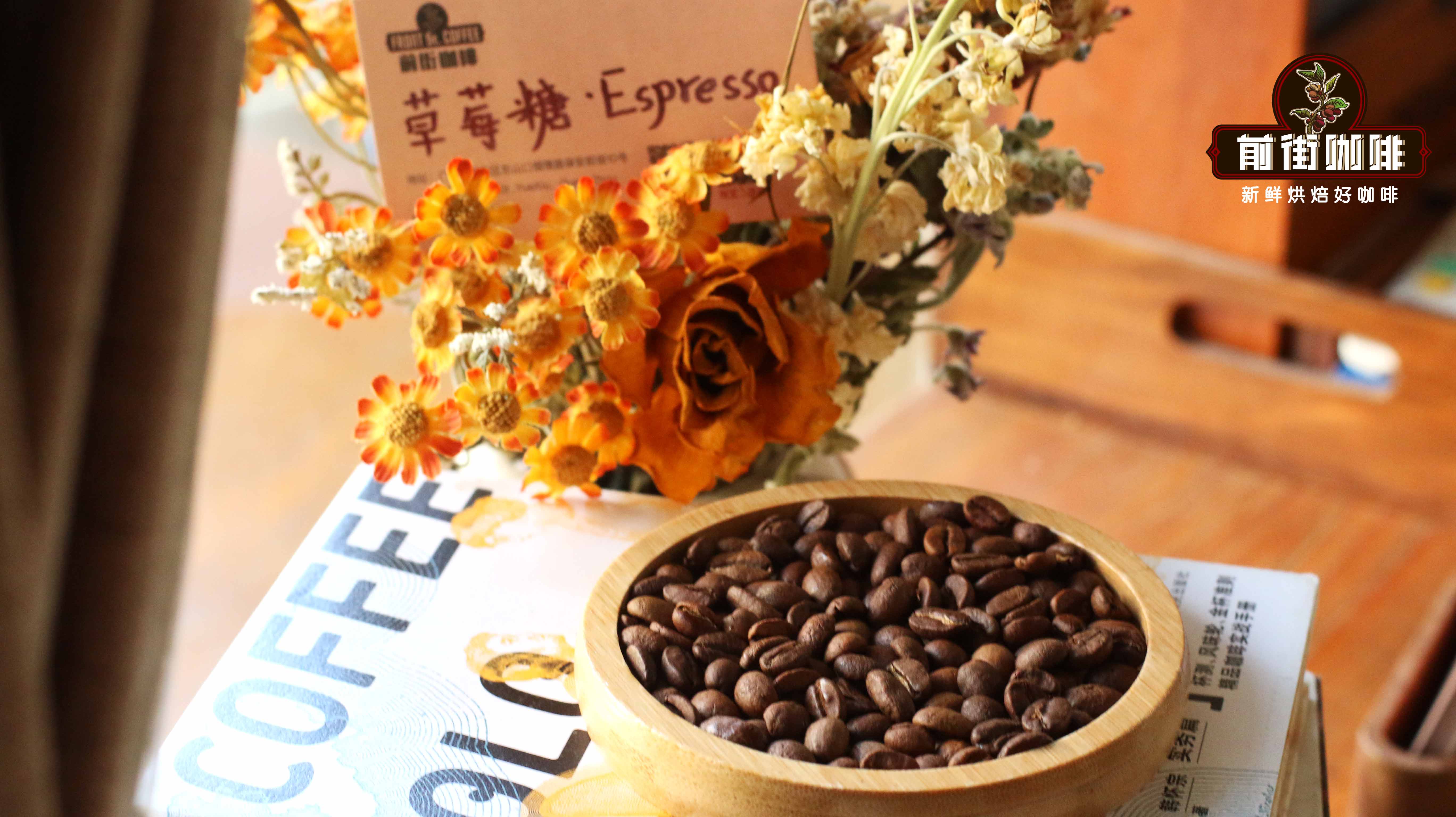
The third recommendation is a strawberry candy-flavored espresso, priced at 85 RMB/227g, made from beans sourced from Costa Rica, Panama, and Ethiopia. It features distinct aromas of rose, strawberry candy, and a glucose-like sweetness. The flavor is fresh and sweet, with an impressive balance between acidity and sweetness.
If you want to explore the charm of single-origin beans, try a Huaku SOE coffee bean, priced at 65 RMB/227g. SOE (Single Origin Espresso) refers to espresso made from beans of a single origin. This Huaku SOE uses the Huaku variety from Ethiopia’s Sidamo region. To better suit the extraction characteristics of an espresso machine, it’s medium roasted, successfully highlighting bright berry and floral notes while maintaining overall flavor balance. Whether enjoyed straight or with fresh milk as a latte, it showcases its unique fruity profile.
The final recommendation is a Queen Estate coffee bean, priced at 85 RMB/227g. These beans come from the high-altitude Mogiana region in Brazil and are grown from the relatively rare Yellow Bourbon variety. Yellow Bourbon is a mutation of the Bourbon variety in Brazil. Due to recessive genes, the fruit turns a rare yellow when ripe—not only is it naturally sweet, but it also offers higher clarity. This bean uses a pulped natural process and is medium-dark roasted to enhance rich aromas of cream, nuts, and chocolate. It suits drinkers who prefer a heavier mouthfeel.
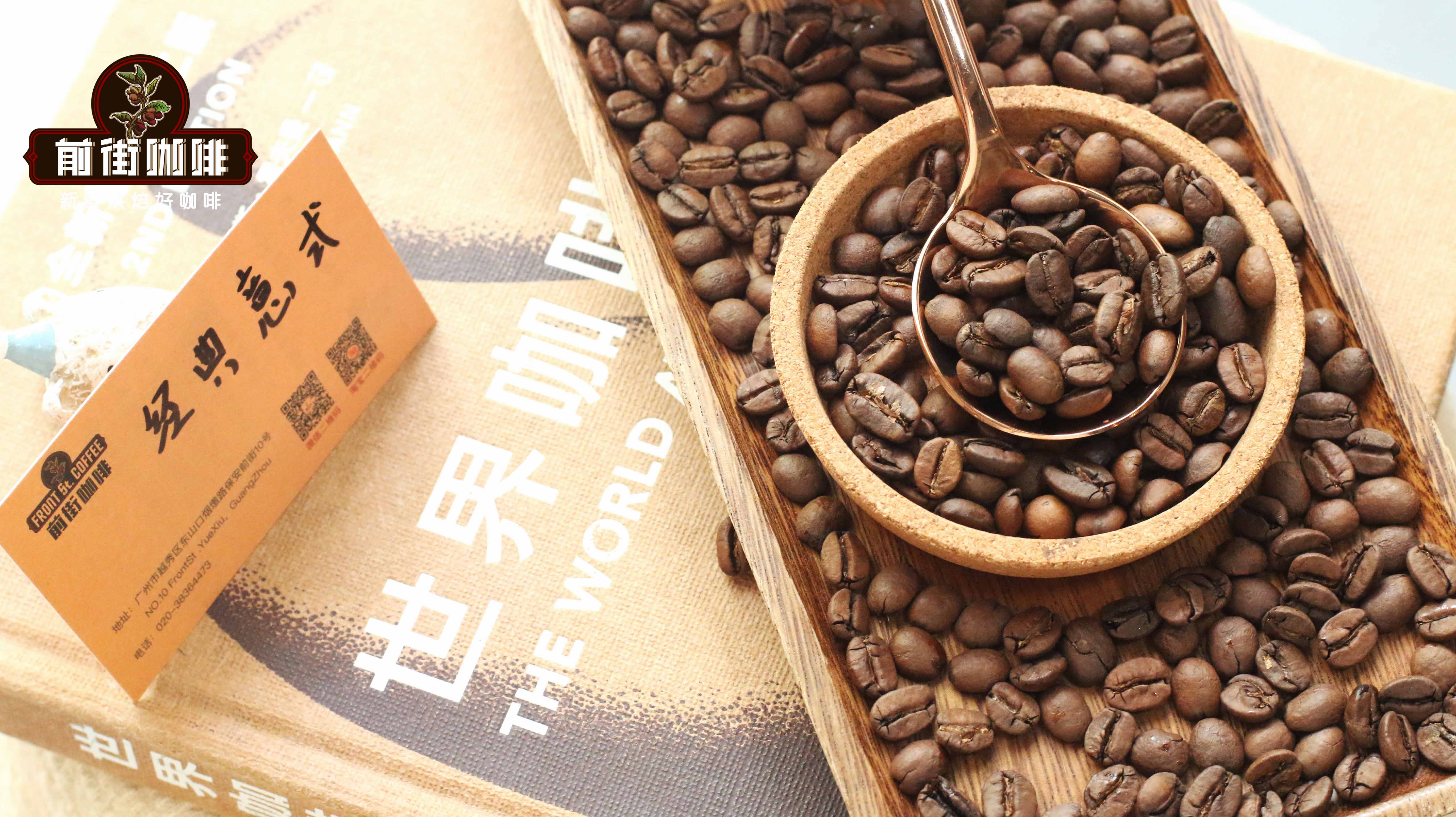
Once you understand which beans work best, the next step is setting extraction parameters. Generally speaking, depending on the size of the portafilter basket, the amount of coffee used typically falls between 18 to 22 grams. It’s recommended to adjust based on your equipment and taste preferences. A common extraction ratio is double the dose of coffee—for example, 18 grams of coffee should ideally yield 36 grams of espresso. Going beyond this range can easily lead to over-extraction or under-extraction, affecting the final flavor.
It’s worth noting that some shops choose to extract 36 grams of liquid using 20 grams of coffee, which can give subsequent drinks like americano or latte more layers and aroma. Regardless, the liquid weight is recommended to be within 1 to 3 times the dry coffee weight, with 2 times being the most ideal and widely applicable.
In addition to dose and yield, extraction time is another key factor. It’s generally advised to start timing from when you press the extraction button and aim to finish between 25 to 35 seconds. If the flow is too fast, it may result in prominent acidity but lack sweetness; if too slow, it can lead to bitterness and a flat, dull taste. If you notice abnormal flow speed, the first thing to check is the grind size, and adjust accordingly to achieve the best extraction state.
For beginners, the most straightforward way to judge quality is still by tasting directly. Although subjective taste may vary, using professional tools like a refractometer can further measure Total Dissolved Solids (TDS) in the espresso, thereby calculating concentration and extraction yield. Using the formula: (%TDS × extraction liquid weight) ÷ coffee dose weight = extraction percentage, you can more scientifically assess extraction quality and further adjust to the parameter combination that best suits your taste.
In terms of actual operation, making espresso may seem complicated, but once you master the essentials of each step, you can steadily pull high-quality shots. Here’s the standard seven-step operation process:
Step 1:Use a clean cloth to wipe the portafilter basket, ensuring it’s dry with no residual moisture inside to avoid affecting the coffee puck distribution.
Step 2:Use an electronic scale to accurately weigh the required amount of coffee, with an error margin ideally kept within ±0.1 gram to ensure consistency in each extraction.
Step 3:Evenly distribute the coffee grounds across the portafilter basket—this step is called “distribution,” and its goal is to create a level bed of coffee to aid in even tamping.
Step 4:Tamp the coffee grounds evenly with appropriate pressure (typically around 30 pounds) to form a compact coffee puck, which is crucial for stabilizing the flow rate.
Step 5:Securely attach the tamped portafilter to the espresso machine’s group head.
Step 6:Start the extraction process and begin pulling the espresso shot. It’s recommended to observe changes in flow rate and color during extraction.
Step 7:After extraction is complete, remove the portafilter and immediately clean the group head to prevent residue from affecting the flavor of the next shot.

Based on comprehensive practical experience, the recommended espresso extraction setup is: using 20 grams of coffee to aim for a 40-gram yield, with extraction time controlled around 30 seconds. This is a broadly applicable and stable parameter range suitable for most home and commercial machines.
Once you’ve mastered the basic espresso extraction technique, you can also easily extend to making other coffee drinks. For example, simply pour the extracted espresso into a cup and add 160 ml of hot water to make a delicious hot americano. Add fresh milk, and you’ve got a flavorful latte or other milk-based coffee drinks.
The above content is compiled by CoffeeHunters, a coffee news website.


