








Introduction:Choosing the right coffee beans is the first step to brewing a great cup with the pour over method, and the processing method is the key factor that shapes the flavor profile. This article delves into the evolution and characteristics of Ethiopia’s natural (sun-dried) processing method. From the early G3 grade beans to today’s specialty-grade G1 naturals, we explore the growing regions and flavor profiles of representative beans such as Huila, and offer practical pour over parameters to help readers master the brewing techniques for Yirgacheffe and Sidamo beans. Whether you’re a beginner or an advanced coffee enthusiast, you’ll find inspiration for bean selection and brewing here.
In the world of specialty coffee, the processing method plays a central role in shaping the flavor profile. Among these, the natural (sun-dried) process, as the most traditional technique, has regained significant attention in recent years. From the early G3 grade green beans in Ethiopia to today’s natural beans that can achieve G1 specialty grade, the advancement of this technique allows us to enjoy richer and more complex coffee flavors.
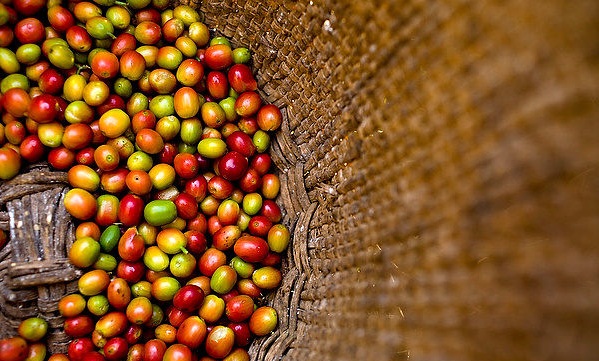
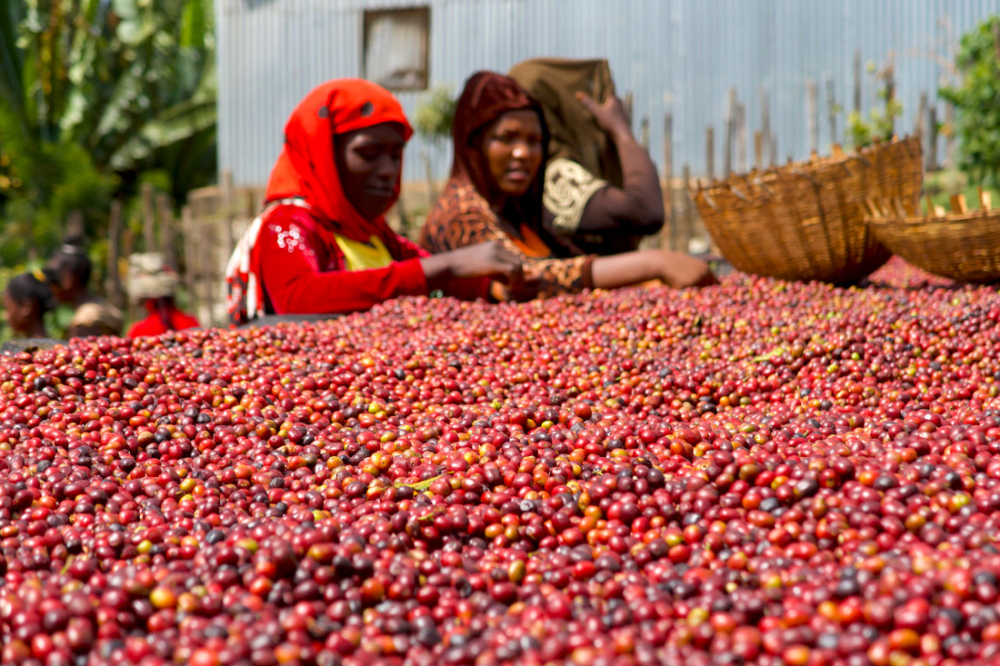
When it comes to coffee processing methods, many people first think of the washed process, which is often regarded as the benchmark for evaluating coffee quality due to its stable performance and clear regional characteristics. However, the unique flavors brought by the natural (sun-dried) process are equally worthy of in-depth exploration. This oldest processing method originally involved simply drying freshly harvested coffee cherries directly in the sun until the pulp moisture content decreased, then removing the outer layers to extract the beans.
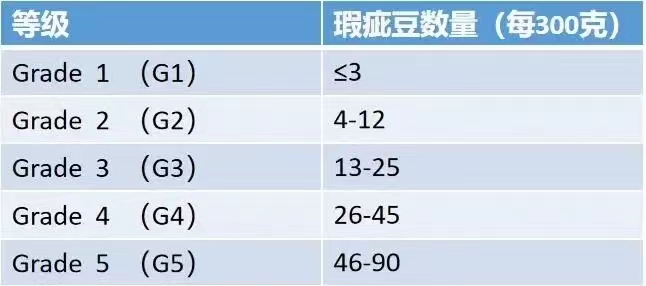
In the early days, this practice was mostly seen among small-scale farmers. Due to the lack of standardized processes, it often led to unstable green bean quality and relatively ordinary flavor profiles. Taking Ethiopia’s past green bean grading standards as an example, grades were primarily determined by the number of defective beans: for every 300 grams of green beans, G1 beans could have no more than 3 defects, G2 beans 4 to 12 defects, while natural beans at the time could only reach up to G3 grade, meaning they had at least 13 defects.
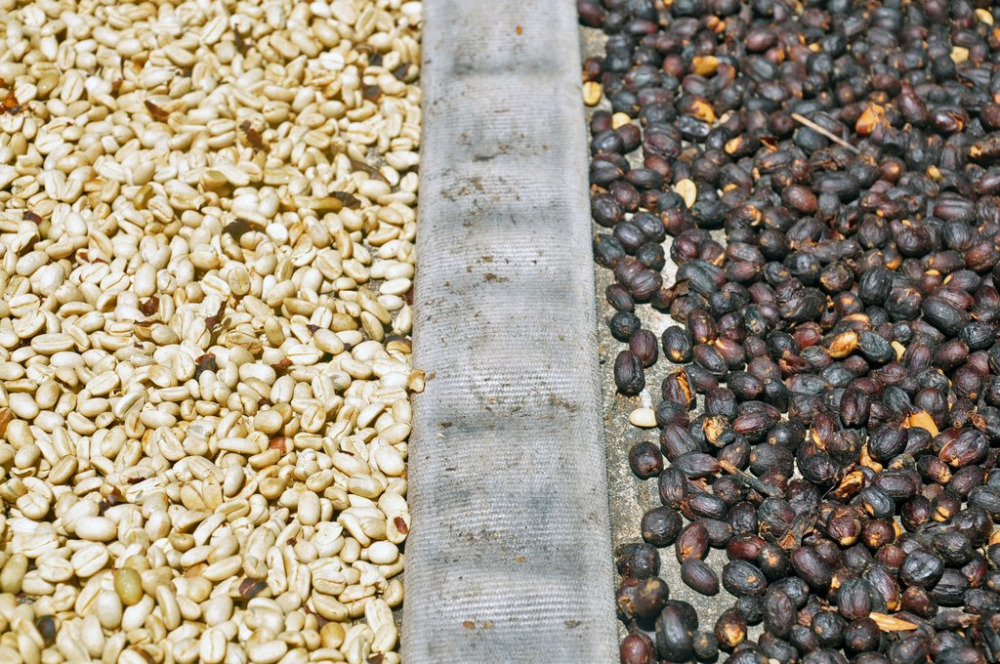
With advancements in processing techniques, Ethiopia’s natural beans can now also achieve G1 grade. Take the Huila coffee beans, for example. These natural beans from the Guji-Hambela region exhibit intense dark berry tones, a rich and layered mouthfeel, and the natural process gives them a full body and captivating fermented aromas, making them one of the representative works of contemporary natural beans.
The charm of the natural (sun-dried) process lies in its ability to fully preserve the natural sugars of the coffee cherry. During the drying process, the sugars from the pulp and skin gradually seep into the coffee bean, creating a unique sweetness and fruity aroma. This processing method not only enhances the complexity of the flavors but also delivers a richer and fuller mouthfeel experience.
Interestingly, even the Blue Mountain region, known for its washed processing, has started experimenting with the natural process under market trends. Starting in 2019, the Blue Mountain area invited professional estates to provide technical guidance and launched typica Blue Mountain coffee processed using the natural method in 2020, proving that the natural process is gaining recognition from an increasing number of traditional producing regions.
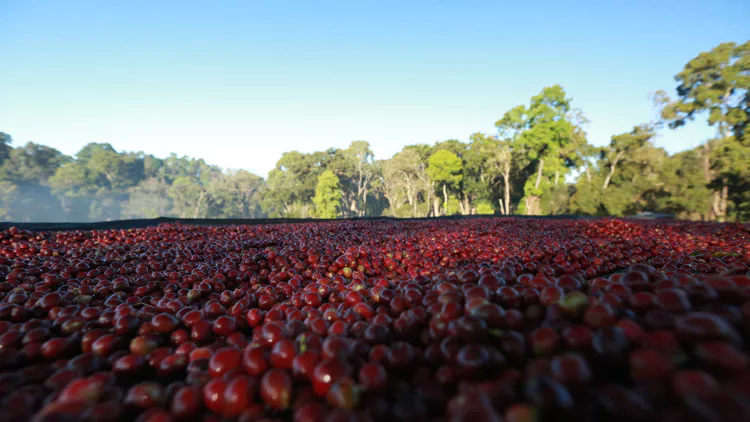
Modern refined natural (sun-dried) processing emphasizes higher quality standards. Farmers carefully select fully ripe coffee cherries, ensuring each fruit is intact, and use raised beds for sun drying. This method not only avoids the influence of dirt and impurities but also improves drying efficiency, better preserving the original fruity flavors of the coffee.
Take the new-season natural Huila Huila from Ethiopia’s Sidamo-Guji region as an example. These coffee beans are grown at high altitudes of 2250 to 2350 meters, using local heirloom varieties. After natural processing, they present rich flavors such as floral notes, jackfruit, preserved fruits, and apricot, along with a distinct juicy mouthfeel.
For coffee lovers who enjoy pour over, it is recommended to use a Hario V60 #01 filter, with water temperature controlled at 90-91°C, a coffee dosage of 15 grams, and a 1:15 coffee-to-water ratio. The grind size should be around 80% passing through a Chinese standard No. 20 sieve. Such parameters help fully extract the fruity acidity of Sidamo and Yirgacheffe beans while avoiding the risk of over-extraction.
Specific brewing steps can be referred to as follows: Start with a 30-second bloom using 30 grams of water, then pour 95 grams of water (totaling approximately 125 grams) within about 1 minute. When the water level drops to two-thirds of the coffee bed, pour the remaining 100 grams of water (totaling approximately 225 grams) within about 1 minute and 40 seconds to 1 minute and 45 seconds. Finally, let the coffee drip through between 2 minutes and 2 minutes and 10 seconds, then remove the filter to enjoy.
The 60-degree conical design of the V60 filter allows for even distribution of coffee grounds, and its clockwise spiral rib structure helps maintain an appropriate gap between the filter paper and the filter, working together with the large bottom hole to ensure smooth water flow and improve extraction efficiency. Compared to washed beans, natural beans typically exhibit more abundant fruity aromas and a higher body, adding more layers and enjoyment to the pour over experience.
The above content is compiled by CoffeeHunters, a coffee news website.


