







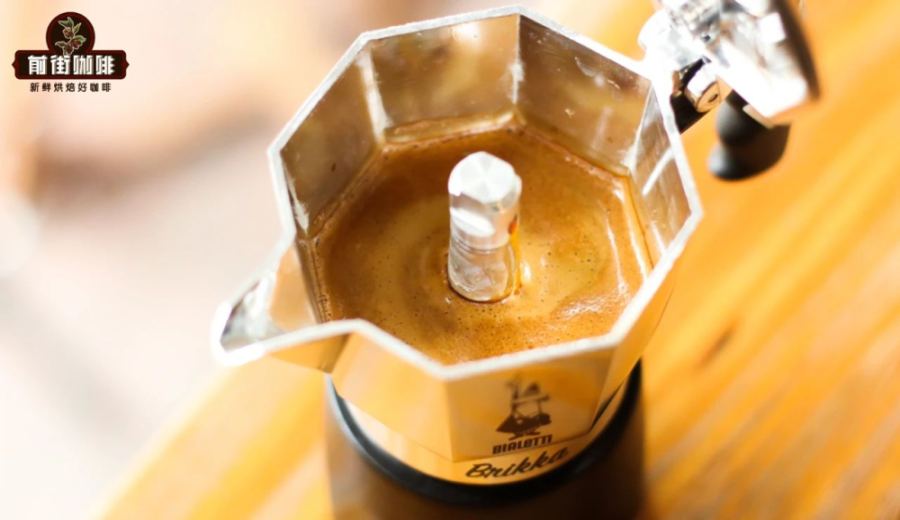
Introduction:Many coffee enthusiasts own a moka pot at home, but often wonder if it can produce real espresso. In fact, although the moka pot is not a professional machine, it can brew coffee with flavors close to espresso through specific operations and settings. This article will detail the structure of the moka pot, the differences between single and double valve models, the extraction principles, and provide practical tips and recommended grind sizes to enhance crema, helping you brew a richer and more layered coffee experience with your moka pot.
The moka pot is a common brewing device for many households and coffee lovers—compact in design, simple to use, and capable of quickly producing bold-flavored coffee. However, many people have one question: does coffee brewed from a moka pot count as espresso? In reality, although the moka pot is not a professional espresso machine, by mastering the correct extraction method and parameters, it can indeed produce a taste and appearance similar to espresso, especially with crema being a key factor.
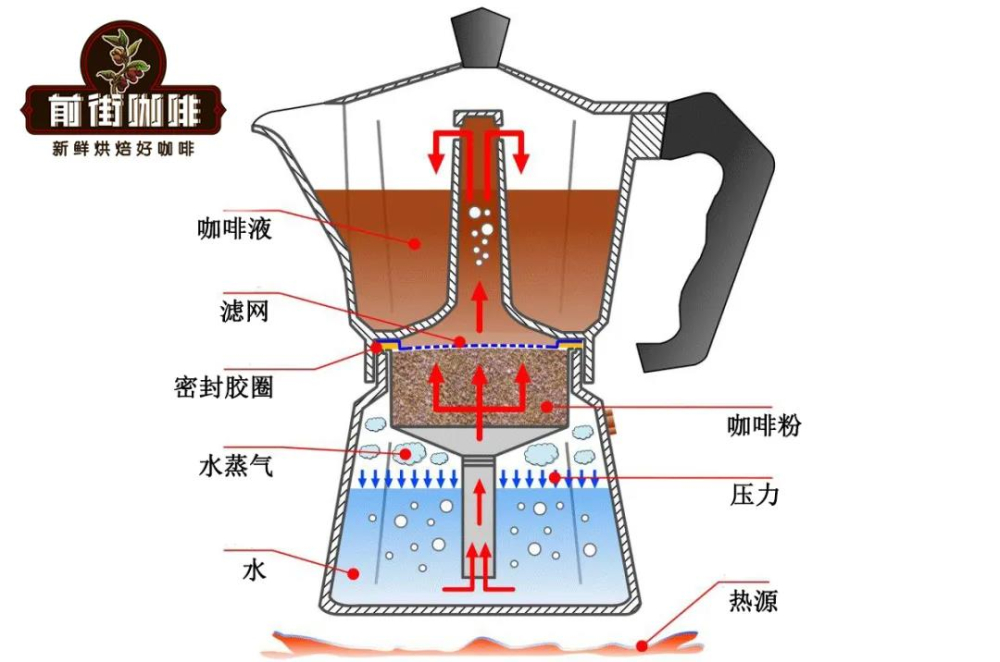
First, let’s understand the basic structure of the moka pot. It mainly consists of three parts: the lower chamber holds water, the filter basket contains finely ground coffee, and the upper chamber collects the brewed coffee. When the lower chamber is heated, the water generates steam pressure, which pushes the hot water upward through the layer of coffee grounds in the middle, eventually collecting in the upper chamber. This extraction method is somewhat similar to that of an espresso machine, but with relatively lower pressure, typically only 1.5 to 3.0 atmospheres, far less than the 9 to 10 bars of professional machines.
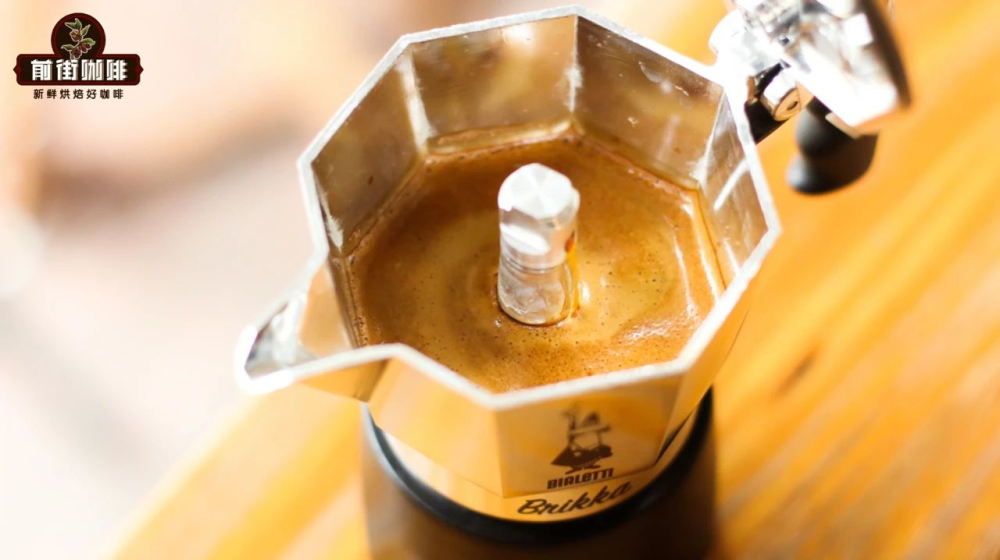
Moka pots on the market are mainly divided into single-valve and double-valve types, which is also one of the key factors affecting coffee crema and intensity. The single-valve moka pot has a simpler design, where the coffee liquid flows directly out from a small hole at the top of the spout. In contrast, the double-valve moka pot has an additional pressure valve on the base of the spout. This valve only opens when the internal pressure reaches a certain level, allowing the coffee to be ejected more forcefully. The double-valve design effectively concentrates the pressure, resulting in richer crema and a more intense flavor. In comparison, the single-valve moka pot produces coffee with slightly lower concentration and more ordinary crema performance.
In actual use, the moka pot is usually heated directly on a stove, a method also referred to as stovetop espresso. Although it cannot fully replicate the high-pressure extraction of a professional espresso machine, by using medium to dark roasted coffee beans, a fine grind, and proper heat control, it is still possible to brew coffee with golden crema and a strong flavor. It’s worth mentioning that the moka pot has a low learning curve, making it suitable for beginners, and it is also portable, ideal for outdoor or travel use.
So, how can you brew coffee with a moka pot that’s closer to espresso? Here are some practical steps and parameter recommendations: First, pour an appropriate amount of cold water into the lower chamber, ensuring the water level does not exceed the safety valve. Next, fill the filter basket with finely ground coffee to about nine-tenths full, then gently tap to level the surface to ensure the coffee bed is compact and even. Assemble the upper and lower chambers tightly, place the moka pot on the heat source, and start with low to medium heat. Once you hear the hissing sound of boiling water, reduce the heat further to allow the coffee to flow out slowly. When the sound becomes a subtle bubbling noise, it means extraction is nearly complete—turn off the heat immediately to avoid over-extraction.
To further enhance the coffee’s crema, it is recommended to use a double-valve moka pot along with medium to dark roasted beans, grinding to a fineness close to that of espresso—roughly like superfine sugar or even finer. Additionally, heat control is crucial. Excessive flame can lead to uneven extraction or burning. It’s advised to maintain stable low to medium heat throughout and observe the coffee flow rate and color changes in the early stages of extraction.
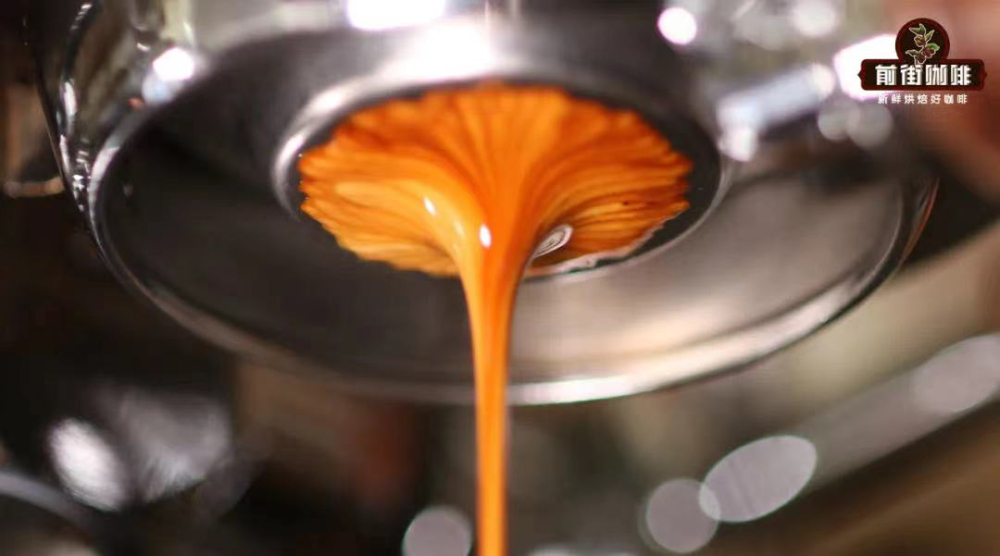
Compared to professional espresso machines, the moka pot operates at lower pressure and therefore cannot produce the thick, honey-like crema. However, with the above techniques, you can still extract coffee with golden-hued oils, rich in flavor and layered in taste. Note that coffee brewed from a moka pot is usually high in concentration, balancing both acidity and bitterness. It’s recommended to pair it with fresh milk or milk foam to make lattes or cappuccinos for a more balanced flavor. Also, remember to clean the moka pot promptly after use to prevent residue from clogging the filter holes. For new moka pots, it is advisable to boil plain water twice before first use to remove impurities and odors.
In summary, although the moka pot cannot fully replace a professional espresso machine, by selecting the right equipment, adjusting grind size, and applying proper extraction techniques, you can still brew coffee with flavors close to espresso—especially in terms of crema and richness. Whether for everyday home use or outdoor adventures, the moka pot is a worthwhile and practical tool that offers coffee lovers a more diverse brewing experience.

The above content is compiled by CoffeeHunters, a coffee news website.


