







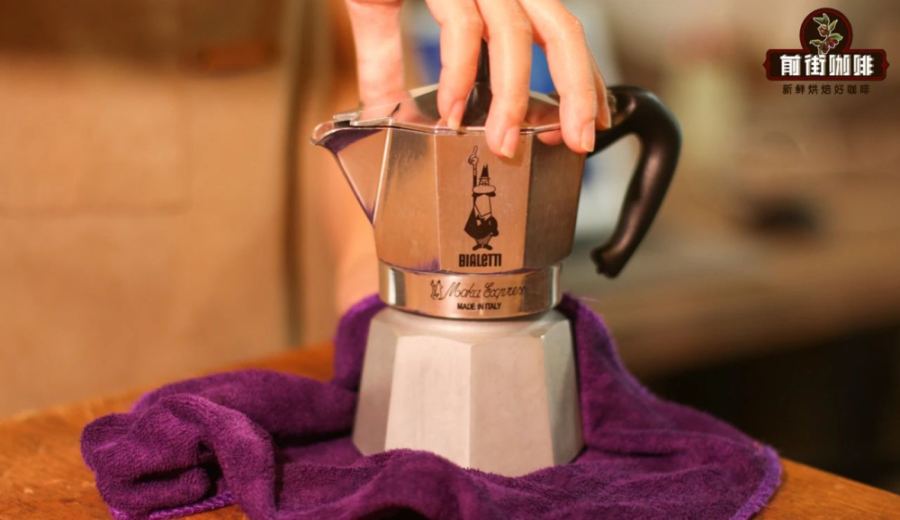
Introduction:If you want to brew high-concentration coffee with café-like flavors at home, the moka pot is an economical and efficient choice. But to achieve coffee that’s rich in crema and has a full-bodied taste, every step—from selecting the beans, adjusting grind size, to the brewing process—is crucial. This article details the types of coffee beans suitable for moka pots, the optimal grind range, and practical brewing tips, along with real examples to guide your selection of different flavor profiles. Whether you’re a beginner or already have some experience, you’ll gain useful techniques here.
Enjoying a cup of rich, café-quality coffee at home isn’t difficult—you just need the right tools and methods. The moka pot, as a classic and highly cost-effective brewing device, is beloved by those who enjoy espresso-like flavors. However, to successfully extract coffee with fine crema and a full-bodied mouthfeel, beyond the device itself, the choice of coffee beans, control of grind fineness, as well as correct operation and safety precautions, are all key factors affecting the final result.
Many people choose the moka pot because it can produce a strong, espresso-like flavor in a relatively simple way. That mesmerizing golden crema is actually formed when coffee grounds release a large amount of carbon dioxide gas under high temperature and pressure. The finer the coffee is ground, the greater the contact area between water and coffee, leading to more active gas release and thus forming a delicate and rich layer of coffee crema.
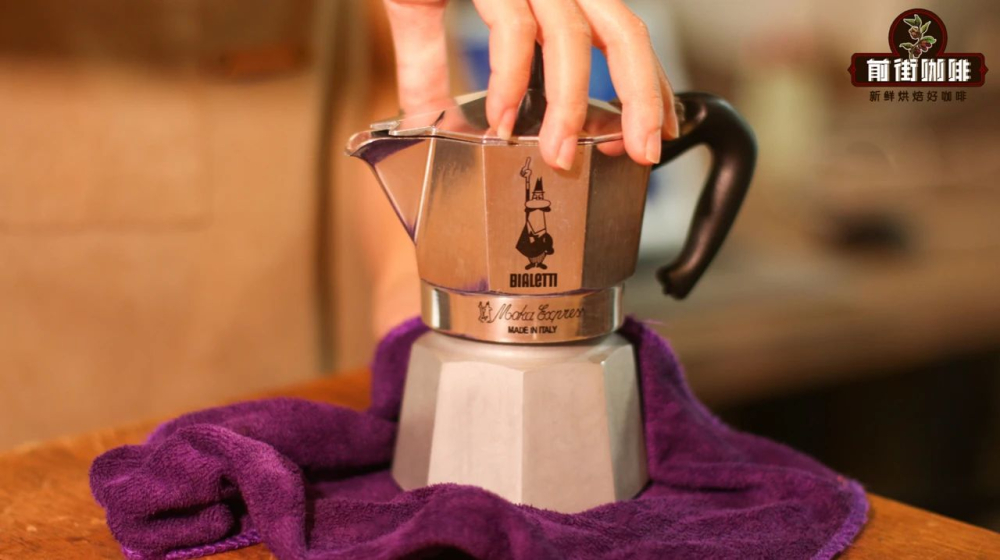
Therefore, if you want to brew coffee with noticeable crema and a thick mouthfeel using a moka pot, you should focus on three aspects: the freshness of the coffee beans, the degree of roast, and the grind fineness. Generally speaking, the moka pot works best with medium to dark roasted coffee beans, which usually have intense flavors and a full body, making it easier to bring out crema and layered taste.
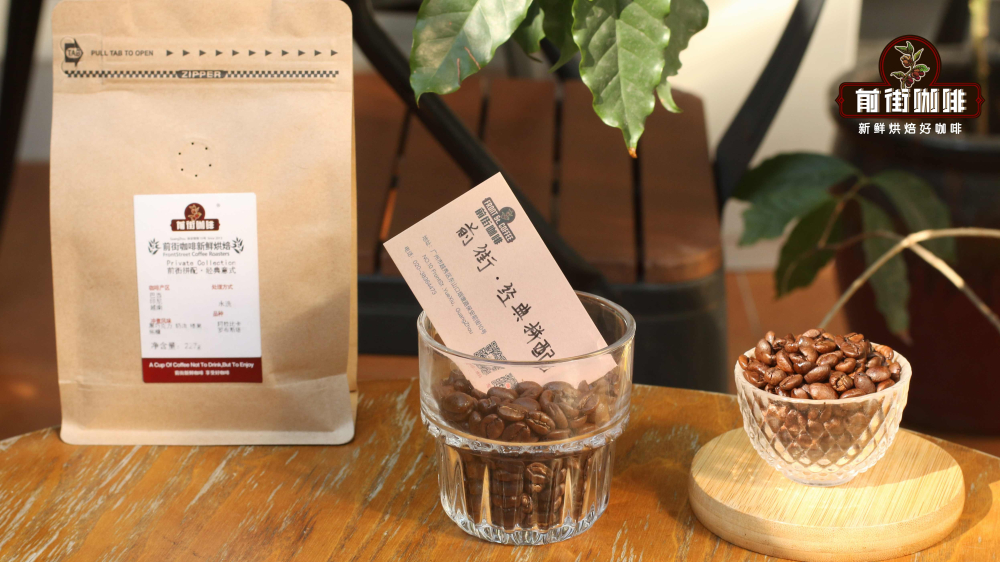
For beginners, it’s recommended to start with a medium to dark roasted blend, such as a balanced formula bean that features buttery and nutty notes, suitable for various brewing methods. If you’ve gained some experience and want to explore the unique characteristics of single-origin beans, you can also choose an SOE (Single Origin Espresso) with distinct regional features to experience the flavor differences brought by different growing regions.

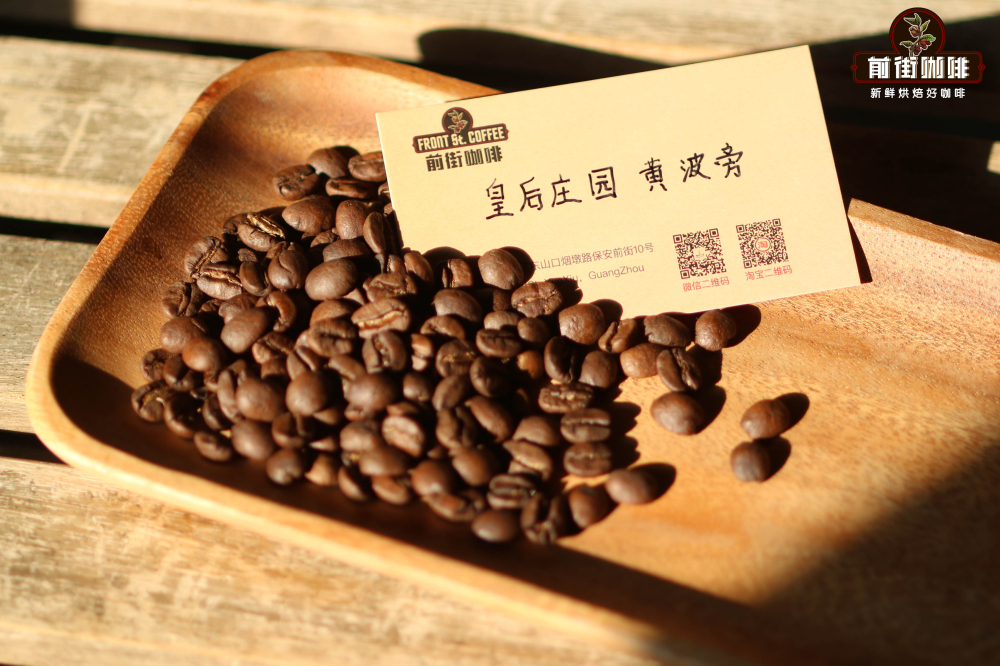
For example, a medium to dark roasted Queen Estate SOE often boasts intense aromas of cream and peanuts, paired with sugarcane-like sweetness and a cocoa finish, making it suitable for various brewing methods such as pour over, moka pot, and home semi-automatic machines. Another well-known option, the Golden Mandheling SOE, undergoes rigorous triple hand-picking and one machine sorting, resulting in uniform beans. After medium to dark roasting, it releases complex aromas of spices, caramel, cedar, and dark chocolate, with a full body and outstanding crema performance—especially suitable for those who dislike pronounced acidity.
To successfully extract ideal coffee, the grind fineness of the moka pot is also an aspect that cannot be overlooked.It is recommended to control the grind size between0.3 to 0.55 millimeters,
which is slightly coarser than the coffee powder used in standard espresso machines but much finer than that for pour over. Since this range is extremely fine, it’s hard to judge accurately with the naked eye. It is recommended to adjust in two ways: either purchase a dedicated particle size ruler, or use the demonstration coffee powder recommended for your specific moka pot as a reference; alternatively, make fine adjustments through repeated practical use until you find the optimal state.
In practice, if you notice the coffee liquid gushing out like a fountain, it usually means the grind is too coarse, resulting in insufficient water resistance and poor extraction efficiency. Conversely, if you hear a “whistling” sound from inside the pot but the coffee liquid doesn’t drip down for a while, it may mean the grind is too fine and the pressure is too high—in this case, you should stop heating immediately to avoid danger caused by excessive pressure buildup.
When using a moka pot, safety is absolutely the top priority. Special attention should be paid to the small hole on the side of the lower chamber, known as the "pressure relief valve." This design is meant to prevent the risk of the pot exploding due to overly fine coffee grounds or excessively high pressure. Once the water level exceeds the position of the pressure relief valve during filling, its protective function becomes ineffective, which may lead to danger—so be sure the water level does not exceed this valve.
The following are the standard steps for using a moka pot. It’s recommended to follow them in order to achieve the best extraction results:1. Pour hot water into the lower chamber, with the amount recommended to beno higher than the pressure relief valve,usually about50 to 60 milliliters;
2. Place about20 grams of coffee groundsin the coffee chamber, grinding them to a fineness similar totable salt (about 0.3~0.55 millimeters),then gently level the surface without compacting it;
3. Insert the filled coffee chamber into the lower chamber, then tightly assemble the upper and lower chambers together;
4. Place the assembled moka pot on an induction cooker or gas stove and begin heating;
5. When you observe the coffee liquid starting to flow out accompanied by a slight hissing sound, it indicates the extraction is nearing its end. At this point, remove the pot from the heat source and use the residual heat to push the remaining coffee liquid into the upper chamber, completing the extraction.
With the above techniques mastered, you too can easily brew a cup of moka pot coffee rich in crema and bold in flavor at home, enjoying your own special coffee moment.
The above content is compiled by CoffeeHunters, a coffee news website.


