







Introduction:Want to easily make a refreshing and smooth cold brew coffee at home, but don’t know how to choose beans or master the techniques? This article provides a clear and easy-to-follow brewing process and recommendations, covering everything from basic coffee-to-water ratios, grind size, and steeping time, to the types of coffee beans that suit cold brew. This way, you can tailor your iced coffee to your personal taste preferences.
As the hot summer arrives, many coffee enthusiasts start looking for chilled drinks that can cool them down while preserving the aroma of coffee. Cold brew coffee has thus become a popular homemade choice. Compared to traditional hot brewing or complicated cold drip methods, cold brew is simple to make and doesn’t require special equipment—just master a few key parameters, and you can easily make it at home. However, to brew a cup of cold brew with balanced flavor and a refreshing taste, selecting the right coffee beans and understanding the brewing details are equally important.
The following will detail the complete cold brew coffee-making process, including recommendedcoffee-to-water ratio of 1:12,grind size (approximately 85% through a #20 sieve, equivalent to medium-coarse grind), as well asbaseline amounts of coffee grounds and water (for example, 50 grams of coffee grounds with 400 milliliters of room temperature water and 200 grams of ice, resulting in a final liquid volume of about 600 grams). Place the coffee grounds in a glass container, then add room temperature water and ice, stirring gently to ensure even distribution so that every coffee particle is fully in contact with the water. Next, seal the container and refrigerate for12 to 24 hoursto allow the coffee flavors to slowly infuse.
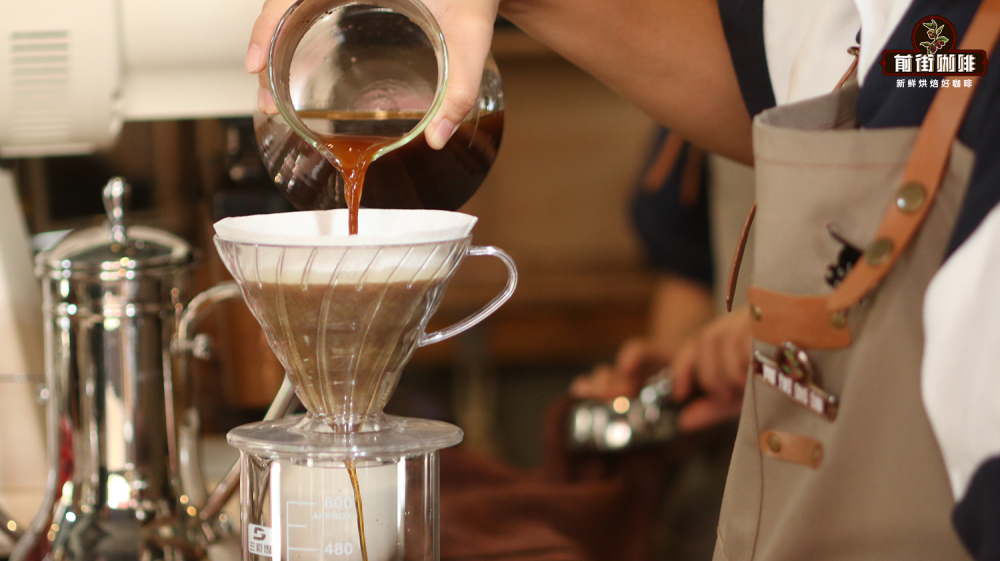
After steeping, it is recommended to carefully filter out the coffee grounds using filter paper to obtain a clear and bright coffee liquid. To enhance the flavor concentration, you can pour the filtered coffee into a clean, sealed bottle and let it sit in the refrigerator for another4 hoursbefore drinking, which will result in a smoother mouthfeel. Additionally, for food safety reasons, homemade cold brew coffee is best consumed within5 daysto ensure freshness and safety.
So, do you need coffee beans with specific flavor profiles for cold brew? The answer is yes. During the cold brew process, the coffee liquid is not as crystal clear as with cold drip, and usually has a thin layer of fine oils. The overall mouthfeel tends to be fuller and more balanced. To showcase the unique refreshing and clean qualities of cold brew, it is recommended to choosemedium-light roastedcoffee beans, which can highlight fruity and layered flavors while maintaining the inherent richness of the coffee.
If you prefer a refreshing, juice-like flavor, light-roastedwashed process coffee beansare the top choice, often featuring pronounced floral, citrus, or bright acidity notes. For example, beans from Ethiopia often exhibit refreshing tones reminiscent of Asian pear or lemon.
If you prefer a richer coffee with wine-like or fermented characteristics, you can opt for medium-roast beans that have undergoneanaerobic fermentation or honey processing. These beans often carry a wealth of fruity and deep aromatic notes, such as passion fruit, grape, berries, and even apricot layers, offering intense yet well-balanced flavors.
For those who do not enjoy strong acidity and prefer a stable, rich “pure coffee” taste, it is recommended to choose beans with slightly deeper roasting levels and milder flavor profiles, such as common nutty, toasty, or caramel-toned beans. These can bring a warm and comforting coffee experience, perfect for sipping slowly.
In summary, the charm of cold brew coffee lies in its low brewing threshold, yet its ability to showcase diverse flavors through fine adjustments. Whether you’re drawn to refreshing fruity notes, rich fermented profiles, or the mellow depth of pure coffee, as long as you get the coffee-to-water ratio, grind size, and steeping time right—and choose the right beans—you can easily brew your own perfect cup of cold brew.
The above content is compiled by CoffeeHunters, a coffee news website.


