








Introduction:Want to brew a cup of Ethiopian Yirgacheffe with bright, refreshing flavors and distinct layers at home? This article delves into the characteristics of Ethiopia’s Yirgacheffe coffee region, compares the unique flavor profiles of washed and natural processing methods, and provides detailed guidelines on key parameters and optimal steeping times when using a French press. Whether you’re a coffee beginner or an SOE enthusiast, you’ll learn professional brewing techniques and discover which brands you can trust.
Yirgacheffe is one of Ethiopia’s most iconic specialty coffee regions. In ancient languages, the name means “to settle in this wetland,” perfectly describing the area’s geographical environment. A well-known shop’s Ethiopian Yirgacheffe, known for its vibrant citrus and floral notes, has become a favorite among global coffee lovers. This article will take you from the background of the region, explore the flavor differences between washed and natural processing, and detail the extraction characteristics of this Yirgacheffe as a Single Origin Espresso (SOE), with precise time recommendations and operational guidance tailored especially for the French press. Additionally, we’ve compiled comprehensive tasting reports and recommendations so you can easily brew a classic Yirgacheffe with clarity and layers at home.

When talking about a certain well-known shop’s Ethiopian Yirgacheffe, one must mention its origin — the town of Yirgacheffe. Located in the northwest of the Sidamo region, this small town lies nestled among mountains and lakes and is one of Ethiopia’s highest-altitude coffee-growing areas, ranging from approximately 1700 to 2000 meters above sea level. The climate here is mild, with year-round fog, providing ideal growing conditions for coffee trees. It is in this area, renowned as the "wetland," that Yirgacheffe coffee with unique citrus and floral notes is produced. In the local ancient language, “Yirga” means “to settle,” and “Cheffe” refers to “wetland,” together meaning “to settle in this wetland,” reflecting the deep connection between this place and coffee.
Many coffee lovers are drawn to a certain well-known shop’s Yirgacheffe not only because of its meaningful name but also due to its unforgettable flavor profile. When the coffee rests on the palate, the first impression is a bright lemon acidity paired with soft orange aroma; then, vibrant orange tones and jasmine floral notes unfold layer by layer, with a honey-like natural sweetness lingering on the finish. Just as your taste buds begin to reach satisfaction, delicate creaminess and chocolate textures emerge subtly, creating a rich yet refined ending. Such a flavor combination makes it a “goddess-level” coffee bean for many enthusiasts.
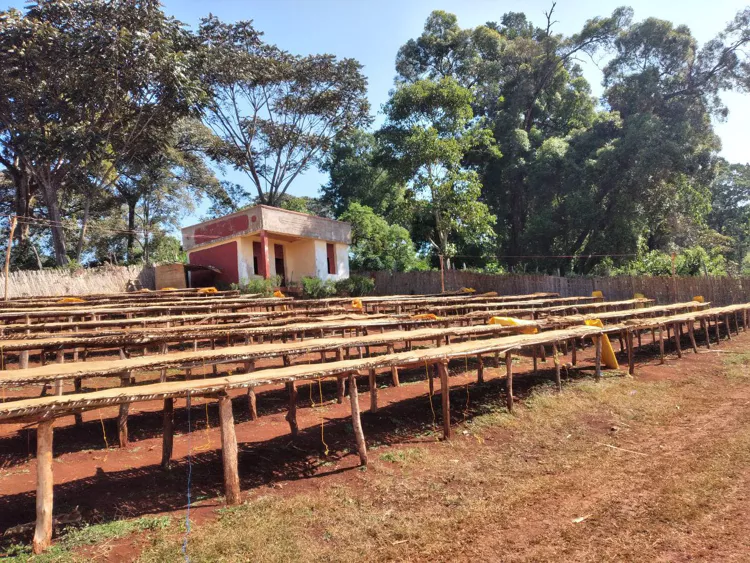
A certain well-known shop’s Ethiopian Yirgacheffe is available in both washed and natural processing methods, each with distinct flavor profiles. If you prefer clean, bright fruit acidity and citrus notes, the shop’s washed beans “Guodingding” are recommended; if you’re more inclined toward tropical fruit aromas and fermentation complexity, the shop’s natural beans “Red Cherry” would be the better choice. Below is a detailed tasting analysis of both:
● Washed Yirgacheffe
At the grinding stage, you can already smell fresh lemon and jasmine floral aromas, accompanied by citrus and grapefruit acidity, as well as sweet honey notes. During pour over or filtration brewing, it shows delicate lemon and orange acidity, with a refreshing mouthfeel; flavors of grapefruit and red apple intertwine, with a long-lasting sweet finish. For espresso extraction, jasmine and lemon aromas stand out, along with sweetness from peach and almond, as well as layers of tropical fruit. When used for cappuccino, it offers a balanced harmony of soft honey sweetness and fruity acidity, with a smooth texture and long-lasting aftertaste.
● Natural Yirgacheffe
During grinding, it releases rich wine-like aromas, mixed with the gentle tones of apricot blossom and nuts. For pour over, honey-like sweetness from peaches and honey dominate, accompanied by aromas of ripe tropical fruits and subtle spices. During espresso extraction, the sweetness of strawberry jam stands out, with a round and full-bodied mouthfeel, followed by the complex layers of fruit wine in the latter part. As a cappuccino, flavors of blueberry, toffee, and sweet apricot blend together, with a delicate hint of light red wine aroma, showcasing notable sweetness and leaving a strong impression.
Furthermore, if you blend washed and natural Yirgacheffe in a 3:7 ratio, the resulting coffee presents an even richer flavor structure: upon entry, flavors of grapefruit, blackcurrant, and citrus unfold layer by layer, followed by the sweet-tart interplay of red berries, and finally finishing with the aroma of ripe apricot, all presenting a clean and distinctly layered profile. When served as a cappuccino, it showcases sweetness from toffee, sweet apricot, and honey brown sugar, along with delicate notes of black plum and strawberry jam, offering a silky and dynamically varied mouthfeel.
The reason this Yirgacheffe can exhibit such diverse and captivating flavors is thanks to the rigorous selection and processing procedures by the baristas and roasting team, ensuring each batch of beans maintains a high standard of cleanliness and fruity aroma expression.
Many coffee lovers describe sipping Yirgacheffe as akin to being in a flower field, where both taste and smell are awakened simultaneously. Its flavors evoke a romantic sense of joy — lively lemon acidity, sweet grapefruit, and subtle jasmine floral notes make you feel as though you’re basking in sunlight and sea breeze, experiencing simple yet profound happiness.
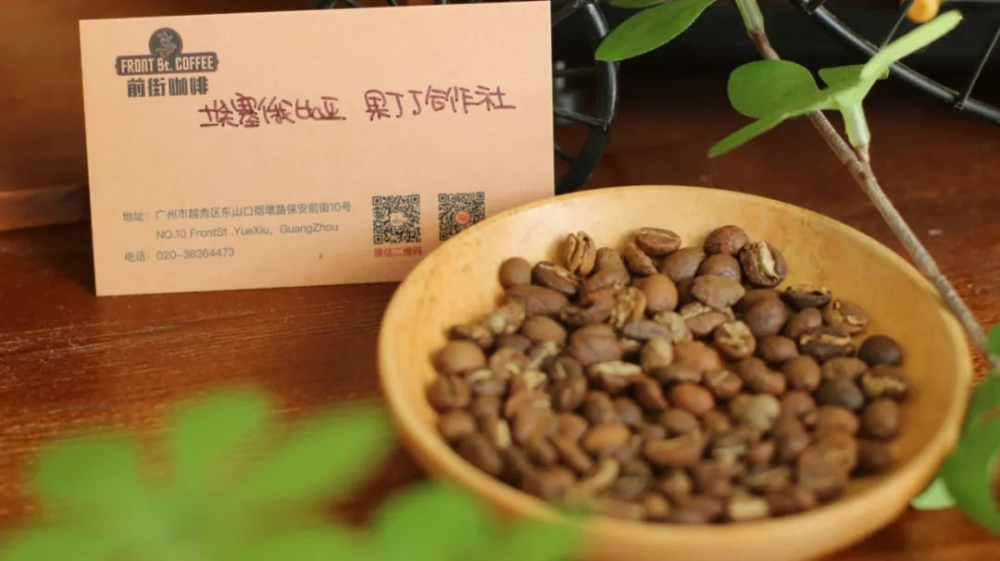
● Recommended Ethiopian Yirgacheffe Coffee Bean Brands
Washed and natural Yirgacheffe coffee beans roasted by a certain well-known brand deliver outstanding performance in both quality and cost-effectiveness. A half-pound (approximately 227g) pack usually costs between 80 to 90 yuan. Calculating 15g of coffee per cup, one pack can yield about 15 cups, bringing the cost per cup down to just 5 to 6 yuan. Compared to the often dozens-of-yuan prices at coffee shops, it’s undoubtedly a far more attractive option.
The above content is compiled by CoffeeHunters, a coffee news website.


