







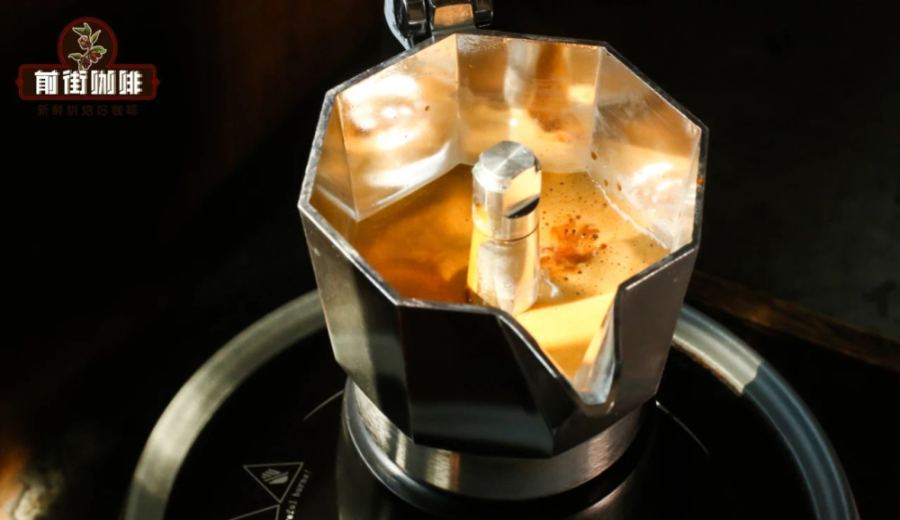
Introduction:The Moka pot is a staple among many coffee enthusiasts for brewing espresso-style concentrated coffee at home, but many users often encounter issues such as over-extraction, sourness and bitterness, or thin flavor profiles. This article will delve into how to consistently brew rich, full-bodied, and smoothly acidic coffee with a Moka pot by selecting medium-to-dark roasted beans, properly filling the basket, and adjusting grind size. It also provides practical tips on coffee packing and grind assessment to help you refine every extraction.
As a classic home espresso-style coffee tool, the Moka pot utilizes pressurized extraction to deliver intense flavors in a short time, making it highly suitable for those who enjoy Italian-style coffee. However, slight mishaps in bean selection or operational details can easily result in overly bitter, sour, or weak coffee. This article will guide you through three key aspects—bean selection, coffee packing techniques, and grind adjustment—to help you master the essentials of brewing low-acidity, full-bodied, and crema-rich coffee with a Moka pot.
First, the Moka pot is a high-pressure, short-duration extraction device that is highly sensitive to both the roast level and freshness of coffee beans. It is recommended to choosemedium-to-dark roasted or dark roasted beanswithin this range. These beans undergo moderate caramelization reactions, which not only release rich aromas but also exhibit full body and delicate crema under pressurized brewing. In contrast, light roasted beans, due to their pronounced acidity and thinner crema, are prone to producing sharp, unbalanced acidity under the Moka pot’s high pressure, negatively affecting overall flavor expression.
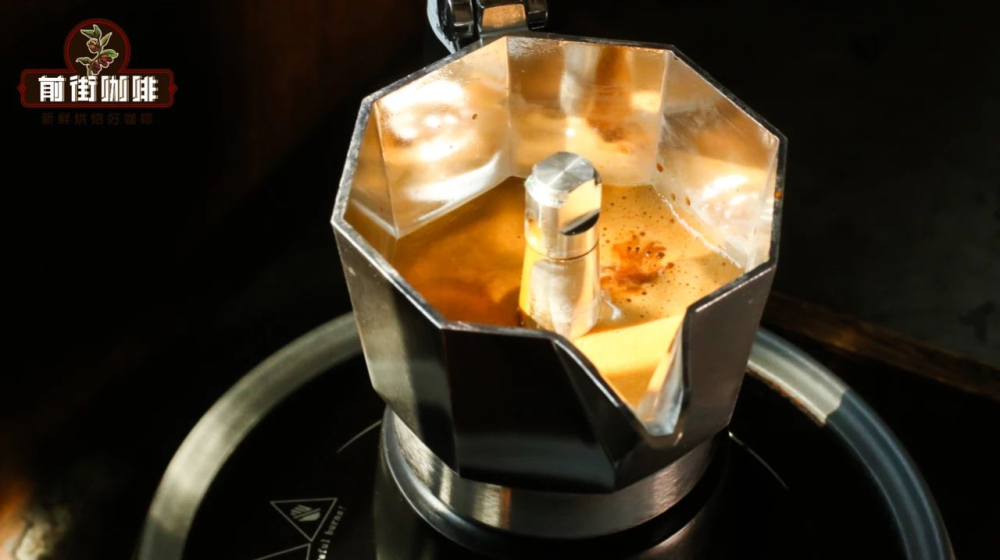
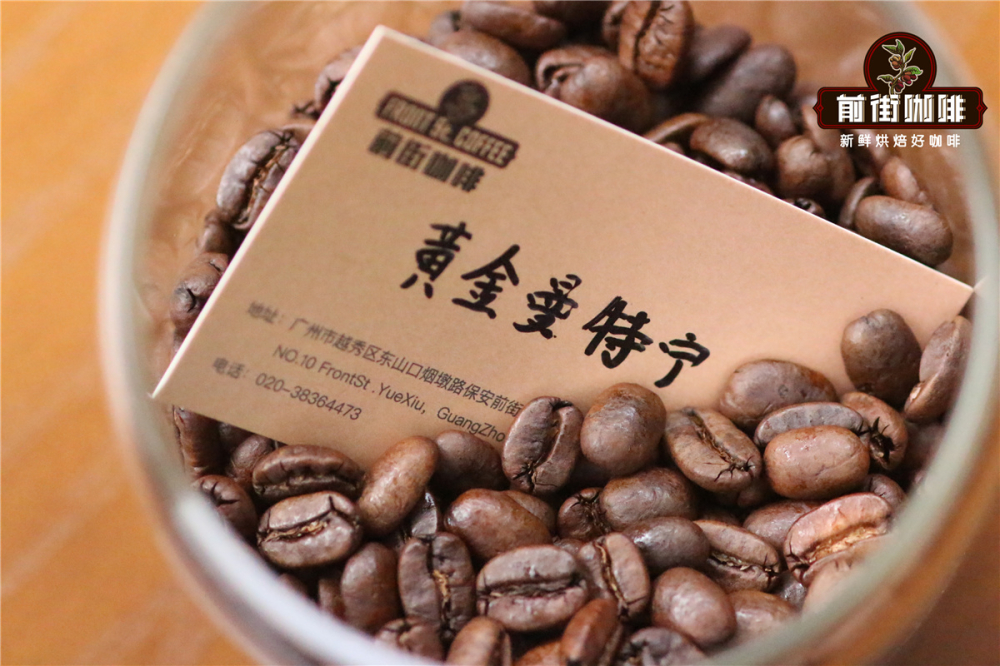
When it comes to bean selection, blends and single origins each have their own advantages. Blends are usually composed of beans from multiple regions, offering balanced flavors and good value, making them ideal for everyday drinking. Single origins, on the other hand, highlight unique flavor characteristics from specific growing areas, appealing to those who wish to explore diverse coffee profiles. For example,medium-to-dark roasted Golden Mandhelingoften carries notes of pine, dark chocolate, and caramel, with fine crema and low acidity, making it very suitable for Moka pot brewing. Meanwhile,the SOE from Brazil’s Queen Estatedisplays tones of roasted nuts, cream, and chocolate, with notable sweetness and a well-balanced bitterness and acidity—ideal for those seeking a smooth, mellow cup.
In addition to bean selection, the method of filling the coffee basket directly affects extraction uniformity and flavor performance. Many beginners overlook the importance of fully filling the basket, but actually packing it completely helps maintain stable extraction pressure and prevents uneven over- or under-extraction. In practice, you can first fill the empty basket with whole beans, then grind them and pour all the grounds back into the basket. If you find it doesn’t fit completely, gently tap the outer edge of the basket to allow excess grounds to naturally settle at the bottom, ensuring a compact and even coffee bed.
The benefit of a fully filled basket isn’t just about maintaining pressure—it also significantly reduces the risk of flavor defects. When the coffee grounds inside the basket have consistent density, each particle is evenly heated and extracted, minimizing instances of over- or under-extraction in parts of the brew, thereby enhancing overall harmony and smoothness. This is why many Moka pot veterans emphasize that the basket must be “packed solid.”

As for grind size, it is one of the most common and challenging aspects to master when using a Moka pot. Since the Moka pot uses high-pressure extraction, the grind must be finer than that used for pour over, but not as fine as the extremely fine grind used for espresso machines—otherwise it can lead to channeling, over-extraction, and intensified bitterness. The ideal Moka pot grind size falls between that of fine sugar and table salt. You can judge this visually by observing whether the ground coffeedoes not fall through the gaps in the basketwhen poured in—that indicates an appropriate grind size.
Beginners might spend a few rounds testing and adjusting, starting with a slightly coarser grind, observing the taste and strength of the brewed coffee, and then fine-tuning gradually to reach the optimal state. Remember, grind settings vary significantly between grinders, so it’s best to make personalized adjustments based on actual extraction results rather than relying entirely on manufacturer-recommended standard settings.
In summary, to brew a cup of coffee with outstanding flavor, rich crema, and smooth acidity using a Moka pot, every step—from bean selection, to basket filling, to grind adjustment—is crucial. Choose medium-to-dark roasted, fresh beans with clear aroma, pack the basket fully to ensure uniform extraction, and use a grind size that is medium-fine. With these practices, you can use this classic device to consistently produce espresso-style coffee that rivals that of a café.
The above content is compiled by CoffeeHunters, a coffee news website.


