







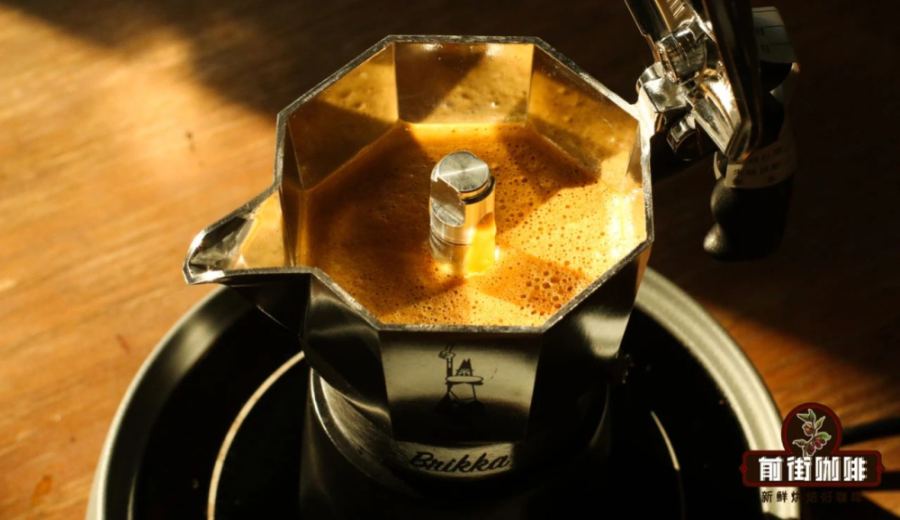
Introduction:Moka pot enthusiasts often wonder: are coffees with pronounced acidity suitable for brewing with a moka pot? This article tests three different roast levels of acidic beans, analyzing the impact of light, light-medium, and medium roasts on moka pot extraction flavors. It also provides insights on crema performance, parameter settings, and tasting suggestions to help you choose the most suitable coffee beans, avoid sour or astringent tastes, and extract rich, balanced coffee.
Many moka pot users frequently ask: “Are fruity, acidic coffee beans suitable for brewing in a moka pot?” Especially when the flavor notes on the bag include terms like lemon, citrus, or berries, many worry that such distinctly acidic beans won’t perform well in a moka pot. To address this question, we specifically selected three coffee beans with varying acidity profiles for actual extraction testing: the light-roasted Ethiopian Yirgacheffe Guji Dingding, the light-medium roasted Costa Rica Mozart, and the medium-roasted Papua New Guinea Bird of Paradise. We observed their crema, flavor, and overall performance in the moka pot, and further summarized practical bean selection and brewing recommendations.
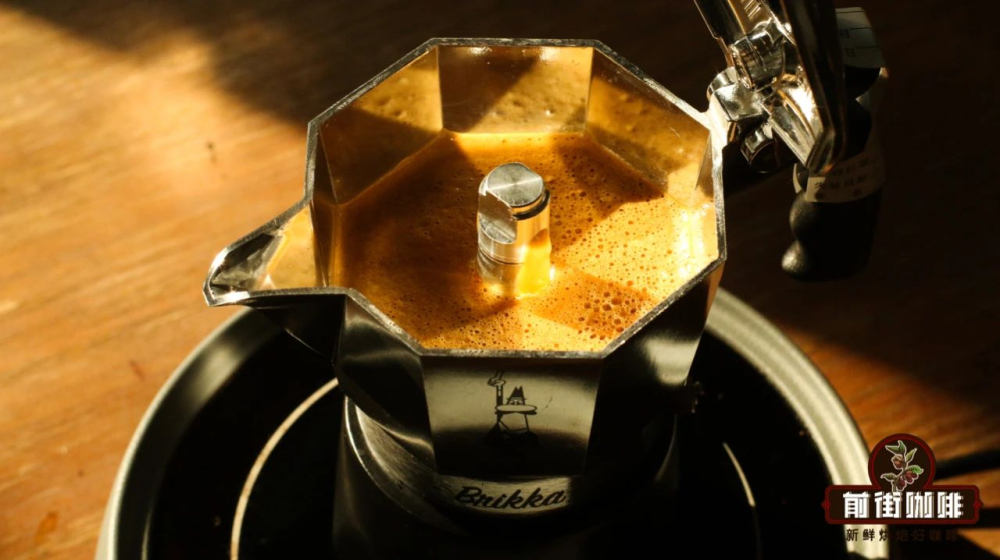
The market offers a wide variety of coffee beans, among which those with prominent acidity are especially common, but not all acidity is well-suited for moka pot brewing. To focus the discussion, we carefully selected three representative beans that showcase different layers of acidity: the light-roasted Yirgacheffe Guji Dingding, which is dominated by citrus, green tea, and floral notes with a bright yet sharp acidity; the light-medium roasted Mozart, which features berry, grape, and fermentation aromas, presenting a sweet fruit character; and the darkest-roasted Bird of Paradise, whose acidity is more subdued, blending caramel, cocoa, and apricot-like warm tones, resulting in a softer acidity with subtle fruity notes.
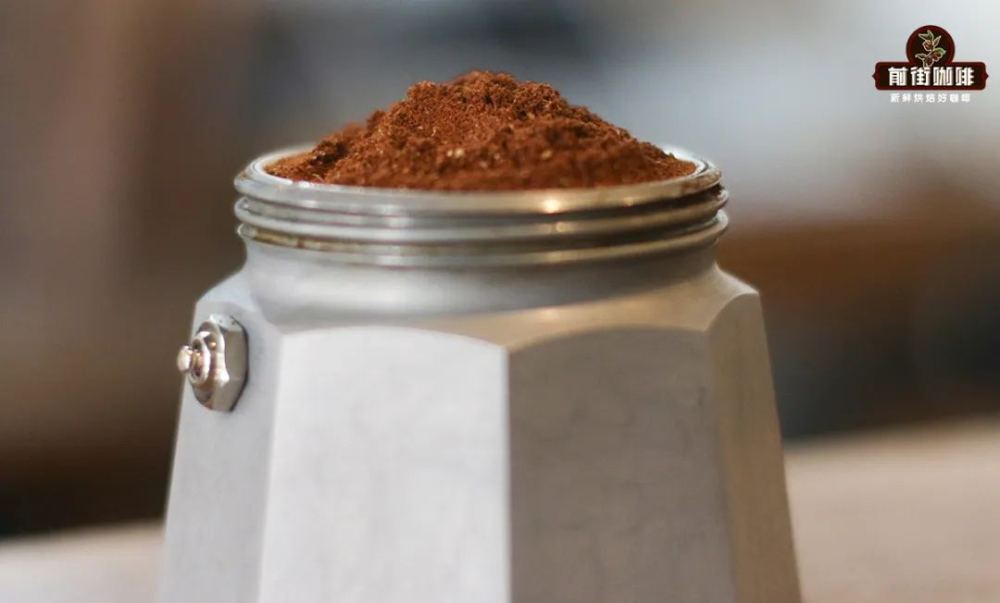
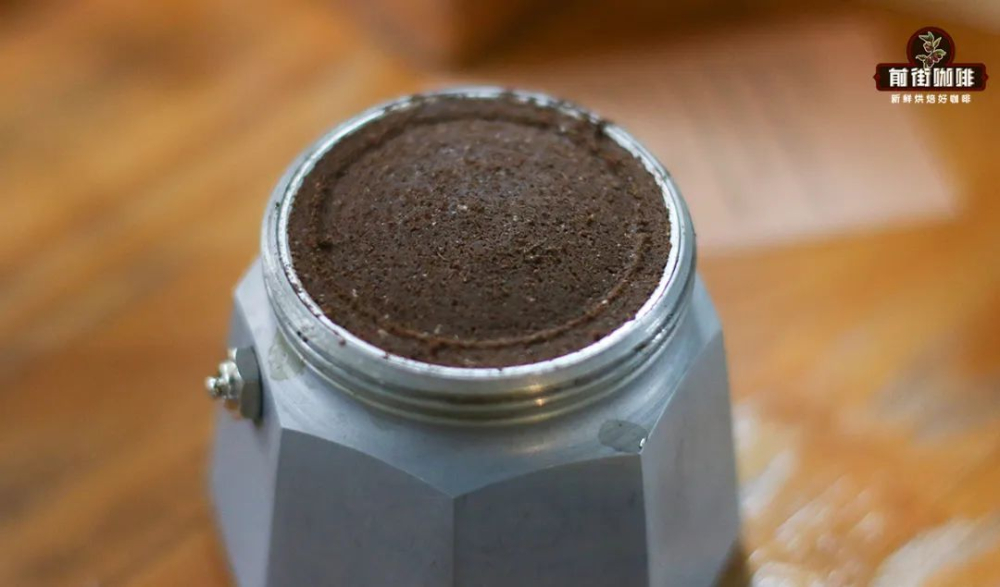
Before starting the test, let’s first understand the basic extraction parameters for a moka pot. For this test, we used the classic Bialetti 3-cup moka pot, with 150 ml of water and 18 g of coffee grounds. The grind size is between fine and standard espresso, roughly equivalent to the 0.5 setting on an EK43 grinder, yielding a fine yet not overly powdery texture. When filling the basket, it is recommended to pour the coffee grounds directly without additional tamping—just form a small mound, keeping it loose while filling the edges, then screw the upper chamber on tightly. This ensures the coffee puck is evenly heated and forms a stable structure, helping to extract a rich and balanced coffee liquid.

After extraction, we tasted each coffee in both its straight form and as an iced americano (mixed with cold water), simulating how many users treat moka pot coffee as “espresso” and dilute it with water or ice. Observing crema performance, we found that although Yirgacheffe is a light roast, it still produced some crema under correct parameters, though the layer was thin and dissipated after about 30 seconds; Mozart’s crema performance was slightly better, with a bit more richness; whereas Bird of Paradise had noticeably thicker and more robust crema, appearing and feeling more substantial both visually and in taste.
In terms of taste, the straight Yirgacheffe had extremely sharp and even slightly astringent acidity, making the overall flavor profile one-dimensional and hard to enjoy; as an iced americano, the acidity became even more pronounced, resembling drinking an acidic water with little balance or complexity. The straight Mozart exhibited noticeable fermentation notes, with the acidity still somewhat sharp, but the iced americano version presented a different character—the berry acidity became vibrant, with a hint of fermented wine-like aroma, and a mild chocolatey bitterness in the aftertaste, greatly improving overall drinkability.
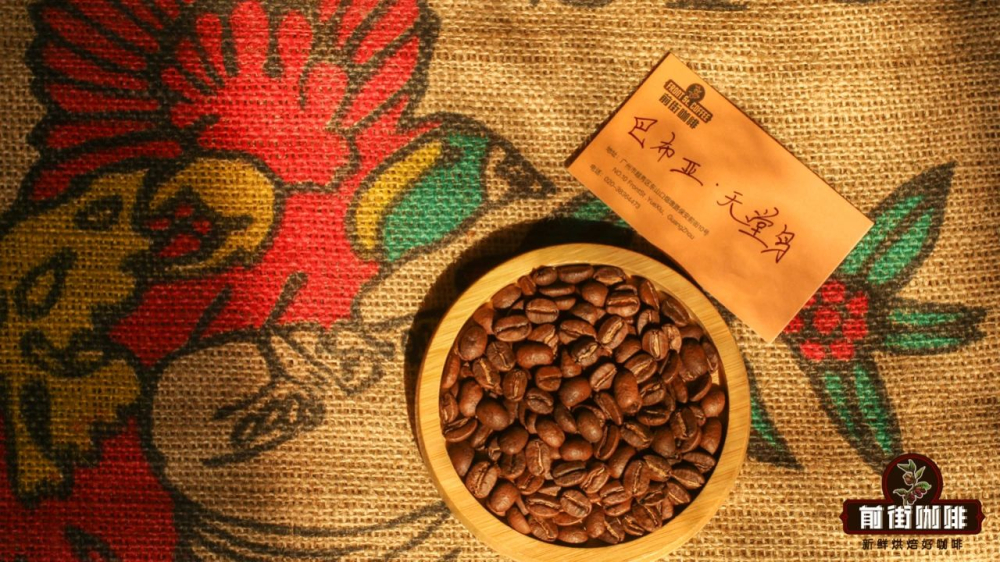
The best performer was the Bird of Paradise. Its straight brew had present but not overpowering acidity, with a thick body and hints of chocolate and caramel bitterness in the mid-to-late sips, overall resembling a low-concentration espresso that was easy to drink; the iced americano fully showcased the brightness of the fruit acids while blending in moderate caramel sweetness, with almost no bitterness, offering clear yet smooth acidity—it was the most recommended bean for moka pot brewing among the three.
Based on the overall test results, we have summarized the following moka pot coffee bean selection and brewing recommendations:First, light-roast beans with flavor notes emphasizing “lemon” or “citrus” and sharp acidity are not suitable for direct moka pot brewing, as they tend to produce overly stimulating and unbalanced flavors. Secondly, if you prefer acidic profiles, it is recommended to choose light-medium roasted beans with sweet fruit-like flavor characteristics, and you can dilute with water or ice to effectively soften the acidity and bring out more layers. Additionally, choosing coffee beans with strong yet well-balanced flavors (such as Mozart) can elevate the moka pot’s extraction performance, making both the flavors and aromas more enticing.
The above content is compiled by CoffeeHunters, a coffee news website.


