








Introduction:Dirty coffee has become a favorite among many coffee enthusiasts due to its striking visual contrast and the contrasting flavors of hot and cold. However, when many try making it at home, they often encounter issues such as blurred layering or the espresso quickly mixing with the milk. This article dives deep into how to make a Dirty coffee with clear layering and both visual appeal and flavor at home — covering everything from pouring distance and milk selection to temperature control — offering practical tips and precautions to help you master the essence of this popular drink.
The charm of Dirty coffee mainly lies in the distinct layering effect created by not mixing the espresso with the milk, as well as the unique taste experience of the interplay between hot and cold, sweet and bitter. The core of all this is maintaining the coffee and milk in the cup as separate entities that do not blend. Therefore, if you want to make a Dirty coffee that looks and tastes great at home, the key is how to keep the espresso and milk 'separated'.
Many online tutorials suggest simply placing a cup filled with milk directly under the espresso machine’s spout and letting the espresso drip in to complete the drink. It may seem simple, but in practice, many find the layering effect poor — or the espresso quickly sinks and blends with the milk — resulting in what is essentially an iced latte without ice, far from the ideal Dirty coffee.
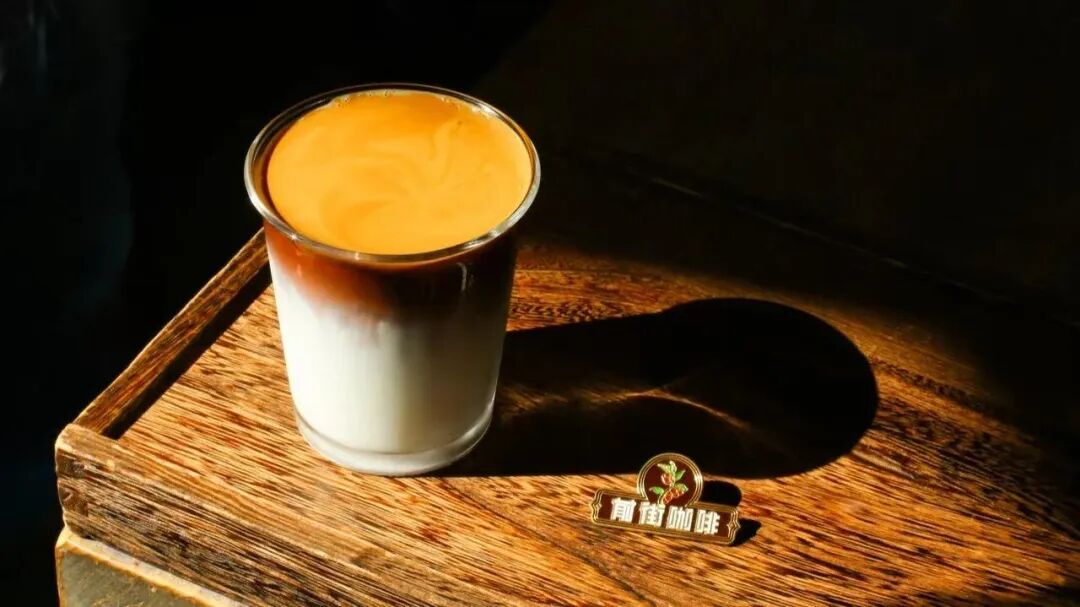
These problems usually stem from improper technique or incorrect material choices. Below, we’ll share several practical tips to help you easily make a Dirty coffee with clear layers and great taste at home.
1. Mastering the Pouring Distance
First, pay attention to the distance between the espresso spout and the surface of the milk. Although many follow the tutorial by placing the cup under the spout, they often overlook the importance of the height from which the espresso falls. If the distance between the spout and the milk surface is too great, the espresso will accelerate due to gravity as it falls, creating a stronger impact that can easily pierce the milk’s surface, causing it to mix rapidly with the milk and ruin the layering.
To avoid this, it’s recommended to pour the espresso with the cup as close to the spout as possible. You can raise the cup’s position by placing something of appropriate height under its base, or simply lift the cup by hand to bring the milk surface closer to the spout. Additionally, there’s a method where you place a small spoon flat on the milk’s surface so the espresso first lands on the spoon and then slowly flows into the milk. This can effectively reduce the impact, helping the espresso float on the milk and form layers. However, this method is more cumbersome to execute — especially for those using manual machines — as it requires stabilizing the spoon while controlling the extraction, demanding considerable skill.


2. Adjusting the Viscosity and Density of the Milk
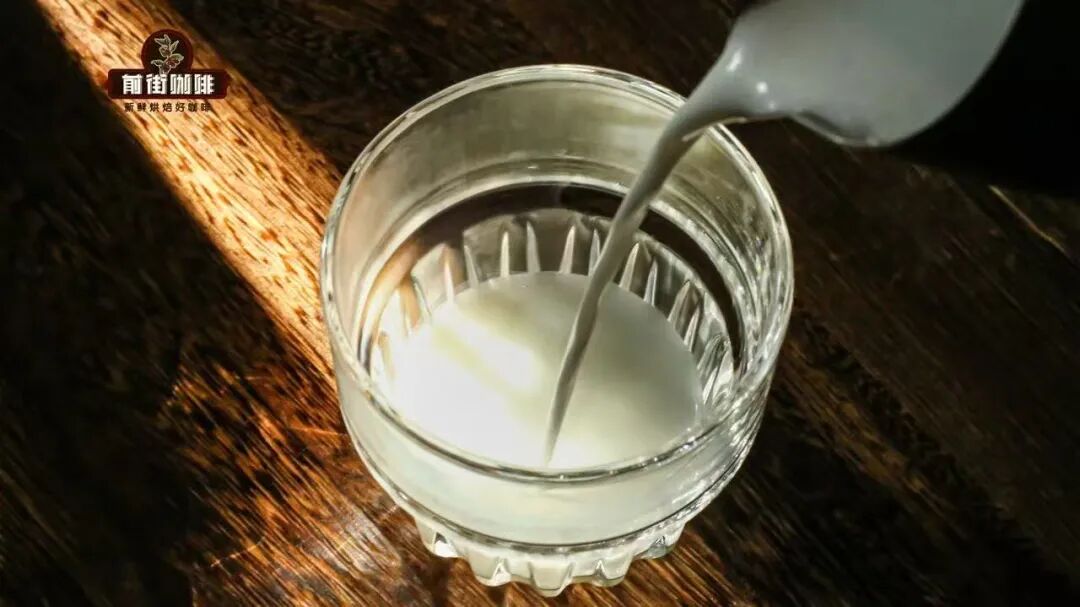
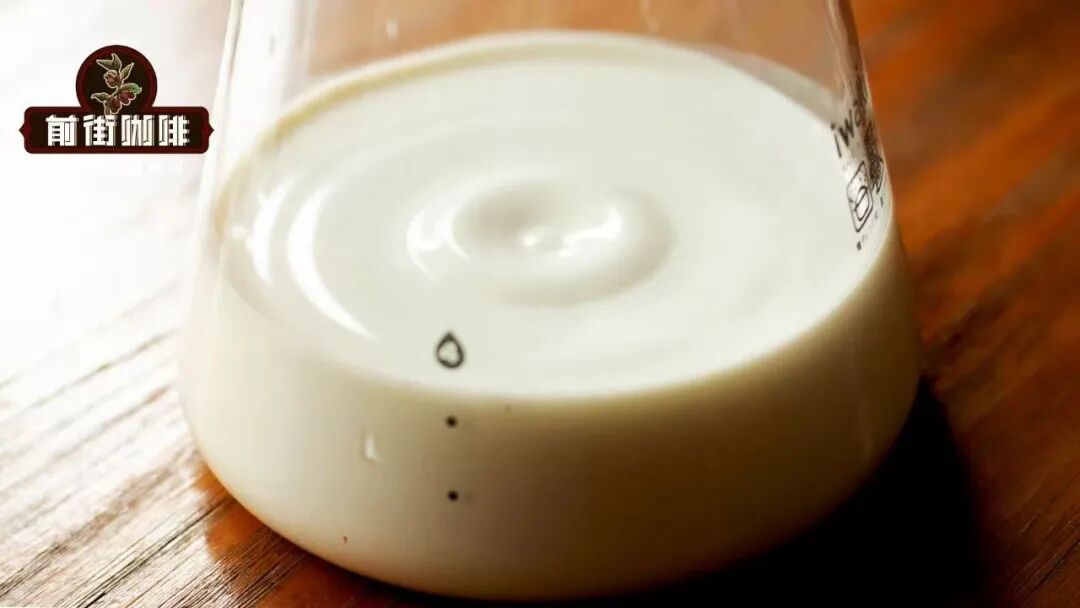
The ability of milk to stably receive the espresso largely depends on its own viscosity and density. The higher these two properties are, the better the milk can form a clear separation with the espresso, prolonging the duration of the layering. Therefore, if you want to further enhance the layering effect of your Dirty coffee, adjusting the milk's thickness is an effective method.
Common fresh milk is generally usable, but if you want to further increase its concentration and density, you can opt for concentrated milk. Concentrated milk is processed to remove some of its water content, resulting in a relatively higher concentration and richer texture. Many specialty coffee shops use concentrated milk when making Dirty coffee to achieve better layering and taste performance. High-concentration milk has greater density and stickiness, enabling it to more stably support the espresso, resulting in clearer and longer-lasting layers.
In addition, temperature is also a factor that shouldn’t be overlooked. Colder milk, due to the principle of thermal expansion and contraction, has higher density and viscosity, which helps create better layering with the espresso. Therefore, it’s recommended to refrigerate the milk beforehand, and if possible, chill the cup in the fridge as well. This prevents the cup’s temperature from affecting the cooling of the milk, further aiding in stable layering.

3. The Impact of Coffee Bean Roast Level on Layering
Some may wonder whether the roast level of the coffee beans also affects the layering of Dirty coffee? Based on practical testing, using both medium-dark and medium-roasted beans to make Dirty coffee — while keeping other parameters such as dose, extraction time, and yield consistent — shows no significant difference in layering performance. Although the two types of coffee differ in flavor — medium-dark roast offers notes of buttery cookies, chocolate, and nuts, while medium roast showcases floral, strawberry, and raisin fruit characteristics — both can achieve the desired results in terms of layer retention and visual effect.

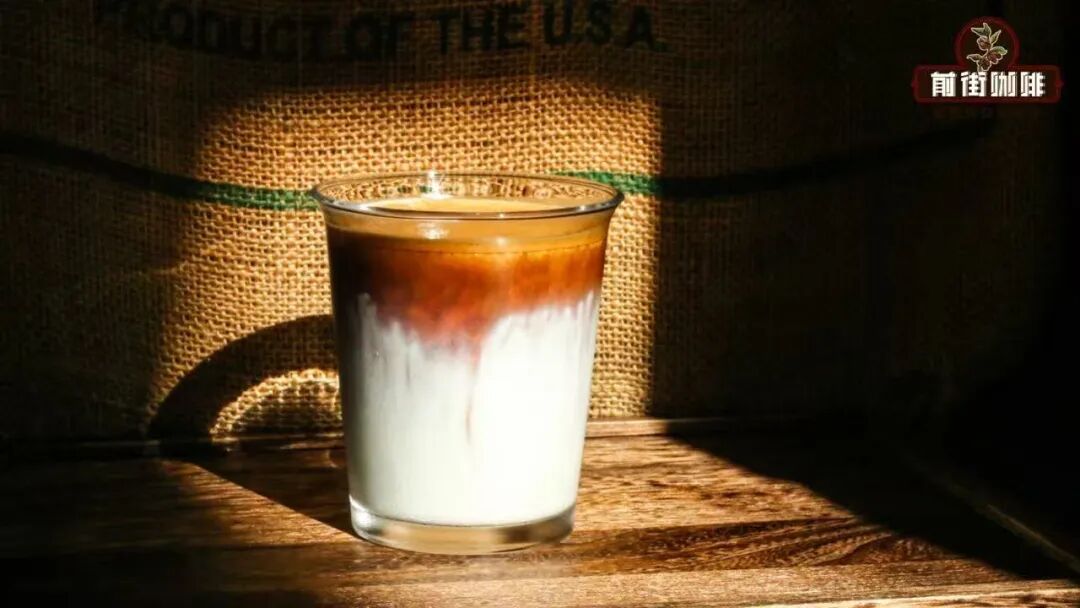
In summary, if you want to easily make a Dirty coffee with both visual appeal and taste at home, the key lies in mastering the pouring distance of the espresso, selecting the right milk, and controlling its temperature. By paying attention to these details, you too can replicate café-quality Dirty coffee and enjoy this distinctive beverage full of contrasting charm at home.
The above content is compiled by CoffeeHunters, a coffee news website.


