







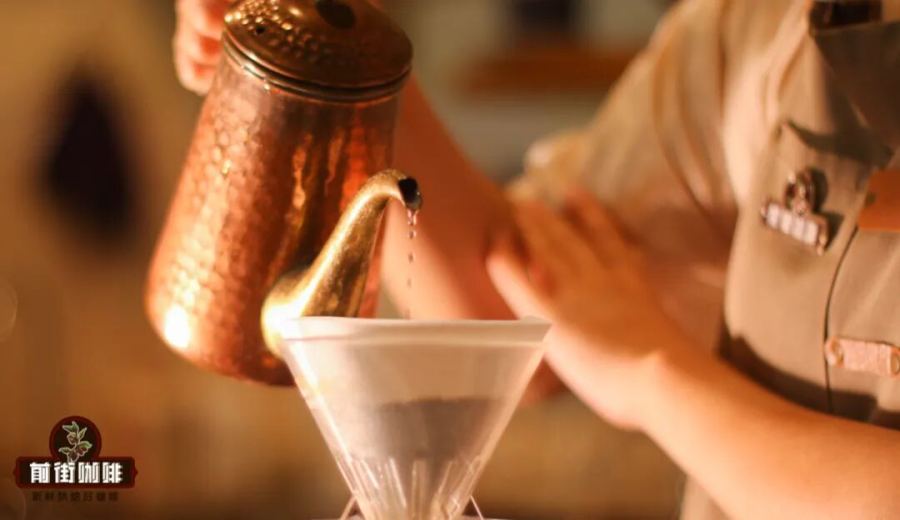
Introduction:As one of the most technique-demanding brewing methods in pour over coffee, the drip method, though challenging to master, highlights the richness and sweetness of dark roasted beans. It is an essential skill for advanced coffee enthusiasts. This article provides an in-depth exploration of the history, operational details, and complete brewing procedures and parameter recommendations for the drip method. It helps you grasp the essence of what is hailed as "the most difficult pour over technique," and also recommends suitable coffee bean varieties to take your skills from beginner to advanced in one go.
Among the many pour over techniques, besides the beginner-friendly methods such as the three- or four-to-six pour styles, there are also more challenging, niche methods that emphasize extreme extraction. Among them, the "drip method" is arguably the most difficult. Just mastering the pouring motion for this technique may require over two weeks of practice, placing high demands on stability and patience—it’s truly the ultimate challenge in the world of pour over.
The origins of the drip method can be traced back to 1973, when it was developed by the Kono family, founders of the renowned Japanese filter cone brand Kono. The family initially focused on siphon brewers but later introduced the Kono filter cone, which enhances body and richness. The drip method continues this philosophy, being specifically designed for dark roasts and capable of bringing out deeper sweetness and intense flavors.
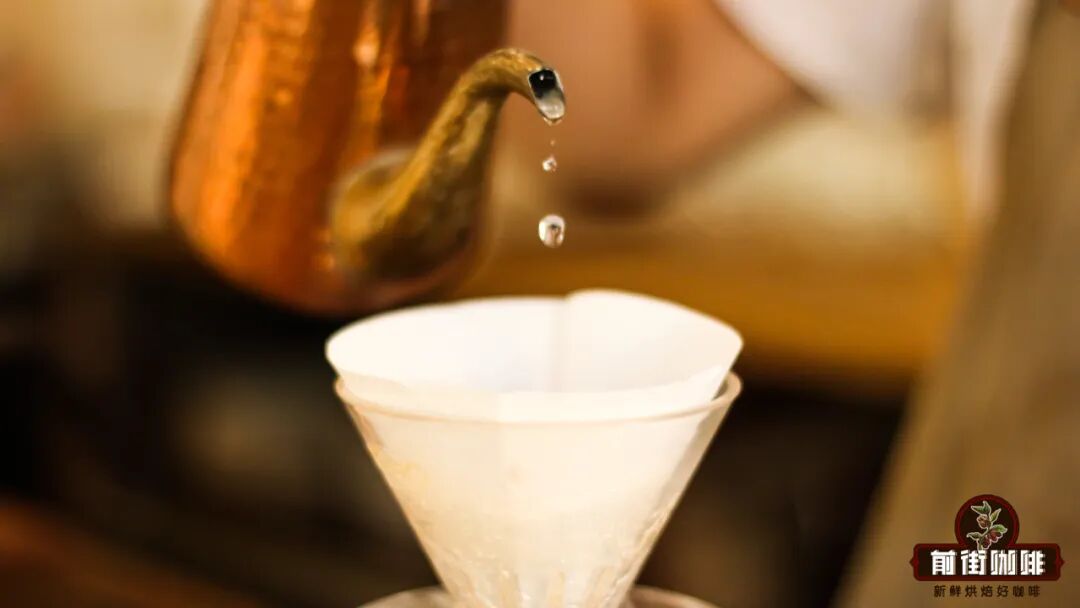
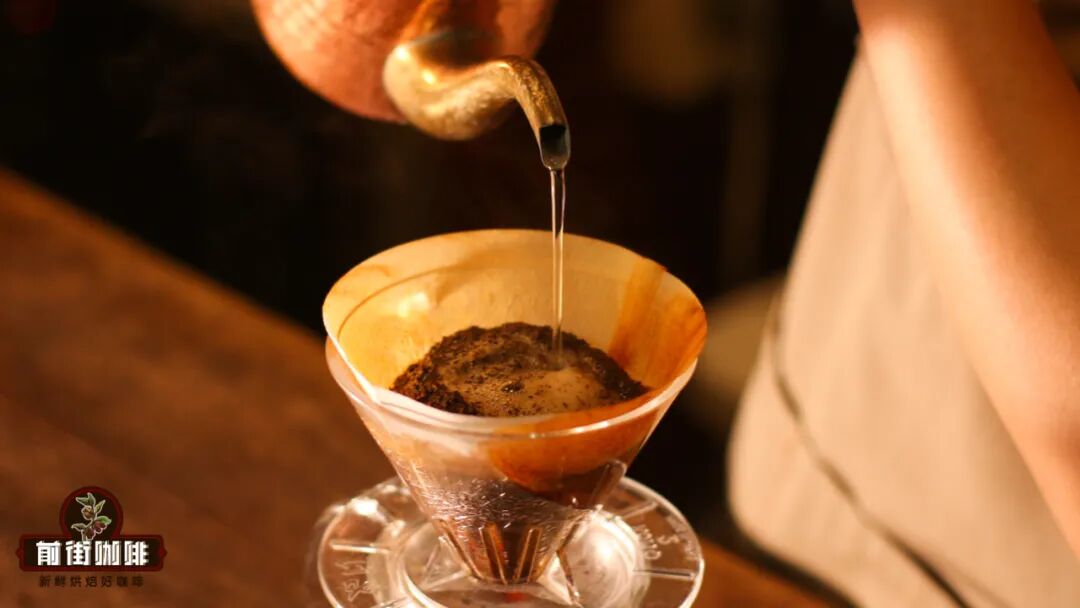
Overall, the drip method brewing process can be divided into two main stages: first is the "bloom stage," where water droplets are used to fully saturate the coffee grounds. This step not only replaces the traditional bloom but also allows the coffee grounds to degas adequately, facilitating better extraction later. Then comes the "main extraction stage," where fine droplets are transitioned to a steady stream of water to gradually release the flavor compounds in the coffee until the target brew volume is reached and extraction is complete.
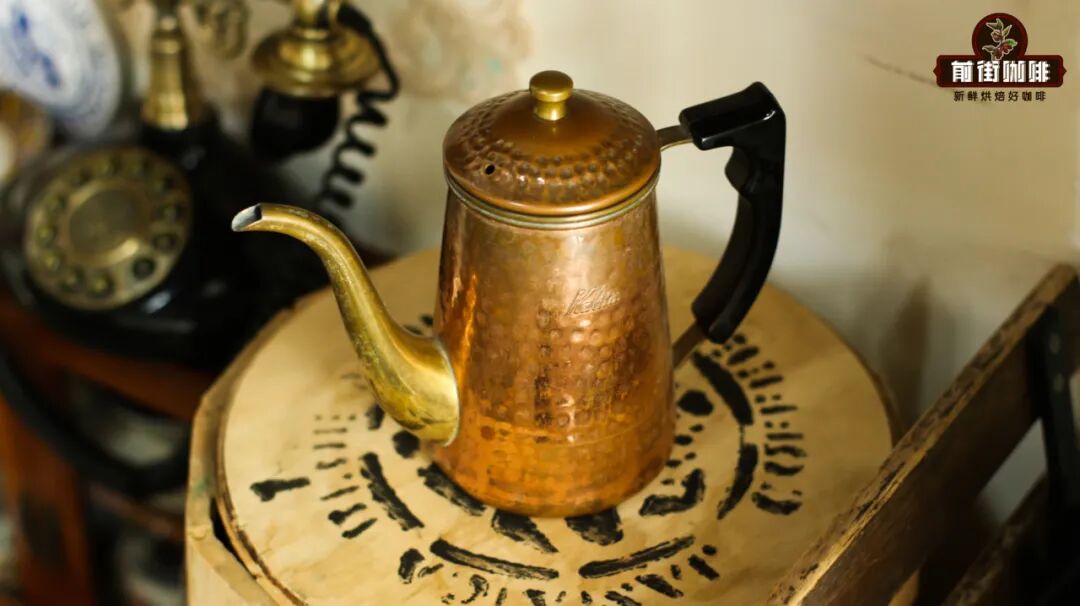
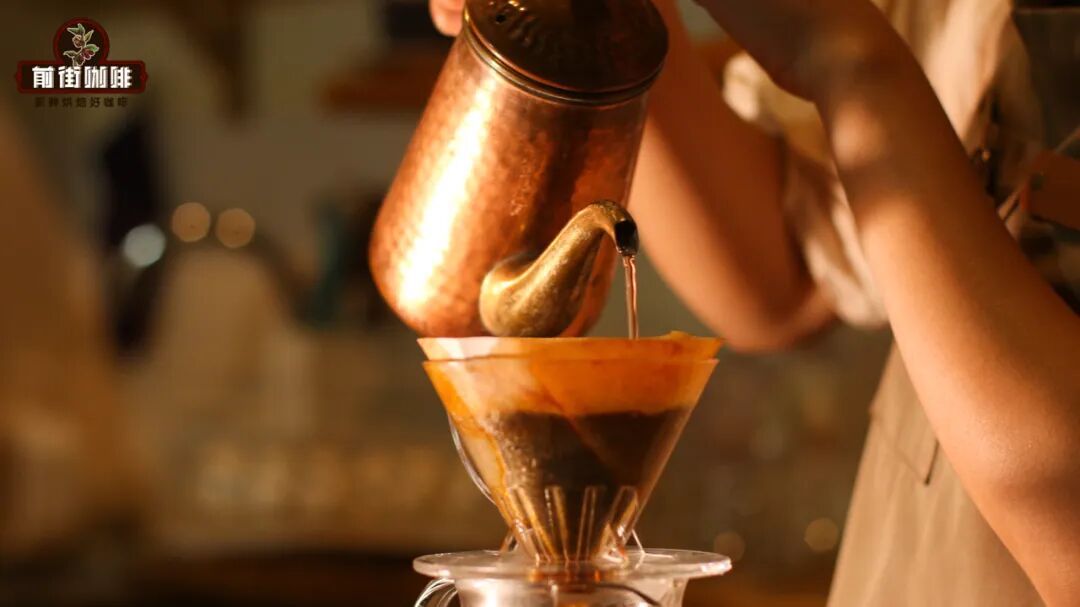
Though the process may sound simple, in practice the dripping stage takes quite a long time—usually about two minutes—and requires very precise control over the water flow. In addition, the commonly used slender gooseneck kettles are not suitable, as they are primarily designed to produce stable streams rather than control tiny droplets. It is recommended to use kettles with short spouts and wide openings, such as elephant nose kettles or crane-neck kettles. These types of kettles allow for more accurate control over droplet placement and speed, thereby reducing the difficulty of operation.
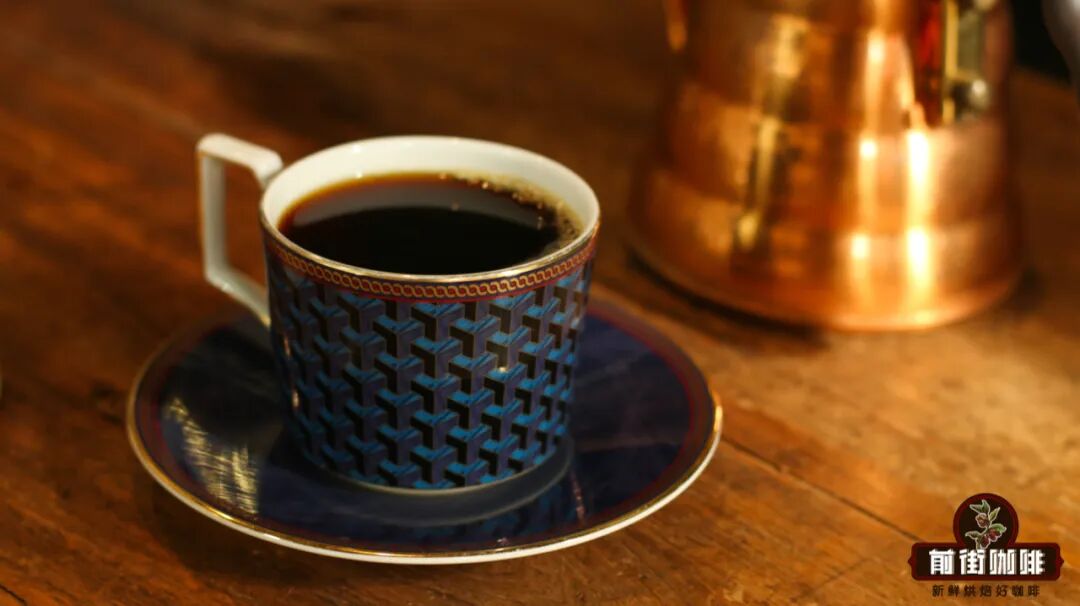
Precisely because of these challenges, the drip method is hailed as "the most difficult pour over technique in history." But due to its strong visual appeal and sense of ritual, it has also become a choice for many baristas to showcase their skills. If you’re interested in the richness and complexity of dark roasted coffee, you might want to try this technique and experience its unique flavors different from conventional pour over methods.
For this test brew, we selected a heavily roasted Indonesian Sumatra PWN Golden Mandheling. This bean is a common choice among dark roast enthusiasts, known for its intense smoky, spicy, and chocolatey profile. The drip method can present these characteristics even more fully. Brewing parameters are as follows: 20g of coffee, a 1:12 coffee-to-water ratio, 90°C water temperature, and a grind size equivalent to the 10.5 mark on the EK43 grinder, or a sugar-like fineness with 70% of particles passing through a #20 sieve. The Kono filter cone was used for brewing.
It is worth noting that the drip method does not require pre-wetting the filter paper. This is because the color change of the filter paper can serve as a reference to determine the completion of the dripping stage. Simply using the weight of the coffee grounds to press the filter paper gently against the cone ensures no coffee grounds leak while not affecting subsequent observation.
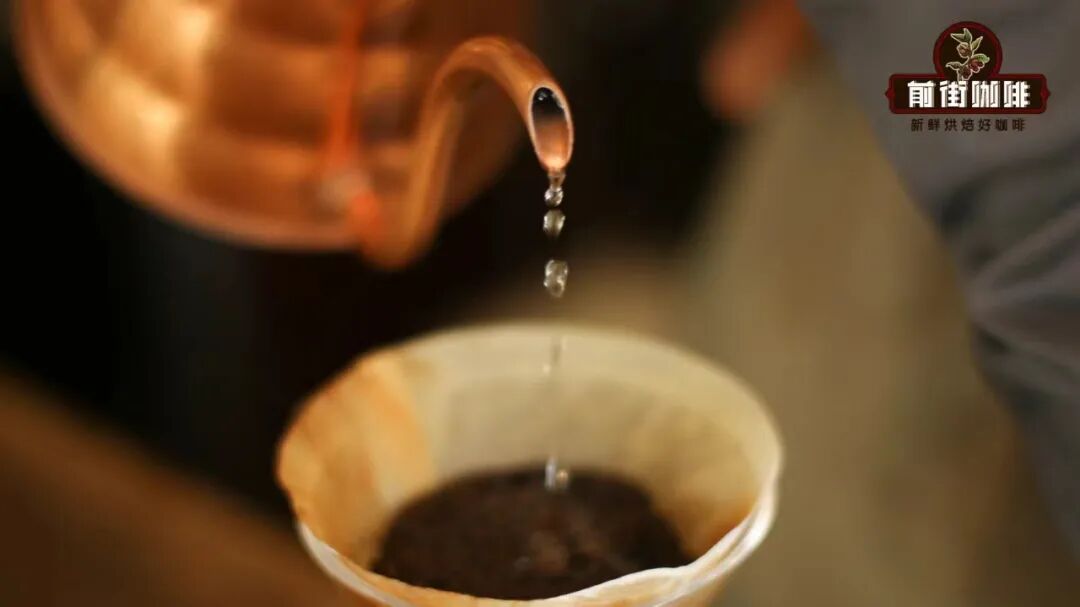
When starting the drip, it is recommended to focus the water droplets at the center of the coffee bed without circling. Hot water will naturally spread to the surrounding areas. There are two termination conditions for the dripping stage: first, observe whether the coffee grounds have fully expanded and been evenly wetted; second, watch as the filter paper gradually changes color due to absorbed coffee liquid. When the filter paper is fully tinged with brown, it indicates that the coffee layer has been sufficiently saturated, and you can move on to the next stage.
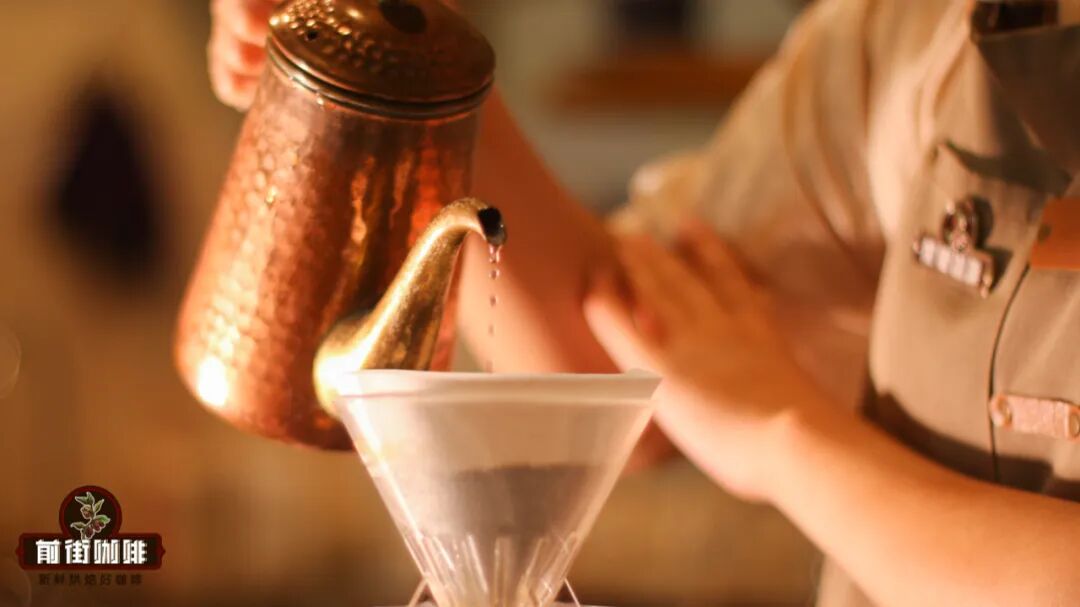
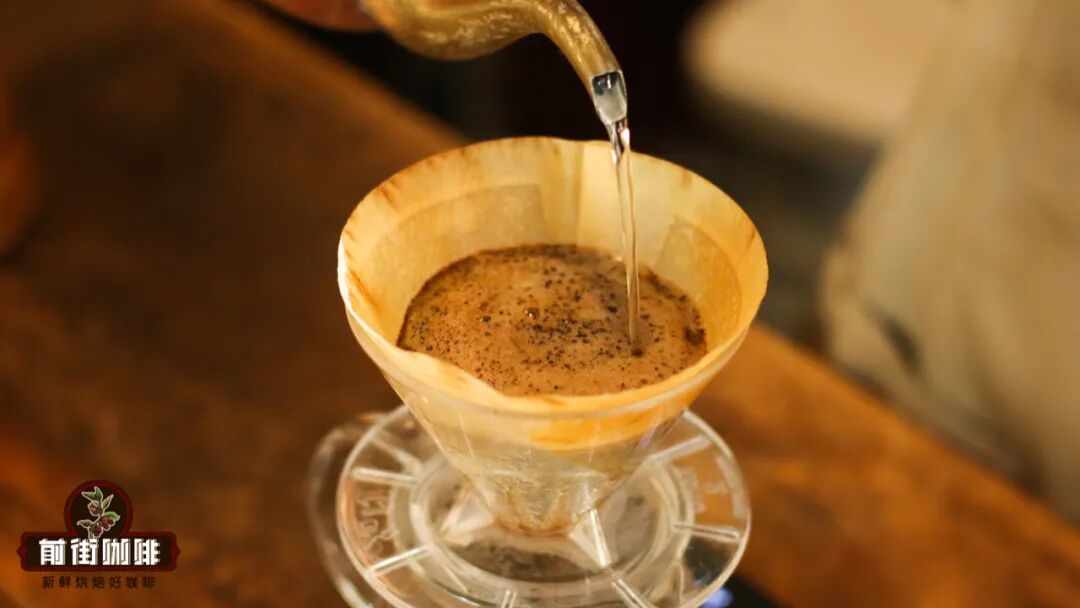
Next comes the main extraction stage. Begin by slowly pouring water in small streams and within a small area in a circular motion. Pause when the water level approaches the height of the coffee bed, and wait for the water to seep through before continuing. Repeat this step about 2–3 times until roughly two-thirds of the total water volume has been added. Then switch to a larger stream of water and pour the remaining volume in one go using an inside-out circular motion. The total extraction time is approximately 3 minutes and 39 seconds.
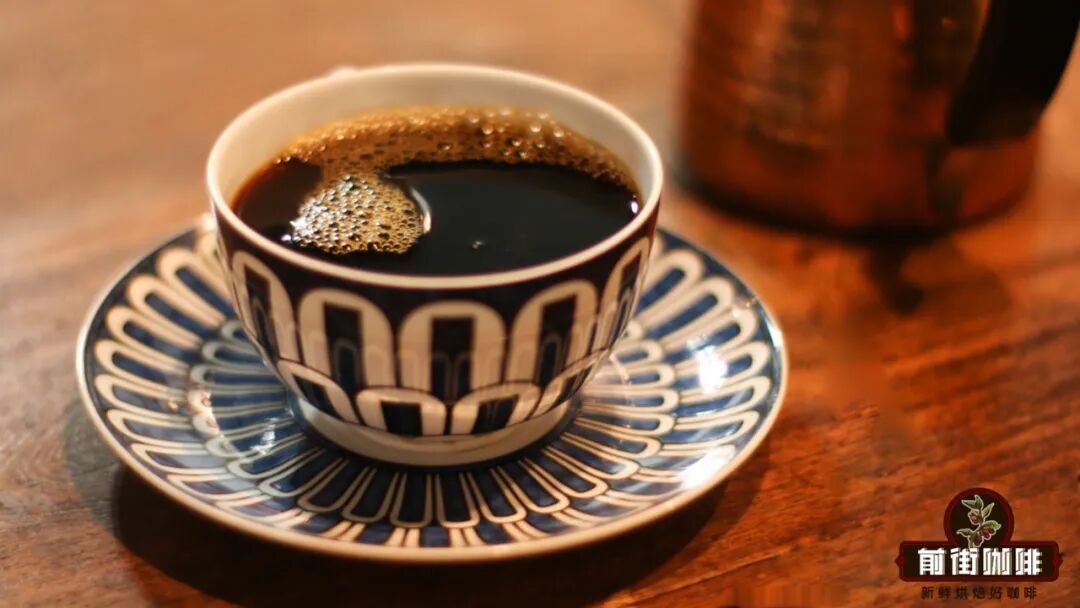
After extraction is complete, you may optionally add around 40ml of hot water based on personal taste preferences to adjust concentration. It is recommended to gently stir before drinking. This Golden Mandheling, brewed via the drip method, presents a rich yet non-bitter flavor profile, with interwoven notes of chocolate, nuts, spices, and pine. Compared to regular brewing methods, the layers are more complex and the sweetness is significantly enhanced.
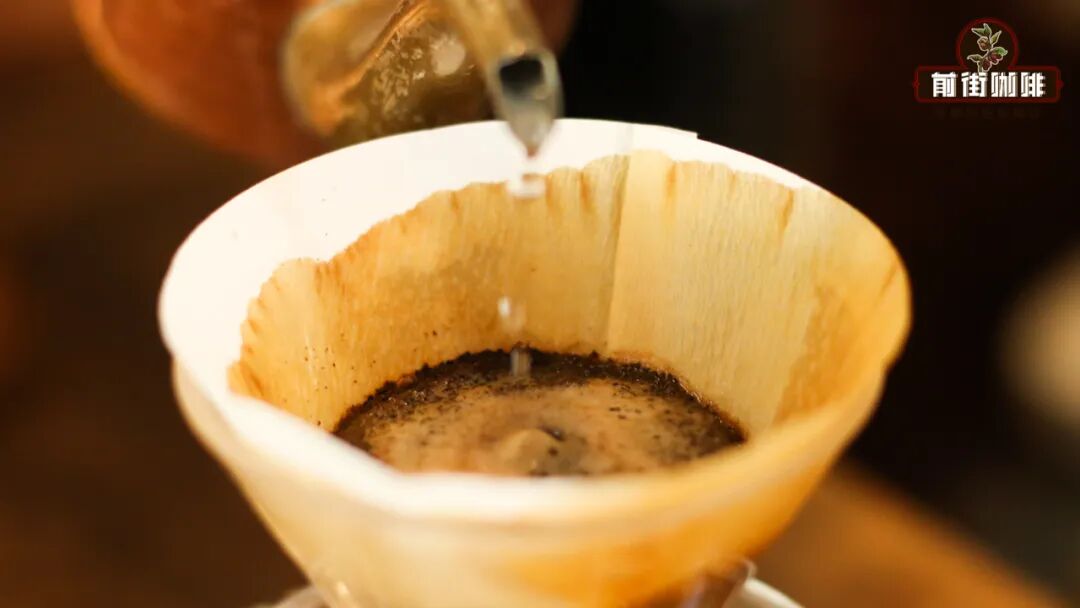
In summary, although the drip method has a high technical barrier, mastering the stability of pouring, the uniformity of the coffee bed, and the control of water droplets will allow you to extract the ultimate richness and sweetness of dark roast beans. It is recommended for coffee lovers who enjoy challenges and appreciate the finer details. Also, it is advised to keep the kettle spout low to avoid splashing and to ensure the coffee grounds are evenly distributed in the filter cone for uniform droplet penetration. Through this technique, you’ll be able to experience another depth and charm of pour over coffee.
The above content is compiled by CoffeeHunters, a coffee news website.


