







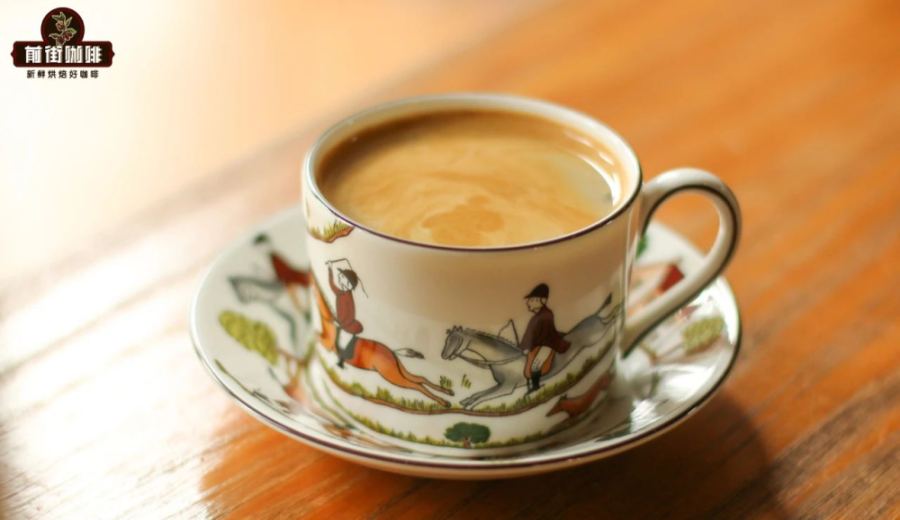
Introduction:Although both espresso and Americano are common types of black coffee, they differ significantly in extraction techniques, flavor profiles, and historical backgrounds. This article delves into the core differences between the two—from the traditional espresso extraction parameters and flavor characteristics to the two common methods of making an Americano—and details the steps and practical recipes. It not only clarifies the misconception that "Americano = espresso + water?" but also provides suggestions for both hot and cold drink preparations, helping coffee enthusiasts fully grasp the essence of these two classic coffees.
Many people assume that Americano is just espresso diluted with water, but in reality, there are notable differences between them in terms of brewing methods, final flavor, and cultural background. What are the fundamental differences between espresso and Americano? From the principles of the coffee machine, extraction parameters, to taste performance, this article will provide a comprehensive analysis and delve into the actual preparation processes of both drinks, so that everyone from beginners to advanced users can better understand the black coffee in their hands.

Americano can generally be made in two ways: one is by directly extracting using a drip coffee machine, and the other is by using espresso as a base and then adding hot water to dilute it. To understand the difference between them, we must first start with the historical background. In the early days, American households commonly used drip machines, and the coffee brewed was light-bodied with a noticeable watery feel and a relatively mild flavor. During World War II, many American soldiers went to Europe and were exposed to the concentrated coffee commonly consumed there. Its intense and stimulating taste was quite unfamiliar to them. To adjust it to a more familiar flavor, some began adding hot water to the espresso, successfully reducing its strength and making it a more palatable flavor. This drinking method, originating from American soldiers, was jokingly called "Americano" by Europeans, even carrying a slight mocking tone. The French even secretly referred to it as "coffee in socks" to describe its unpleasant taste, likening it to worn-out socks.
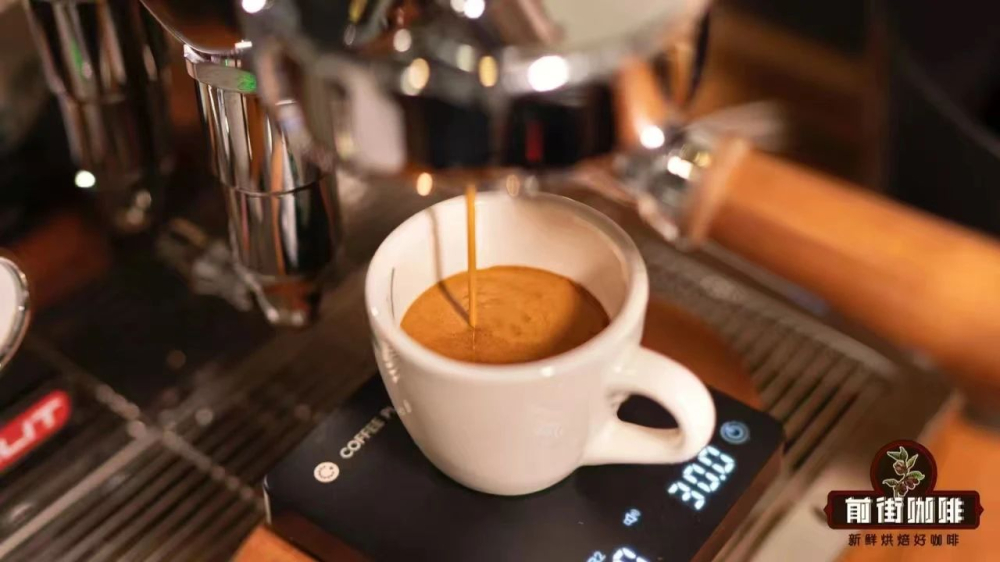
So, what is traditional espresso? Simply put, it is a high-concentration coffee extracted under high pressure, and it requires anespresso machine capable of9 bar pressureto produce. A reference extraction recipe provided by a certain coffee brand is as follows: using20 grams of coffee grounds(suitable for a double-shot portafilter), with a1:2 coffee-to-water ratio, extracting approximately40 grams of coffee liquidunder9 bar pressurefor 25 to 30 seconds. In practice, adjustments should be made according to the characteristics of the coffee beans, grind size, and machine condition to achieve the best extraction results.
A high-quality espresso should have a distinct golden-yellowcrema (coffee foam), which should be even, free of holes, and not transparent enough to see the liquid underneath, while exuding a rich aroma. It should feel smooth without any graininess, have a strong yet not burnt or bitter flavor, a gentle acidity, and a sweet and lingering aftertaste. Both the throat and the tongue surface can sense a sustained sweetness. These are all important indicators for evaluating whether an espresso meets the standard.
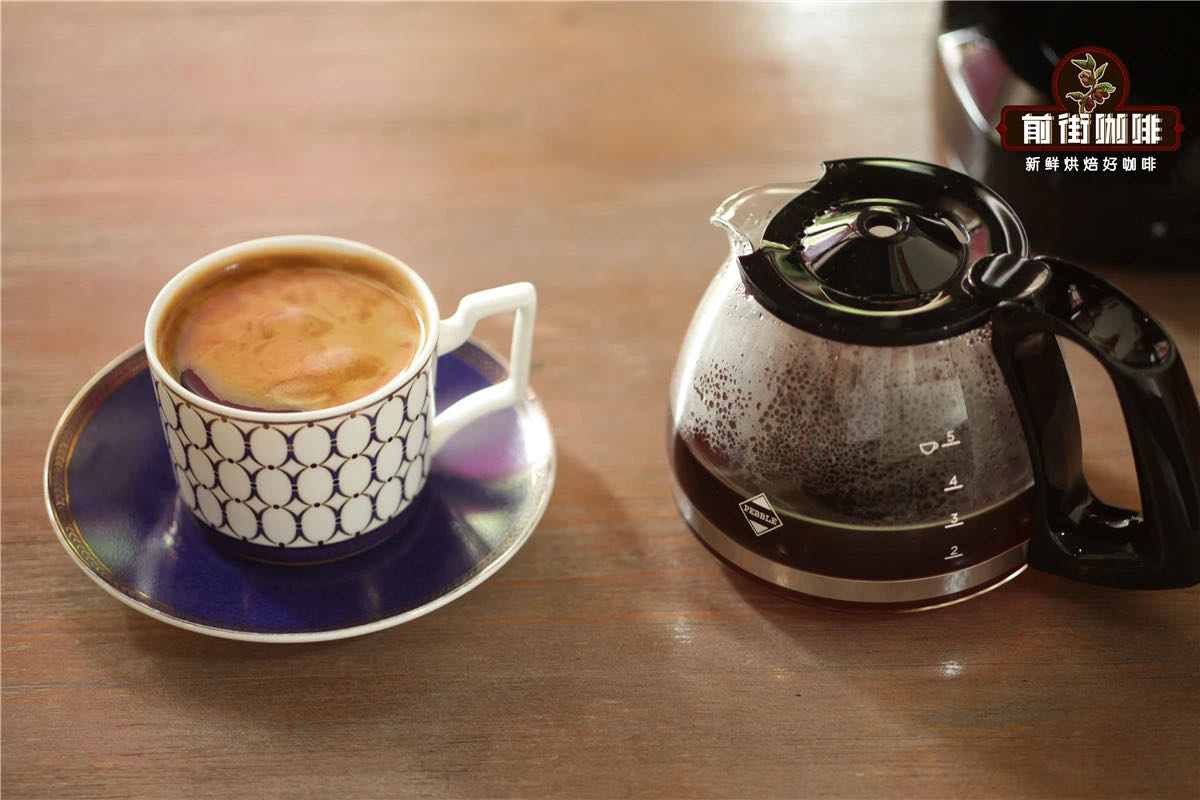
When making espresso and Americano, the selection of coffee beans is crucial. It is recommended to use blends specifically designed for espresso machines, which ensure stable extraction and showcase rich layers. Taking a common blend as an example, combining beans from Brazil and Colombia typically delivers rich chocolate aromas, delicate nutty notes, and a long-lasting aftertaste in both espresso and Americano. It is not only suitable as a base for espresso but also great for further crafting into lattes, cappuccinos, or various styles of Americano.
Many consumers are curious about the process baristas go through when operating an espresso machine. Though it may seem complex, it actually follows a series of standardized steps. The general procedure includes: first, ensuring the portafilter is dry and free of water; then accurately weighing the coffee grounds (with an error ideally within ±0.1 gram); followed by distributing the grounds evenly in the portafilter through distribution; then tamping the grounds with appropriate pressure to ensure consistent density; tapping the handle lightly to remove excess air before mounting it onto the machine and starting the extraction; finally, after extraction, knocking out the puck and promptly cleaning the group head to maintain machine hygiene and stable performance.
A standard espresso extraction recommendation from a certain brand is:20 grams of coffeeto extract40 grams of liquid, taking about30 seconds. This is a common baseline parameter in most shops, suitable for the majority of blends and machines. After extraction, since espresso itself is highly concentrated, drinking it directly may be too intense for many, so common preparation methods include adding milk to make a latte or adding water to create an Americano.
To make an iced Americano at home, you can prepare100 grams of ice cubesand120 grams of room temperature or cold water, then simply pour the extracted espresso directly over the ice and water for a simple and refreshing drink. For a hot Americano, simply replace the ice water with160 to 200 grams of warm water, then pour the same amount of espresso, and enjoy a comforting hot Americano. These proportions help maintain a balanced coffee flavor, preventing it from becoming overly diluted and losing its character, and can also be fine-tuned further based on personal taste preferences.
The above content is compiled by CoffeeHunters, a coffee news website.


