







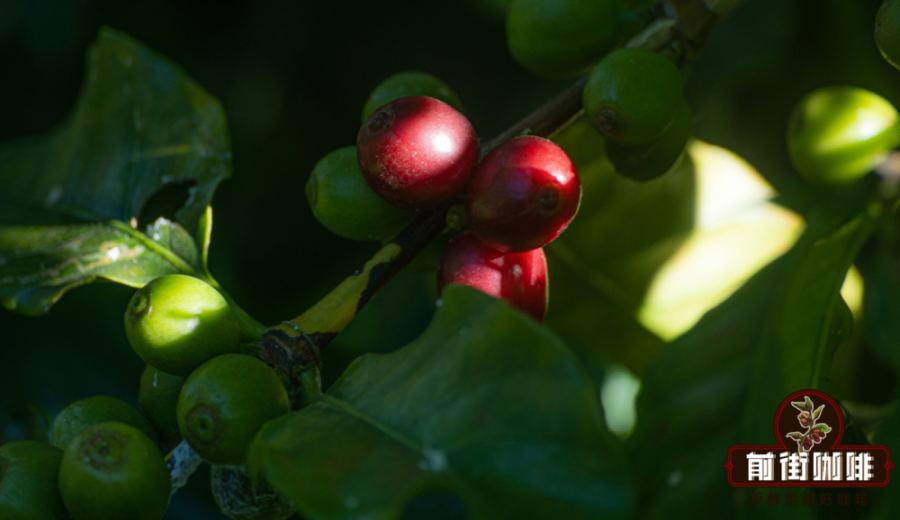
Introduction:This article delves into the origins, cultivation characteristics, and flavor profile of Catimor, the dominant cultivated variety in Yunnan. It explores everything from the genetic background of its disease-resistant traits to the challenges of high-altitude adaptability, while detailing how washed processing influences its flavor. Professional-level brewing parameter recommendations are also provided to help readers master the brewing techniques for this distinctive coffee bean—offering practical insights for both beginners and advanced enthusiasts.
As a hybrid of Arabica and Robusta, Catimor (Catimor) boasts excellent disease resistance and high yield potential, yet has long been debated for its flavor performance. This Portuguese breeding achievement, born in 1959 through the genetic combination of Timor (which contains Robusta genes) and Caturra, successfully addressed the leaf rust crisis in Central and South America but also left a unique flavor imprint in cupping evaluations.
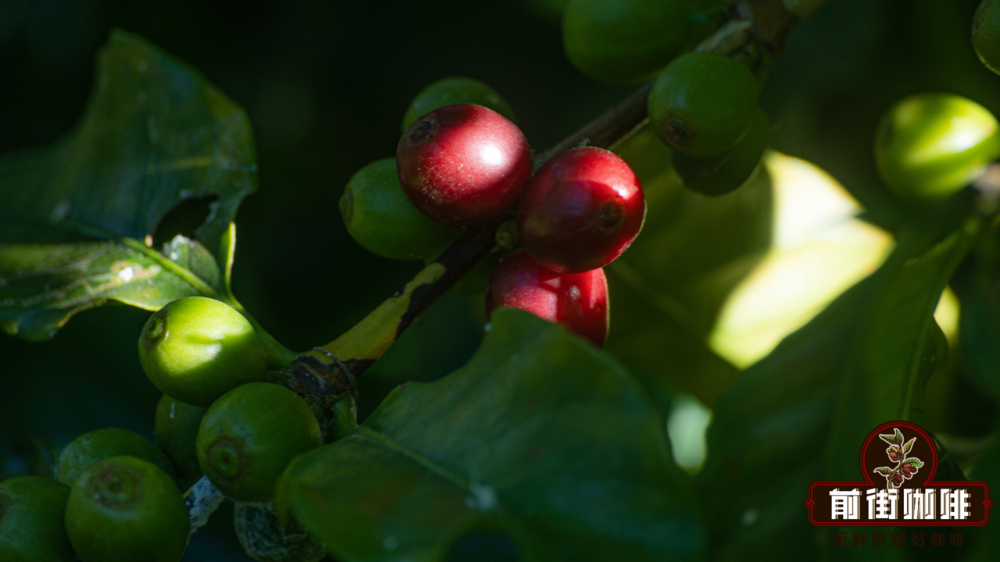
Its genetic traits endow Catimor with strong resistance to pests and diseases and advantages in dense planting, making it suitable for large-scale cultivation. However, its Robusta lineage causes some batches to exhibit pronounced woody notes and astringent aftertastes, especially when grown at low altitudes (below 1200 meters), where flavor clarity noticeably declines. Compared to traditional specialty Arabica varieties, Catimor requires more precise cultivation conditions and post-harvest processing to realize its potential.
The Catimor variety introduced to Yunnan has now become synonymous with the region’s "small-grain coffee." Tracing its history, the earliest roots go back to the 1904 planting of Typica by French missionaries in Binchuan County, but truly scaled development began with the Chinese Academy of Agricultural Sciences’ trial planting program in 1952 and Nestlé’s pivotal decision to introduce high-yield Catimor varieties in 1988. It is now mainly distributed in hilly areas at elevations of800–1800 meters, such as Baoshan and Lincang. Among these, Baoshan’s Luxi Dam, with itsannual average temperature of 21.5°Cand significant diurnal temperature variation, produces high-quality batches with fruity characteristics.
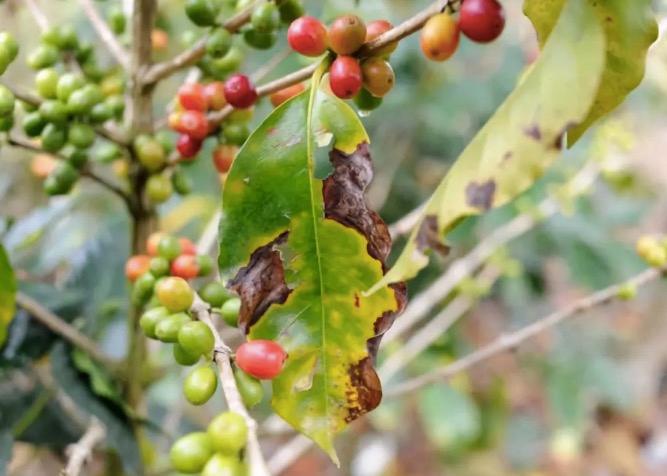
The growth cycle of this variety shows that coffee trees take3–4 yearsto enter the fruiting stage, with the flowering period concentrated between February and July (peak flowering in March–May), and fruit ripening requiring8–10 months. In high-altitude regions (around 1100 meters), the harvest season mostly falls between November and March of the following year, while low-altitude areas may extend the season until April. Notably, for every100-meterincrease in altitude, sugar accumulation speeds up while acid transformation becomes more active, directly affecting the balance of the final flavor.
Washed processing is the mainstream method for Catimor in Yunnan, closely tied to the region’s rainy climate. After harvest, the coffee cherries are depulped, then fermented in water tanks to remove the mucilage layer. This process not only enhances cleanliness but also helps screen out underripe beans and defects. Compared to the intense fermentation notes of natural processing, washed processing preserves a purer nutty base and moderate fruity acidity, making it particularly well-suited for varieties like Catimor that benefit from highlighted structural qualities.
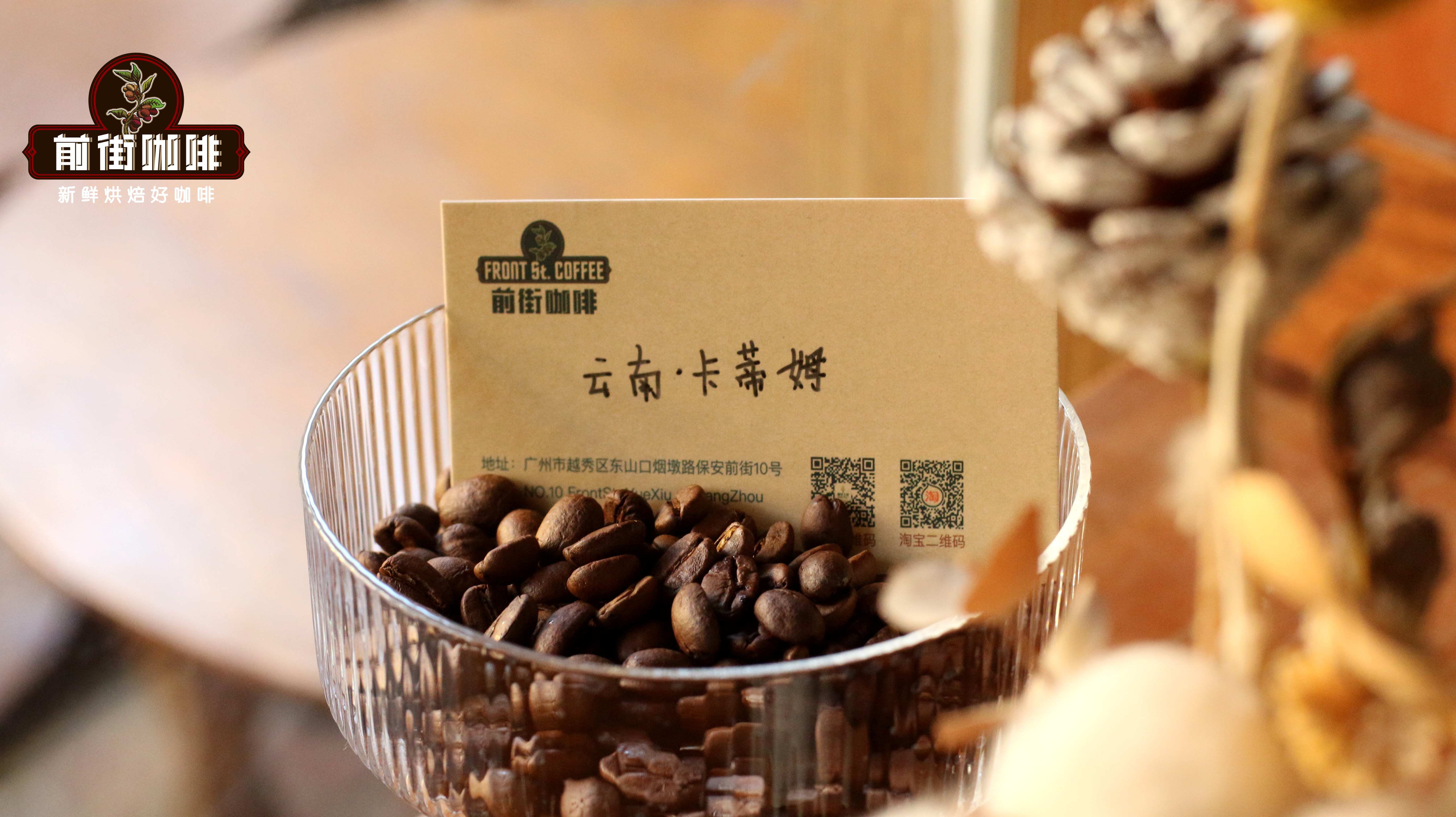
As the core region for premium Catimor in Yunnan, Baoshan benefits from anall-year frost-freeenvironment and fertile red soil, yielding coffee with distinct brown sugar sweetness and plum-like acidity. Local farmers control harvest ripeness (picking only fully red cherries) and adhere to strict washed processing protocols, effectively minimizing impurities’ interference with flavor. In actual cuppings, high-quality batches present pronounced roasted almond and citrus aromas in the dry scent, with bright acidity reminiscent of blackcurrant during the sip, and a lingering caramel finish.
For this distinctive bean variety, medium-light roasting is recommended to preserve its volatile flavor compounds. Practical tests show that when the roast level is controlled atAgtron 65–70 (medium-light roast), an optimal balance of acidity, sweetness, and bitterness can be achieved. For pour over, the V60 filter is suggested, with parameters set as follows:15g coffee dose, 90°C water temperature, 1:15 coffee-to-water ratio, with grind size referencing a 20-mesh sieve passing rate78%(similar to the coarseness of fine sugar). A three-stage pouring method is employed—first, blooming with twice the coffee dose (30g) of water for30 seconds, followed by separate infusions at125gand225g, with total brewing time kept within2 minutesto maximize its nutty core and delicate fruity acidity layers.
For storage, keep it sealed away from light, and it is recommended to use the coffee within5–14 daysafter roasting for optimal flavor expression. Regarding the common issue of astringency, it often stems from over-extraction or excessively high water temperature (above 92°C); adjusting brewing pace and ensuring even pouring can effectively improve the result. With an understanding of these key parameters, even novice coffee enthusiasts can fully appreciate the unique regional character of Yunnan Catimor.
The above content is compiled by CoffeeHunters, a coffee news website.


