







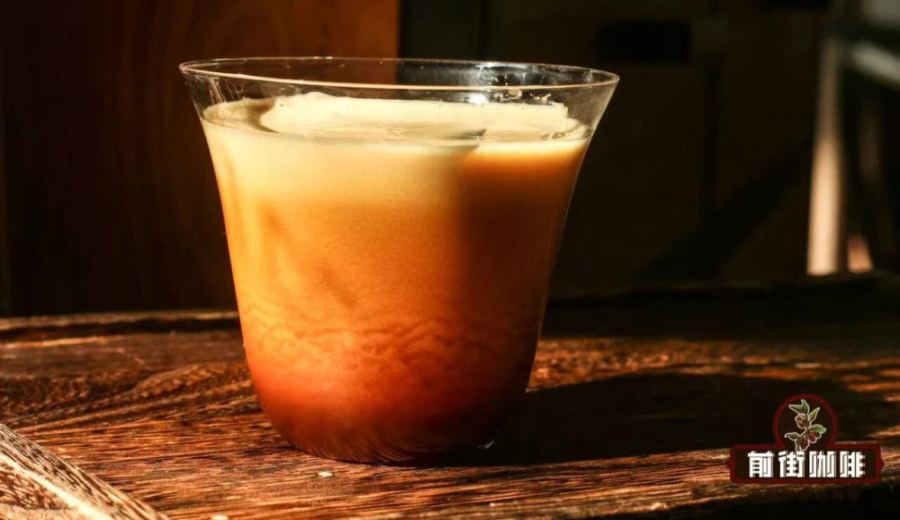
Introduction:In recent years, SOE (Single Origin Espresso) has gained increasing popularity in the market, yet its price is often higher than that of common blends. Why can SOE be sold at a premium when it’s still an espresso? This article delves into the definitional differences between SOE and blends, their historical backgrounds, roasting and extraction characteristics, compares their flavor profiles and cost structures, and provides practical home brewing tips and parameter adjustment suggestions to help you better understand the essence and charm of these two types of coffee.
With the growing popularity of specialty coffee culture, more and more consumers are seeking a coffee experience that offers more personality and regional character. Against this trend, SOE (Single Origin Espresso) has gradually emerged as a focal point for many coffee enthusiasts and professional shops. However, many people notice when ordering that SOE is generally more expensive than traditional blends, which actually reflects differences in bean selection, roasting techniques, and extraction methods.
Looking back to earlier times, espresso was predominantly made from multi-origin blends. Such blends could achieve a balanced and stable flavor profile by complementing the characteristics of beans from different regions. Dark roasting was commonly used at the time to suppress any unpleasant flavors that might arise from the beans and to enhance body, chocolate, and caramel notes. This approach not only masked defects but also created rich crema and a smooth mouthfeel, making it widely loved by the public.
However, with the rise of the specialty coffee concept, the coffee market began to emphasize "origin flavors," also known as "terroir." By the 1980s, roasters gradually discovered that lighter roasting could more clearly highlight the unique aromas and tastes of beans from different regions, such as fruity, floral, or even fermented notes. This shift was initially more common in brewing methods like pour over, siphon, or French press, until 2007, when World Barista Champion James Hoffmann first used single-origin beans in espresso extraction during the competition. From then on, the concept of SOE gradually took shape and became widely known.
Simply put, SOE is espresso made from coffee beans sourced from a single origin, farm, or batch. Here, "single origin" can refer to a country, region, cooperative, or even a specific farm or plantation. For example, common origins like Yirgacheffe, Colombia, or Indonesia’s Mandheling — as long as they meet the single-origin criteria — can serve as the base for SOE. Compared to blends, which emphasize flavor harmony and consistency, SOE places more emphasis on "authenticity," highlighting the unique aromas, acidity, and layers characteristic of that particular origin.
For instance, a coffee shop may display various pour over beans, such as Yirgacheffe with distinct citrus and floral notes, or Indonesia’s Mandheling with a rich herbal profile — all typical single-origin coffees. When these beans are used for espresso extraction, they become what we call SOE. However, due to the high-pressure extraction environment of espresso machines, SOEs are usually roasted slightly darker than traditional pour over beans to ensure a balance between acidity and sweetness during extraction, while still showcasing clear regional characteristics.
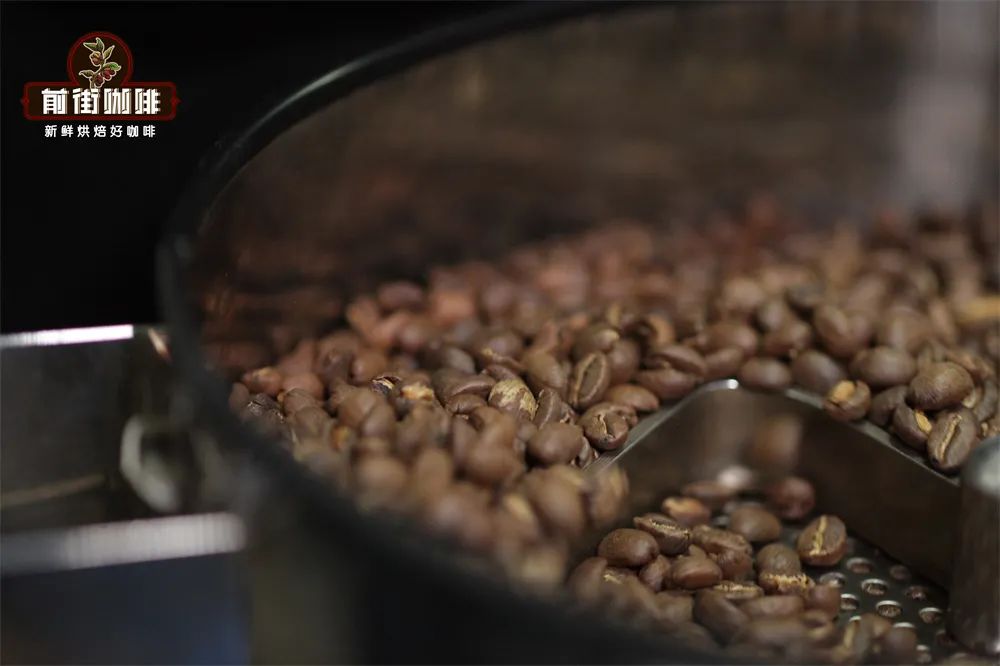
So why is SOE often more expensive than blends? The primary reason lies in the selection of beans. Many beans used for SOE come from high altitudes, are meticulously processed, or are auction-grade, generally offering higher quality and grade, and are produced in limited quantities, which naturally drives up costs. Additionally, SOE emphasizes "flavor expression," requiring roasters to precisely control the roast level — too dark and it may mask delicate aromas, too light and it may lead to under-extraction and overly sharp acidity. This stringent requirement for roast profiling also increases production difficulty and cost.
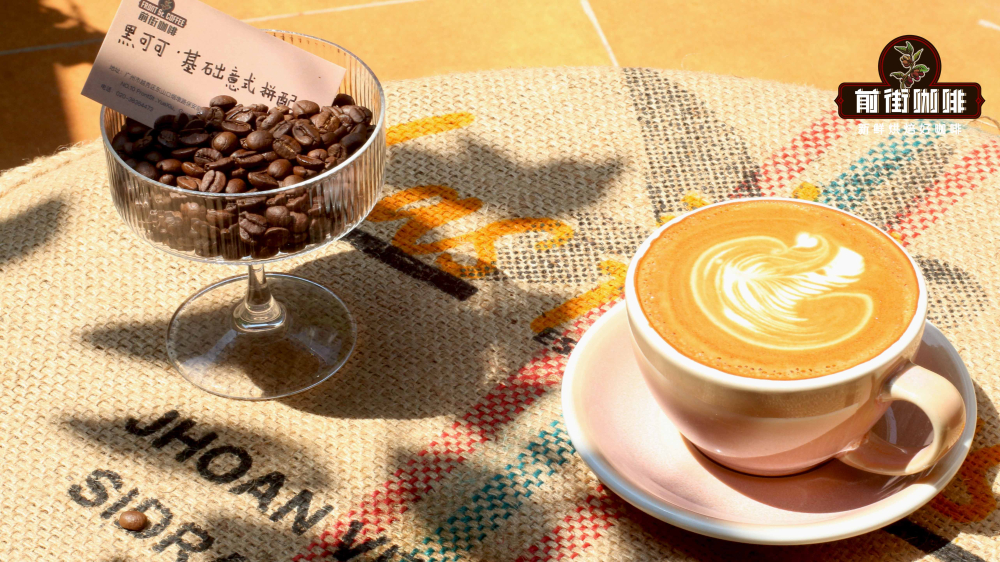
In contrast, blends are typically made by combining beans from multiple origins, balancing different characteristics to achieve a stable and consistent flavor output, while also being easier to control in terms of cost. Generally, blends tend to be dark roasted, emphasizing rich notes like caramel, chocolate, and nuts. Although they may lack the distinctiveness of SOE, they offer stable performance in terms of flavor balance and bold mouthfeel.
From a production perspective, SOE is also relatively more challenging to extract. Since it uses beans from a single origin, its flavor characteristics are more pronounced, and any slight variation in extraction parameters — such as grind size, water temperature, pressure, or brew ratio — can significantly impact the final flavor. Environmental humidity, coffee bean freshness, and even the condition of the espresso machine can all become key factors affecting extraction stability. Therefore, both shop owners and home users need to have a more nuanced grasp and ability to adjust extraction parameters.
If you want to try extracting SOE at home, it’s recommended to choose medium-dark or flavor-focused single-origin beans. This allows you to preserve regional characteristics while avoiding overly bright acidity or a light body. For example, medium-dark roasted Brazilian beans often have chocolatey, nutty, and soft sweet notes, making them suitable for beginners. Meanwhile, Costa Rican beans processed with the honey method may exhibit tropical fruit and floral aromas, adding more complexity to your SOE. However, no matter which beans you choose, freshness is key. It’s advisable to use beans roasted within five days to ensure the flavors are at their peak.
Furthermore, light-roasted SOEs, due to their shorter roasting time, have relatively harder bean structure and more tightly bound flavor compounds, making it harder for flavors to be released. Therefore, it may be necessary to adjust extraction parameters appropriately, such as slightly extending the brew time, increasing water temperature, using a finer grind, or adding more coffee grounds. However, since espresso grinding is extremely fine, any adjustments should be made cautiously. It’s recommended to test gradually and record each set of parameters along with the resulting flavor feedback to find the combination that best suits your taste.
The above content is compiled by CoffeeHunters, a coffee news website.


