







Introduction:Indonesian Mandheling coffee is renowned for its distinctive woody and herbal aromas, and the key behind this lies in the unique processing method known as "wet hulling." This article will delve into the geographical environments of Sumatra’s two core regions—Lake Toba and Lake Tawar—and provide a detailed breakdown of the wet hulling process, explaining how it shapes Mandheling’s bold character in a humid climate. It will also introduce the stringent selection criteria and grading system of Golden Mandheling, helping you choose your ideal beans more precisely.
Wet hulling (Wet Hulled) is a unique green bean processing method developed by Indonesian coffee farmers to adapt to the high-temperature and high-humidity environment. Compared to traditional sun-drying or washed processes, this method significantly shortens the drying time but also imparts Mandheling coffee with its characteristic full-bodied, earthy, and herbal flavor profile. This article will take you through Sumatra’s two renowned regions—Lake Toba and Lake Tawar—to deeply analyze the practical steps of wet hulling, explain how it influences Mandheling’s unique personality, and introduce the grading and selection standards of Indonesia’s representative specialty coffee, "Golden Mandheling." Whether you’re new to Mandheling or an enthusiast familiar with coffee processing methods, you’ll find practical insights here.
Wet hulling can be considered an innovative response by Indonesian coffee-growing regions to their unique climatic conditions. With consistently high humidity, frequent rainfall, and weather patterns that are not conducive to traditional long-term sun-drying or complex washed processing, local farmers developed wet hulling to overcome these limitations. By removing part of the parchment layer early, the drying process is accelerated, effectively reducing fermentation risks and unexpectedly shaping Mandheling’s deep and layered flavor characteristics. Today, this processing method has become an important hallmark of Indonesia’s coffee industry.
When it comes to Indonesian coffee, most people immediately think of Sumatran Mandheling. Sumatra is Indonesia’s largest island, straddling the equator and located within the Pacific Ring of Fire. The region’s numerous volcanoes provide fertile volcanic ash soil, and its high altitude and frequent cloud cover offer ideal conditions for coffee cultivation. The name "Mandheling" originally referred to an ethnic group in northern Sumatra—the Mandailing—but it has gradually become synonymous with the coffee from this area. Its main producing regions are centered around two major lakes: one is Lake Toba, the world’s largest volcanic lake, and the other is Lake Tawar.
The Lake Toba area sits at an elevation of about 1,400 meters and features a tropical rainforest climate, which is consistently warm and rainy with an average temperature of around 22°C. Most coffee farms here are located on slopes surrounded by dense vegetation that naturally provides shade, so farmers usually don’t need to install additional shading nets. Meanwhile, the Gayo Mountains in Aceh Province, near Lake Tawar Volcano, range in elevation from about 1,200 to 1,800 meters. With persistent fog and significant day-night temperature variations, the volcanic soil is rich in minerals. Coffee here is mostly grown organically by the local Gayo people using traditional methods, earning high praise for its quality. Many premium batches have even become the top choice for international buyers.
So why does Indonesia opt for wet hulling? The answer lies in its highly challenging climate. With an annual average humidity consistently between 70% and 90%, and annual rainfall that can exceed 2,000 millimeters, coupled with frequent tropical climate fluctuations, traditional sun-drying methods that require long drying times are difficult to implement. While washed processing can maintain clean flavors, it is water-intensive and involves complicated procedures, making it less optimal for Indonesia’s high-yield coffee regions. Wet hulling is a semi-washed method that falls between sun-drying and washed processing, effectively shortening the overall processing time in humid conditions and ensuring the beans reach the market in their best possible state.
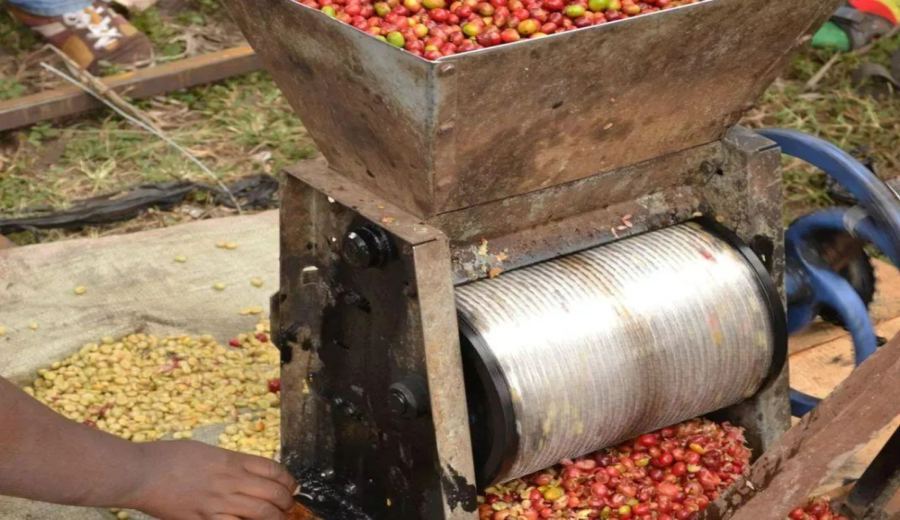
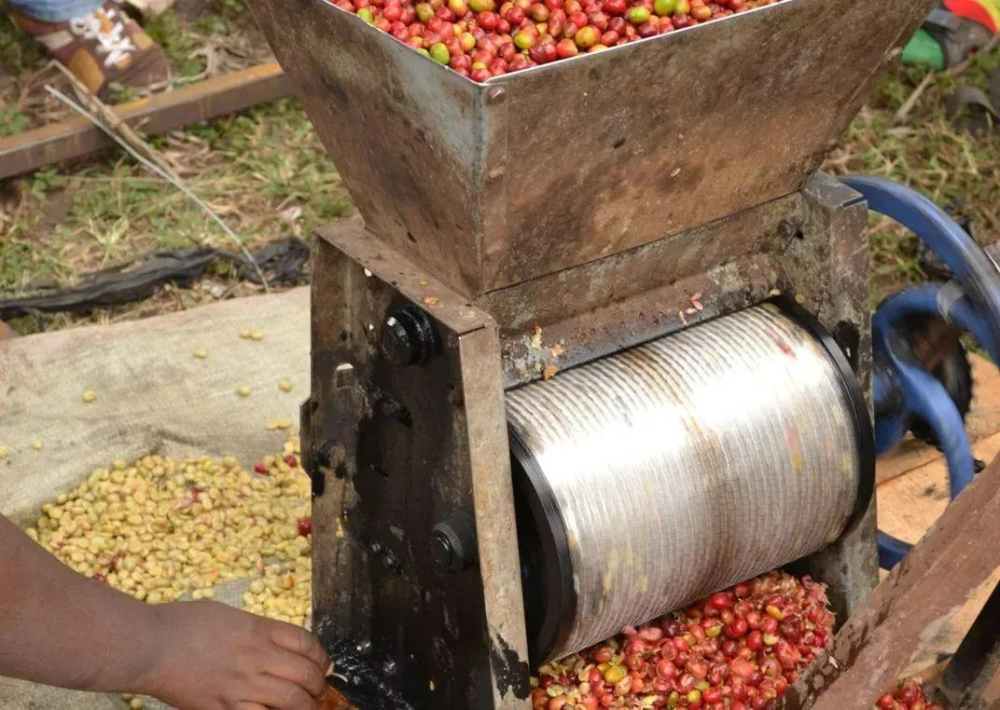
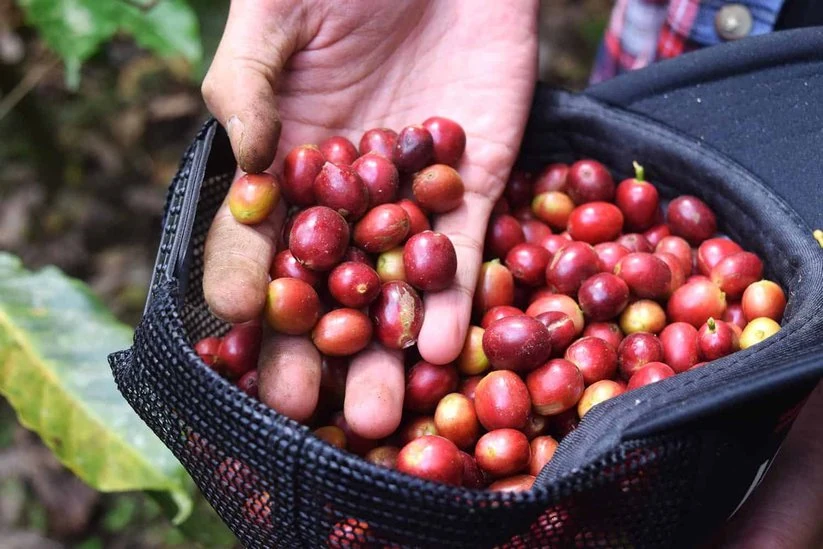
The wet hulling process generally follows these steps: after harvest, the coffee cherries are first depulped to remove the skin and flesh, leaving behind the parchment-covered beans, which then undergo a brief fermentation period of a few hours to remove some of the mucilage. Next, they are rinsed with clean water to remove surface slime. At this point, the parchment beans still have a high moisture content of around 30% to 40%. Farmers will partially dry them in just two or three days before selling them to buyers. The buyers then use specialized machines to remove the not-yet-fully-dried parchment layer. Because the beans are still moist during this process, they are prone to mechanical friction, often resulting in a grayish-green appearance and pressure marks at both ends, creating what is known as "elephant ear beans." This early hulling process exposes the green beans directly to air, speeding up the drying and contributing to Mandheling’s signature bold woody, spicy, and herbal notes.
When discussing Mandheling grades, one must mention "Golden Mandheling" from PWN, a well-known green bean supplier in Indonesia. This specialty-grade Mandheling is renowned for its high quality and consistent flavor profile, holding a notable position in the global specialty coffee market. To ensure bean quality, PWN has established extremely strict selection criteria, examining factors such as bean size, shape, density, color, and defect rate through multiple inspections. It is understood that before entering the market, PWN’s Golden Mandheling undergoes machine sorting plus three rounds of manual selection to ensure each bean meets high standards. Notably, PWN has also registered the trademark "Golden Mandheling," so only products from PWN labeled as "Golden Mandheling" are considered authentic.
If you’re looking to select high-quality Mandheling, here are several key parameters to consider:First, the green bean screen size should be 18 or 19 or above; second,in a 300-gram sample, the number of defective beans must not exceed three; third, the coffee bean grade should be the highest in the Indonesian grading system—G1 grade; additionally,the beans should appear dark green, with uniform particle size and regular shape. These criteria are essential indicators for assessing Mandheling’s grade and flavor potential.
Finally, many coffee enthusiasts wonder what wet-hulled Mandheling actually tastes like. According to professional cupping results, Golden Mandheling from PWN typically exhibits rich aromas of dark chocolate, nuts, and caramel, along with unique herbal spice and pine notes. Upon tasting, the lingering finish of dark chocolate is pronounced, with high clarity. Even as the coffee cools, you can still perceive gentle fruit acidity and delicate layers of aroma—a flavor profile uniquely shaped by wet hulling and Sumatra’s distinctive geographical environment.
The above content is compiled by CoffeeHunters, a coffee news website.


