







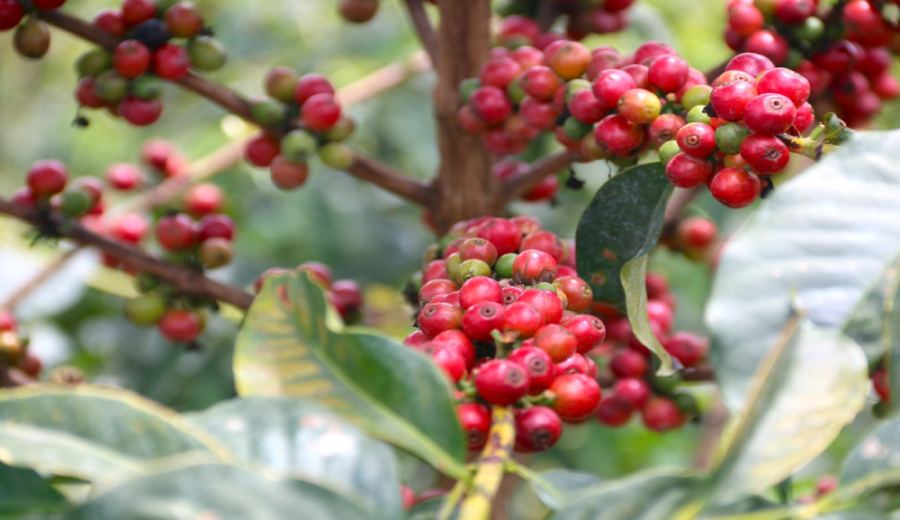
Introduction:Kenyan coffee is renowned for its high acidity, bright flavors, and vibrant fruitiness. Its rigorous grading system and unique K72 washed processing method create a truly distinctive specialty coffee profile. This article details the differences between Kenyan coffee grades from AA to PB, explores the key characteristics of its core growing regions in terms of altitude and varieties, and takes an in-depth look at the flavor profiles of well-known regions such as Nyeri and Kirinyaga. It also provides practical pour over brewing recommendations for Kenya’s small tomato beans to help you master the key to an ideal cup of Kenyan coffee.
With its vivid fruitiness and rich body, Kenyan coffee holds a notable place in the global specialty coffee market. Its appeal comes not only from its naturally advantageous growing environment but also from its strict grading standards and refined post-harvest processing. This article will systematically outline the grade structure of Kenyan coffee, highlight the features of its core producing regions, and analyze how the iconic K72 washed process shapes its unique flavors. Finally, it will take you through the actual brewing performance of a popular Kenyan small tomato coffee bean.
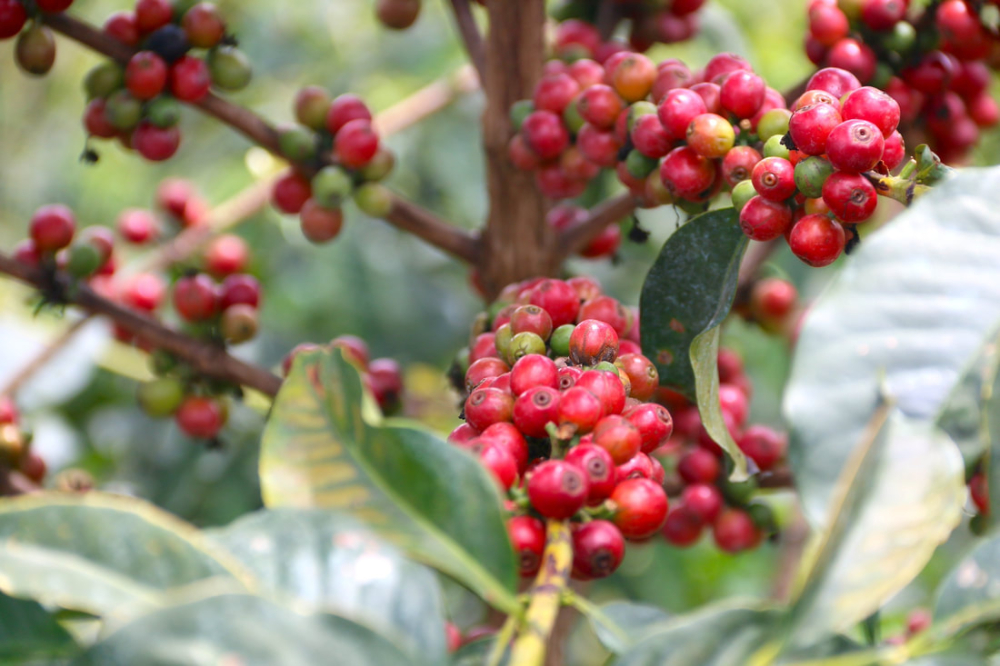
When it comes to African specialty coffee, Kenya is often mentioned alongside Ethiopia. Despite having a shorter history of coffee cultivation, Kenya quickly rose to international specialty coffee prominence thanks to the breeding mechanisms and grading systems established during the British colonial period. Its coffee is known for its intense aroma, rich fruit notes, and full body—especially the unique sweet-and-sour balance woven from blackberry and grapefruit—which has made it a top choice for seasoned coffee enthusiasts.
The development of Kenya’s coffee industry can be traced back to 1883, when the British introduced coffee seeds from Réunion Island. The Scott Agricultural Laboratories, established in 1922, selected SL28 and SL34 from 42 varieties as those best suited to the local environment, laying the foundation for the country’s coffee varietals. The founding of the Coffee Growers Cooperative Union in 1931 and the Nairobi Coffee Exchange in 1937 further advanced quality control and market development. The international reputation Kenyan coffee enjoys today is the result of these historical foundations.
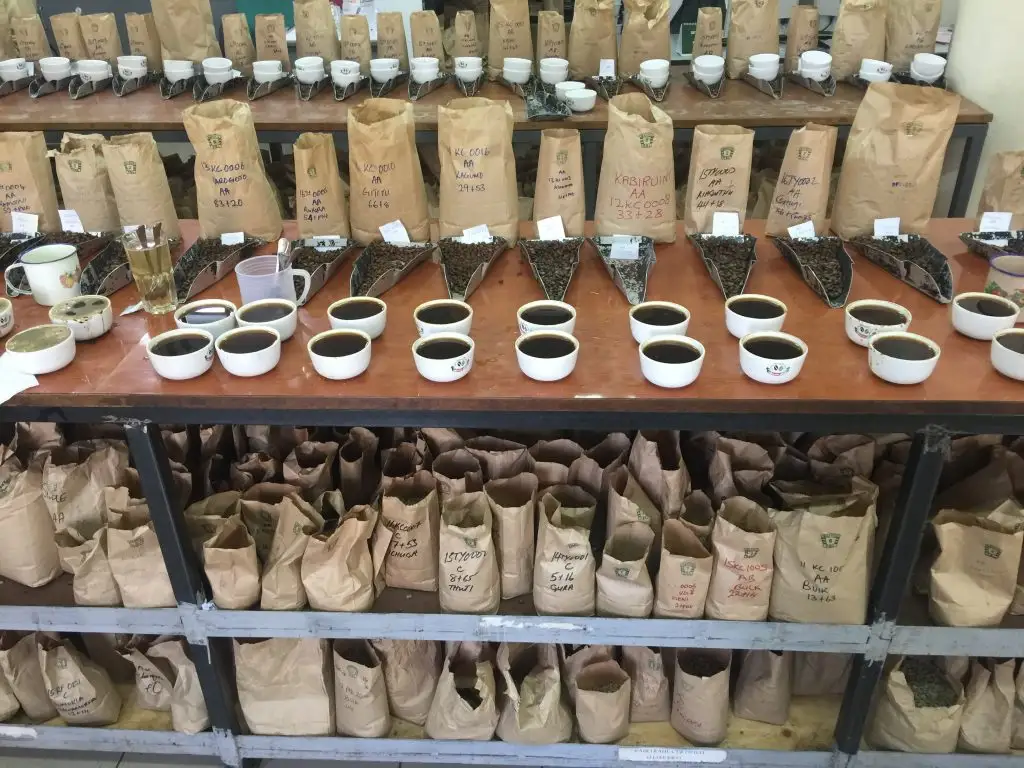
Kenya’s grading system is centered on bean size and cupping performance, ranking from highest to lowest as AA (or AA+), AB, PB, C, E, TT, and T. Among these,Grade AA (17–18 mesh)andGrade AB (15–16 mesh)make up the majority of production, with the former being celebrated for its large bean size and excellent cupping results.PB (Peaberry)is separately categorized due to its unique shape, though this classification has no direct relation to flavor. It’s worth noting that exporters often add unofficial flavor-grade labels such as TOP, PLUS (+), or FAQ to AA and AB grades, but the actual quality still primarily depends on bean size and processing methods.
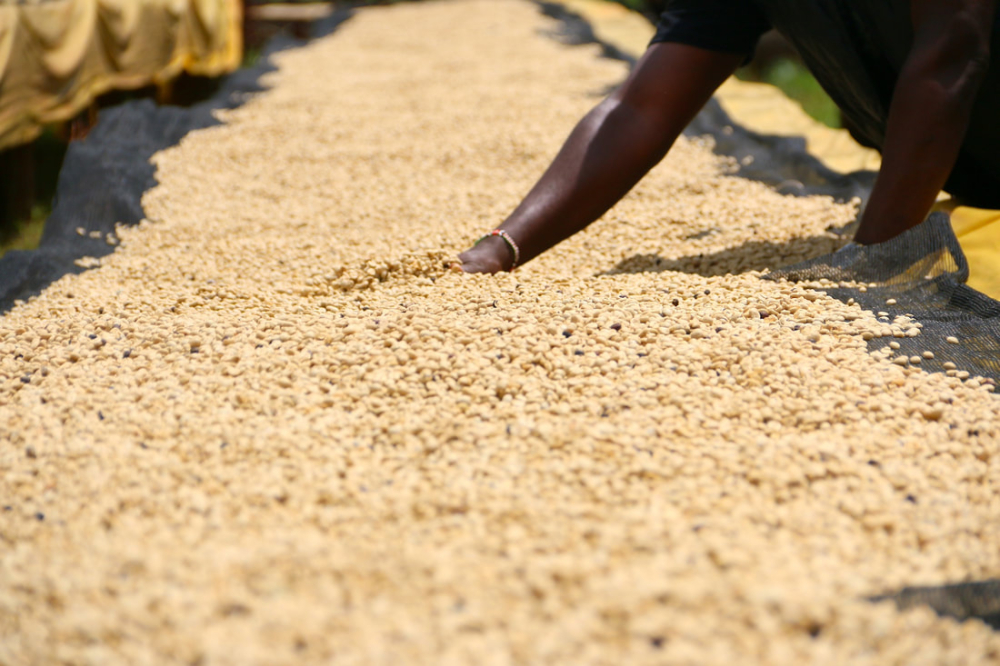
Kenya’s K72 washed process is the soul of its flavor. Compared to the conventional 36-hour fermentation of standard washed coffee, Kenya extends this to72 hours, allowing for more thorough breakdown of the mucilage while retaining more fruit acids and floral-fruity aromas. After fermentation, the beans undergo multiple rinses with clean water and extended drying periods, with final moisture content precisely controlled at 12%. This results in its bright acidity and juice-like mouthfeel. The stringent requirements for temperature and humidity in this process also contribute to the high stability in quality of Kenyan coffee.
Kenyan coffee-growing regions are concentrated in the central and western highlands, among whichNyeri, Kirinyaga, and Murangaare considered the core areas for specialty coffee. These regions are all situated in volcanic soil belts at altitudes between 1,200 and 2,300 meters, with moderate annual temperatures and significant day-night temperature variations—ideal conditions for sugar accumulation in coffee cherries.
The Nyeri region is primarily located around the slopes of Mount Kenya, an extinct volcano, where red soils are rich in minerals. Its main harvest season runs from October to December, with a secondary season from June to August. The area mainly operates under smallholder cooperative models, with main varieties including SL-28, SL-34, Ruiru11, and Batian. The SL series is especially praised for its high acidity, brightness, and complex floral-fruit profiles.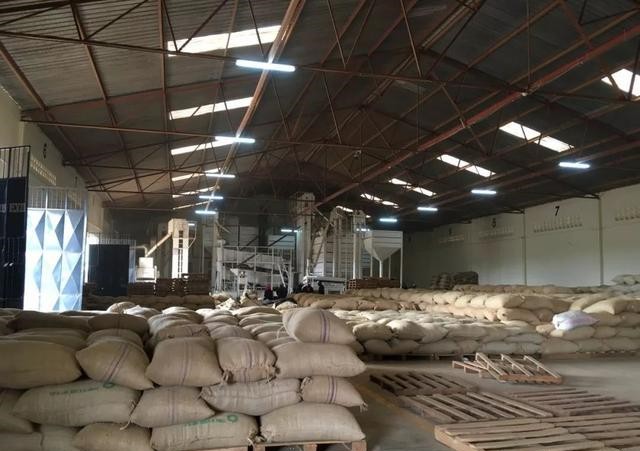
The Kirinyaga region lies adjacent to Nyeri, situated on the slopes of Mount Kenya, at elevations ranging from 1,300 to 1,900 meters. Coffee from this area is known for its layered complexity and solid body, and it also operates primarily through smallholder cooperatives. Processing factories provide unified washed processing facilities to ensure consistent quality. The main varieties are similar to those in Nyeri, though some estates may adjust planting ratios to emphasize particular flavor characteristics.
The Muranga region is located inland in the Central Province and was one of the first areas settled by missionaries. Its volcanic soils also give its coffee a unique character. At elevations between 1,350 and 1,950 meters, its main and secondary harvest seasons are similar to other central highland regions. The main varieties are SL-28 and SL-34, making it suitable for drinkers who prefer bright acidity and citrusy notes.
In addition to these classic regions, the Kenya Small Tomato beans from the Thika region are also worth highlighting. These beans, produced from the SL28 and SL34 varieties and processed using the K72 method, exhibit pronounced floral notes and a juicy mouthfeel, making them a great everyday drinking coffee. The Asaliya processing factory, known for its meticulous craftsmanship, is a popular choice for many coffee enthusiasts just starting out.
For home brewing of Kenyan coffee, the pour over method is recommended to best showcase its delicate flavors. Taking the Kenya Small Tomato beans as an example, suggested parameters are: 15 grams of coffee, a 1:15 coffee-to-water ratio, water temperature between 89–92°C, and grind size around EK43S#10 (medium-fine). The specific steps are: start with a 30-gram bloom for 30–35 seconds, then pour up to 125 grams (around 1 minute), and when the water level drops halfway, continue pouring the remaining water (totaling about 225 grams), finishing the filtration within approximately 2 minutes. These parameters balance sweetness and body while highlighting the layers of berry and dark cocoa notes.
Brewed Kenyan coffee typically presents pronounced berry aromas (such as black cherry and raspberry), dark cocoa, and subtle caramel notes. It has a medium-high, clean, and refreshing acidity, with a long-lasting citrus and nutty aftertaste. Avoid over-extraction which can bring out bitterness—adjust water temperature and grind coarseness slightly according to personal taste preferences.
The above content is compiled by CoffeeHunters, a coffee news website.


