








Introduction:Coffee crema is one of the key factors influencing both flavor and aroma. The differences in crema content and flavor profiles between Robusta and Arabica beans are significant. This article delves into the crema characteristics of these two types of beans, explores their ideal use cases, and recommends several blends that combine rich crema with delicate flavors. Whether you’re a fan of pour over or espresso, you’ll find an option that suits your taste.
When evaluating the quality and intended use of coffee beans, crema content is an important reference metric. Generally speaking,Robusta beans usually produce a richer layer of crema than Arabica beans, which also allows them to generate thicker crema during extraction. However, the overall flavor of Robusta tends to be more monotone, lacking the complexity and fruity notes found in Arabica. Additionally, Robusta contains a higher caffeine content, has stronger resistance to pests and diseases, and is therefore mostly grown at low altitudes with relatively relaxed climate and moisture requirements. It is high-yield and low-cost.
If Robusta is used alone to make espresso, it often results in an overly intense and even harsh flavor. Therefore, it is recommended to blend it with high-quality Arabica beans. This not only improves overall flavor harmony but also enhances the body and crema performance of the coffee.

For coffee enthusiasts who seek rich crema and deep flavors,blends with an appropriate amount of Robusta can often deliver unexpected surprises. For example, some blend recipes incorporate a small amount of Robusta to boost the body of the espresso and release complex aromas such as butter, nuts, spices, and even dark chocolate during extraction. These blends are perfect for making Americano or latte, delivering a rich intensity reminiscent of traditional Italian cafés.
If you prefer a pure Arabica experience, there are also many blends that offer delicate and golden crema with smooth and layered flavors. These blends typically use Brazilian beans as the base, providing a balanced mild bitterness and sweetness, making them suitable for consumers who enjoy softer profiles.
For instance, some carefully selected blends incorporate Colombian beans, adding aromas of nuts, chocolate, and caramel while maintaining moderate acidity that makes the overall flavor more three-dimensional. Other blends might use small-bean coffee from Yunnan, featuring ripe plum acidity, and exuding a tempting aroma of creamy chocolate when ground—ideal for all kinds of espresso beverages, not limited to lattes but also extending to cappuccinos or other creative recipes.
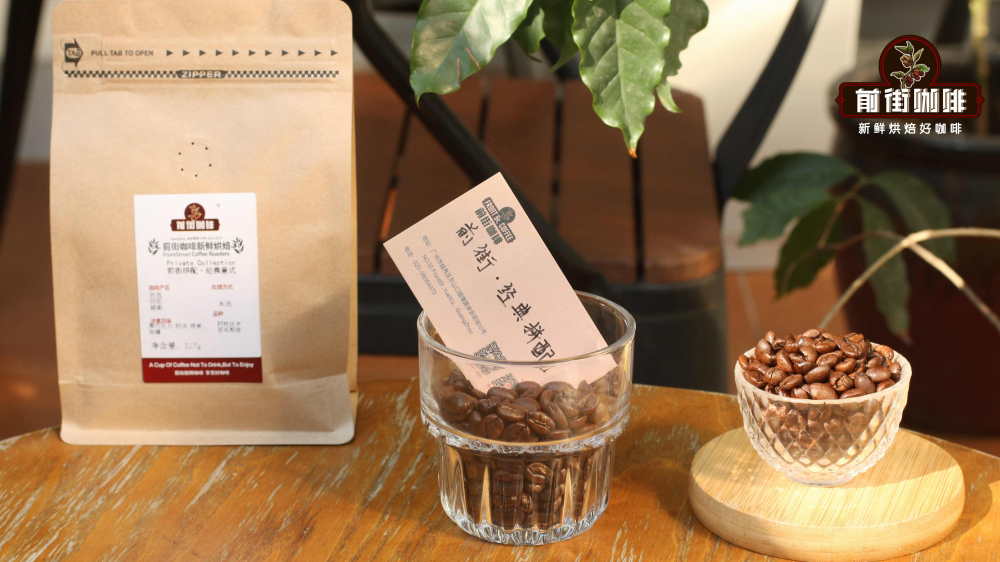
In summary, whether you choose a rich blend with a touch of Robusta or a premium 100% Arabica combination, understanding the crema characteristics and flavor profile of coffee beans can help you select beans that better match your taste preferences and bring out their optimal performance during extraction.
The above content is compiled by CoffeeHunters, a coffee news website.


