







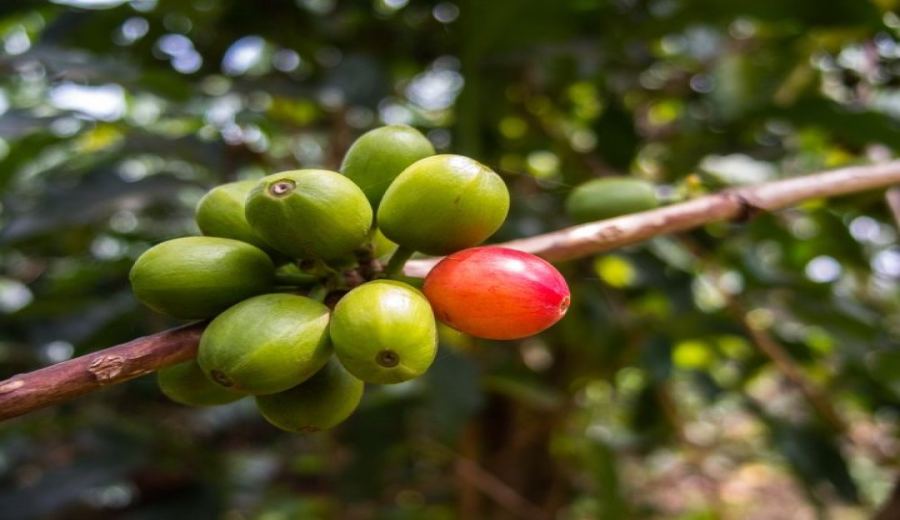
Introduction:Kenyan coffee is renowned for its bright acidity and complex layers, making it especially appealing to pour over enthusiasts. This article delves into the regional characteristics of Kenyan AA-grade coffee, the K72 washed processing method, and provides tested pour over parameters to help you master the key techniques for brewing a cup with notes of black plum, caramel, and a finish of cherry tomato—offering practical guidance for both beginners and advanced brewers.
Kenyan AA coffee beans have long been among the world’s top specialty coffees, but where does their unique flavor come from? Let’s explore everything from the growing regions to the processing techniques to fully understand this star bean variety that’s perfect for pour over. Though Kenyan coffee rose to prominence later than Ethiopian coffee, it has developed a highly recognizable bright and acidic profile thanks to its rigorous grading system and washed processing methods.
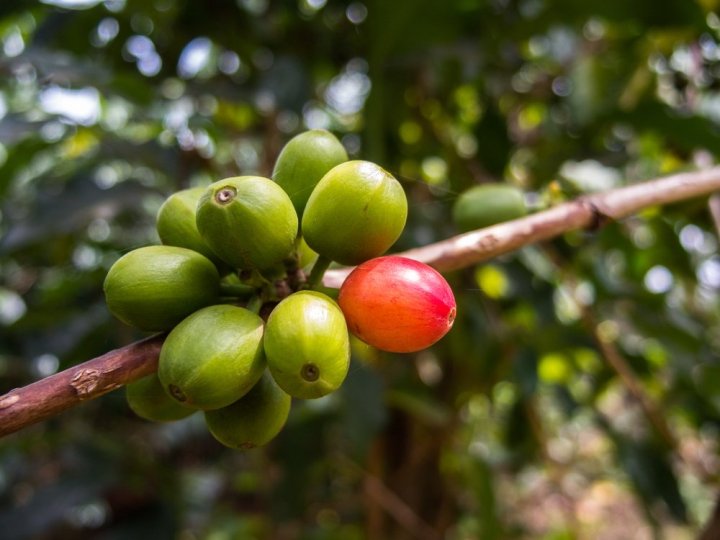
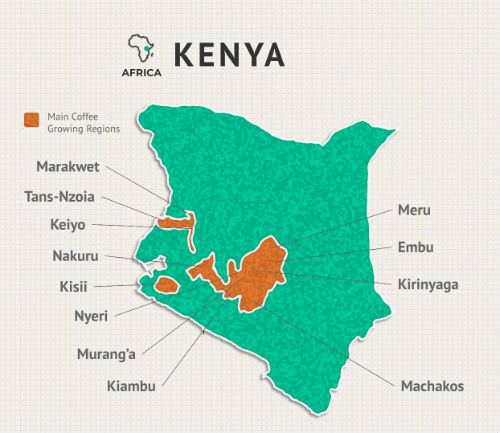
The foundation of this flavor profile dates back to the introduction of Bourbon varieties in the late 19th century, with coffee trees brought by the Saint Austin Mission in the early 20th century, which ultimately found an ideal growing environment on the Kenyan highlands. The main producing areas are located around the capital Nairobi and the foothills of Mount Kenya, in volcanic soil regions at elevations of 1,500 to 2,100 meters, with abundant annual rainfall and significant day-night temperature differences, all of which contribute to the concentrated flavor compounds in the coffee cherries.
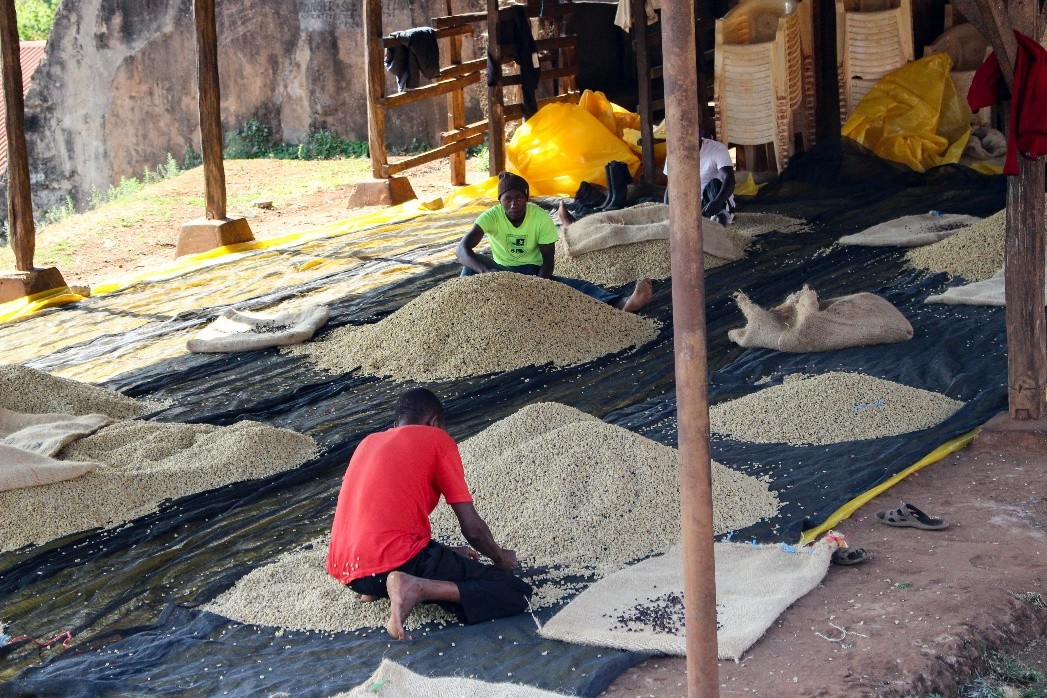
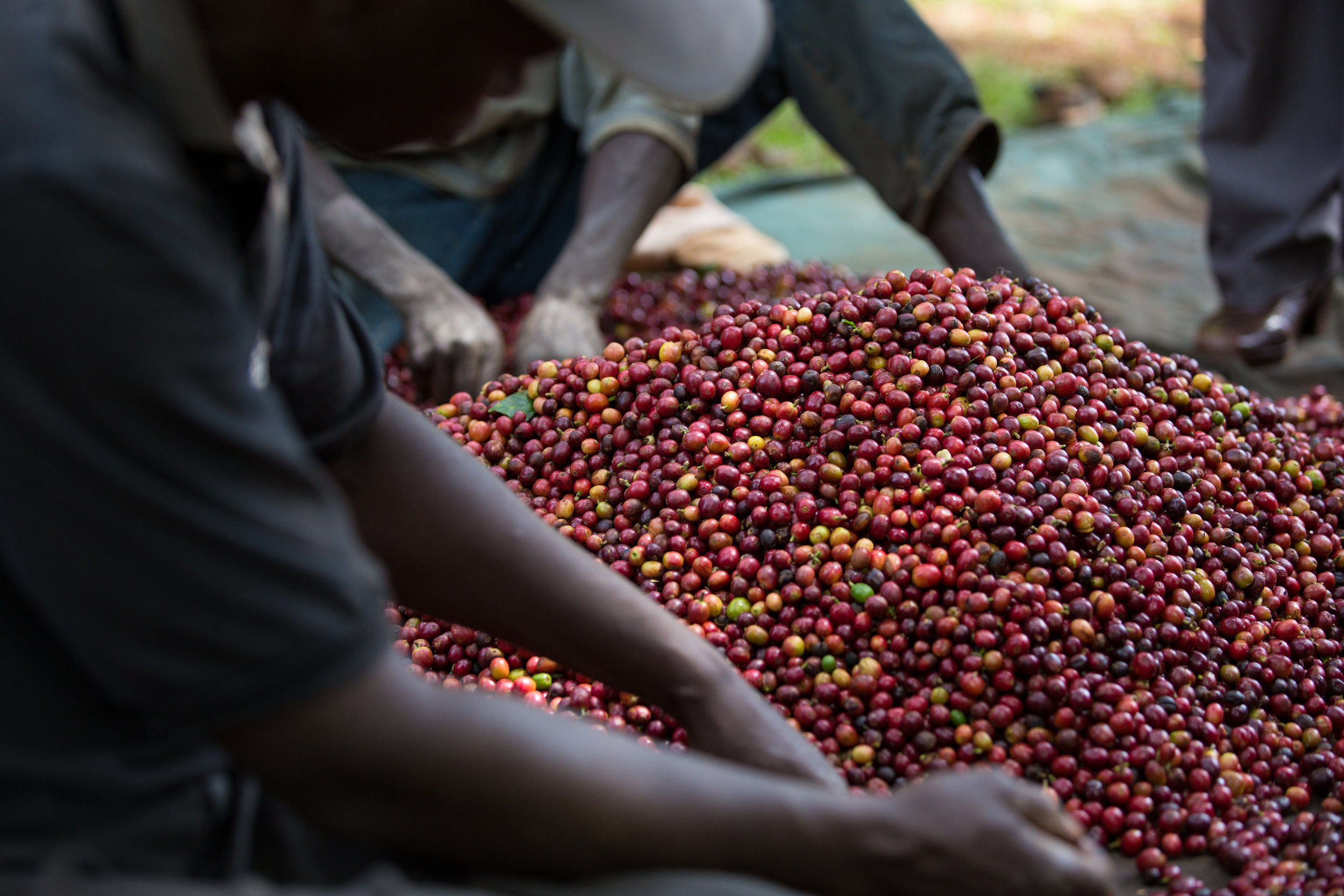
The region employs a unique smallholder cooperative model: farmers carefully select secondarily ripe red cherries to send to washing stations, where the depulped “parchment coffee” is then collectively delivered to cooperatives for processing. This collective operation mechanism ensures both quality stability and fair compensation for farmers. Notably, Kenyan law strictly protects coffee tree resources, with the entire national coffee production process—from planting to sales—closely regulated by official agencies.
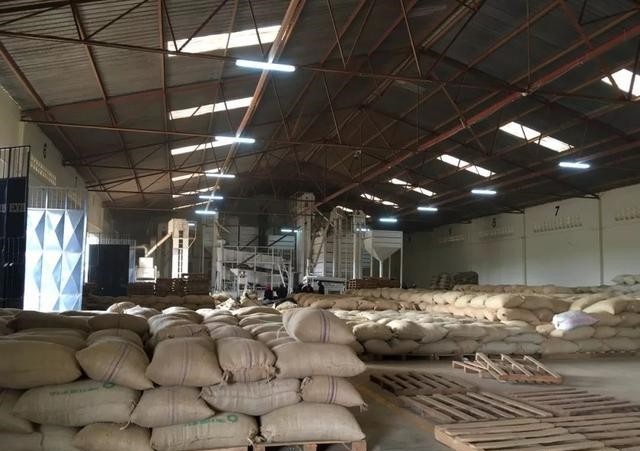
The grading system of the Kenya Coffee Board is considered a benchmark in the industry. Through rigorous cupping evaluations, the highest-grade AA beans are selected for their full shape and extremely low defect rate. Among them, PB (peaberry) and AA++ high-grade beans often exhibit rare blackberry notes, and these top-tier batches mostly make their way to the European specialty coffee market. In terms of processing technology, Kenya has developed the globally unique K72 washed method—after the coffee cherries are depulped, they undergo three stages of fermentation, each lasting 24 hours, totaling 72 hours of extended processing, which thoroughly breaks down the mucilage while enhancing the brightness of the acidity.
This process, paired with light roasting, can best preserve the distinctive citrus characteristics of the SL28 and SL34 varieties. In practice, it is recommended to use a medium-fine grind (80% passing through a Chinese No. 20 sieve), extracted with water at 91°C, which can effectively balance the acidity and sweetness. For pour over beginners, mastering the rhythm of pulse pouring is particularly crucial—steady water flow helps avoid over-extraction that could lead to sharp acidity.
For a specific brewing example, take the AA TOP-grade beans from the Asali Factory in the Thika region: this batch is grown at an altitude of 1,550–1,750 meters. When using a V60 filter, it is recommended to use a 1:15 coffee-to-water ratio—15 grams of coffee grounds to 225 grams of water. The brewing process is divided into three stages: the first pour of 30 grams of water for a 30-second bloom to activate enzymatic reactions, followed by a slow circular pour to reach 125 grams for the first pulse, then waiting until the water level drops to the surface of the coffee bed before pouring up to 225 grams total, with the entire extraction time controlled within 2 minutes. This parameter setup allows the dried black plum aroma and caramel finish to fully develop, while avoiding excessive release of tannic acidity.
The brewed Kenyan coffee exhibits a distinct three-stage flavor progression: in the hot stage, the profile is dominated by a clear blackcurrant acidity paired with a honey-like sweetness base; as the temperature drops to around 50°C, the bright sweetness reminiscent of cherry tomatoes emerges, forming a perfect balance with the ongoing lemony acidity; the finish leaves a lingering nutty aftertaste with a hint of wine-like aroma. This layered complexity stems from the intricate fermentation spectrum created by the K72 process, as well as the solid structure imparted by high-altitude cultivation.
For coffee enthusiasts seeking precise flavor expression, the following practical tips are recommended: grind size may need slight adjustments based on the filter type—ceramic V60s can be slightly finer than metal ones; water hardness should not exceed 150 ppm, filtered or mineral water is advised; maintain even water flow around the filter to avoid over-extraction at any single point. Common mistakes include insufficient blooming, which can trap aromas, or pulling up the water level too high in the final pour, releasing unwanted impurities—both of which can affect the overall cleanliness of the final cup.
In summary, the success of Kenyan coffee comes from the perfect combination of favorable conditions, skilled techniques, and human expertise: from its strict grading system to the revolutionary K72 processing method, and the light roasting strategy ideal for pour over—all elements pave the way to present vibrant fruit acidity and sugary sweetness. Once you master the correct brewing parameters, these coffee beans from the East African highlands will offer you a drinking experience that is both bright and layered.
The above content is compiled by CoffeeHunters, a coffee news website.


