







Introduction:Geisha coffee is renowned for its delicate floral and fruity characteristics, and is hailed as one of the finest luxury offerings in the coffee world. From Panama’s Hacienda La Esmeralda Red Label, Green Label to Blue Label, each has a unique flavor profile and suitable brewing method. This article will explore the origins of the Geisha variety, regional environmental differences, and take you in-depth into the processing methods, pricing, and pour over recommendations for the three main grades, helping coffee enthusiasts find the Geisha experience that suits them best.
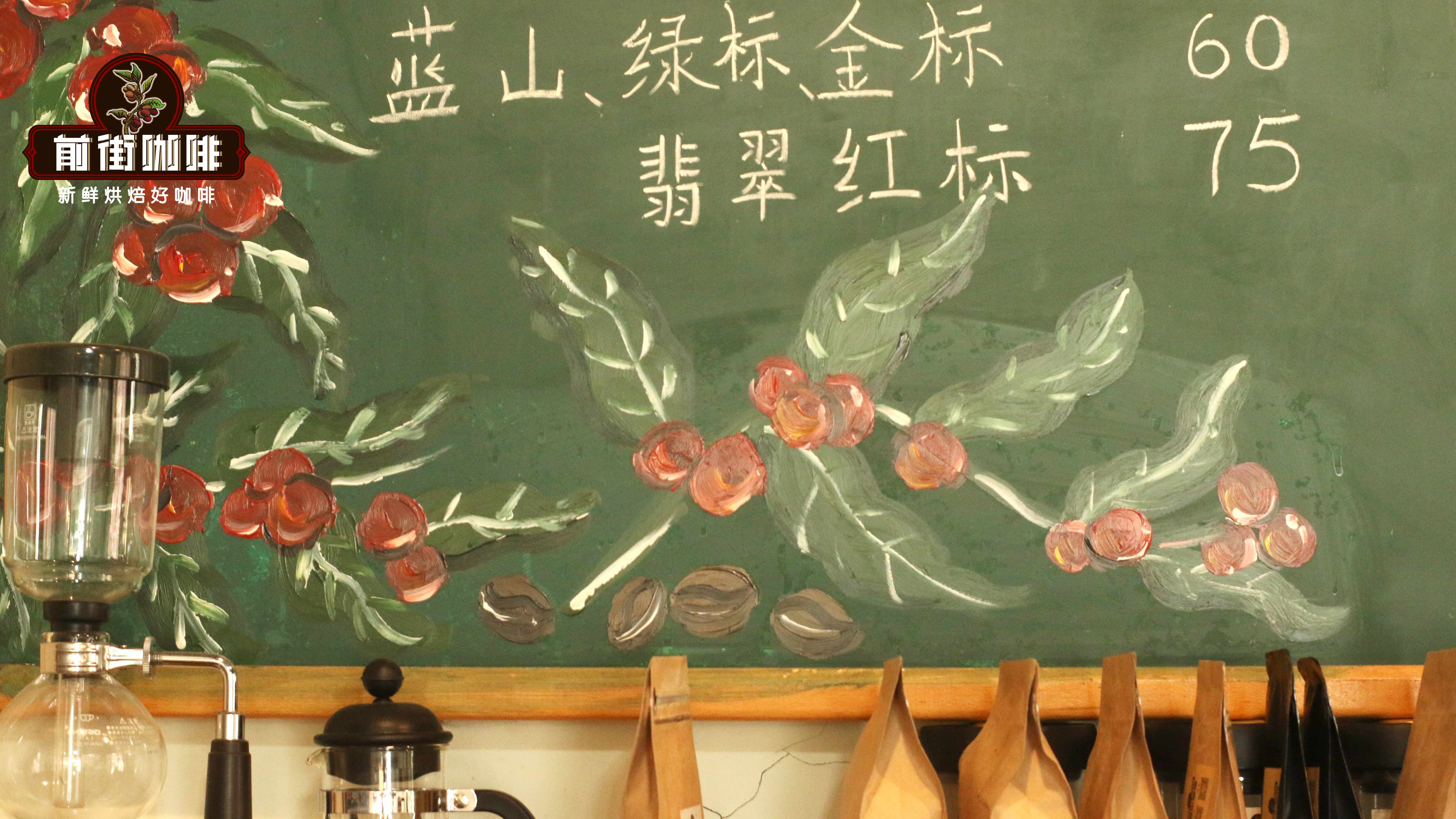
In the world of specialty coffee, Geisha (Geisha/Gesha) is undoubtedly a luxury item long desired by many coffee aficionados. This coffee variety, originating from Ethiopia, captivates not only fans of deep, bold Mandheling with its refined and elegant floral and fruity acidity, but also consistently performs exceptionally well in global competitions. What exactly makes Geisha coffee earn the reputation of being the “most expensive coffee bean”? How much should you budget for a cup of pour over Geisha? The freshly ground pour over price for Hacienda La Esmeralda Red Label Geisha is around 75 RMB, while the Green Label is about 60 RMB. The quality differences and processing methods behind these prices are well worth exploring further.
Geisha is extremely particular about its growing environment, and can only develop into beans with rich layers and bright acidity when cultivated at high altitudes, in misty conditions with ample shade. Its English name, Geisha, sounds similar to the Japanese word for “geisha,” and thus it is referred to as Geisha coffee in some regions. Around 2006, it was first introduced to Panama by Taiwanese business operators, who gave it the Chinese name “瑰夏” (Guīxià), which has been used ever since. The reason this coffee is so expensive is not just due to its rarity, but also because of its unique flavor profile and the difficulty involved in cultivation.
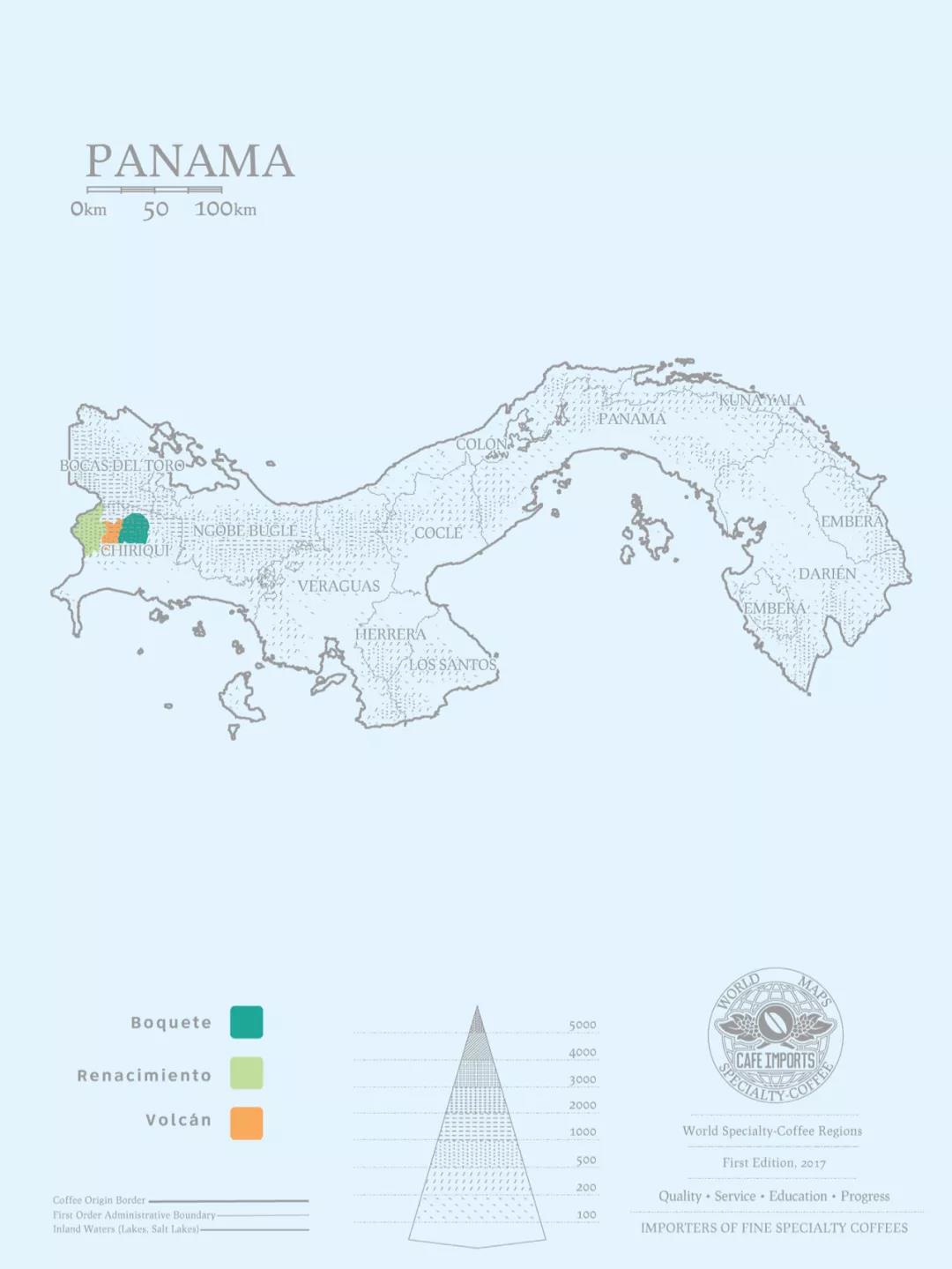
As a hub connecting North and South America in Central America, Panama has had inherent geographical advantages in its coffee industry from the beginning. Especially in the Chiriquí volcanic region, the Boquete area features fertile volcanic soil, stable rainfall, and layered mists, creating an ideal environment for Geisha coffee to thrive. Adjacent to Boquete, the Volcán region has recently emerged as a notable new Geisha-producing area, among which the Deborah Estate is the most representative.
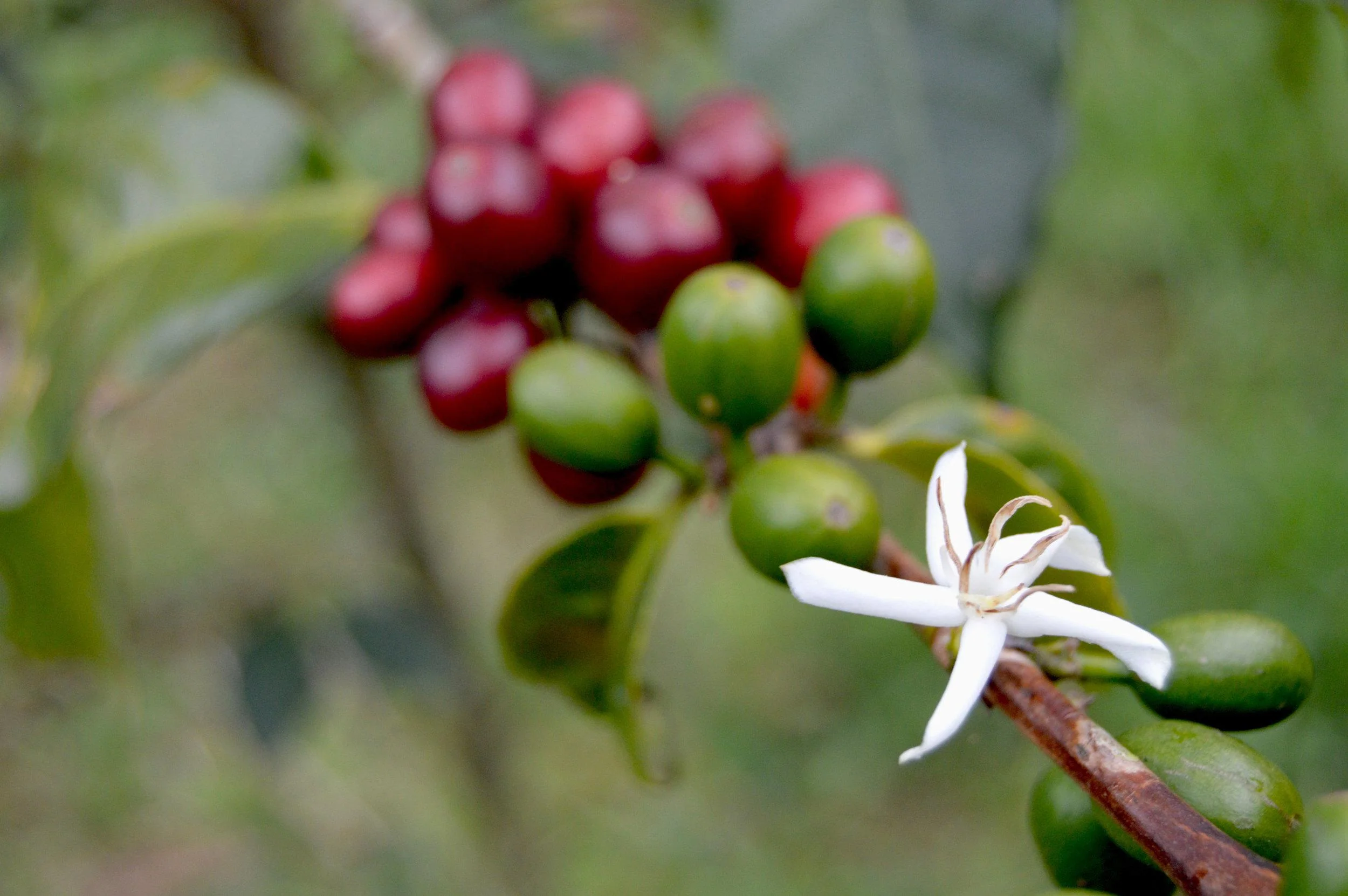
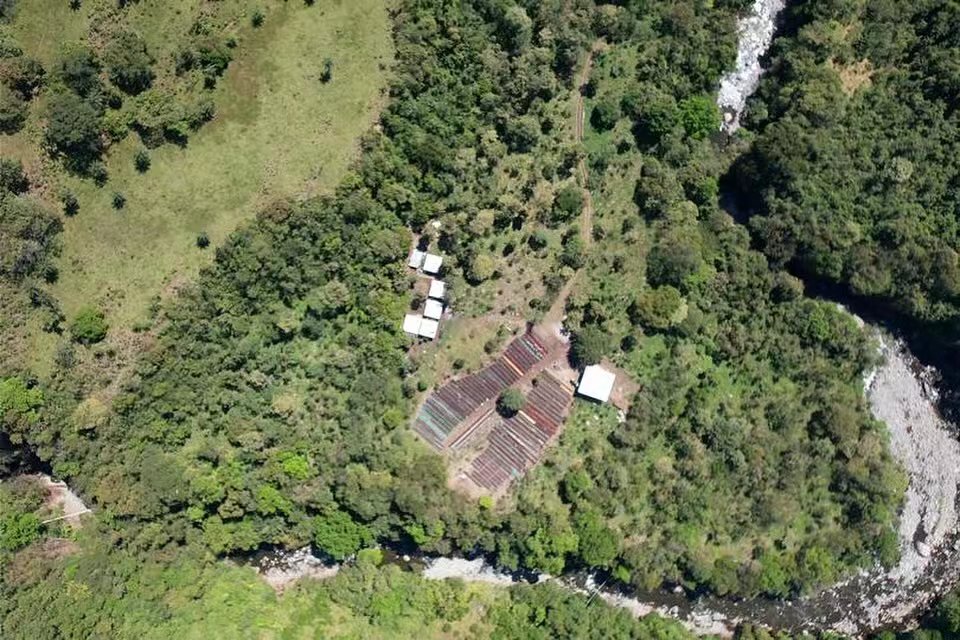
The Deborah Estate is located on the steep high slopes of the Chiriquí volcano and is one of the highest and most remote coffee farms in Panama. Nighttime temperatures here can drop to 10°C, and the extreme altitude and low temperatures slow down the metabolism of the coffee trees, helping the fruits accumulate richer sugars. With an average annual rainfall of 2200 mm and year-round cloud cover, the area not only provides a stable water supply but also creates an almost pristine ecosystem for the coffee trees. This location preserves a wealth of tropical rainforest flora and fauna, and insists on not using chemical pesticides or mechanical farming, maintaining ecological balance through organic composting and manual weeding, further enhancing the purity and complexity of the Geisha flavors.
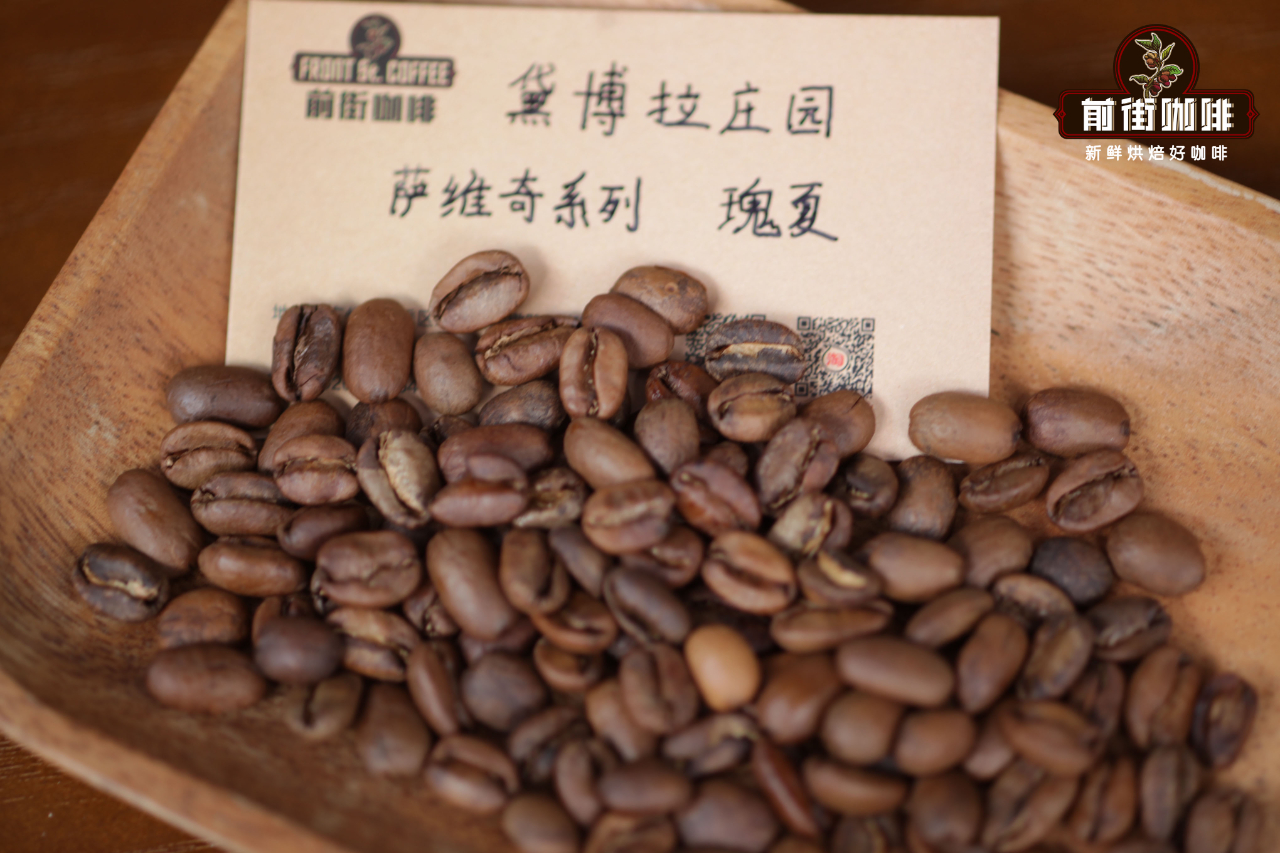
The Savia Series Geisha, once introduced from the Deborah Estate, is grown at elevations between 2000 and 2350 meters and undergoes anaerobic natural processing. It exhibits pronounced white floral notes, tangy-sweet pineapple-like acidity, and a clean, refreshing lactose-like finish, delivering a clean and layered overall profile. This Geisha from the Volcán region is an excellent entry point for understanding the flavor profile of high-altitude Panamanian Geisha.
When discussing Geisha, one cannot overlook the pivotal role of Hacienda La Esmeralda in Panama’s coffee history. Established in 1964, the estate initially focused on dairy farming until the second-generation owner, Price, introduced the Caturra and Catuaí varieties in 1987, and built a washed processing facility in 1994. The incorporation of the Jaramillo Estate in 1996 became the birthplace of the Geisha variety. During cupping sessions, a batch of unnamed coffee trees at the highest part of the farm was found to have unique citrus and floral-fruity notes. After comparative cupping, it was confirmed that these were indeed the Geisha variety from Ethiopia. Since then, Hacienda La Esmeralda has invested heavily in infrastructure, focusing on precise zoning and meticulous processing, establishing its authoritative position in the field of Geisha.
Currently, the Geisha from Hacienda La Esmeralda mainly comes from three main blocks: El Velo, Canas Verdes, and Jaramillo. Based on altitude and microclimate conditions, the Geisha is divided into three grades: Red Label, Green Label, and Blue Label. Among them, the Red Label batches are grown at altitudes between 1600 and 1800 meters, often scoring above 90 points in cupping, and are limited to the Jaramillo and Canas Verdes regions, available only through global auctions. It is worth noting that auctioned Red Label and non-auctioned Red Label actually come from the same plots; the only difference is whether they participated in the auction process. If you’re just looking to try it out, the non-auction version is also a high-value option.
The Green Label Geisha is also grown at 1600 to 1800 meters, but uses a multi-block blending approach. While it cannot be traced back to specific micro-lots, it often displays flavor profiles similar to the Red Label. The Green Label processing methods include washed and natural, with floral notes centered around jasmine tea, lively acidity, and clear sweetness. Some natural versions also offer bright layers of passion fruit and floral tea.
The Blue Label, also known as Geisha 1500, is grown at slightly lower altitudes of around 1400 to 1500 meters, sourced from a blend of beans from the Jaramillo, Canas Verdes, and El Velo blocks. This grade has relatively lighter flavors but still retains the expected fruity acidity and floral foundation of Geisha. In the past, the Blue Label was only offered with washed processing, until Hacienda La Esmeralda first launched a natural version in 2020, bringing more intense passion fruit aroma and clear citrus notes. Notably, starting in 2021, the Blue Label was renamed Las Rocas (Volcanic Rock Geisha), with no significant difference in flavor performance. Consumers can still enjoy the familiar Blue Label taste under the new name.
In terms of pricing, Hacienda La Esmeralda Red Label Geisha is about 350 RMB per 100 grams, Green Label 168 RMB, and Volcanic Rock Geisha (new Blue Label) 108 RMB, which is considered a reasonable range in the market. Many consumers worry about counterfeits, but as long as you verify the region, altitude, and processing method, and observe the bean appearance and flavor profile, you can easily identify authenticity. Hacienda La Esmeralda Geisha is highly distinctive in both appearance and cupping flavor, making it difficult for regular commercial beans to imitate.
Regarding pour over parameters, since Geisha is mostly lightly roasted, it is recommended to use slightly higher water temperature and finer grind to fully extract its delicate flavors. It is recommended to use a V60 #01 filter, with water temperature around 91°C, 15 grams of coffee, a 1:16 coffee-to-water ratio, and a grind size of approximately 78% through a Chinese standard No. 20 sieve. A specific pour over technique can involve a three-stage extraction: start with a 30-second bloom using 30 grams of water, then pour in small circles to reach 125 grams for the first pour, wait until the water level drops and is about to expose the coffee bed, then pour up to 240 grams to finish extraction, with a total time of about 2 minutes. These parameters help balance the acidity and sweetness layers, showcasing Geisha’s rich fruity and floral aftertaste.
The Red Label Geisha is described as having bright rose and citrus aromas, accompanied by complex fruit notes of brown rice, berries, apricots, and honey, with a full body and strong juiciness. The Green Label features jasmine floral notes as the main theme, balanced acidity and sweetness, with passion fruit, cantaloupe, and citrus tones, and a long-lasting aftertaste. The Volcanic Rock Geisha presents a soft combination of lemon, oolong tea, and honey, with rich juiciness and clear citrus tones. By understanding the regional characteristics and processing methods of each grade, you will be able to more precisely choose the Geisha coffee experience that best suits your taste.
The above content is compiled by CoffeeHunters, a coffee news website.


