







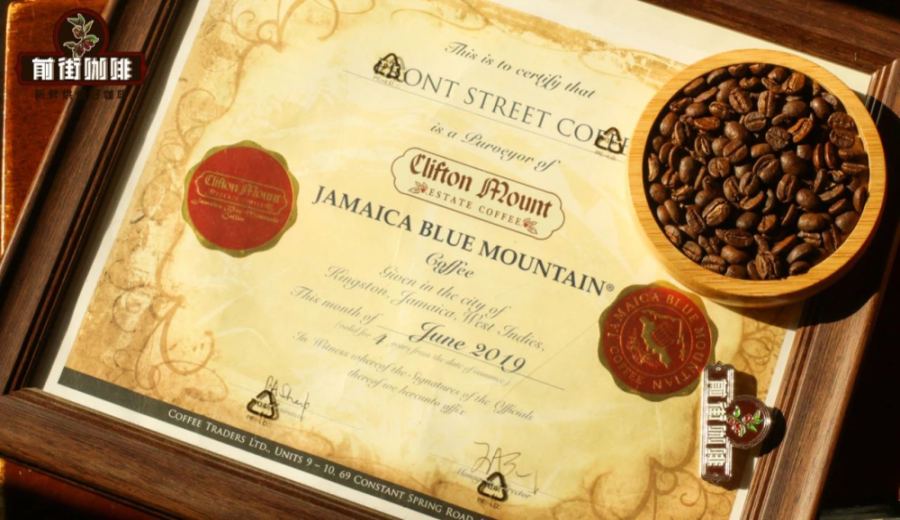
Introduction:Jamaica Blue Mountain coffee is world-renowned for its exceptional balance and rich, full-bodied flavor. However, the market is flooded with various low-cost products labeled as having a "Blue Mountain flavor," which are often far from the genuine article. This article delves into the geographical conditions and certification system of Blue Mountain coffee, and provides eight practical tips for identification, covering key aspects such as flavor, packaging, grade, appearance, and aroma. It also details the washed processing method for Blue Mountain No. 1 and offers optimal brewing recommendations using the Kono dripper, helping coffee enthusiasts distinguish authenticity and gain a deeper understanding of this premium coffee.
Jamaica Blue Mountain coffee is hailed as one of the world’s most famous and rare coffees, celebrated for its balanced acidity, sweetness, and bitterness, along with a smooth and richly rounded mouthfeel. For this reason, it holds an exalted status among coffee lovers, but it is also one of the most counterfeited products on the market. Many products marketed as having a "Blue Mountain flavor" may be affordably priced but are often completely unrelated to authentic Blue Mountain coffee. This article will explore in depth the unique characteristics of the Jamaica Blue Mountain growing region, its stringent certification standards, and systematically introduce eight effective methods for distinguishing genuine from fake, helping consumers make the right choices.
The reason Jamaica Blue Mountain coffee is so precious lies not only in its distinctive flavor profile but more importantly in its uniquely favorable growing environment. The Blue Mountains are located in the eastern part of Jamaica, with the highest peak reaching an elevation of 2256 meters, making it one of the tallest mountain ranges in the Caribbean. This region enjoys a cool and moist climate with frequent fog, coupled with abundant annual rainfall, fertile soil, and excellent drainage—all of which create ideal conditions for coffee cultivation. The main producing areas of Blue Mountain coffee are situated between the southern part of Kingston and the northern part of Port Antonio. Since its introduction in the 18th century, it has been renowned for its consistent and high-quality output.
However, precisely because of the reputation and scarcity of Blue Mountain coffee, the market has seen many counterfeit or low-cost so-called "Blue Mountain flavor" coffees. These products may contain only trace amounts of Blue Mountain beans—or none at all—and achieve a similar flavor through blending, yet are sold at prices far below those of the genuine product. Therefore, learning how to distinguish authenticity has become an essential task for every coffee enthusiast.
First, in terms offlavor profile, genuine Blue Mountain coffee offers an extremely smooth mouthfeel, with well-balanced acidity, sweetness, and bitterness, and a long, rich aftertaste that is mellow without being harsh. In contrast, fakes often have a thin body, noticeable off-flavors, or an imbalance between acidity and bitterness, lacking the layered complexity characteristic of Blue Mountain.
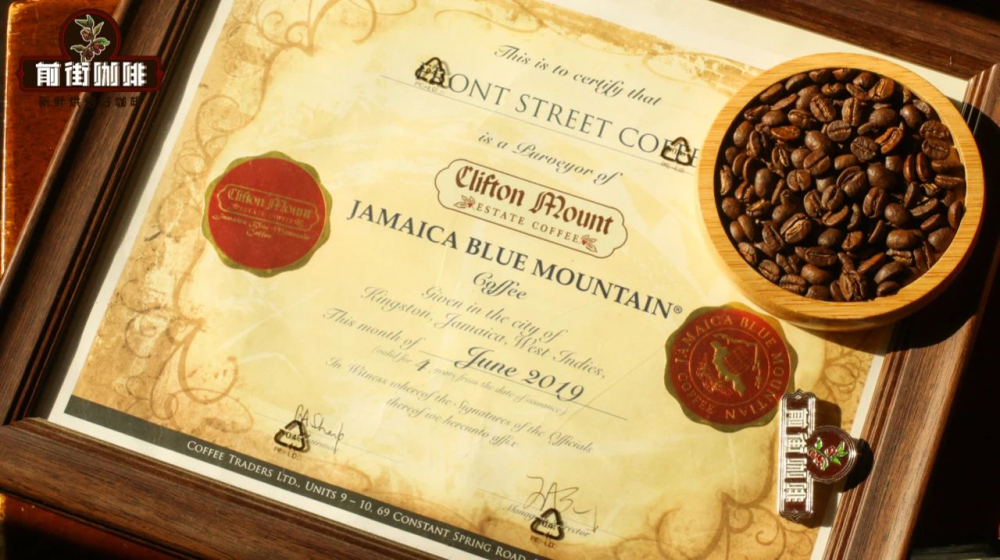
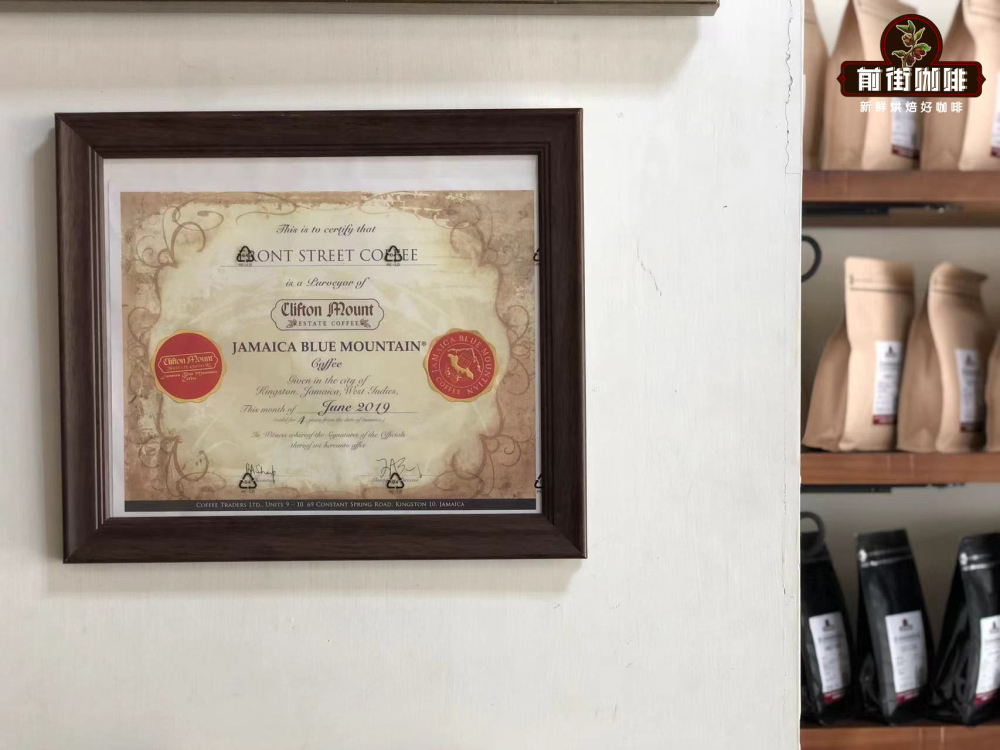
Second, when purchasing, you should check whether there is certification issued by theJamaica Coffee Industry Board (CIBOJ)or currently by theJamaica Agricultural Commodities Regulatory Authority (JACRA). Starting from 2018, the export and quality control of Blue Mountain coffee have been taken over by JACRA. Only coffee that has passed official certification can be labeled as authentic Blue Mountain. This certification is one of the most important criteria for determining whether a product is genuine.
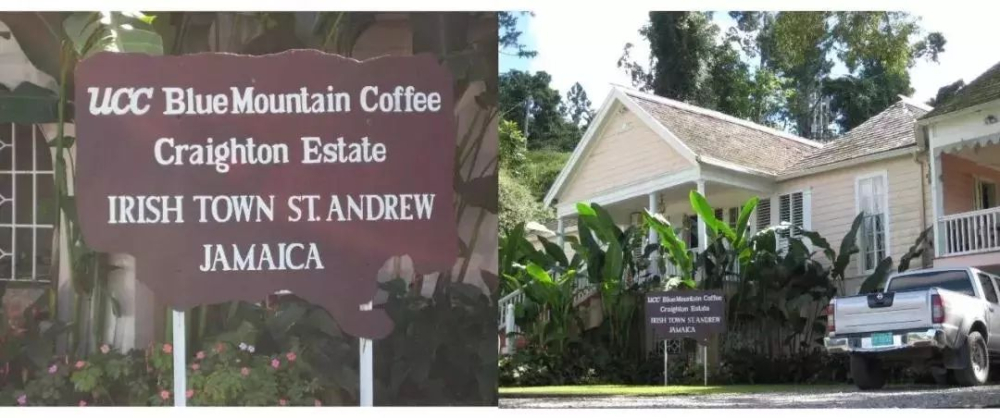
In addition,origin labelingis also crucial. Although Blue Mountain coffee should rightfully come from Jamaica, due to historical reasons—such as when Japan’s UCC company heavily imported and monopolized the market—some products may only display the UCC trademark while neglecting origin information. Therefore, consumers should pay special attention to whether the origin is clearly marked as "Jamaica Blue Mountain."
In terms of packaging, authentic Blue Mountain coffee was traditionally packaged in sealed aluminum foil with coarse burlap bags, but in recent years, it has mostly shifted topackaging in wooden barrels with green coffee beans, which is also a traditional packaging method still preserved in Jamaica today. If you see low-priced products using lacquered wooden barrels, be especially cautious, as genuine Blue Mountain coffee would not use packaging materials that could affect its flavor.
Blue Mountain coffee is divided into five grades based on quality, includingBlue Mountain No. 1, Blue Mountain No. 2, Blue Mountain No. 3, Blue Mountain PB (Peaberry), and Jamaica High Mountain coffee. If you see labels such as AAA, AA, A, or G1, these are not at all part of the Blue Mountain coffee grading system and are clear signs of counterfeits.
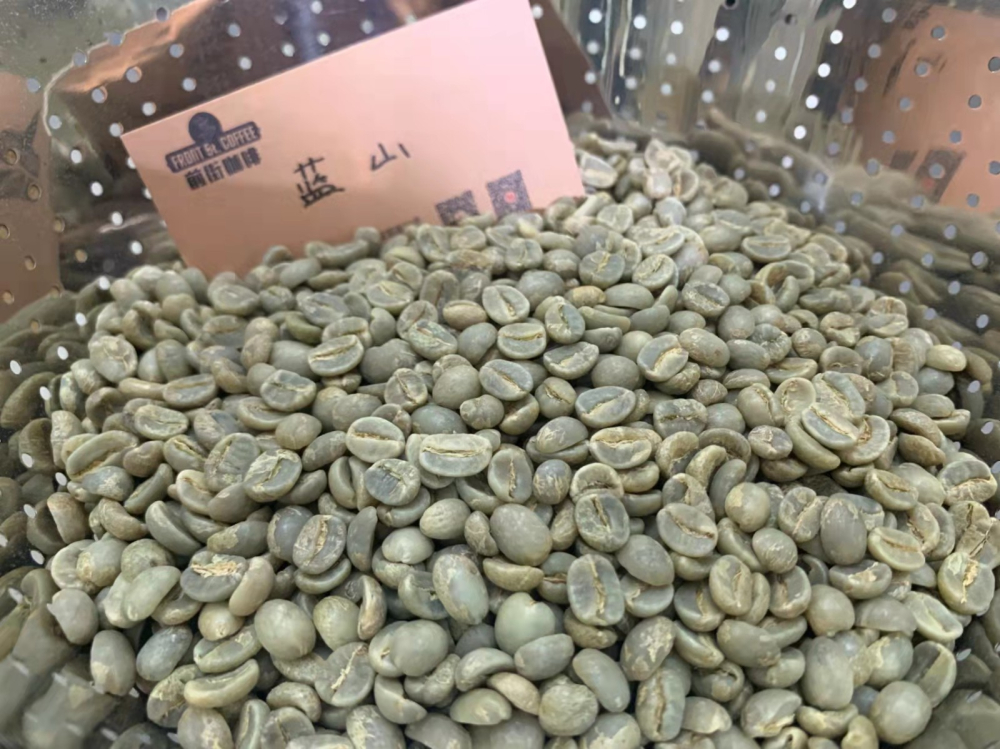
Examining theappearance of green beansis another way to identify authenticity. Genuine Blue Mountain green beans exhibit a bright green color, are medium to slightly small in size, with both ends slightly upturned, and become plump and round after roasting. Counterfeits often vary greatly in size, have irregular shapes, or show unusual colors.
At thegrinding stage, since Blue Mountain coffee grows at mid-altitudes and its green beans have relatively loose cell structure, you should feel a distinct crispness when grinding them with a hand grinder. If it feels hard or obstructed, it may indicate low quality or blended beans.
Finally,aromacan also be a distinguishing factor. Genuine Blue Mountain coffee boasts rich fruit and chocolate aromas (or creamy notes), with stable and lingering scents after roasting. Counterfeits, on the other hand, typically have a light, superficial aroma, lack complexity, and tend to dissipate quickly.
It’s worth mentioning that authentic Jamaica Blue Mountain coffee (such as Blue Mountain No. 1) is mostly processed using the washed method. This process utilizes specialized washing tanks and flowing water to first remove the pulp and fruit skin, followed by 12 to 18 hours of fermentation, then rinsing with water and friction against the beans until smooth, followed by drying to a moisture content of 12–14%[percentage missing], and finally screening and storage. This rigorous series of steps ensures the purity and stability of the coffee's flavor.
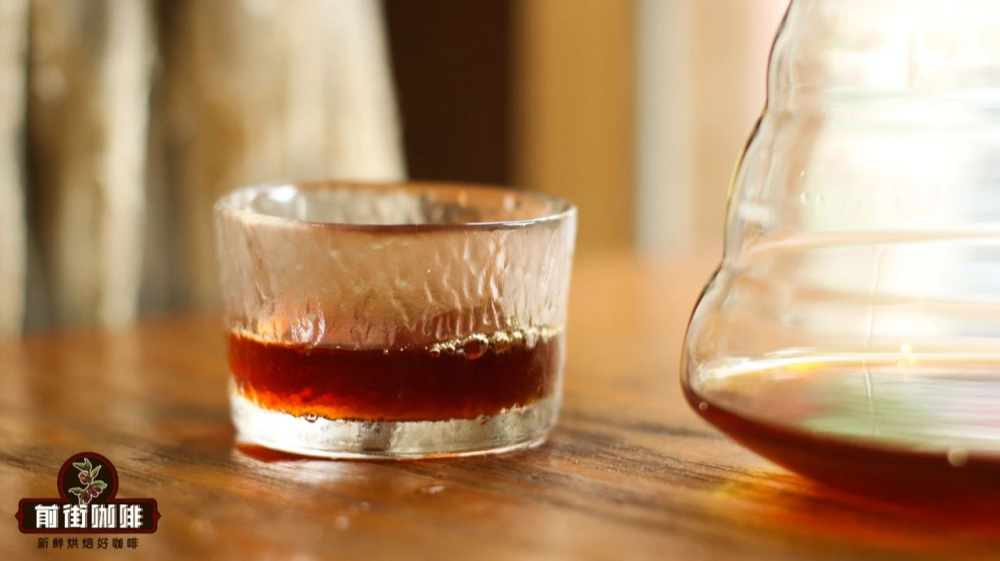
For brewing recommendations, using a Kono dripper can reduce channeling effects and extend the contact time between water and coffee, making it particularly suitable for medium to dark roasted Blue Mountain coffee. It is recommended to set the water temperature at 88°C[temperature missing] 1:15, with a coffee-to-water ratio of [ratio missing], and a grind size of medium-fine (approximately 75% passing through a Chinese standard No. 20 sieve). During brewing, start with 30 grams of water for a 30-second bloom, then pour in stages up to 125 grams and 225 grams, with total extraction time controlled around
The above content is compiled by CoffeeHunters, a coffee news website.


